Pokok Ipoh: The Poisonous Tree That Inspired the Name of a Perak City
The name of the city of Ipoh that we know today actually stems from a rarely mentioned plant, yet one rich in history and symbolism: the Ipoh tree. Known in the botanical world as Antiaris toxicaria, this plant has highly poisonous sap and was once used by the Orang Asli community for hunting.
The origin of this name shows how close the relationship between humans and the natural environment is. In the local historical and cultural landscape, this tree is not just wild flora, but also serves as a geographical identity for an area that is now rapidly developing into a modern city.
This article will explore the origin of the name of Ipoh city, the characteristics of this tree, its uses in traditional society, and why it is so important in understanding the history and identity of Perak.
Botanical Characteristics of the Ipoh Tree
The Ipoh tree is a large tree that can grow to over fifty meters in height. Its leaves are oblong with clear veins and a rough surface. It has large buttress roots and thrives in lowland tropical rainforests.
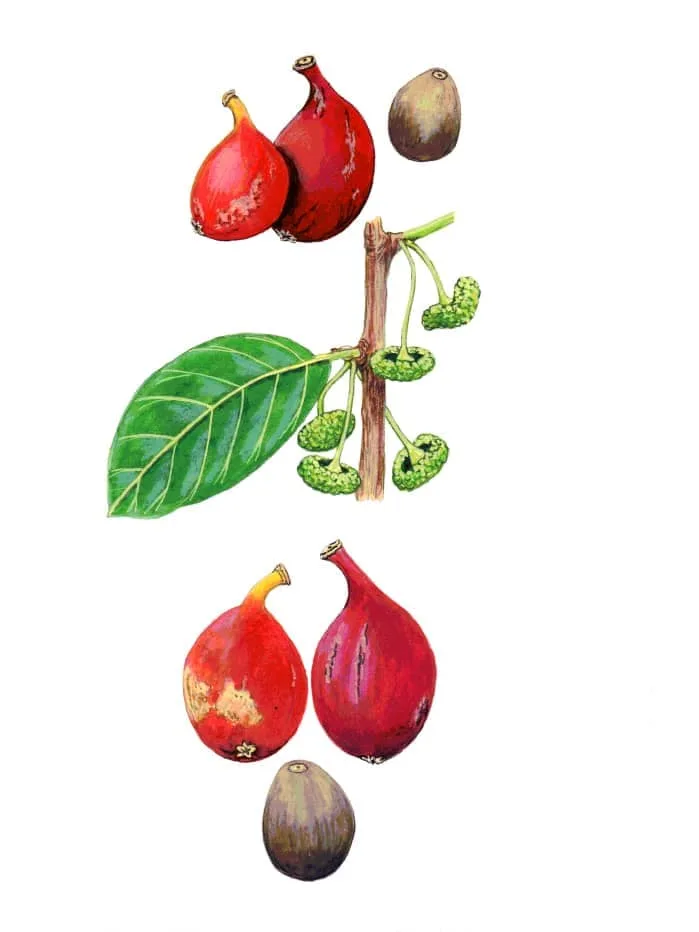
The fruit of the Ipoh tree is small and pear-shaped, changing color from red to blackish when ripe. Male and female flowers are found on the same tree, making it monoecious and well-suited to the tropical climate.
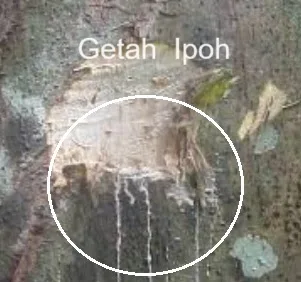
Most notable is its white sap. When the trunk is cut, a milky white liquid emerges that contains a strong toxic substance, a type of cardiac glycoside that is very dangerous if it comes into contact with humans.
Poisonous Sap and Traditional Uses
The sap of the Ipoh tree contains toxic substances such as a-antiarin and b-antiarin. It is extremely dangerous because it can paralyze the nervous system and cause heart failure if it enters the human body.
However, among the Orang Asli community, this sap was used wisely and cautiously. It was applied to the tips of arrows or blowpipe darts to hunt animals in the forest and assist in daily survival.
This usage demonstrates the high ethnobotanical value of this tree. It is not just an ordinary plant, but a traditional survival tool inherited through generations, reflecting the efficiency of ancient societies in understanding nature.
Origin of the Name Ipoh City
According to local history, the name Ipoh comes from this tree, which grew abundantly along the Kinta Valley. The area was an early settlement location before the modern city was formed during the British colonial era.
Its pronunciation is believed to come from local terms such as 'ipuh' or 'upas' which refer to the tree. The word later evolved into Ipoh and was used as a landmark by the local community.
The connection between the city's name and this plant shows how natural elements are used as identity. It marks the close relationship between humans and the environment since the early days of settlement and remains in collective memory to this day.
Cultural and Symbolic Importance
The Ipoh tree is not only important in the history of the city's name but also carries deep cultural meaning. It symbolizes the dependence of traditional society on nature for their survival.
Its poisonous sap demonstrates the balanced nature of the environment. It can be harmful if misused, but becomes an important tool if utilized with the knowledge and wisdom of previous generations.
This tree serves as a symbol that within the richness of nature, there are various lessons and dangers that must be understood and respected. It reminds us to appreciate the natural resources that are our shared heritage.
Threats and Conservation
The Ipoh tree is now increasingly difficult to find in the wild due to rampant development and deforestation. This situation affects the sustainability of the species and its role in Malaysia's tropical ecosystem.
Due to its poisonous nature, it is also not widely planted in public areas. However, there are specific efforts by botanical and educational institutions to maintain this species through conservation.
Planned conservation is important so that future generations can see for themselves the tree that became the origin of their city's name. This includes public education, replanting, and habitat restoration.
The Ipoh Tree in the History of Ipoh City
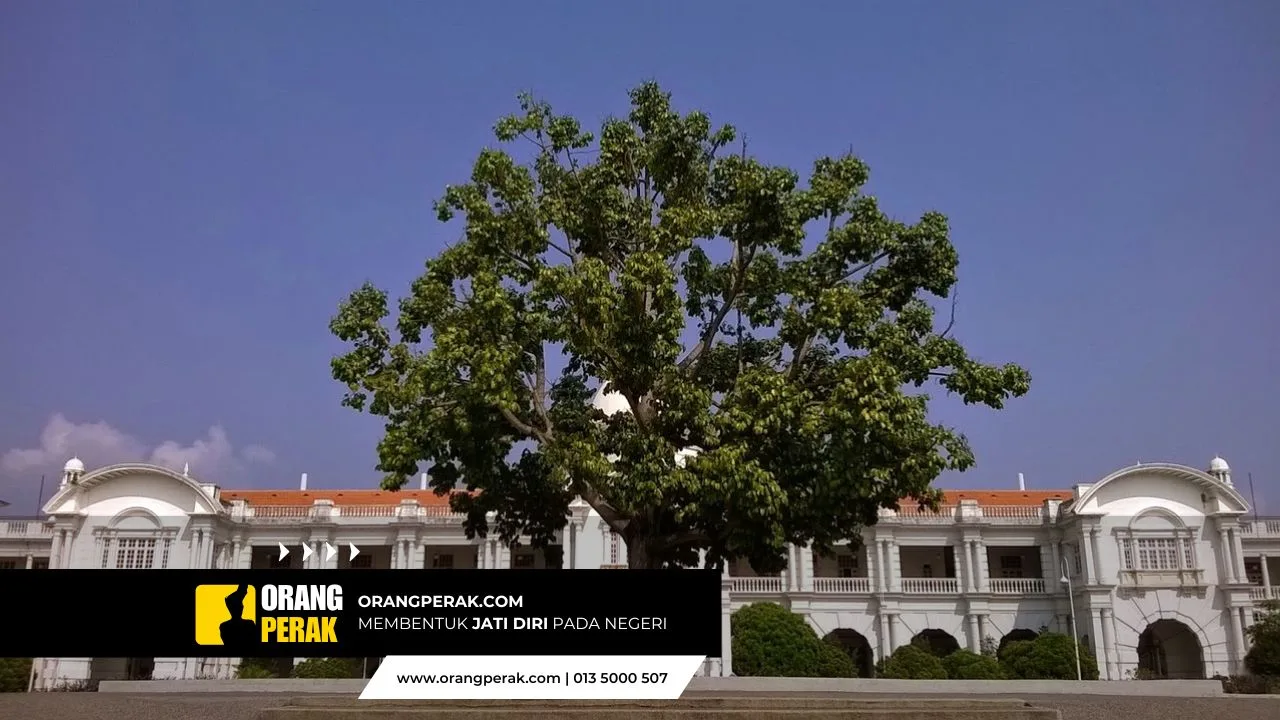
The Ipoh tree was once an important symbol in the city center and was planted in front of the Ipoh Keretapi Tanah Melayu station. The tree fell on April 28, 2017, due to heavy rain and strong winds, after standing for thirty-seven years since it was planted on January 18, 1980, by the then-Menteri Besar of Perak, Wan Mohamed Wan Teh.

The incident received much attention because it was not just a physical loss, but also touched on sentimental values for the people of Ipoh. The tree had been a location for photography, a historical reference, and a symbol of the city's original heritage.

As a restoration step, an Ipoh sapling was replanted at the same location on February 21, 2018, by the then-Menteri Besar, Zambry Abd. Kadir. This effort shows the commitment of the state government and the community to preserve natural heritage and continue the symbolism of the origin of Ipoh's name for future generations.

Conclusion
The Ipoh tree is not just a poisonous plant in the tropical forest, but also a living heritage that became the source of the name for one of the major cities in Malaysia. It carries with it stories about the relationship between humans and nature, traditional knowledge, and invaluable cultural values.
Getting to know this tree is a step toward appreciating local heritage and understanding that behind the name Ipoh, a unique natural history is hidden. This heritage should be preserved and used as a source of inspiration for future generations.
By understanding the history of the city's name through this tree, we learn that nature is not just a backdrop to life, but also shapes the identity and journey of a society.