Rural Education Innovation: The Country's First Floating School at Tasik Banding
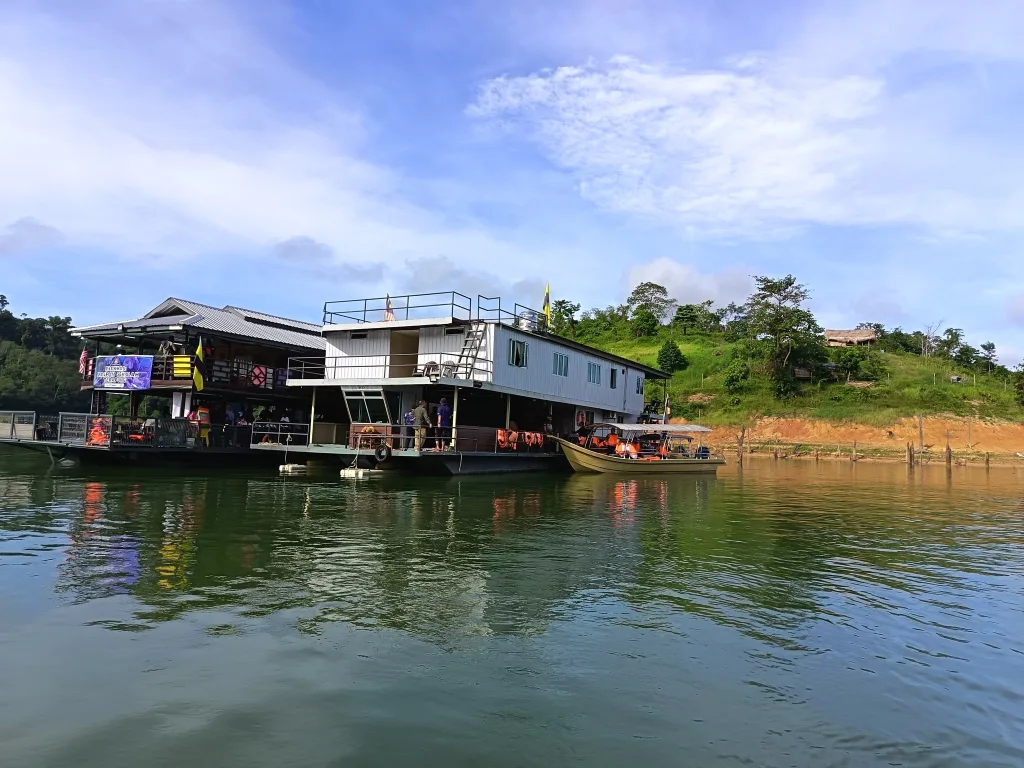
In the remote areas around Tasik Banding, Gerik, Perak, the challenge of accessing formal education is a reality for the Orang Asli community. Students often face long journeys across land and water to reach nearby schools, which can hinder consistent attendance. Recognizing this situation, the Ministry of Education Malaysia (KPM) has introduced a new approach to reach students who are marginalized in terms of access. This initiative involves establishing the country's first floating school for the lake's remote communities as an innovative step to bridge the educational gap.
This floating school model has been operational since October 13, 2025, to overcome logistical and distance barriers that previously hindered the learning process for Orang Asli students in the lake area. By creating classrooms closer to their homes, this initiative not only increases school attendance but also provides a more conducive environment that is relevant to the students' surroundings. This approach demonstrates that education can be redesigned to suit the realities of rural and remote communities, rather than solely expecting students to adapt to conventional systems.
This floating school signifies a strong commitment from KPM and other stakeholders to ensure that the educational rights of Orang Asli students in rural areas are not neglected. This project also signals that flexible and inclusive education models can be a reality in Malaysia, and it may pave the way for similar approaches in other remote areas facing similar challenges.
Concept and Implementation of the Floating School
Malaysia's first floating school operates at Tasik Banding and the surrounding areas of Tasik Temenggor, targeting students from three local Orang Asli villages: Kampung Charuk Bus, Tebang, and Chiong. According to official information, at its launch, there were approximately 47 to 48 students aged between 6 and 16. Classes are held three days a week, from Monday to Wednesday, with two teachers assigned from Sekolah Menengah Kebangsaan RPS Kemar K11 serving as the instructors who initiated the classes. To ensure appropriate teaching methods, learning sessions are divided into two groups based on age so that materials and approaches can be adapted to the needs of students with different ability levels.
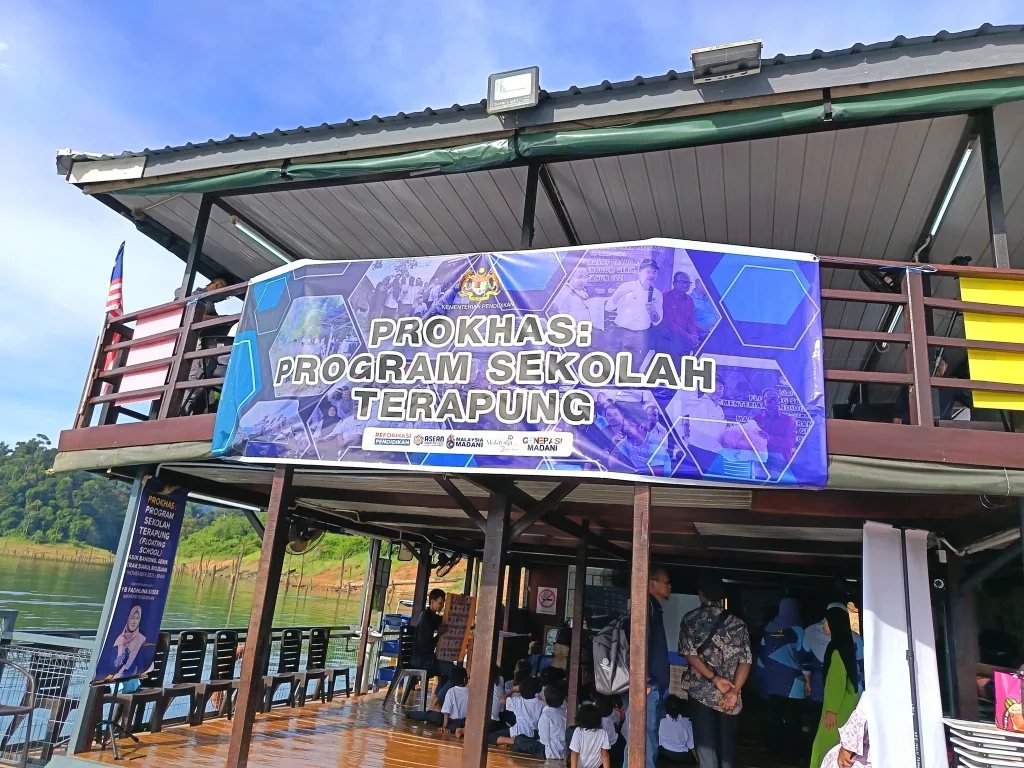
The structure of this floating school is unique not only in its physical location but also in the pedagogical adaptations that receive special attention. The teachers involved have been trained to face the realities of rural learning and the special needs of Orang Asli students who may have rarely attended school consistently. The implementation of this model requires cooperation between KPM, schools, the community, and other agencies to ensure that logistics, safety, and floating classroom management run smoothly. This ensures that students can not only attend classes but also receive quality instruction.
The implementation of this project is also considered an important pilot step to determine the effectiveness of the floating school model in the context of Malaysia's remote communities. If this model shows positive results, it has the potential to be expanded to other areas facing similar educational access barriers. With this proactive approach, rural education is no longer seen as merely supplementary, but as a priority that must be given appropriate space and attention.
Teacher Experience and Learning Atmosphere
Teachers stationed at the floating school at Tasik Banding report that the learning atmosphere has become more student- and community-friendly. They have undergone special training to adapt teaching for students with very different backgrounds and school experiences. In the floating classroom, teachers also use more interactive and fun activities such as singing, storytelling, and hands-on learning so that students feel comfortable and excited about school. This is important because many remote students may have had little exposure to formal learning routines at a young age.
An environment close to home and the community is also seen to have a positive impact on student attendance. For example, a student from Kampung Charuk Bus expressed happiness at finally being able to learn in a place closer to family and friends. An atmosphere closer to their daily lives makes the learning process less burdened by long travel and feelings of alienation. Teachers acknowledge that through an approach more relevant to the students' backgrounds, they can build greater interest and discipline among the students.
However, the reality of implementation on the ground still requires continuous adjustment. Although this model shows promising early results, challenges such as varying levels of student ability and facility constraints still exist. Teachers must provide highly flexible teaching materials to suit very young and older students in the same class or group. Nevertheless, with community support and the active involvement of parents and authorities, the learning experience at this floating school is gaining positive responses and hope for growth.
Benefits to the Community and Long-Term Impact
With the presence of the floating school at Tasik Banding, the Orang Asli community in remote areas gains access to education that is closer and more accessible. Students no longer have to face long, time-consuming, and exhausting journeys, which previously were often the cause of low attendance or school dropout. The presence of a school within the community helps build a sense that education is something closer and achievable for all. Parents and community members are also beginning to see education as a real opportunity rather than something distant or out of reach.
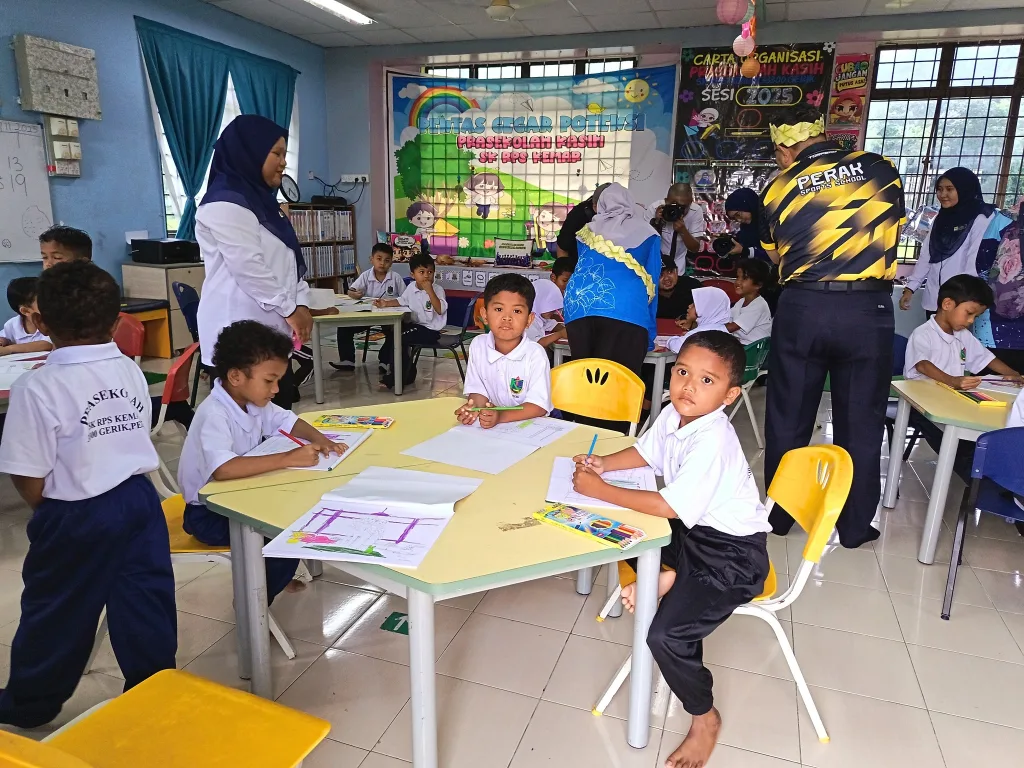
In terms of motivation and enthusiasm for learning, this change has a positive impact. Students who previously struggled to attend or attended inconsistently now have a stronger reason to show up every day because the school is in an environment they recognize and feel comfortable in. This helps reduce barriers such as transportation costs, travel time, and family factors that often hinder attendance. Additionally, this model provides a strong symbol that the government and society value education for all groups, including those living in remote locations.
In the long term, the success of this floating school model at Tasik Banding has the potential to serve as an example for other areas with similar geographical and social characteristics. If this model continues to grow and be strengthened, it will not only benefit one community but could pave the way for more inclusive and flexible rural education approaches nationwide. With continued support from the government, schools, the community, and the private sector, the impact can go beyond just access; it can spark the aspirations of the younger generation in remote areas to gain knowledge and contribute to their society.
Implementation Challenges and Sustainability
Although this floating school brings many benefits, its implementation journey is not free from challenges. One of the main challenges is the difference in skill levels and mastery among students of different ages and backgrounds. Teachers must focus on flexibility in teaching design so that every student, even with minimal school experience, can follow the lessons. The logistics of ensuring that this floating school always operates safely and smoothly also require attention regarding water safety, basic facilities, and transportation for teachers and students.
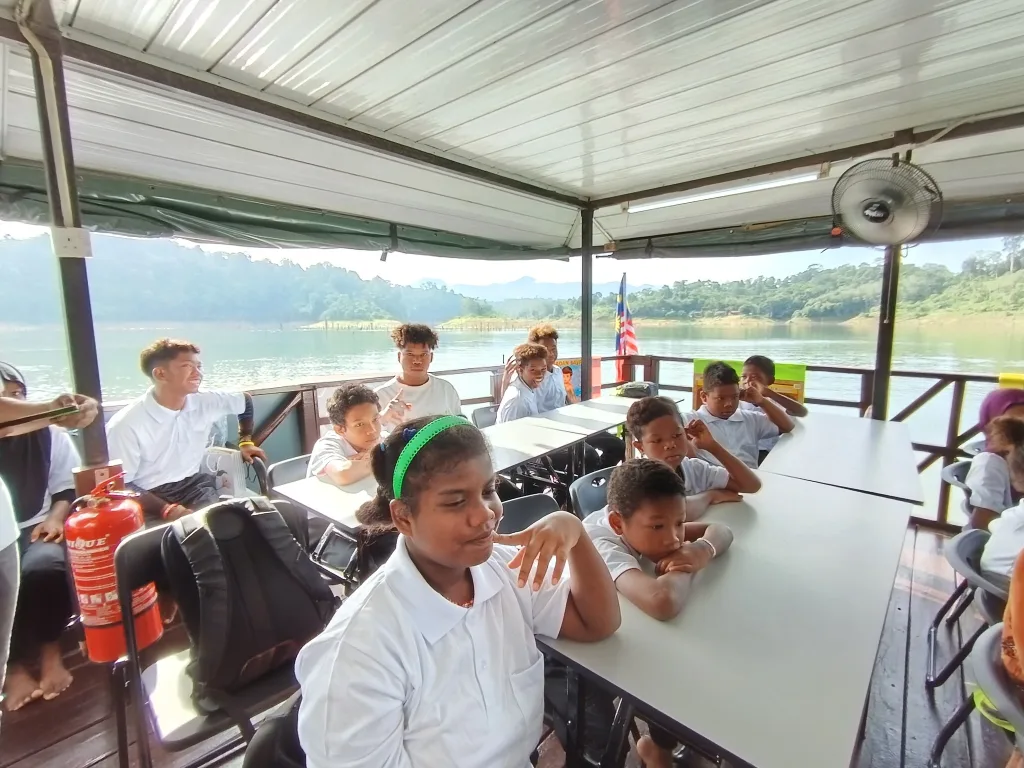
Furthermore, facility constraints such as teaching materials, technological equipment, and the maintenance of the floating classroom in remote areas are also challenges. In an environment where network access and resources may be limited, teaching must be optimized creatively and collaboratively with the community. The continuity of this model also depends on the support of the local community, the willingness of teachers to serve in remote locations, and cooperation between various parties such as the government, schools, and the Orang Asli community.
Ultimately, for this model to be sustained and expanded, continuous study and evaluation must be conducted to look at the effectiveness, cost, and scalability of the project. If all these aspects can be handled well, then the floating school will not just be a temporary initiative but part of a systemic solution for rural education in Malaysia. With good management, this model has the potential to create a tangible long-term impact in strengthening the foundation of education for remote communities.
Hopes and Conclusion
The floating school at Tasik Banding is not just a unique physical project but a symbol that education is a right for all, no matter where they live. This initiative shows that with courage and creativity, we can shift the paradigm of how education is delivered—not just through school buildings in urban areas but also through models specifically designed for remote communities. It reminds us that innovation in education must be adapted to the realities and needs of the students.
The early success of this model gives hope that more Orang Asli children will gain equal access to quality learning while remaining close to their families and communities. If support is maintained and the model continues to be improved based on feedback and results, it can expand to other areas facing similar challenges. The future of rural education in Malaysia may change with models like this, shaping a more resilient and knowledgeable generation.
In conclusion, the floating school model at Tasik Banding sends a message that no one should be left behind in education due to geographical barriers or a lack of facilities. With synergy between teachers, the community, families, and the government, the opportunity to achieve inclusive and quality education becomes more real for everyone.