The Myth of Sultan Ismail's Palace and a Mosque in Belanja, Perak
Since the State of Perak was established by the first Sultan, Sultan Mudzaffar Shah I Ibni Almarhum Sultan Mahmud Shah I in 1528, there have been 35 Sultans of Perak to date. When discussing the Sultanate, it is inseparable from the history of the personalities, governance, and events that occurred during the reign of each Sultan, which serve as historical knowledge for us today.
Indeed, every Sultan who ascends the throne must have a palace from which to rule. However, today, it is known that some palaces left behind by former Sultans have vanished from their original sites due to destruction from wars and colonization. Nevertheless, descriptions and locations of these palaces can still be reconstructed from the stories of elders, which remain valuable knowledge for us today. Returning to the Perak Sultanate, we look at one of the Sultans who reigned as the 25th Sultan of Perak, Al-Marhum Sultan Ismail Al-Muabidin Riayat Shah, from 1871 to 1874. Here is a brief summary of the history during the reign of Al-Marhum Sultan Ismail Al-Muabidin Riayat Shah. It is said that his real name was Raja Ismail Hitam, the son of Raja Hitam Al-Khairat Shah, and he was also a member of the Siak Sri Indrapura Royal family through the lineage of Tengku/Raja Hussein ibn Sultan Muhammad Abdul Jalil Jalaluddin Shah, better known as Tengku Mahmud/Tengku Buang Asmara (the 2nd Sultan of Siak, 1740–1760), and Almarhum Mampura ibn Sultan Abdul Jalil Rahmat Shah, better known as Yang Dipertuan Raja Kechil Siak (the 1st Sultan of Siak, 1723–1740, Almarhum Buantan). His mother, YAM Raja Mandak binti Sultan Ahmaddin Shah, daughter of the 18th Sultan of Perak (1786–1806), was the youngest royal descendant of Perak. He was the Raja Bendahara of Perak, who held power in Ulu Perak, or more precisely, in Belanja, Perak. His wife was the daughter of Raja Hamid and was also the sister of
Raja Chulan
(Raja Muda). Many historians and researchers of the Perak royal lineage have been confused by his ancestry. They assumed he was of Sayyid descent from Siak Sri Indrapura, but the actual fact is that he was a direct descendant of Yang Dipertuan Raja Kechil Siak in 1746. This confusion arose because Western researchers like R.O. Winstedt and W.E. Maxwell were confused by the spelling of Sultan Ismail Muabiddin Riayat Shah's father's name when they translated Jawi script into Romanized script. He was appointed Sultan of Perak following the absence of the Raja Muda of Perak, Raja Muda Abdullah, on the day of the funeral of Sultan Ali al-Mukammal Inayat Shah on May 25, 1871. After 30 days of the people and dignitaries waiting for Raja Abdullah, who did not appear, the burial of the late Sultan Ali, which had been delayed for nearly a month, was finally carried out. Eventually, the Perak Chiefs, led by Orang Kaya Seri Amar Bangsa Raja Uda Bidin (the 9th Dato' Panglima Kinta) and Orang Kaya Menteri Tengku Ngah Ibrahim bin Raja Long Jaafar, along with several other dignitaries, unanimously installed Raja Bendahara Ismail as the Sultan of Perak on June 28, 1871. It is said that he began resisting the British when the British colonialists attempted to undermine the sovereignty and power of the Malay Rulers by stripping the title of Sultan of Perak to "Sultan Muda" and crowning Raja Abdullah as the Sultan of Perak. However, the British eventually succeeded in positioning themselves as the "Maharaja" who installed Malay Rulers, and Raja Abdullah was crowned and recognized by the British as the Sultan of Perak.
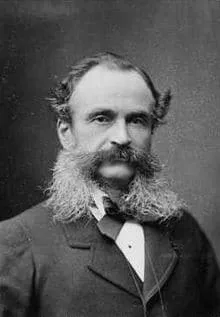
Finally, Sultan Ismail was hunted by the British to seize the Perak State Regalia because the British realized at that time that the people and the Malays would not respect or pledge loyalty to a Ruler who had not completed the traditional Malay Coronation Customs. The British eventually captured him and several of his followers. One of them, Dato' Domba Sedewa Raja Uda Bidin, a strong supporter of his, was sent by Lt. Colonel Anson to Singapore on the warship H.M.S. Ringdove. The Ringdove arrived in Singapore on March 26, 1876. After all the Regalia was handed over to Governor William Jervois on March 27, 1876. This story was heard by the Maharaja of Johor, Maharaja Abu Bakar, who ordered the British to send Sultan Ismail and his followers to the state of Johor, where they would be under the protection of the Maharaja of Johor (Maharaja Abu Bakar). Sultan Ismail was given a settlement in Skudai, Johor.
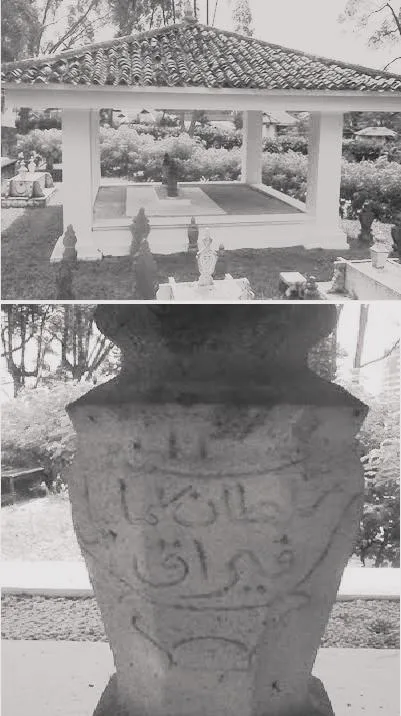
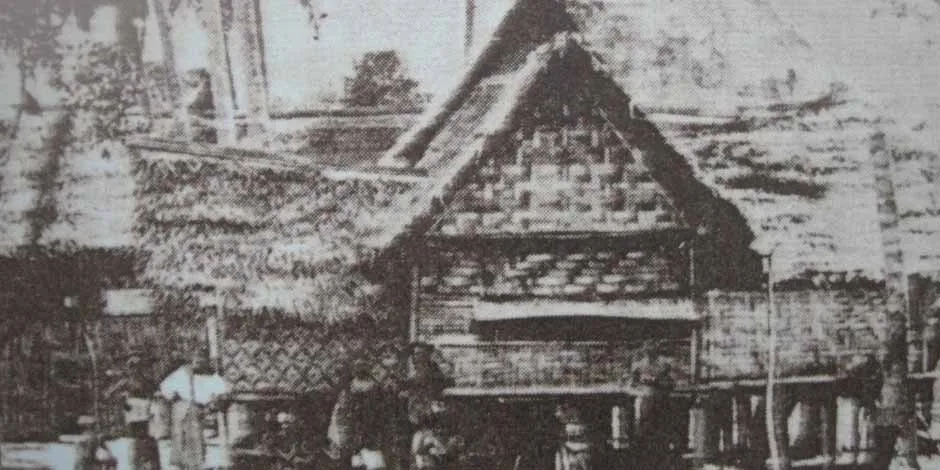
That is a brief history of the late Sultan Ismail Muabiddin Riayat Shah. It is said that while he reigned over the state of Perak, he resided on the throne at the palace in Tanjung Belanja. Pictures of his palace are displayed in several history books in our country and are sometimes shown at historical exhibitions organized within the country. When looking at the picture of the palace where he resided, it will surely cross the mind of every individual who sees it that, among all the palaces of the Perak Sultanate, only the palace of Sultan Ismail Al-Muabidin Riayat Shah is the most modest. The question is, is it true that what is shown is the actual palace of Sultan Ismail Al-Muabidin Riayat Shah, or is it otherwise?
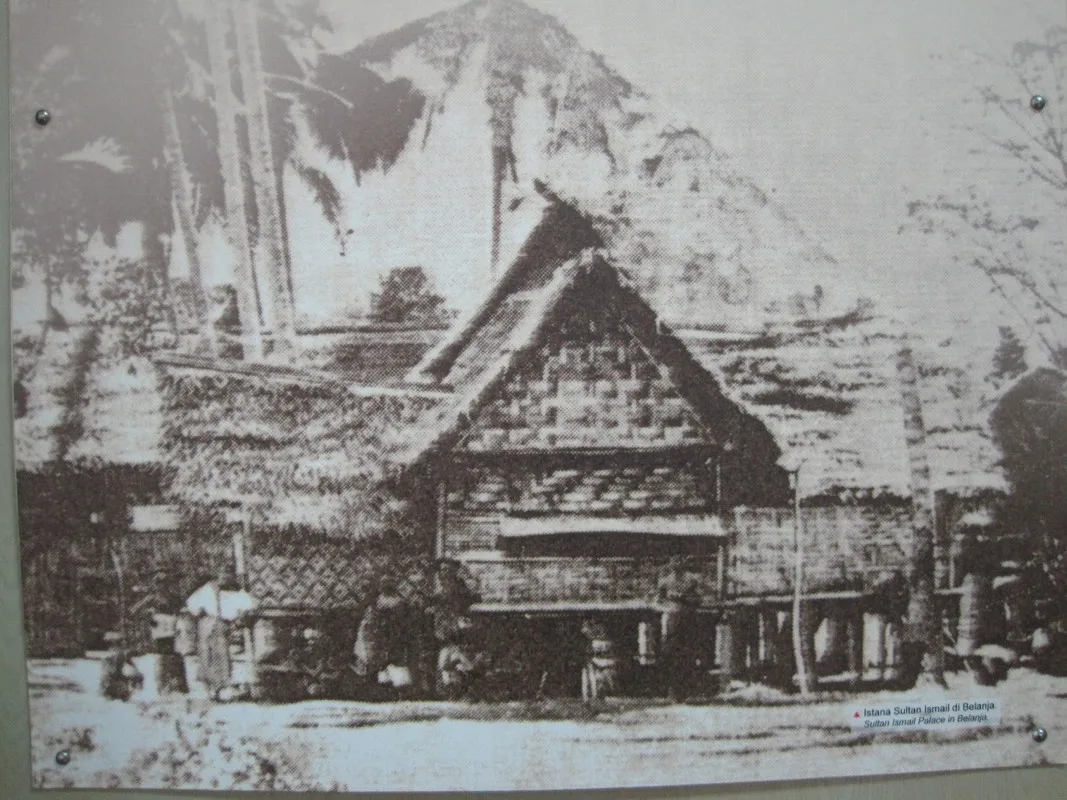
The picture is said to be the palace of Sultan Ismail in Belanja, Perak. This picture was taken in 1860. And it is absolutely not a palace as what has been said, shown, and taught to us by those who never felt the responsibility to impart knowledge to their own people. Even if it is just a supposed picture of a palace intended to be shown as educational material for generations to come, one must emphasize the responsibility of being a trustworthy disseminator or conveyor of historical knowledge regarding the origins of the Malay Sultanate.
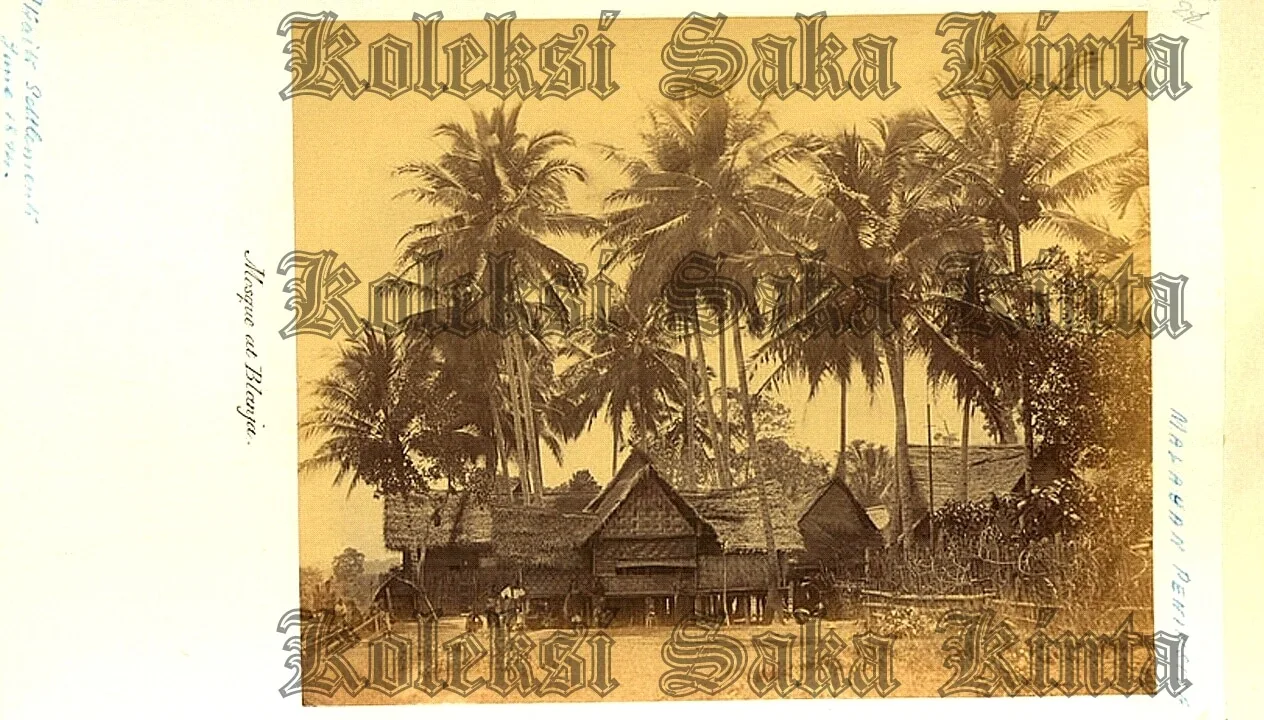
The picture is actually the first mosque built in Belanja, and it is not a palace where Sultan Ismail Al-Muabidin Riayat Shah resided, as has been claimed all this time. This can also be considered an insult and a belittlement of the dignity of the Malay Sultanate. The truth must be presented so that future generations will be a generation of truth, not lies. And now the question remains, where is the real palace of Sultan Ismail?
Kemumu in the middle of the town Blown by the wind, falling down If knowledge is led astray Like a tree that bears no fruit
Buying planks in the middle of the town Small planks made into a charm Why does the fish not take the bait Is the fishing line only a span long?
Be careful when fishing for mackerel Lest you be struck by the wolf herring Be careful when sharing knowledge Do not be a hypocrite, hated by others
- tokchangkatlanggor -