Perak Heads Towards 'Aged State' Status, Preparing Infrastructure for Senior Citizens
Perak Heads Towards 'Aged State' Status, Preparing Infrastructure for Senior Citizens
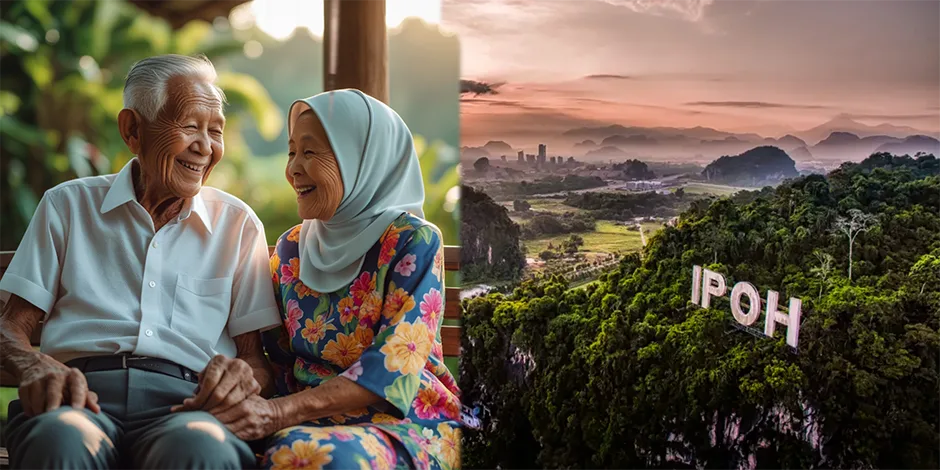
Perak, a state rich in history and natural resources, is now facing another major transformation – becoming the first state in Malaysia to reach "aged state" status by 2030.
According to statistics from the Department of Statistics Malaysia (DoSM), about 14.6% of Perak's population was aged 60 and above in 2023, and this figure is expected to rise to 18% within the next five years. This situation demands careful preparation, particularly in providing senior-friendly infrastructure.
What Is an 'Aged State'?
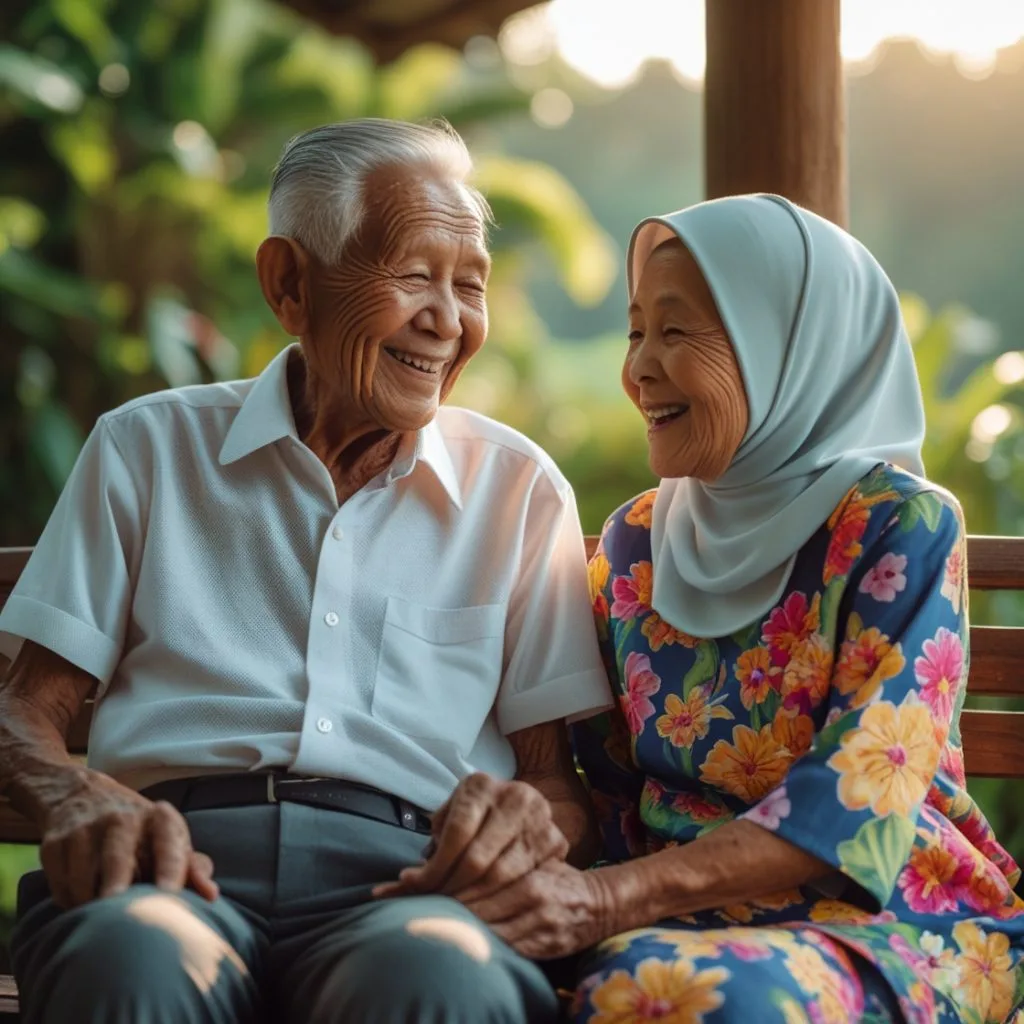
A state or country is categorized as "aged" when more than 14% of its population consists of individuals aged 65 and above. Malaysia as a whole is expected to reach this status by 2043, but Perak is projected to reach it earlier, in 2030.
This phenomenon reflects not only an increase in life expectancy but also a decline in birth rates, which is a global trend.
Infrastructure Challenges for Senior Citizens
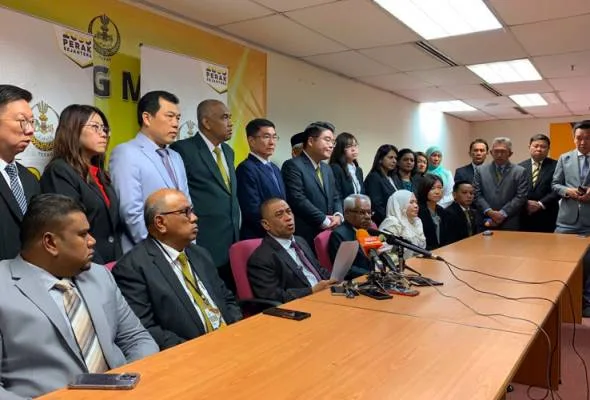
Perak State Housing and Local Government Committee Chairman, Sandrea Ng Shy Ching, acknowledged that the level of infrastructure in Perak needs to be improved to accommodate the needs of senior citizens. She emphasized the importance of auditing existing infrastructure, including buildings, public markets, and bus stops, to ensure they meet accessibility, safety, and comfort standards for the elderly.
Proactive Steps by the State Government
To address this issue, the Perak state government has taken proactive steps by involving various parties through the 'Sejahtera Warga Emas Komuniti Mesra Usia' (Prosperous Senior Citizen Age-Friendly Community) Program. One of the key initiatives is the proposed development of a Senior-Friendly Rating System.
This system will serve as a benchmark to assess whether a place, such as housing, government buildings, restaurants, and shopping malls, is truly friendly and safe for senior citizens.
The system will draw inspiration from the Green Building Index concept and include criteria such as:
- Infrastructure: Walkways, elevators, ramps, good lighting, and comfortable rest areas.
- Public Facilities: Access to public transport and senior-friendly restrooms.
- Housing: Safe, accessible, and suitable designs for limited mobility needs.
- Social: Senior activity centers, health services, and a socially friendly environment.
The Role of Local Authorities (PBT)
Local Authorities (PBT) play a crucial role in implementing policies and urban planning that are senior-friendly. Sandrea Ng emphasized that PBTs need to understand the needs of senior citizens before making appropriate plans. This includes ensuring that housing developments and public facilities meet accessibility and safety standards.
Economic Opportunities in Senior-Friendly Housing Planning
Beyond social aspects, senior-friendly housing planning also opens up economic opportunities. With the growing elderly population, demand for modern and comfortable retirement housing and care centers is expected to rise. This could become a new source of revenue for developers and investors.
Proposals to Improve Standards
Dr. Melody Ang Xing Yuen, Secretary-General of the Malaysia Association of Social Care Professionals and Homes (MASOC Care), suggested that the Care Center Site Planning Guidelines issued by PLANMalaysia be reviewed. Among other things, the building height limit for senior care centers, currently set at two stories, needs to be reviewed to allow for the construction of more modern and larger care facilities.
Inspiration from Japan: Fukuoka 100 Project
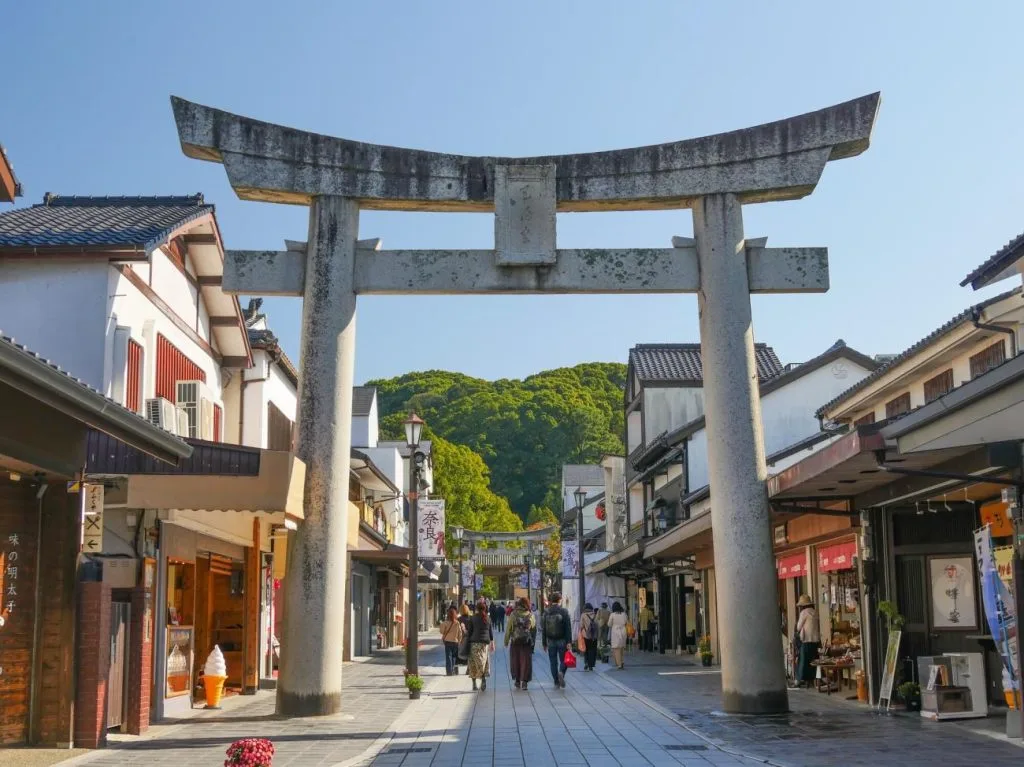
Malaysia can draw inspiration from the Fukuoka 100 Project in Japan, which emphasizes the 'kaigo' concept – a senior care system that covers care skills, housing, community building, and lifestyle. This project involves the entire community in creating a conducive environment for senior citizens and their caregivers.
Conclusion
Perak is rapidly heading towards 'aged state' status, and preparations to face this demographic change must be made immediately. With initiatives like the Senior-Friendly Rating System and close cooperation between the government, PBTs, and the private sector, Perak has the potential to become a model of an inclusive and sustainable age-friendly state.
These efforts will not only improve the quality of life for senior citizens but also open up new economic opportunities for the state.
With continuous commitment and effective implementation, Perak can be a pioneer in developing an environment that is truly senior-friendly, not just for the state itself but also as an example for other states in Malaysia.