Zero Invasive Fish in Sungai Perak Within 5 Years, This Is Our Responsibility
Zero Invasive Fish in Sungai Perak Within 5 Years, This Is Our Responsibility
Zero invasive fish in Sungai Perak within 5 years? It's possible, but not easy because it's more than just a hunting activity.
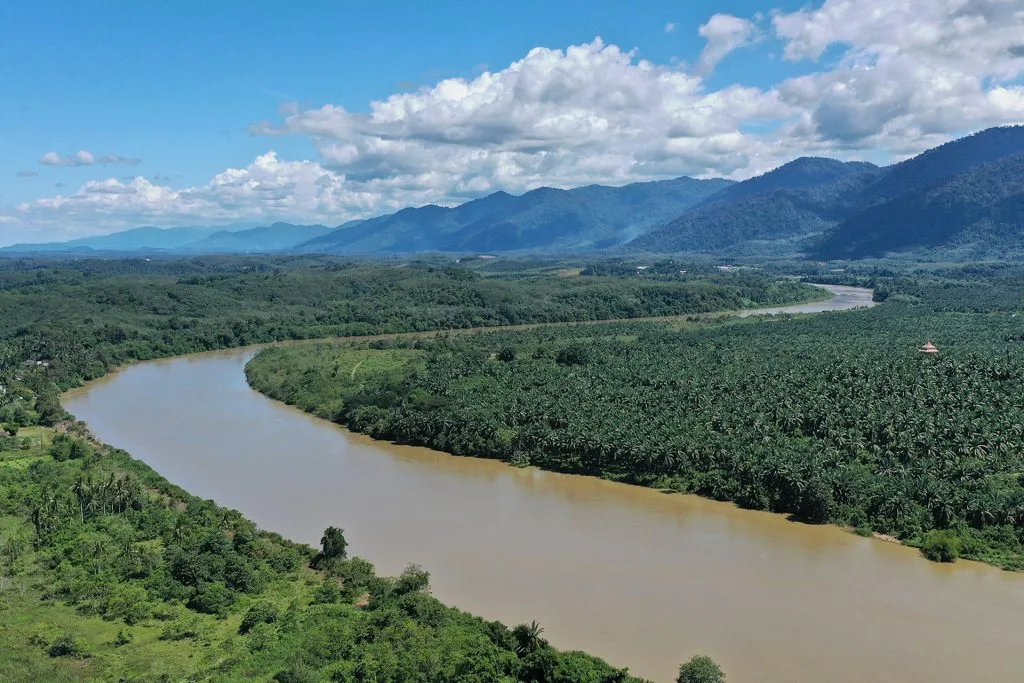
Sungai Perak is not just a waterway; it is a historical route, a source of livelihood, and a battlefield for modern ecological struggle. From Temenggor to the Teluk Intan estuary, this river holds thousands of stories, but today an urgent story is threatening it: the invasion of non-native, invasive fish species.
This issue has been raised for several years. Now, authorities have medium and long-term plans targeting a reduction in the dominance of invasive species within 5 years, but when we look at the situation in Sungai Perak, we know it won't be that simple.
Sungai Perak is the second-longest river system in Peninsular Malaysia. It not only supplies water to various dams along the river, such as the Temenggor, Kenering, and Chenderoh dams, but also serves as a habitat for hundreds of native fish species. Among those commonly found are the Lampam Sungai (Barbonymus schwanefeldii), Baung Sungai (Hemibagrus capitulum), Tengalan (Puntioplites bulu), Sebarau (Hampala macrolepidota), and many others.
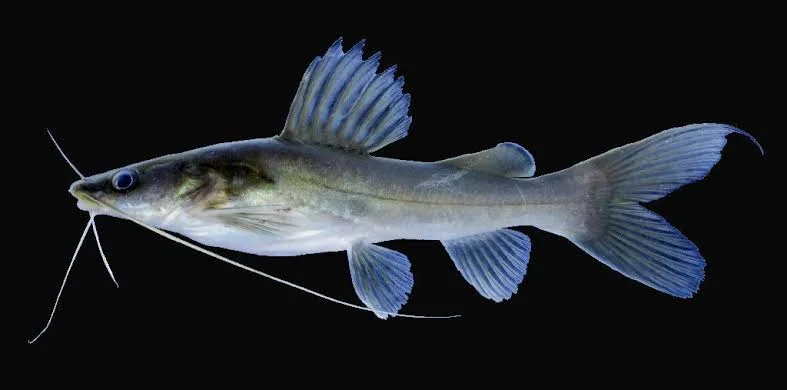
However, since the introduction of invasive fish over the past two decades—such as the Lampam Siam (Barbonymus altus), Peacock Bass (Cichla sp.), Baung Ekor Merah (Hemibagrus wyckioides), Jelawat Siam (Leptobarbus rubripinna), and various other foreign species—the landscape of this river has changed drastically.
According to a 2021 research report by a local university, more than 35% of fish catches in Sungai Perak now consist of non-native species, which is a worrying percentage for the Sungai Perak system.
But why is it difficult to eradicate them in a short period? Below, I share a few reasons.
1. Extraordinary reproduction rate of invasive fish
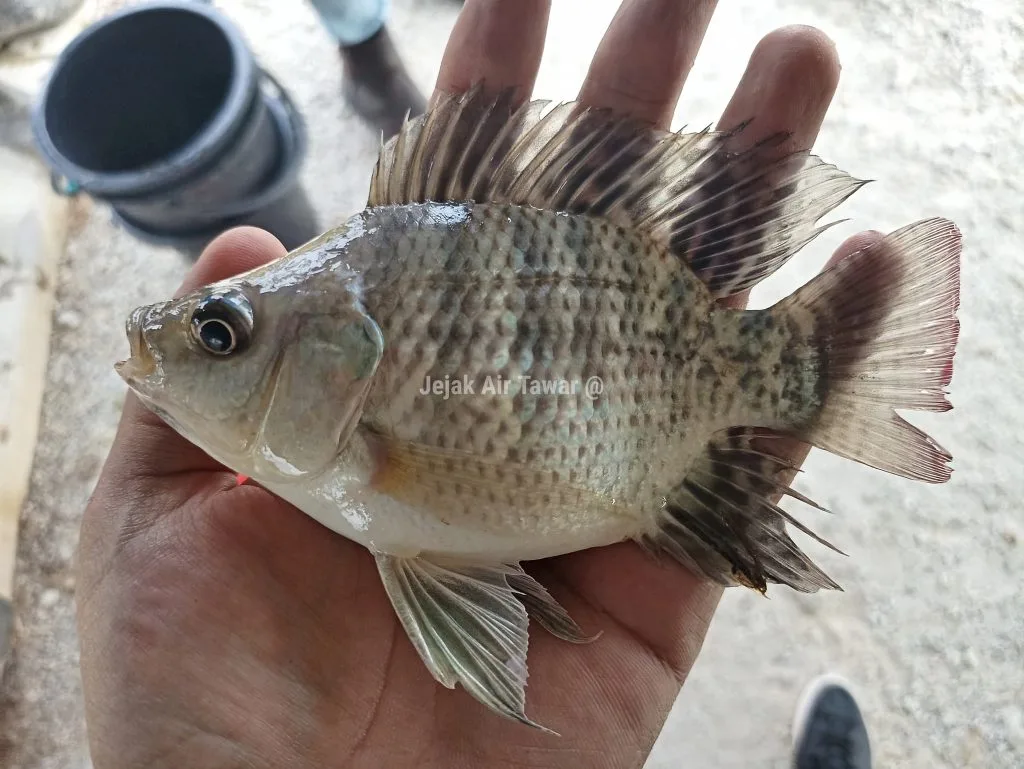
- Species like the Black Tilapia (Oreochromis niloticus), Lampam Siam, and Peacock Bass can breed more than 3 times a year, and a single female can produce hundreds of eggs. Without truly effective natural predators, their populations multiply uncontrollably.
- For example, if just two parent fish escape from a pond, mine, or broken cage into Sungai Perak, they are capable of producing hundreds of offspring within a few weeks.
2. Slow reproduction of native fish
- Several native fish such as the Temoleh (Probarbus jullieni), Batu Ulu (Barbichthys laevis), or Kelah (Tor tambra) are species that require clean, rocky, high-oxygen habitats and only breed during specific seasons. If the river flow is disrupted, the habitat is damaged, or the river is polluted, they will not breed at all. This gives invasive fish from ponds or farms the opportunity to take over, as farmed fish have higher resilience and can adapt to minimal environmental conditions.
3. Dams and river fragmentation
- The existence of 4 large dams on Sungai Perak has caused habitat fragmentation. It has separated wild fish populations and hindered natural breeding because some fish species that need to migrate upstream cannot cross the dams.
- Most invasive fish species are accustomed to spawning in various types of environments, so they do not need to migrate upstream to breed. However, they will still migrate upstream to survive when their population becomes too large and they begin to run out of food sources and habitat.
4. Lack of control over breeding ponds or cages
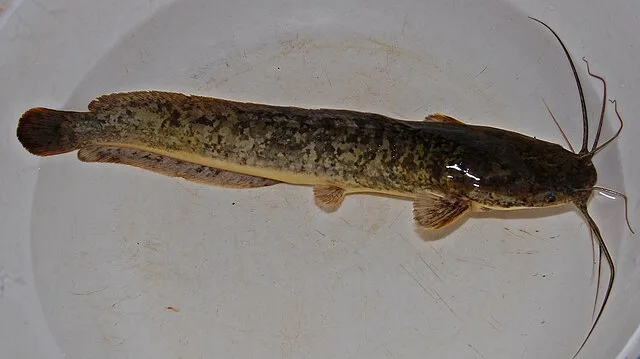
- Observations show that over 70% of freshwater fish ponds or cages around Perak farm foreign fish such as Black Tilapia, Jelawat Siam, African Catfish (Clarias gariepinus), Chao Phraya Catfish (Pangasius sanitwongsei), Siamese Catfish (Pangasianodon hypopthalmus), and many others. When heavy rain occurs, or during floods or cage failures, thousands of fish escape into the Sungai Perak basin system, causing a continuous cycle of invasion.
5. The release of foreign fish still occurs
- As everyone is aware, some ornamental fish owners, anglers, and religious practitioners still release foreign fish into Sungai Perak, its tributaries, or nearby lakes and mines connected to these streams out of pity, for sport fishing, or for rituals. Some breeders even engage in this prohibited activity to dispose of excess or unsold stock.
- Therefore, this is one of the reasons why the invasive fish population is difficult to reduce; even when as many as possible are caught and a population decline is shown, it seems to bounce back.
However, despite the major challenges, this 5-year target can still be achieved if actions are coordinated and carried out with layered strategies. Here are the important steps that must be implemented to ensure the target is met.
1. Population mapping to detect invasive fish hotspots
- This must be done more systematically using sonar technology, eDNA, and GPS tagging. We need to know the locations of high invasive fish populations along Sungai Perak. If we don't know which hotspots the invasive fish are dominating, we may fail to curb their breeding if we don't catch them before they spawn again.
2. Strict legislation and constant monitoring
- Monitoring of ponds, foreign fish cages, and aquarium shops must be improved. Every pond near the river must have flood barriers and water treatment systems for discharge, while river cages are prohibited from farming foreign fish. Ornamental fish sellers are forbidden from selling fish that are risky and potentially invasive. Briefings must be provided to educate customers not to release foreign fish indiscriminately, and it would be better if there were a record system for every sale, collecting buyer/owner information to be submitted to the Department of Fisheries for monitoring and inspection.
- Laws should allow for heavy fines and the closure of operations for breeding ponds that do not build flood barriers or are too close to the river, as well as for river fish cages that farm foreign fish.
3. Establishing guidelines for development, industry, and agriculture
Any form of disturbance involving the river or its surrounding areas, whether for development, industry, or agriculture, must comply with conditions to ensure it does not affect river water or damage the river structure, ensuring that native fish habitats remain safe and preserved for them to breed well.
4. Grassroots awareness campaigns
- Many ornamental fish owners, anglers, and small-scale breeders are unaware of the impact of releasing foreign fish into the river. In fact, not all native fish can be released indiscriminately outside their original distribution. Therefore, briefings, infographic materials, and campaigns for various parties and all locations must be intensified, regardless of whether it is in cities, villages, schools, or government agencies other than the Department of Fisheries.
5. Encourage 'Catch and Remove'
- Controlled fishing and netting activities to catch invasive fish species need to be encouraged and tightened. Whether disposed of or encouraged for use as a protein source, any catch-and-release of these species is an offense. As an alternative to direct disposal, they can be turned into animal feed, organic fertilizer, or commercial products.
- Additionally, bag limit systems and guidelines on permitted sizes for native fish catches must be enforced to prevent the exploitation of native fish.
Sungai Perak is a heritage that can still be saved; there is still a glimmer of hope. A 2020 study by Universiti Kebangsaan Malaysia (UKM) showed that several deep pools in the upper reaches of Sungai Perak still maintain high original biodiversity with stable, though very limited, native fish populations. Therefore, we need more conservation areas and to turn them into 'safe houses' for native fish to breed successfully.
- Furthermore, experiences from countries like New Zealand and Japan prove that invasive fish removal programs can succeed if carried out continuously and involve the community. This has already been proven in several places in our country, such as lakes, mines, and rivers, where some hotspots have experienced a decline or loss of various invasive fish species due to continuous and consistent fishing activities.
Sungai Perak belongs to us all; we can no longer let it become an 'open breeding pond' for invasive species. If today's generation is negligent, future generations will live with a river ecosystem that is already damaged and useless to them.
The 5-year period is a signal, not just a number; it is a benchmark for us to start moving today. I believe that if all parties unite and agree, from the ministry down to anglers, fishermen, ornamental fish owners, and NGOs, Sungai Perak can come back to life. And when it returns, it won't just be the native fish that reclaim their dominance; it will also be the dignity of the nation's ecosystem.
Original article by Jejak Air Tawar