Victoria Bridge, A Landmark of Railway Transport Progress in Malaya
Victoria Bridge, A Landmark of Railway Transport Progress in Malaya
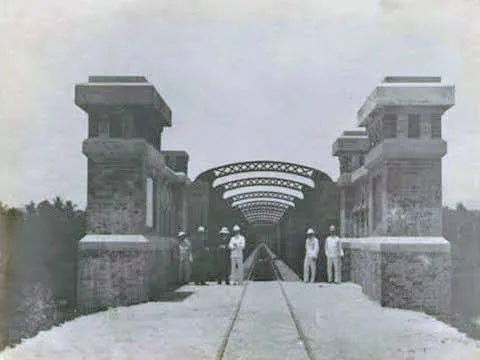
On March 21, 1900, a historic event was recorded in Kuala Kangsar, Perak, with the inauguration of the Victoria Bridge, the longest railway bridge in Malaya at that time. This bridge, which spans the Perak River, is not just an impressive engineering structure, but also a symbol of progress and unity in the railway transport system in Malaya.
The inauguration ceremony was performed by the Resident-General of the Federated Malay States, Sir Frank Swettenham, in the presence of the Sultan of Perak, Sultan Idris Murshidul Azam Shah, and the Raja Perempuan of Perak, who also graced the event. Their presence highlighted the importance of this project to the development of the state and the surrounding region.

Background of the Victoria Bridge Construction
The construction of the Victoria Bridge was part of a grand plan to connect major towns in Malaya, specifically Ipoh and Taiping, via Kuala Kangsar. This project was seen as a crucial step in driving the economy and facilitating the movement of goods and passengers.
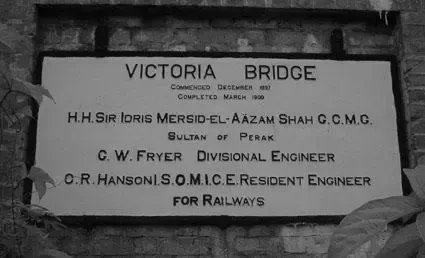
The two engineers responsible for designing this bridge were G.W. Fryer and C.R. Hanson. The construction of this bridge aimed to facilitate the transport of tin ore at that time. Sir Frank Swettenham, in his speech during the inauguration ceremony, emphasized that this bridge would not only facilitate connections between towns but would also bring great profits through more efficient railway transport.
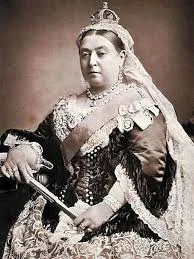
The Victoria Bridge was named after Queen Victoria, the British monarch at the time, as a tribute to her. Its construction cost nearly $325,000, a significant amount in that era. This high cost reflected the importance of this project to the British government, which viewed Malaya as a strategic territory for their economic and political interests.
Challenges in Construction
Construction of the Victoria Bridge began in April 1897, but the process did not go smoothly. The project was delayed several times due to major floods that hit the area. The floods not only damaged the structures under construction but also slowed down the work. As a result, the bridge was only completed in 1900, later than the original expectation of 1899. Despite facing significant natural challenges, the success in completing this bridge proved the diligence and efficiency of the engineers and workers involved.
Significance of the Victoria Bridge
The Victoria Bridge is more than just a railway bridge; it is a symbol of technological and engineering progress of its time. With its length spanning the Perak River, this bridge became a vital link between major towns in Perak. It facilitated the transport of tin ore, which was the main economic source for Malaya at the time, from mining areas to ports for export. Additionally, the bridge also played an important role in facilitating the movement of people, thereby strengthening ties between different communities.
The opening of the Victoria Bridge also marked the beginning of a new era in the railway transport system in Malaya. Railways, which were previously limited to certain areas, could now reach further, opening new opportunities for economic and social development. This bridge became the foundation for a wider railway network, which eventually connected the whole of Malaya.
Contribution to Economic Development
Economically, the Victoria Bridge had a major impact. By facilitating the transport of tin ore, the bridge helped increase the production and export of this valuable commodity. Furthermore, it also facilitated the transport of other goods such as rubber and agricultural produce, which were becoming increasingly important in the Malayan economy in the early 20th century. The presence of this bridge also attracted foreign investors, who saw great potential in infrastructure development in Malaya.
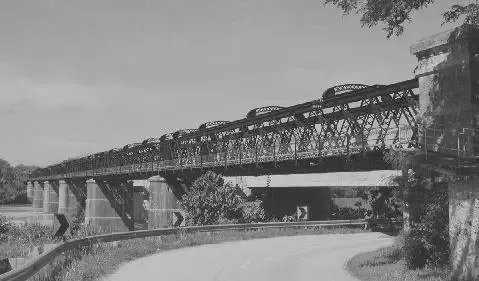
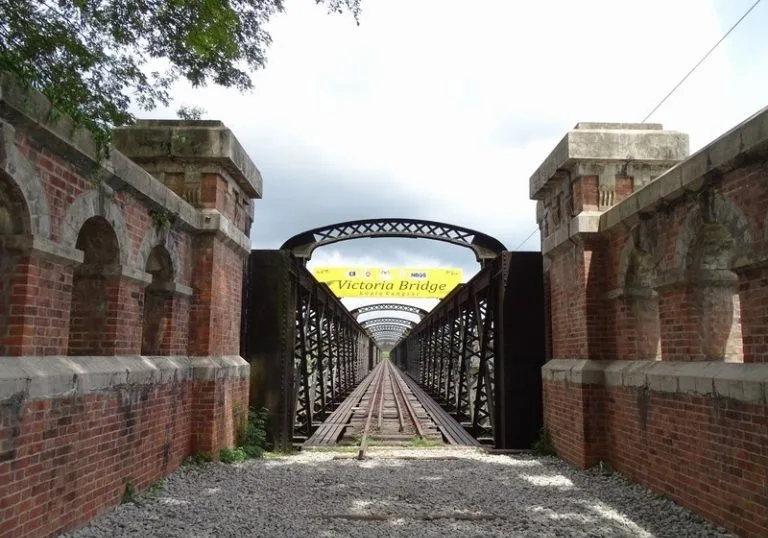
The bridge has six sturdy pillars made of red brick. Sir Frank Swettenham once stated that the Victoria Bridge was the largest railway bridge in the East outside of India.
During the Second World War, the bridge was bombed and, according to local stories, it was split in two. This highlights how important the bridge was as a transport route back then. An interesting fact about why it was named Victoria Bridge: First, it was named after Queen Victoria because its construction began in 1897, the year of Queen Victoria's Diamond Jubilee. Second, by the time construction was completed, South Africa was fully under Queen Victoria's rule.
Legacy of the Victoria Bridge
To this day, the Victoria Bridge remains one of the historical landmarks in Malaysia. Although transport technology has developed rapidly, this bridge continues to be a symbol of engineering success and meticulous planning. It also reminds us of the importance of infrastructure in shaping a nation's future.
The Victoria Bridge is not just a structure of stone and iron; it is a testament to the vision and hard work of those involved in its construction. It also reflects the cooperation between various parties, including the British government, local dignitaries, and ordinary citizens, who worked together to achieve progress.
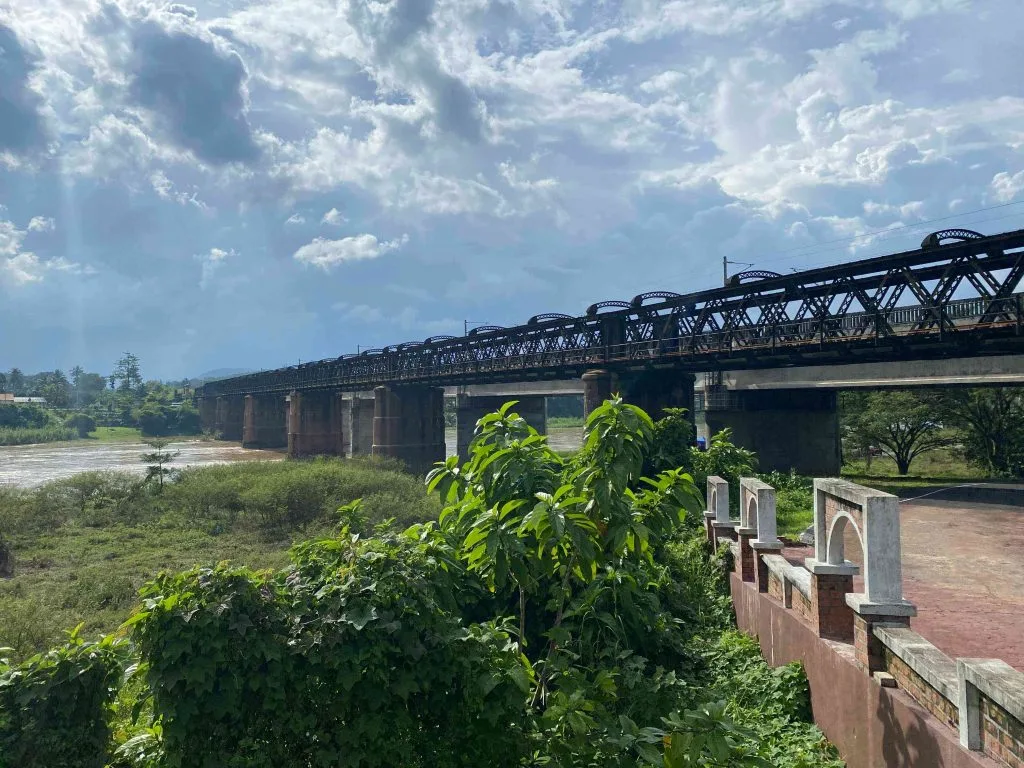
Today, the bridge is no longer in use since 2002 because a concrete bridge was built to replace the role of the Victoria Bridge, and it has been turned into a tourist attraction. However, local residents still use this bridge to cross the Perak River by motorcycle and on foot.
The opening of the Victoria Bridge on March 21, 1900, was a significant event in the history of Malaya. It not only marked progress in engineering and transport but also brought major economic and social changes to society. The bridge remains a symbol of progress and unity, reminding us of the importance of infrastructure in developing a nation. The legacy of the Victoria Bridge lives on, serving as a witness to the history and rapid development of Malaysia.