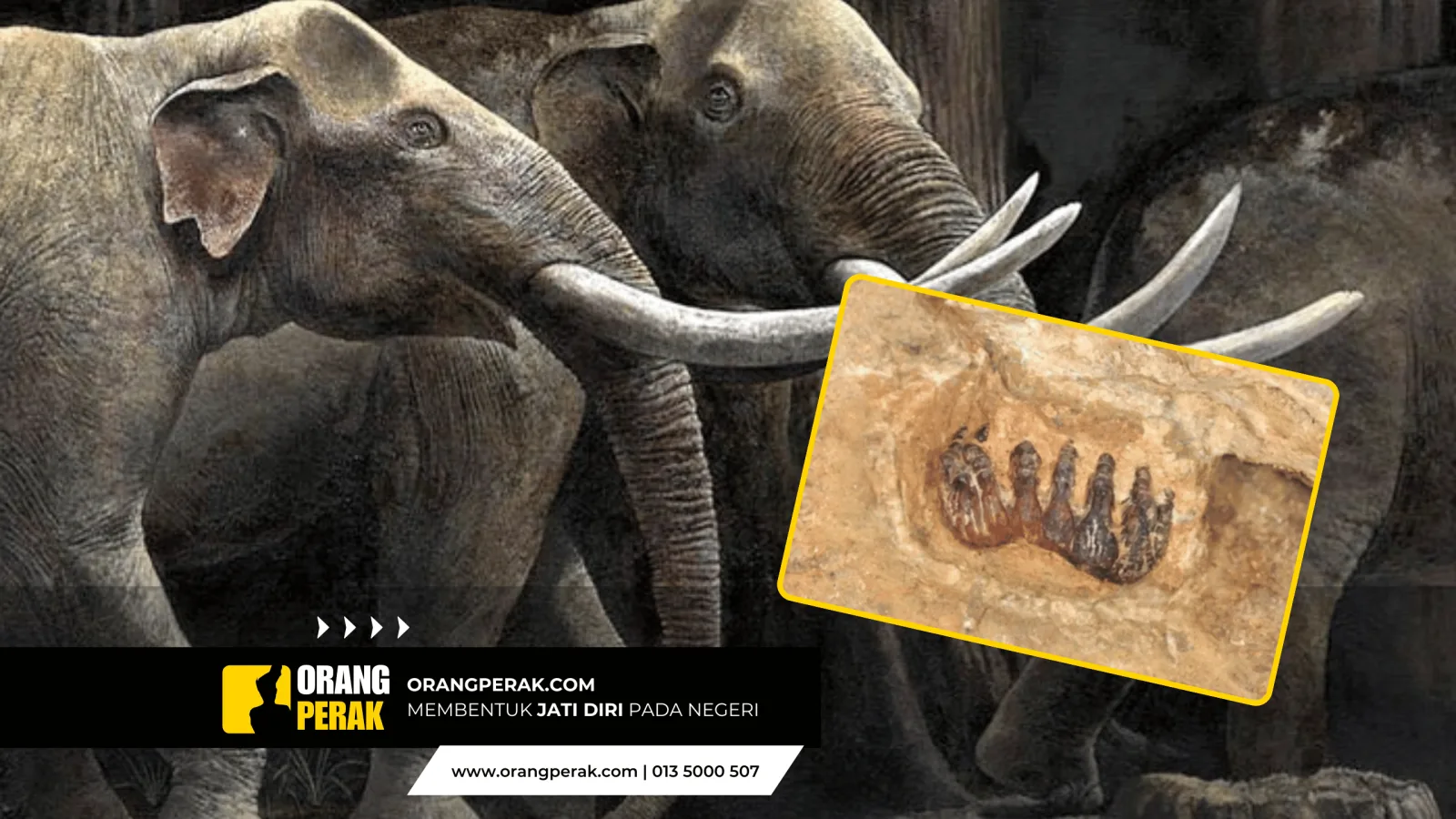
Discovery of Stegodon Fossil in Gua Gopeng, Perak: New Evidence of Ancient Mammal Evolution in Southeast Asia
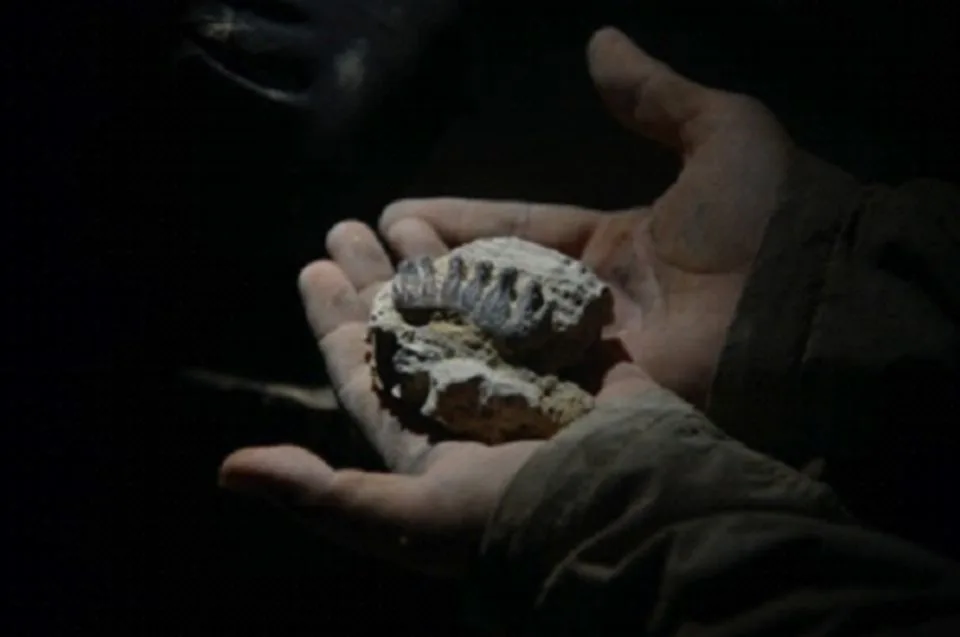
The discovery of a Stegodon tooth fossil, a type of ancient elephant, in Gua Gopeng, Perak in 2017 is one of the most valuable paleontological findings in Malaysia. This fossil is believed to be between 199,000 and 233,000 years old, making it one of the earliest pieces of evidence of Stegodon presence in Peninsular Malaysia. This discovery also clarifies that the tropical region of Southeast Asia was once a primary habitat for large mammals.
The fossil was found partially embedded in a limestone cave wall. This discovery reinforces the role of the Kinta Valley as a high-value area for geological and prehistoric biological research. Further research using technologies such as micro-CT and luminescence dating techniques has successfully provided precise information regarding the structure and age of the tooth.

A combination of media and scientific studies shows that this discovery is not only important in terms of history but also serves as a starting point for various follow-up research related to evolution, migration, and ancient environments in this region. It also proves Malaysia's potential in contributing to global paleontological studies.
Discovery Location in Gua Gopeng
The cave where this discovery was made is located in the limestone area of Gopeng in the Kinta Valley, Perak. It is a geological area rich in history and has high potential as a geopark site. The stable karst conditions aid in the preservation of fossils and make it a strategic location for archaeological and paleontological exploration.
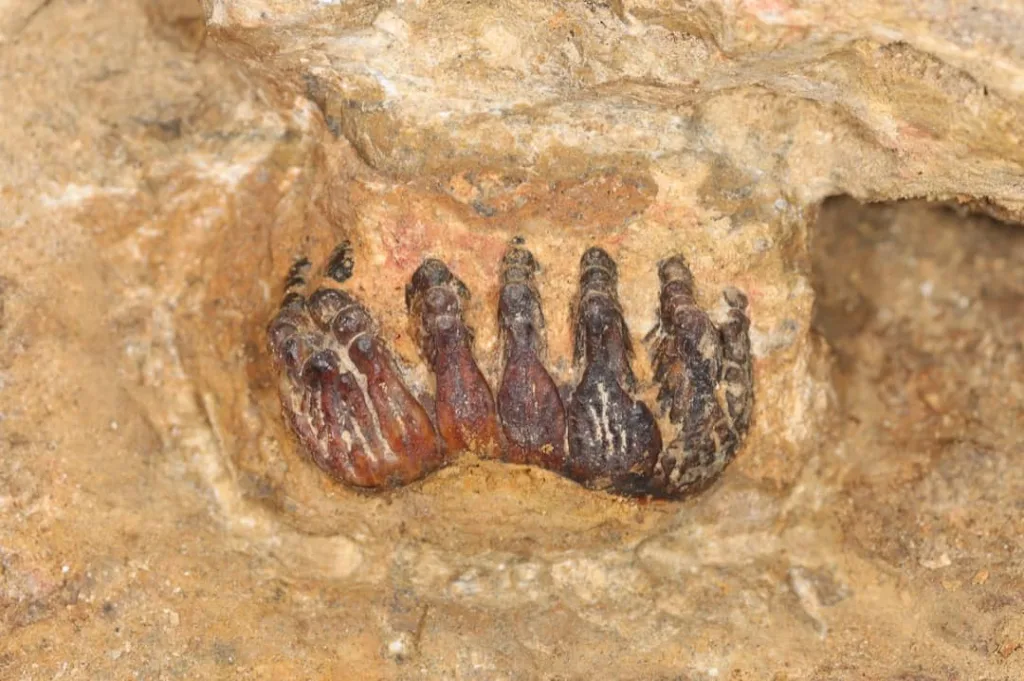
The cave is known as part of a limestone cave system that has formed over millions of years. The Stegodon fossil was found in a breccia layer — rock containing fragments of other rocks that have hardened. This structure provides a natural environment suitable for the preservation of fossils for hundreds of thousands of years.
Local residents and nature enthusiast groups such as Kinta Valley Watch also played a role in identifying the area. Community involvement in the preservation of this geological heritage is crucial to ensure that this historically valuable area is not destroyed by human activities such as quarrying and uncontrolled development.
Scientific Analysis and Age Determination
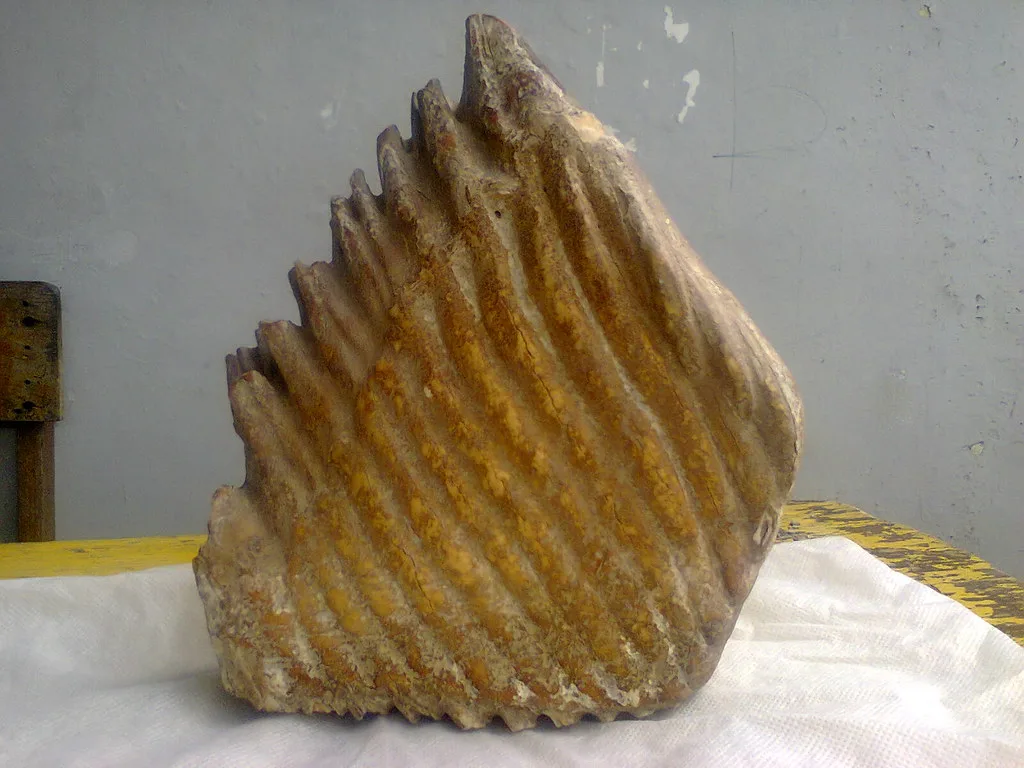
The fossil discovered is a milk tooth (molar dp3) that shows unique characteristics compared to other Stegodon species. Researchers used micro-CT technology to digitally scan the internal structure of the fossil, subsequently producing a 3D model for detailed analysis. This method allows studies to be conducted without damaging the fragile fossil.
To determine the age of the fossil, two methods were used. The pIR-IRSL (post-infrared infrared stimulated luminescence) technique on feldspar particles in the rock matrix provided an estimated age of between 199,000 and 233,000 years. Meanwhile, the U-series technique on the flowstone located above the fossil supported the findings with an estimated lower bound of 35,000 years.
This information slightly contradicts early media reports that estimated the age to be around 30,000 to 80,000 years, but it demonstrates a research process that is constantly evolving alongside new technology and data. This makes the discovery even more valuable as it provides a historical picture that goes much further back than expected.
Morphological Characteristics and Taxonomic Diversity
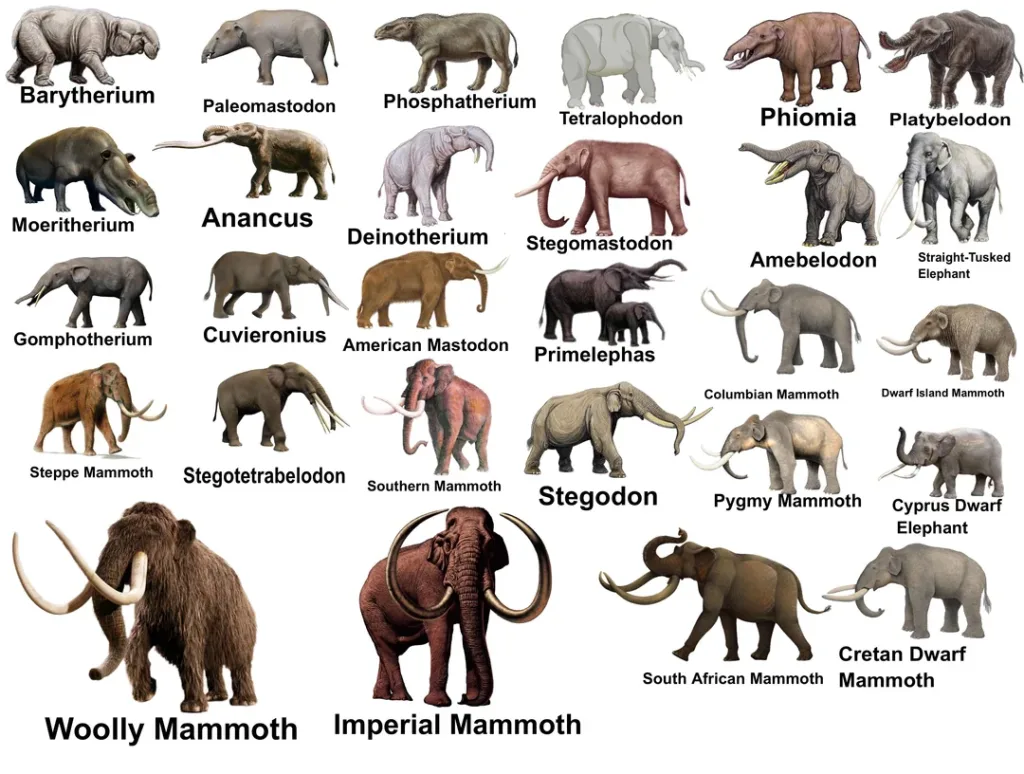
Analysis of this Stegodon tooth revealed unique characteristics that do not fully match known Stegodon species such as Stegodon orientalis or S. trigonocephalus. Among the interesting features are the high number of tooth plates, the thin shape of the plates, and the wear pattern which suggests it may have belonged to a young individual.
The existence of a tooth with a different combination of morphology raises the possibility of a more complex diversity of Stegodon species in Southeast Asia. This fossil also shows that the evolution of ancient elephants in the tropics may have been more diverse and adapted to different environments than those found in other areas such as China or Indonesia.
Comparison with other fossil collections from Southeast Asia suggests that there may have been a distinct lineage for Stegodon in Peninsular Malaysia. Further study of similar fossils in the future is needed to confirm the existence of a unique local species.
Biogeographical and Natural History Implications
The discovery of the Stegodon in Gua Gopeng reopens the discussion on how large prehistoric animals moved across the land of Southeast Asia. With the position of Peninsular Malaysia as a meeting point between Indochina and the Nusantara archipelago, this fossil may be important evidence for ancient migration routes.
It also shows that tropical areas like Perak were not just transit routes, but also served as permanent habitats for large mammals during the Pleistocene epoch. This adds to the value of Gua Gopeng as an important location in the biogeographical history of Asian mammals.
Furthermore, with more new discoveries, Malaysia has the potential to become a major hub in the study of ancient fauna evolution in this region. It also provides an opportunity for a new generation of local researchers to explore natural history from a deeper scientific perspective.
Site Protection and Future Recommendations
One of the issues arising from this discovery is the urgent need to protect the Gua Gopeng area from destructive activities. Efforts toward gazetting this area as part of the Kinta Valley Geopark should be accelerated.
Fossils like this are very easily damaged or lost if the area is not protected. Without legal protection, this high-value geological heritage is at risk of extinction before it can be fully studied. Therefore, cooperation between the state government, universities, and the public is essential.
In the future, this area could also be turned into a research site and open science education center, as well as a geology-based tourist attraction. It would not only benefit researchers but also the local economy through heritage tourism.