Tin Mining in Perak
Tin mining in Perak is not a new phenomenon. In fact, it may have been ongoing since before the reign of the 11th Sultan of Perak, dating back to the early 16th century.
The arrival of the Dutch in Perak can be seen through the remnants of the Dutch Fort (Kota Belanda) now located on Pulau Pangkor. This Dutch Fort on Pulau Pangkor was built in 1670 during the reign of the 11th Sultan of Perak.
The Dutch Fort on Pulau Pangkor
was originally used as a warehouse to store tin ore, serving as a collection center for tin obtained from the state of Perak.
Tin Mining in Perak
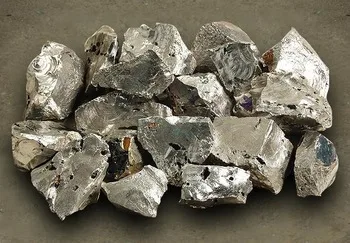
It is undeniable that the state of Perak was once one of the world's leading tin producers, which attracted the interest of the Dutch East India Company (VOC) to control and monopolize the trade. Records in the Misa Melayu book written by Raja Chulan briefly describe the reigns of the 13th and 14th Sultans of Perak, and fully cover the 15th Sultan of Perak. In that book, there is some mention of the agreement between the Dutch and the 15th Sultan of Perak to build
the Dutch Fort at Pengkalan Halban
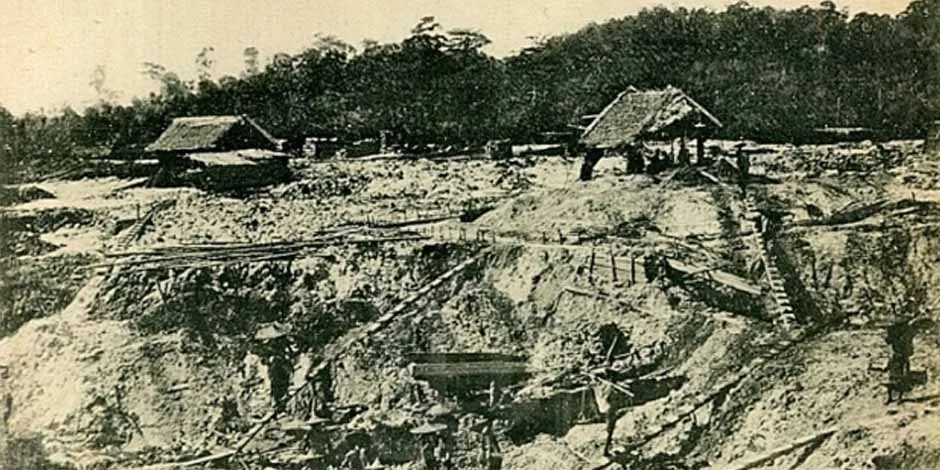
and an agreement regarding tin mining in the state of Perak. During that era, most tin mining activities were carried out by the Malay people using traditional methods such as panning (mendulang) and sluicing (melampan).
Who is Long Jaafar?
The name Long Jaafar is no stranger when we talk about tin in Perak. He was one of the great icons among the Malays who engaged in tin mining activities.
Long Jaafar was the individual who first discovered tin in the Larut area
and he began operating it in 1848, eventually becoming one of the wealthiest individuals.
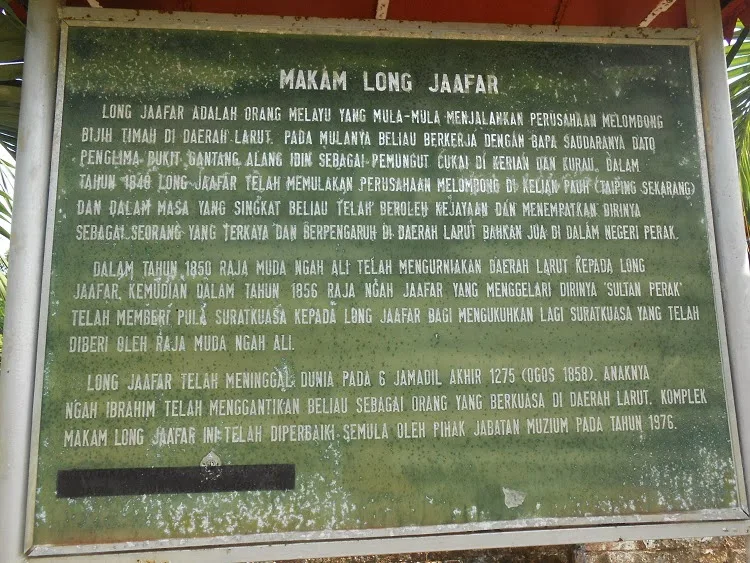
Ngah Ibrahim
was the son of Long Jaafar and is also a major name in the tin mining industry in Perak. He was exiled to the Seychelles for being implicated in the murder case of J.W.W. Birch.
Methods and Ways of Mining Tin
Generally, there were 4 main methods and ways, each of which evolved alongside technological developments at the time to mine tin.
- Panning (Mendulang)
- Open-cast Mining
- Gravel Pump Mining
- Dredge
Panning - This activity is usually carried out in rivers or any former mining area. The soil in the pan is sifted to separate the tin ore from the earth. Open-cast Mining - Land areas containing tin ore are excavated using excavators, and the soil is transported to a cleaning plant by truck. The plant separates the tin ore from all foreign materials. Gravel Pump - Usually, the gravel pump method to obtain tin ore is done at the foothills. High-pressure water jets are needed to break down the soil structure containing the tin ore. Dredge - It is like a factory that can float on an artificial or natural lake. The dredge excavates the soil containing tin ore, and the separation of the tin ore is carried out inside the dredge.
Kinta Tin Mining Museum

For more in-depth information about the history of tin mining in Perak, you can visit the Kinta Tin Mining Museum located in Kampar, Perak. This museum was opened on October 24, 2012, and the establishment of the museum was inspired by Tan Sri Hew See Tong, a former tin mine owner for 40 years from 1949 to 1989.
- Free admission
- Monday to Friday (9.00 am to 1.00 pm)
- Saturday and Sunday (9.00 am to 4.00 pm)
- Website : http://kamparmuseum.com.my
Tanjung Tualang Tin Dredge No. 5 (TT5)
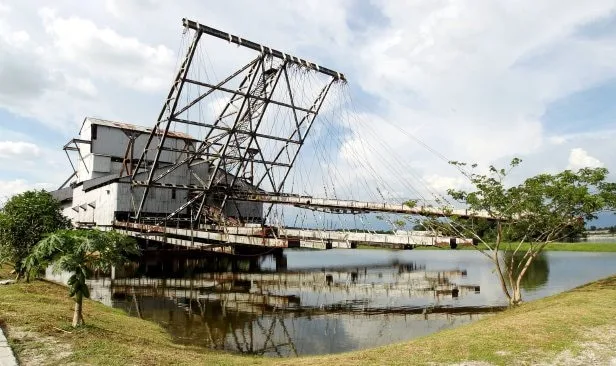
The first dredge introduced in Malaysia
was in 1913 by Malayan Tin Dredging Limited in Batu Gajah, Perak. Meanwhile, the last new dredge built in Malaysia was in 1985. Tanjung Tualang Tin Dredge No. 5 (TT5), built in 1938, underwent an upgrade from a coal-fired steam engine to being fully electric in 1963. Visiting Hours:
- 9.00 am to 6.00 pm (Tuesday to Sunday)
Ticket Prices:
- Adult (13-64 years old) - MyKad RM10.00 | Non-MyKad RM20.00
- Senior Citizen (65 years and above) - MyKad RM5.00 | Non-MyKad RM20.00
- Children (6 years and below) - FREE
You can still visit the remains of the Tanjung Tualang Tin Dredge No. 5 (TT5) which is still located at Batu 5, Jalan Tanjung Tualang. This dredge is now under the supervision of the Perak Department of Museums and Antiquities.