The Story of Why Taiping Did Not Become the Capital of Perak
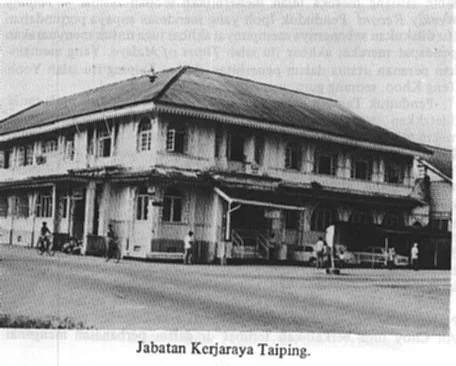
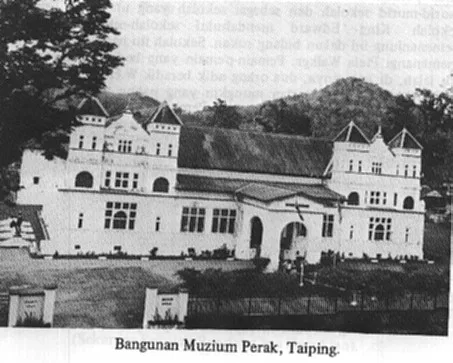
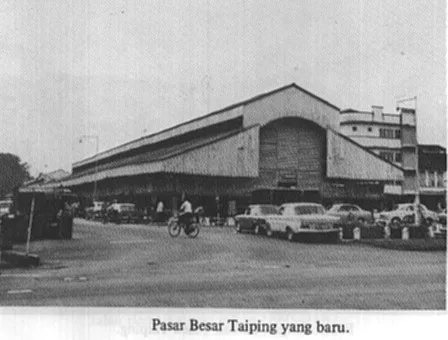
Everyone knows how rich the town of Taiping is in historical landmarks compared to other areas. The remnants of British colonial architecture can be seen in abundance around Taiping, proving that it was one of the oldest planned towns in Malaysia.
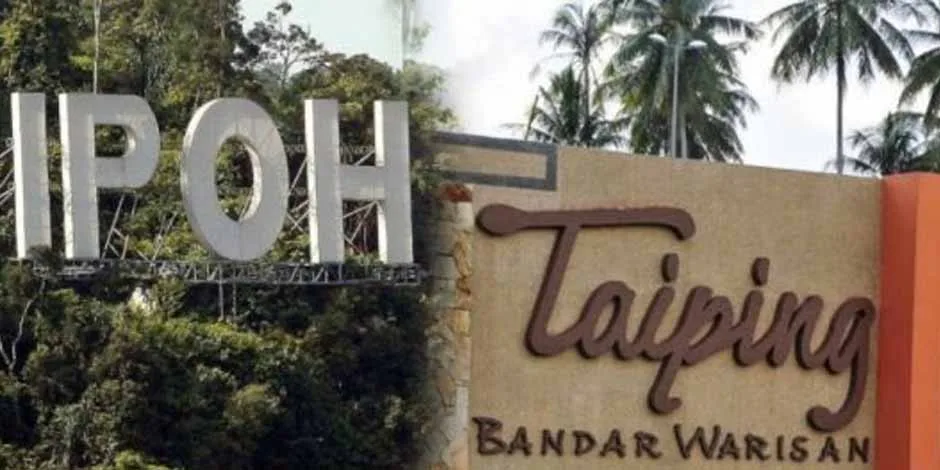
It all began in 1927 when a proposal was raised to relocate all administrative centers from the town of Taiping to the city of Ipoh. This proposal was put forward because Ipoh's economy was rapidly advancing and expanding at the time. For your information, loyal readers of orangperak.com, the proposal to move the Perak state administrative center from Taiping to Ipoh, as mentioned, was actually suggested by the British High Commissioner, Sir Hugh Charles Clifford, during a Federal Council meeting.
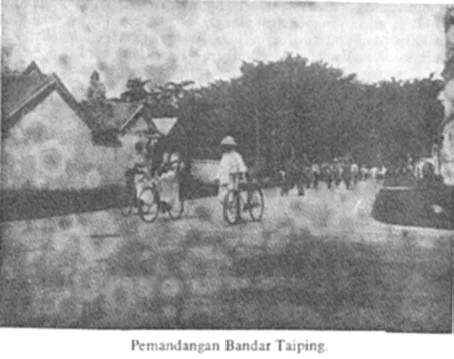
Since the proposal was mentioned in the 1927 meeting, no follow-up action was taken to plan the relocation of the Perak state administrative center to the new location in Ipoh. Many assumed the proposal was rejected due to opposition from the residents of Taiping.
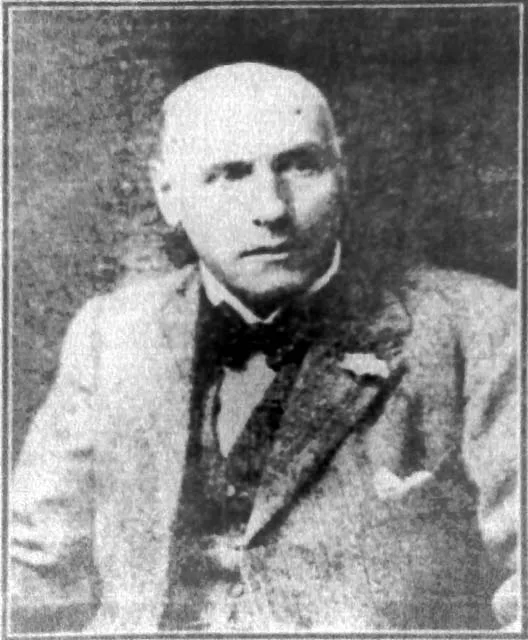
Sir Hugh Charles Clifford
Ten years later, in 1937, the proposal originally suggested by Sir Hugh Charles Clifford to move the Perak state administrative center from Taiping to Ipoh suddenly became a reality. Planning was carried out, and the relocation was to be conducted in stages, with the process expected to take seven years. This plan was considered bad news for the residents of Taiping, who were already comfortable with the state administrative center being in their area. Highly educated individuals fluent in English spoke out loudly on behalf of almost all Taiping residents who were dissatisfied with the decision to realize the relocation.
Protest after protest by the residents of Taiping was ignored by the British, leading to the creation of a local newspaper called the Taiping Weekly Record. All the protests and grievances of the Taiping residents were channeled through the newspaper. Yeoh Teng Khoo was the individual who played a crucial role in the effort to publish the Taiping Weekly Record. At the same time, residents in Ipoh pressured the British to accelerate the relocation process because they saw it as a major opportunity and a new gold mine for their economy. Those in Ipoh also published a local newspaper called the Times of Malaya to voice their opinions on the benefits of moving the administrative center.
Among the arguments presented to strengthen the Taiping residents' opposition to the relocation of the Perak state administrative center were as follows:
- Taiping was the first and the foundation of a well-organized administrative center.
- Taiping has many thriving businesses.
- Taiping has a multiracial population living in peace and harmony.
- Taiping is the most established town and its location is the most strategic in the state of Perak.
- Taiping symbolizes peace, tranquility, and prosperity (everlasting peace), which is the meaning of the word Taiping itself.
Residents in Taiping also emphasized constitutional, historical, and economic rights that made Taiping worthy and deserving of being maintained as the first city in Perak, and thus continuing to serve as the administrative center of the state without changing its location.
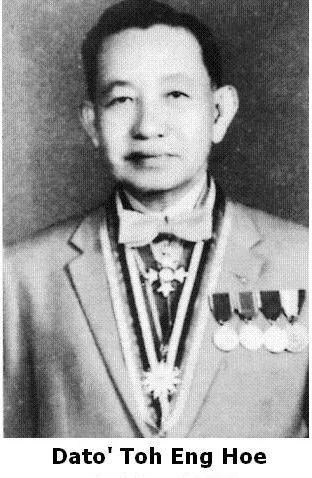
According to the residents around Taiping, even though the economy in Ipoh was growing, its economic sector was solely based on tin, which would eventually decline and turn into a ghost town, as had happened in many other locations. Prominent figures such as Dato' Toh Eng Hoe, who was a member of the State Council, repeatedly debated the protests regarding this issue that troubled the residents of Taiping. However, all protests and efforts by the residents of Taiping failed and were unsuccessful because the relocation plan proceeded regardless.
Finally, the process of moving the Perak state administrative center from Taiping to Ipoh began in 1937, during which time the Second World War and the Japanese occupation were taking place. Although the war was ongoing, the relocation process was only slightly disrupted and was continued by the British. When the Japanese occupation of Malaya ended in 1945, the relocation of the administrative center was fully carried out to Ipoh. Since that day, Taiping has indirectly remained the second most important town in the state of Perak to this day.
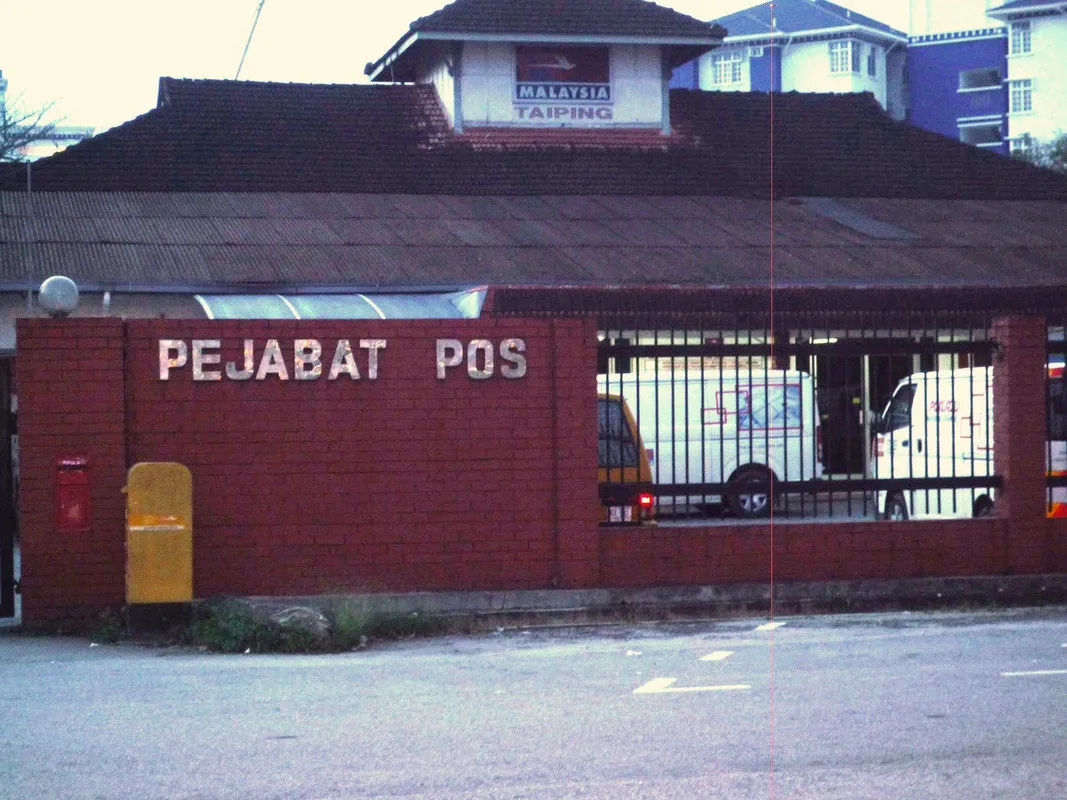
Taiping Post Office
For your information, loyal readers of orangperak.com, there are many remnants that still exist and can be seen from when Taiping was the capital of Perak. Although most of them are weathered by time and no longer in use, they serve as evidence of Taiping's glory in the past.