The Story of the Battle of Kampar Between the British and Japanese (1941-1942)
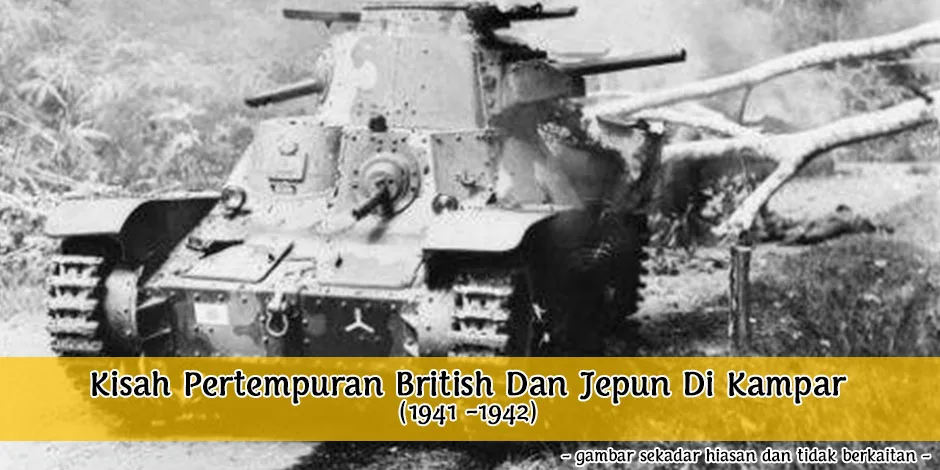
The Battle of Kampar, which began on December 30, 1941, and ended on January 2, 1942, was a World War II conflict involving British and Indian troops from the 11th Indian Infantry Division and the 5th Division of the Imperial Japanese Army.
On December 27, in an effort to prevent the British RAF airbase in Kuala Lumpur from being captured, the 11th Indian Infantry Division established a defensive position in Kampar, which also possessed strong natural defensive features. They were also tasked with blocking and delaying the Japanese advance until the 9th Indian Infantry Division had enough time to complete their withdrawal from the east coast of the peninsula.
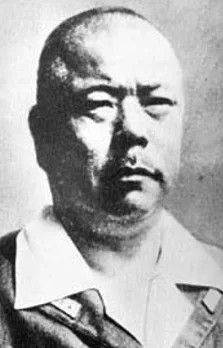
The Japanese army aimed to capture Kampar as a New Year's gift for Emperor Hirohito, and on December 30, they began to surround the British and Indian positions. The battle commenced the following day. The Allied forces managed to hold their ground for four days before retreating on January 2, 1942, successfully achieving their objective of slowing down the Japanese advance.
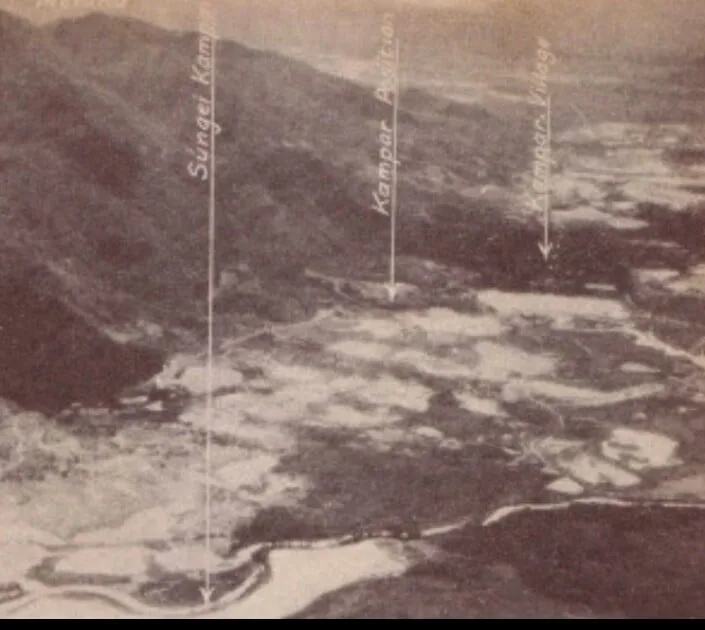
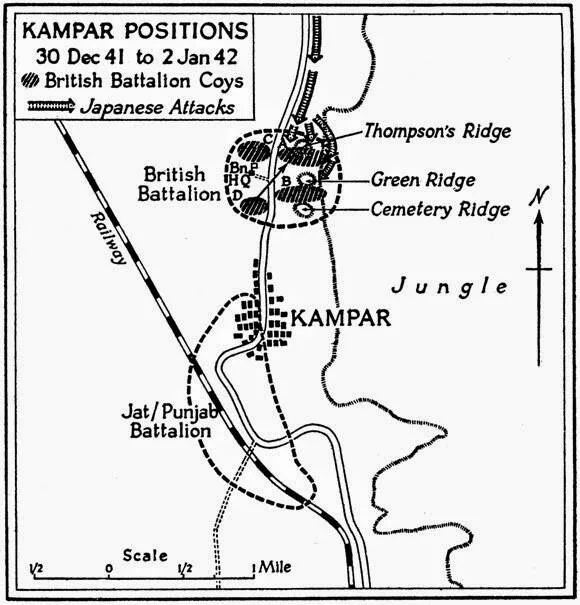
The site where the battle took place is known as Green Ridge. This ridge, along with nearby ridges such as Thompson, Kennedy, and Cemetery, overlooked the main road heading south from Ipoh and held a highly strategic position. These ridges are located on Gunung Bujang Melaka, at an elevation of 4,070 feet above sea level. The mountain offered a clear view of the surrounding valley, which included mining sites and swamps. With the capture of the town and the mountain, the Japanese army would have gained a clear view of the Kinta Valley towards the south. The Allied forces knew that if the 5th Division of the Imperial Japanese Army succeeded in capturing Kampar, they would use it as a stronghold in the Kinta Valley.
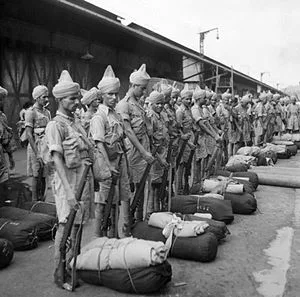
With the start of the invasion of the Malayan peninsula by the Japanese 25th Army led by General Tomoyuki Yamashita, the III Indian Corps, which was defending northern Malaya, was forced to retreat south. The disorganized retreat ordered by Malaya Command worsened the situation for the British forces. The failures suffered by the 11th Indian Division in the battles at Jitra, Kroh, Alor Star, and Gurun left the British and Indian divisions nearly decimated.
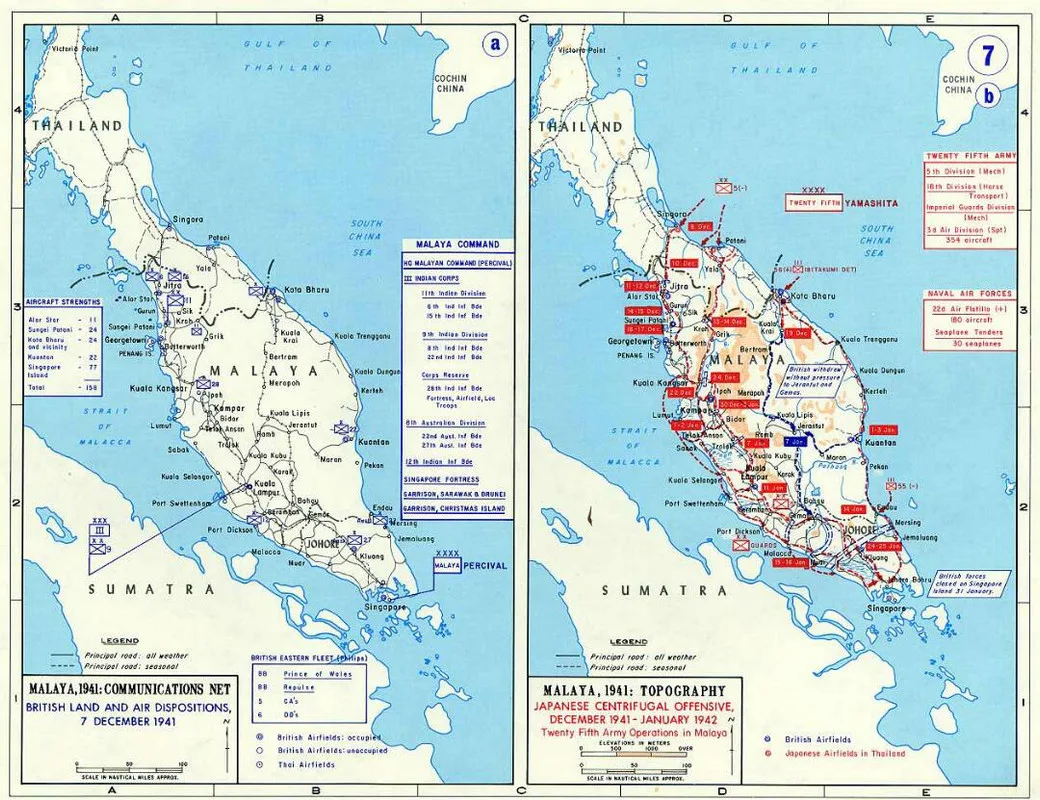
After the defeat in Kedah, the 12th Indian Infantry Brigade (a reserve force skilled in jungle warfare) replaced the 11th Division. They fought fiercely and managed to retreat to the British defensive positions in Kampar, inflicting heavy casualties on the Japanese army. The task of the 12th Brigade was to delay the Japanese advance and join the 11th Division in preparing defenses at Kampar.
Approximately 1,300 British and Indian troops defended Kampar against the Japanese. Major General Archie Paris (commander of the 11th Division) had to defend the area from Telok Anson (now Teluk Intan) up to the defensive fortifications in Kampar. The defensive area was located on Gunung Bujang Melaka to the east of Kampar town, facing the direction of the Japanese advance and protected by dense forest.
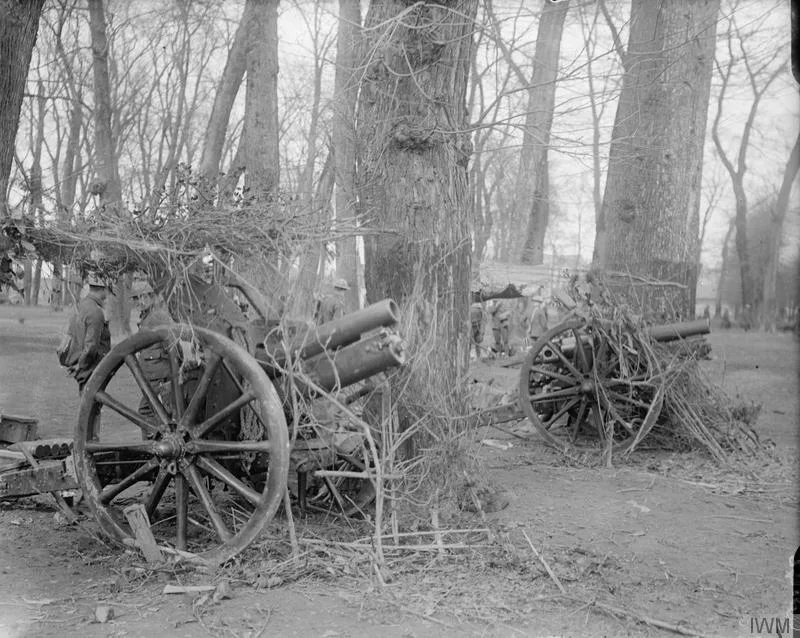
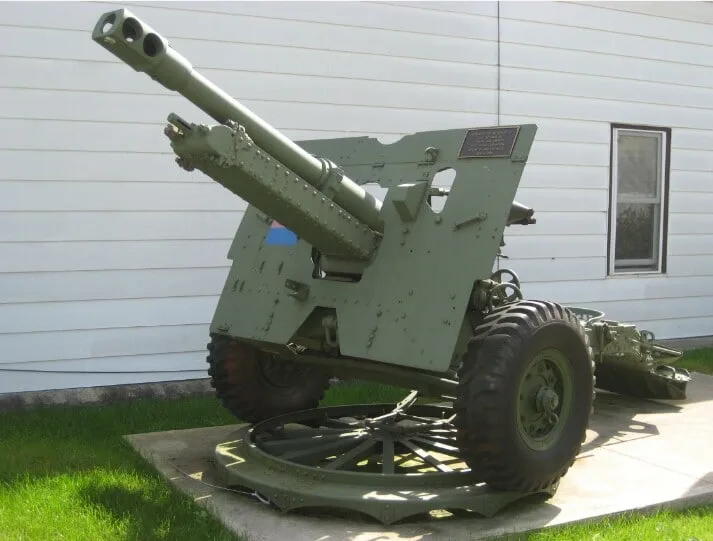
The British army positioned artillery observers on the forward slopes, protected by the 15th/6th Brigade in the west and the 28th Gurkha Brigade protecting the east. Both brigades were supported by the 88th Field Artillery Regiment equipped with 25-pounder guns and 4.5-inch guns belonging to the 155th Field Artillery Regiment. When the 12th Brigade passed through Kampar, Major General Paris sent them to protect the coastal area and the withdrawal route in Telok Anson.
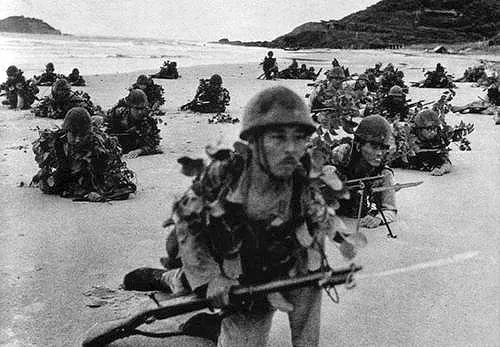
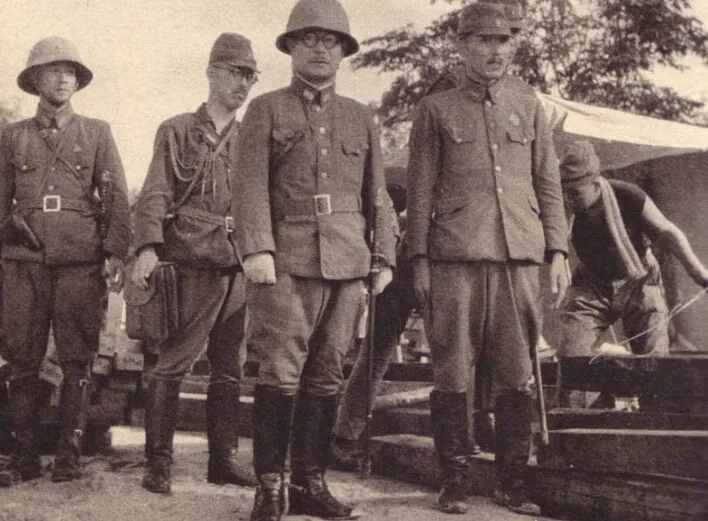
The Japanese attacking force consisted of the 5th Division led by Lieutenant General Takuro Matsui. The Japanese army had a strength of 9,000 ground troops supported by 200 tanks and 100 artillery pieces. On December 30, the brigade led by Kawamura arrived and began to surround the British positions. The following day, on December 31, Kawamura launched an attack on the 28th Gurkha Brigade's position on the right flank with a battalion from the 11th Regiment led by Watanabe. Once the Gurkha positions, which were hidden by camouflage, were detected, the Japanese army launched an attack, and the British artillery from the 155th (Lanarkshire Yeomanry) Field Artillery began shelling the Japanese troops. The Japanese attack on December 31 was successfully repelled by the Gurkha forces with close-range artillery support. At the stroke of midnight welcoming the New Year 1942, the commander of the 155th Field Regiment, Lieutenant Colonel Augustus Murdoch, "ordered a 12-gun salute to be fired at the Japanese army." At 7 a.m. on January 1, 1942, Kawamura launched a major attack on the western British defensive position. This attack was carried out by the 41st Regiment against the area defended by the British Battalion led by Lieutenant Colonel Esmond Morrison. The 41st Regiment attacked the British Battalion's position directly, supported by mortar fire. The battle then turned violent as positions were captured and recaptured in close-quarters combat using bayonets.
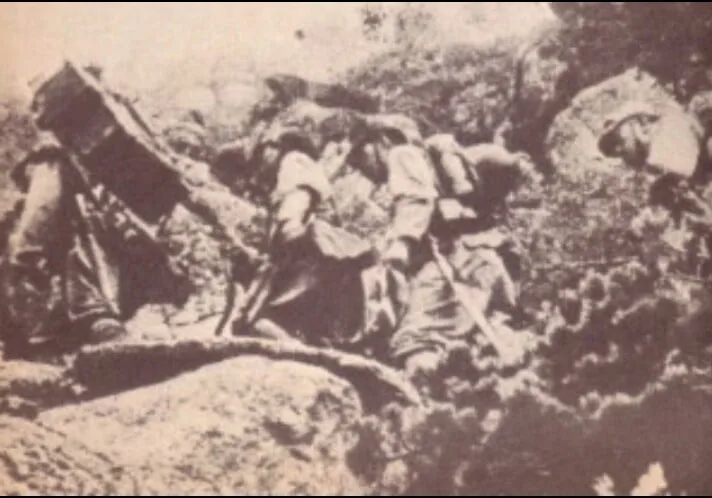
The Japanese army suffered very high casualties, with a continuous stream of wounded soldiers passing through Colonel Okabe's headquarters. The Japanese army continued to bombard the British positions, and Matsui brought in fresh troops to replace those killed and wounded. The violence and confusion of the close-quarters fighting at the British Battalion were clearly more intense on the front lines. Lieutenant Edgar Newland, who led a platoon of the 30th Leicesters, managed to hold the most forward position of the British Battalion. His platoon was surrounded and cut off from the main force, yet Newland and his men resisted all attacks and held that isolated position for 2 days. For his bravery, he was awarded the Military Cross by the British government. During the two-day battle, the Japanese army managed to capture trenches on the eastern part of Green Ridge. After two counter-attacks by D Company of the British Battalion and a third by the Jat-Punjab Battalion failed, a reserve force consisting of 60 Sikhs and Gujars from the Jat-Punjab Battalion was brought in to attempt to recapture the trenches. The company, under the command of Captain John Onslow Graham and Lieutenant Charles Douglas Lamb, fixed bayonets and charged toward the Japanese positions.
The Japanese return fire was so intense that 33 British soldiers, including Lamb, were killed in the charge. Graham then led the attack despite being wounded, only stopping when a hand grenade exploded and shattered both of his legs. Even in that condition, he continued to shout words of encouragement to his men and was seen throwing hand grenades into the Japanese-occupied trenches. 34 Indian soldiers were killed, but the position was retaken. Graham died a day later due to his injuries, and his bravery at Green Ridge was mentioned in dispatches. Lieutenant General Matsui realized that the British position at Kampar was too strong to be captured, so General Yamashita ordered the Japanese army to land on the west coast south of Kampar, near the 12th Brigade's position in Telok Anson, to flank and cut off the withdrawal route of the British 11th Division. The 11th Japanese Infantry Regiment landed in Hutan Melintang and attacked Telok Anson from the south, while forces from the Imperial Guards Division moved through the Perak River to attack Telok Anson from the north.
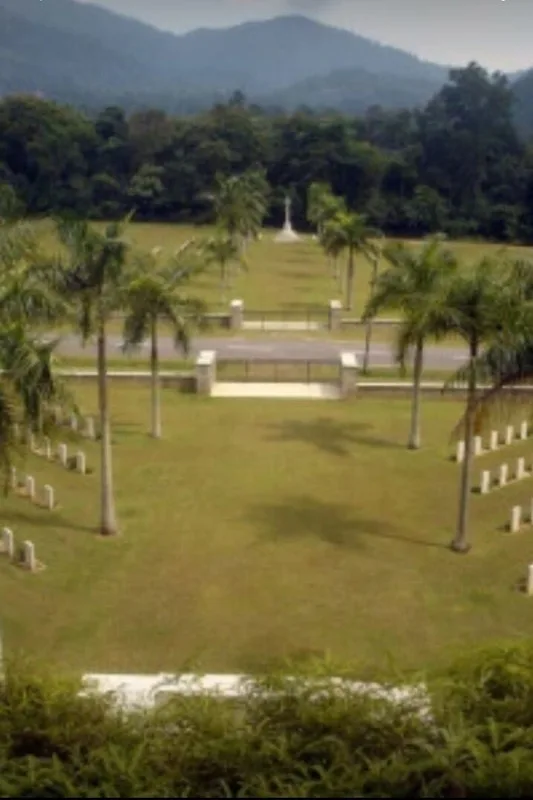
The Japanese army successfully landed, and Telok Anson was captured after a battle with the British 3rd Cavalry and 1st Independent Company on January 2, 1942. After Telok Anson was captured, the 3rd Cavalry and 1st Independent Company retreated toward the 12th Brigade, which had successfully delayed the Japanese from capturing the main road. Major-General Paris, realizing the withdrawal route was threatened, ordered the Kampar defensive position to be abandoned. The 12th Brigade covered the withdrawal of the 11th Division, and the British forces retreated toward a new defensive position at Slim River. During the four days between December 30, 1941, and January 2, 1942, the British 11th Division successfully resisted the intense Japanese attack and inflicted high casualties on the Japanese army. Among the impacts caused by the British forces was that the Japanese 41st Regiment was unable to participate in the invasion of Singapore. Japanese newspapers reported casualties among the Japanese army at 500 and Allied forces at 150, but no official information was released regarding the actual number of Japanese casualties.
This battle was the first defeat for the Japanese army in their mission to capture Malaya. Although this battle was a success for the Allied forces, the lack of reinforcements to assist the 11th Division forced the division to retreat to Slim River.