The Story of the 1956 Communist Ambush on Police in Langkap
During the first wave of the communist uprising in Malaya in 1948, most areas in the state of Perak were designated as black areas due to the active operations of communist guerrillas in those regions. Communist terrorist attacks occurred almost daily, resulting in many civilian casualties and the destruction of public property.
This situation forced the government at the time to impose emergency regulations to curb communist terrorist activities and ensure the safety of residents in the affected areas. In the Hilir Perak district alone, there were too many areas used as strongholds by the communists, including Sungai Tungku, Langkap, Chui Chak, and several others. The communist terrorists forced villagers to join their cause and burned down the homes of those who refused to cooperate during the night.
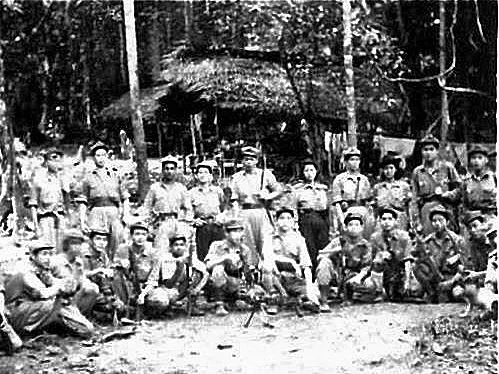
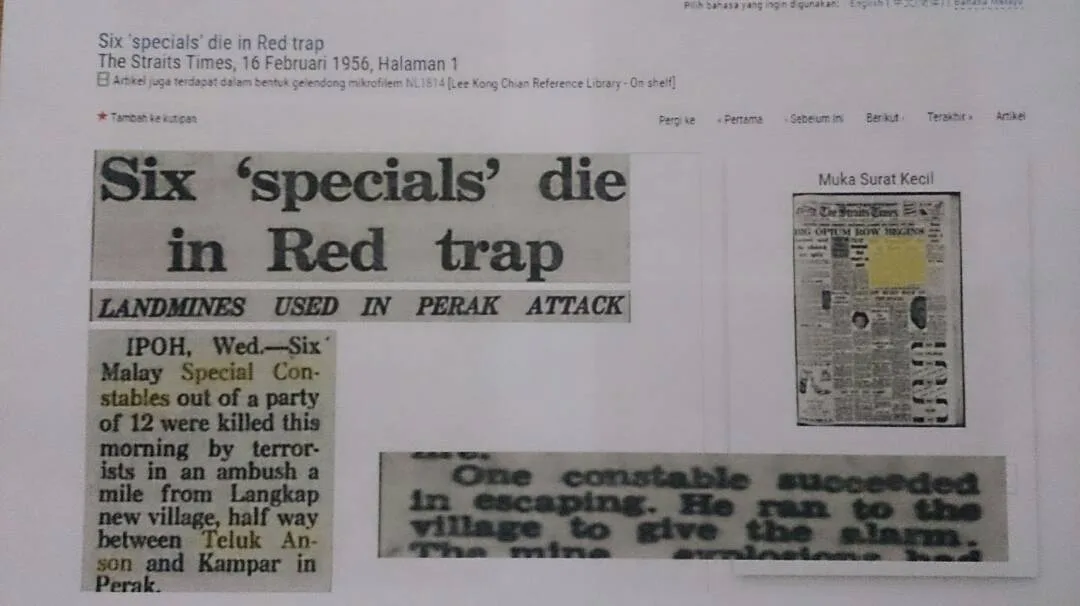
The constant pressure from the communists, which disrupted the daily lives of the villagers, ignited a fighting spirit among the residents around Sungai Manik and Chenderong Balai to resist the communists alongside the security forces. This article is published to commemorate the sacrifices of the security forces who risked their lives during the communist terrorist attack on the police in Langkap on February 15, 1956.
The Langkap and Chui Chak areas were indeed communist strongholds from the Japanese retreat until the early days of the nation's independence. Based on records, in the first two weeks of July 1948 alone, there were two communist attacks on the small town of Langkap. On July 1, 1948, the communists detained and killed a Chinese colonial officer in the Langkap area, and eight days later, on July 9, 1948, the communist terrorists launched a major attack on the Langkap Police Station, which resulted in the death of a police constable (PC).
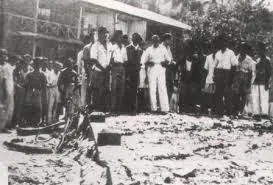
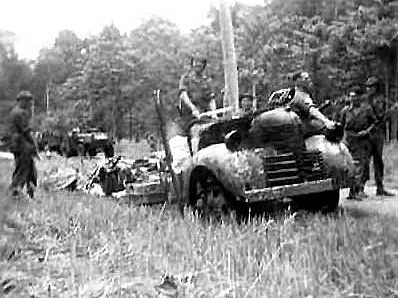
A few years later, another major attack occurred against the police in Langkap, resulting in the deaths of several police officers. On the morning of February 15, 1956, a platoon of 12 police officers was ordered to conduct a patrol around the Chui Chak area by the platoon leader, SC Harun Bin Itam. The path to the Chui Chak area was narrow and filled with tall lalang grass, which could be used by the communists as a hiding spot to stage an ambush.
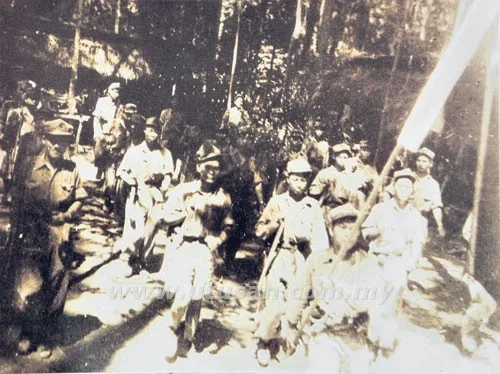
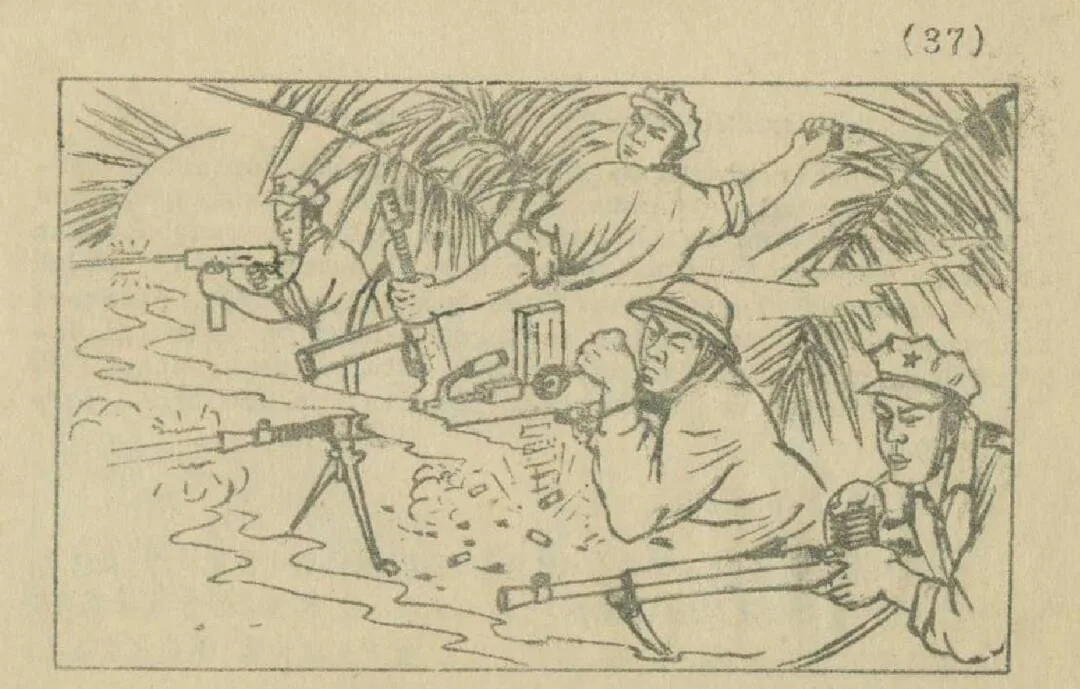
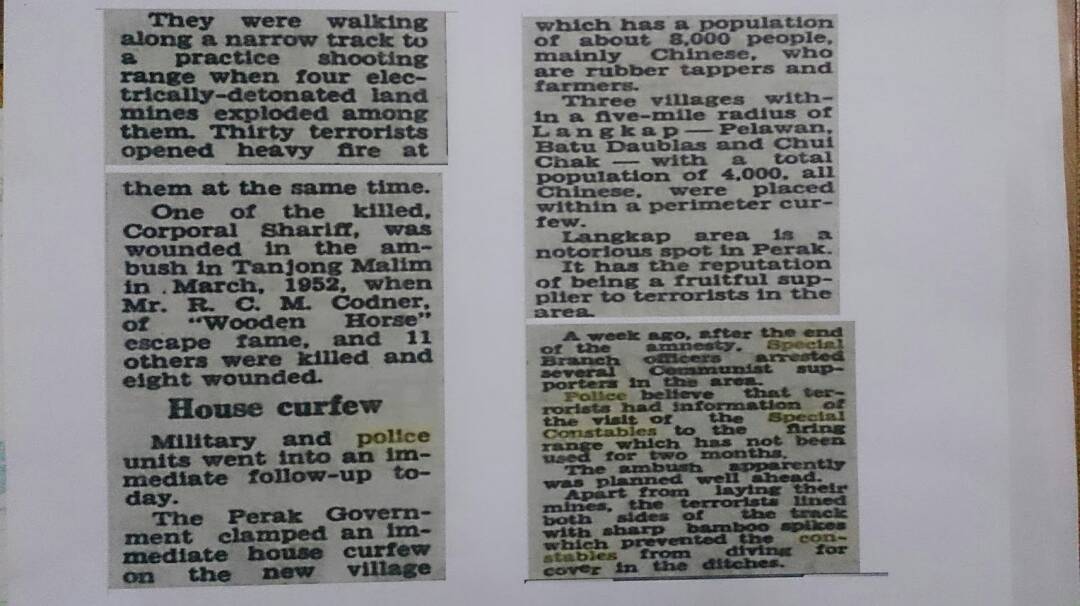
Clearly, in this incident, the communists were waiting to strike. As the police squad led by Sergeant Abu passed through the narrow path, four landmines suddenly exploded, and immediately, 30 communist terrorists emerged from their hiding spots and began a brutal attack on the police.
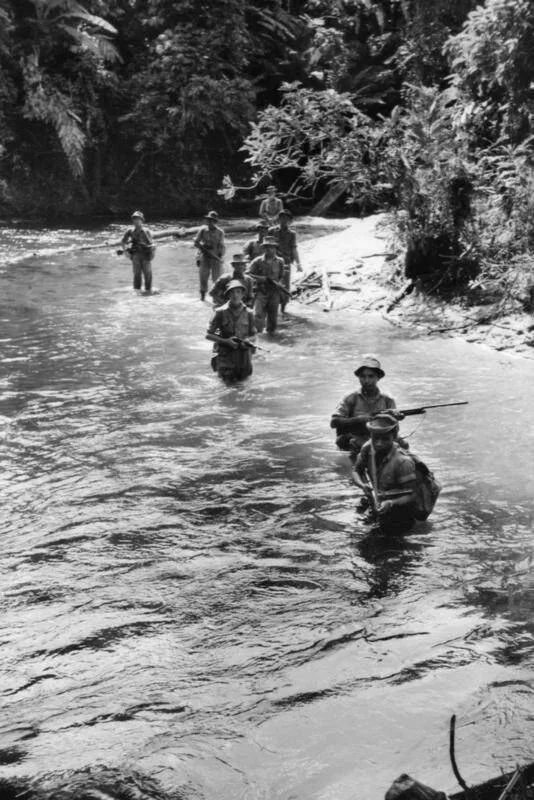
The attack resulted in the immediate death of 5 police officers, including Sergeant Abu, and left one officer severely injured. Meanwhile, the survivors fiercely returned fire at the communists, disregarding their own safety. One officer managed to escape the battle zone and immediately alerted the residents in Langkap town about the terrorist attack. Residents in Langkap town reported hearing the sound of the landmine explosions. Another officer who was engaging the communists ran out of ammunition and began planning a retreat.
However, he was later detained by the communists but was not harmed. The communists seized a Sten gun, a carbine rifle, and four rifles before fleeing. Following the incident, the government dispatched military and police forces to hunt down the communists responsible for the attack.
The state government later imposed emergency regulations on the Chinese New Villages within a five-mile radius of Langkap, namely Chui Chak New Village, Palawan New Village, and Batu Dua Belas New Village. These villages had a total population of nearly 12,000 Chinese residents.

This attack is believed to have been an act of revenge following arrests made by the police a week prior, targeting individuals suspected of being members or sympathizers of the communist cause in the Langkap area.
The communist ambush on police officers on February 15, 1956, serves as clear evidence that the communists were willing to use violence to achieve their goal of establishing a communist state in this region.