The Story of Lim Bo Seng, Buried Unmarked Behind Batu Gajah Prison
Every road named after an individual has an interesting story that is often forgotten. These roads are named after individuals to commemorate their immense contributions.
However, today, not many people know the stories behind these street names or why they were chosen. Continue reading to learn about the story of Lim Bo Seng. For our loyal readers at orangperak.com, Lim Bo Seng was born in Nan'an, Fujian, China. He was the 11th child and the first son in his family. In 1925, at the age of 16, he came to Singapore to study at Raffles Institution under the British colonial government. Later, Lim Bo Seng continued his studies at the University of Hong Kong. After completing his education, he took over his father's business following his father's death in 1929. The businesses run by Lim Bo Seng included brick manufacturing and biscuit production. He then tried his luck in the construction business with his relatives. Lim Bo Seng was successful in business and became a prominent figure in the Chinese community in Singapore and Malaya at the time.
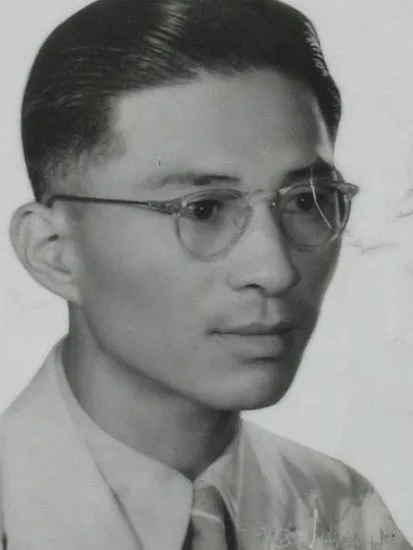
You might not know that Lim Bo Seng was nominated for and held several important positions in the community. Among them were Chairman of the Singapore Building Industry Association, Board Member of the Singapore Chinese Chamber of Commerce and Industry, and Executive Director and Director of Education for the Singapore Hokkien Association. What is impressive about Lim Bo Seng is that as the head of the Labour Service Corps, he was responsible for providing labor to the British government in preparation for war during the Japanese invasion. When the Japanese army began to enter Singapore from Malaya, Lim Bo Seng and his men destroyed the causeway to hinder the Japanese advance into Singapore. However, the Japanese army still managed to enter.
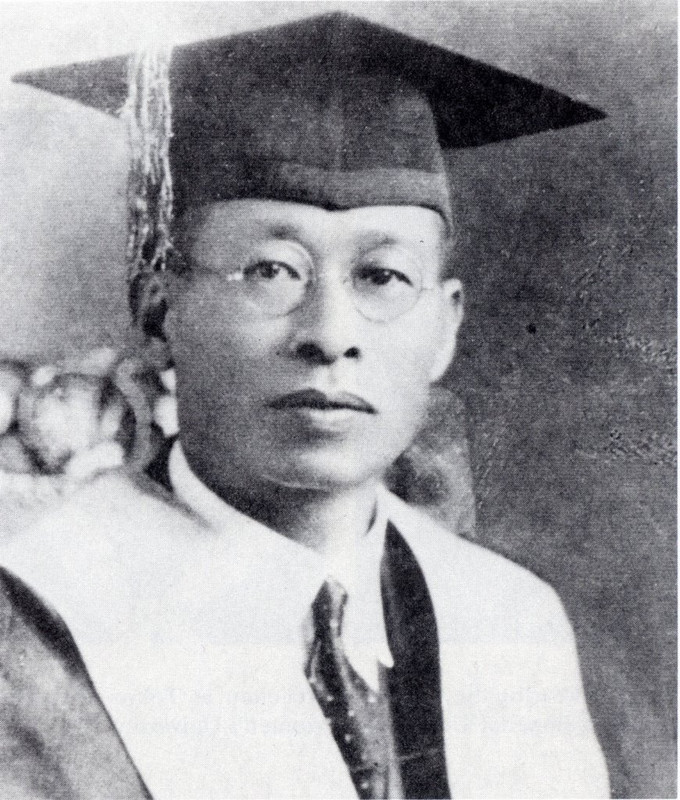
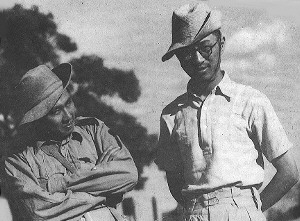
As Singapore was about to fall, Lim Bo Seng left his family to go to India to train in jungle warfare and gather fighters to form Force 136. It was a special operations force established by the British in June 1942 to infiltrate and attack the Japanese army in Malaya. Lai Teck, a member of Force 136, became a Japanese informant and betrayed Lim Bo Seng. Lai Teck leaked crucial information that allowed the Japanese army to read coded messages from Force 136. Consequently, in March 1944, Lim Bo Seng was captured by the Kempeitai (Japanese military police) on a road in Gopeng, Perak.
He was brutally tortured by the Japanese army during interrogation because he refused to reveal the names of those working with him. While imprisoned at Batu Gajah prison, Lim Bo Seng was said to often share his food with other prisoners, as inmates during the Japanese occupation were starved. Due to malnutrition, stress, and torture by the Japanese, Lim Bo Seng's health deteriorated while in prison. On June 29, 1944, at the age of 35, he passed away at the Batu Gajah prison in Perak.
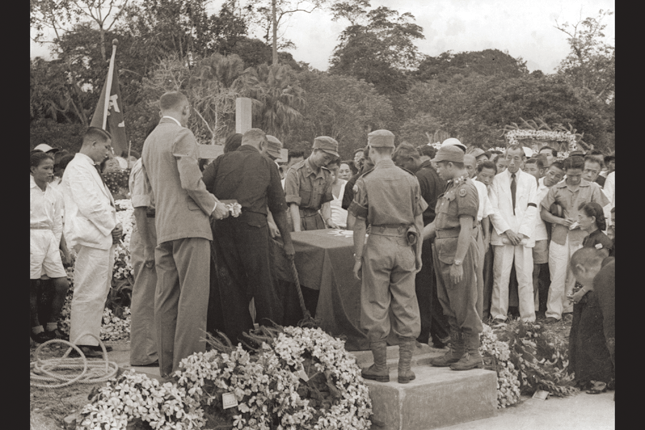
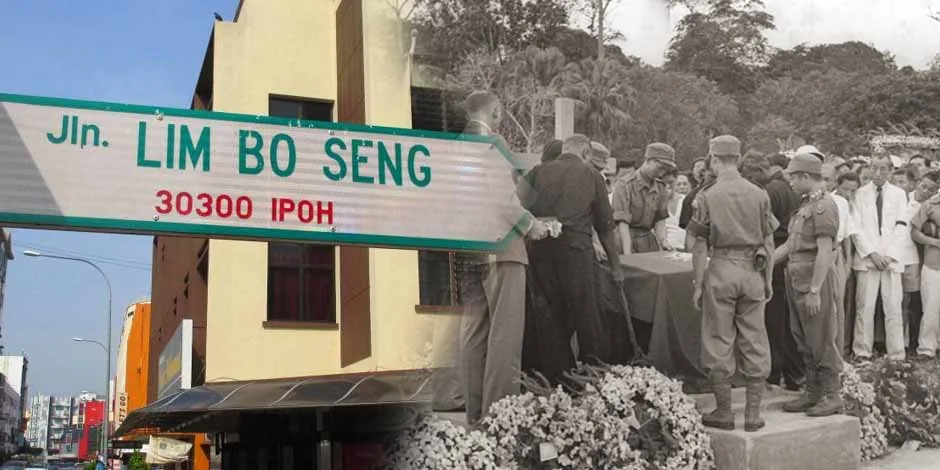
Even more tragically, the Japanese army initially buried Lim Bo Seng's body in an unmarked grave behind the Batu Gajah prison complex. However, after the Japanese surrendered, Lim Bo Seng's wife was informed of her husband's death by a priest from St. Andrew's School. She traveled to Batu Gajah with her eldest son to locate and bring her husband's remains home by train. On December 7, 1945, Lim Bo Seng's remains arrived at Tanjong Pagar, Singapore, and were escorted by many British officials and prominent businessmen from the Tanjong Pagar railway station to the Hock Ann Biscuit Factory on Upper Serangoon Road, passing through Armenian Street.
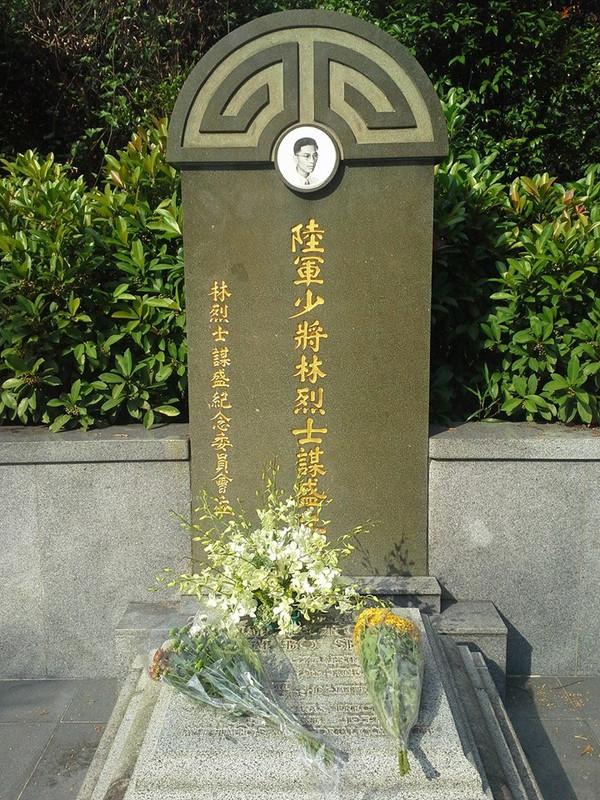
The late Lim Bo Seng's remains were then placed in a coffin and buried with full military honors at MacRitchie Reservoir, Singapore. Lim Bo Seng was also posthumously awarded the rank of Major-General by the Nationalist government of the Republic of China.
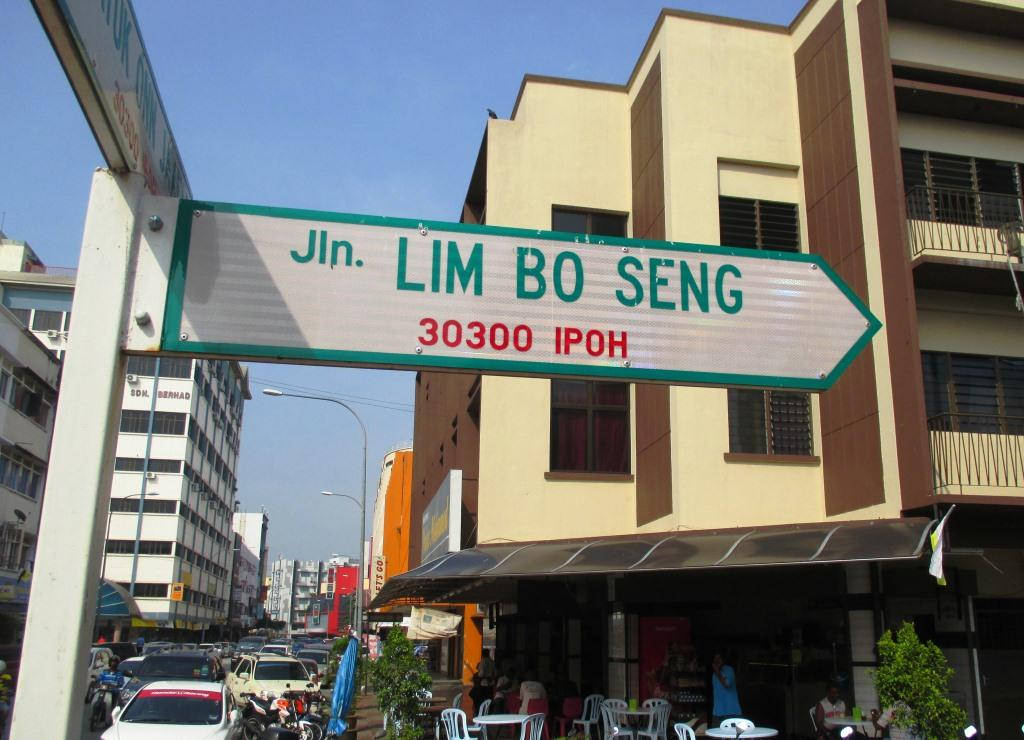
His name, Lim Bo Seng, is also immortalized in front of the Kinta Riverfront Hotel And Suites and next to D.R. Seenivasagam Park to commemorate his service in resisting the Japanese army until the end of his life.