The Origin and History of the Name Ipoh
The city of Ipoh is named after a type of tree that produces a poisonous sap, known as 'upa'. This poisonous sap has various uses, including being used by the Orang Asli community to hunt animals.
The poisonous sap or 'upa' was used by coating it onto the tips of blowpipe darts, both for hunting animals and for defending oneself and one's family. This poison acts quickly, causing the victim struck by the dart to die instantly. To avoid poisoning the hunter, the part of the victim's flesh affected by the poison would be cut away and discarded before consumption.
The original spelling of the Ipoh tree was actually Ipuh. However, perhaps due to its pronunciation being similar to Ipoh, the spelling changed over time, to the point where many have forgotten the existence of this tree. The Ipoh tree is a type of plant that can be found in the forests of Malaysia as well as several other countries in the ASEAN region.
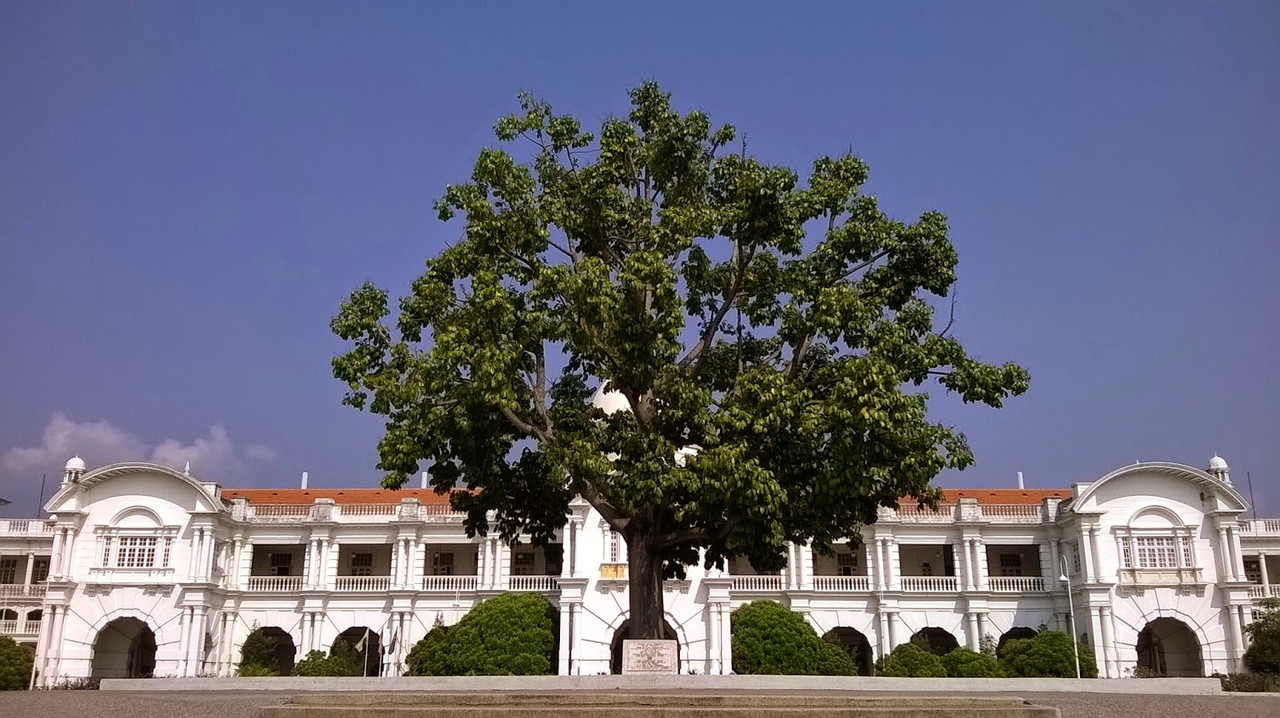
The scientific name of the Ipoh tree is Antiaris toxicaria Lesch. In the past, this tree once stood firmly in the area of the Ipoh Railway station before it eventually fell and was replanted. If you see the leaves or sap of this tree, never attempt to approach it. Also, ensure your children are supervised when near this tree. Did you know that the Ipoh tree is one of the most poisonous plants in Malaysia?
Ipoh, which has been upgraded to a city, is among the largest cities in Malaysia. It possesses a unique history and identity. This city, which has developed through various historical twists and turns, has cultivated its own distinct characteristics that set it apart from other cities in the state of Perak. To this day, Ipoh is known as the 'City of Bougainvillea', in addition to being famous for its Tambun pomelos and limestone caves.
The city began as a Malay village that existed about 100 years ago on the banks of the Kinta River. Its location is strategic, flanked by the Titiwangsa Range to the east and the Keledang Range to the west. Furthermore, the city is surrounded by limestone hills that make it unique and different from other cities in Malaysia.
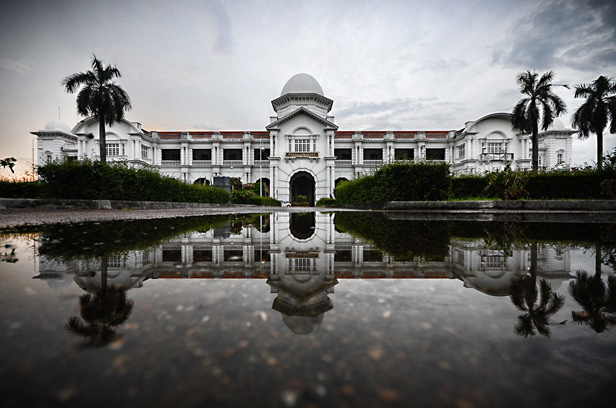
The design and architectural features in Ipoh that were developed during the colonial era remain to this day as iconic landmarks. Among them are the Railway Station building, the High Court, the Town Hall, and rows of shophouses that reflect the historical heritage and uniqueness of this city.
In addition to old buildings, Ipoh has also seen the construction of modern buildings, especially in areas such as Jalan Panglima Bukit Gantang Wahab and Jalan Gopeng. This blend of old and new buildings creates an attractive panorama, reflecting the harmony between historical heritage and modern development in this city.