The Low Treaty, Sparking the Beginning of British Colonialism in Perak
In 1826, Captain James Low, who was the Governor of Penang, Malacca, and Singapore on behalf of the Governor and the East India Company, and the Sultan of Perak, Paduka Seri Sultan Abdullah Mu’azzam Shah, signed an agreement known as the Low Treaty.
This treaty was a result of the Raja of Ligor's refusal to respect the Burney Treaty signed between the British and the King of Siam in 1825. After Captain Burney returned to India, the Raja of Ligor no longer honored his promise to Perak, which was to recognize the Sultan of Perak's right to rule his own state.

Concerned by the threats from Siam and mindful of how the British had disappointed the Sultan of Kedah by failing to assist him against the Siamese invasion in 1821, the Sultan of Perak sought a friendship treaty that could guarantee the safety of his state from Siamese attacks.
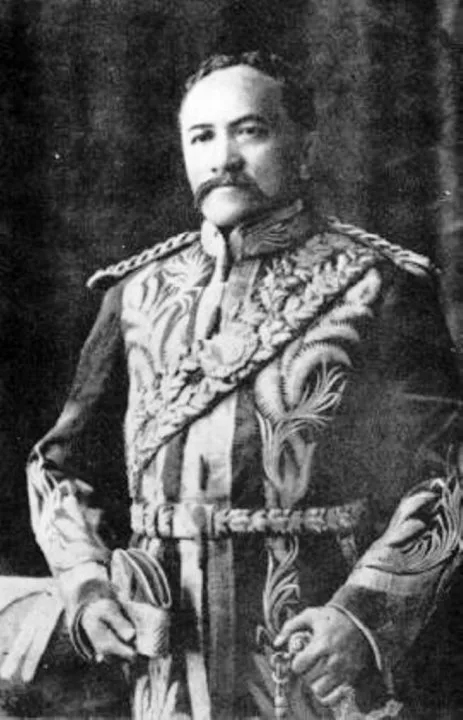
Sultan Abdullah
The Sultan of Perak's request was agreed upon, and on October 18, 1826, the Low Treaty was sealed and signed. As a result of this treaty, the Sultan of Perak was permitted to stop sending tribute, meaning he no longer had to send the Bunga Emas (Golden Flower) to the King of Siam, but he had to comply with all terms and instructions set by the British. Indirectly, Perak would receive protection from the East India Company.
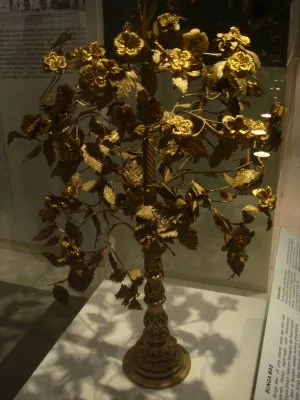
Bunga Emas tribute
The treaty on October 18, 1826, significantly altered the British policy, which initially practiced non-interference in the governance of Perak by the Sultan. Thus, from that date, the history of British colonialism in Perak can be said to have begun. The Low Treaty shocked authorities in India because, in promising British protection over Perak, Captain James Low had exceeded his authority and the instructions given to him.
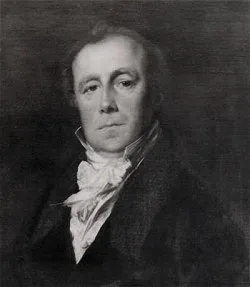
Governor Fullerton
Captain James Low was said to have violated the East India Company's policy of non-interference. However, the treaty received the blessing and approval of Governor Fullerton, perhaps because there were positive aspects considered that could yield significant long-term economic gains, as everyone was aware of the abundant tin mining in the Perak region.