The Largest Bombing of the Malayan Emergency Occurred in Perak
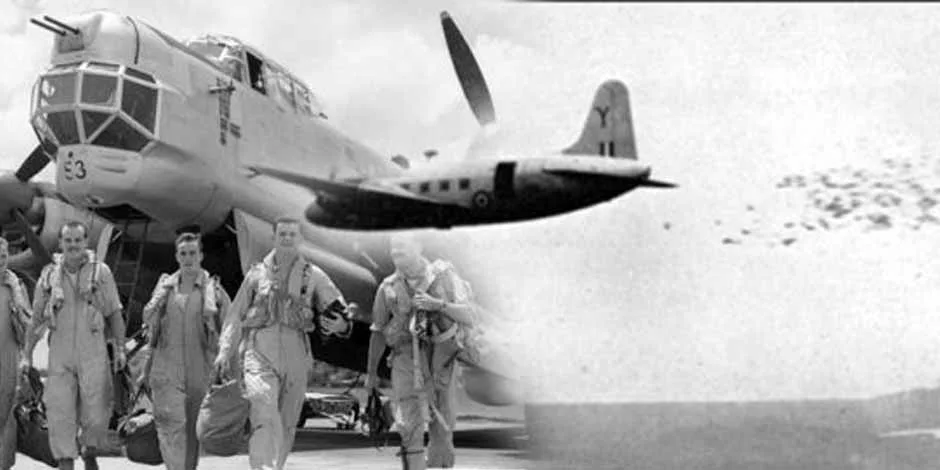
In April 1958, British, Australian, and New Zealand aircraft completed an aerial bombing operation over Perak, which was the most devastating since our country gained independence in 1957.
At that time, our country was in a state of emergency due to a series of attacks across the nation, including in Perak, where more than 200 communist terrorists were attacking and hiding in the dense jungles. It is worth noting that this massive bombing campaign in Perak lasted for three weeks, beginning on March 17, 1958. The operation continued non-stop, day and night, for nearly three weeks. All the aircraft involved in the operation dropped a total of 418,000 pounds (approximately 189,601.611 kg) of bombs. Furthermore, they also fired 200 rockets and 23,000 cannon shells into the forests around Perak.
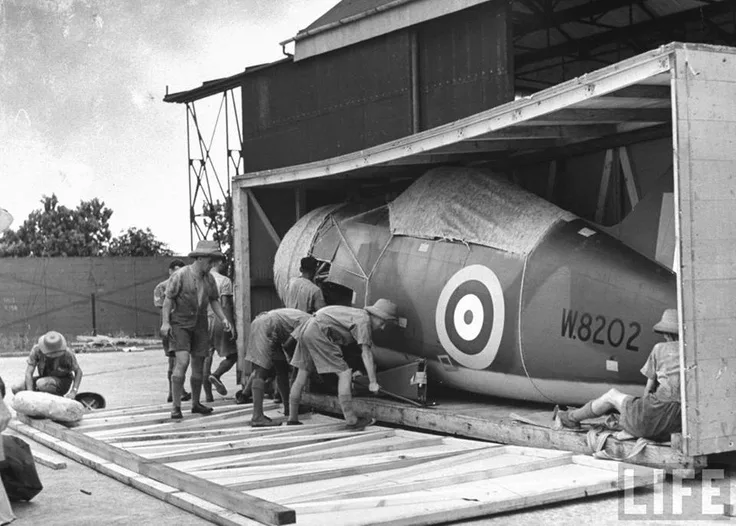
*representative image
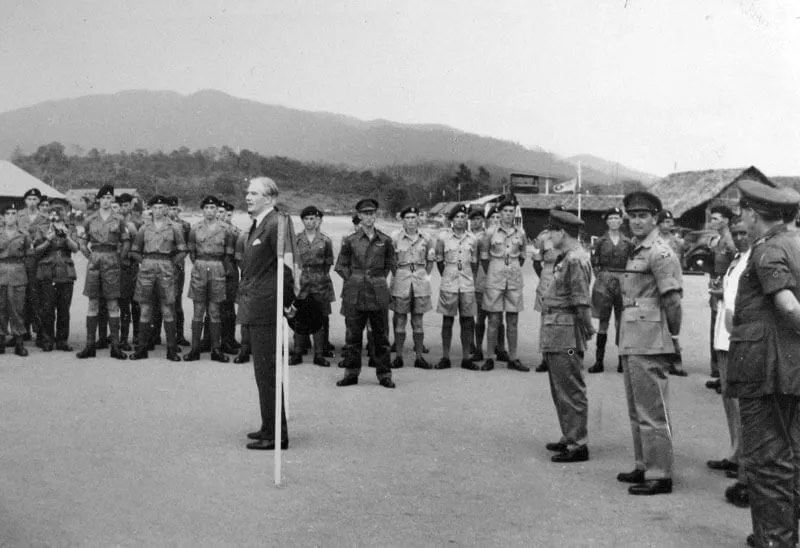
Fighters from New Zealand were said to begin operations during the day by launching rocket and cannon attacks on low-lying areas suspected of being communist terrorist hideouts.
*representative image
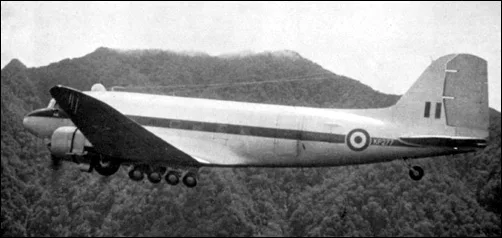
Immediately after the New Zealand fighters launched their attacks, RAF Canberra bombers would carry out their duties by dropping bombs from the air, while at night, further aerial attacks and bombing runs were conducted by Lincoln aircraft and RAF Sunderland planes.
*representative image
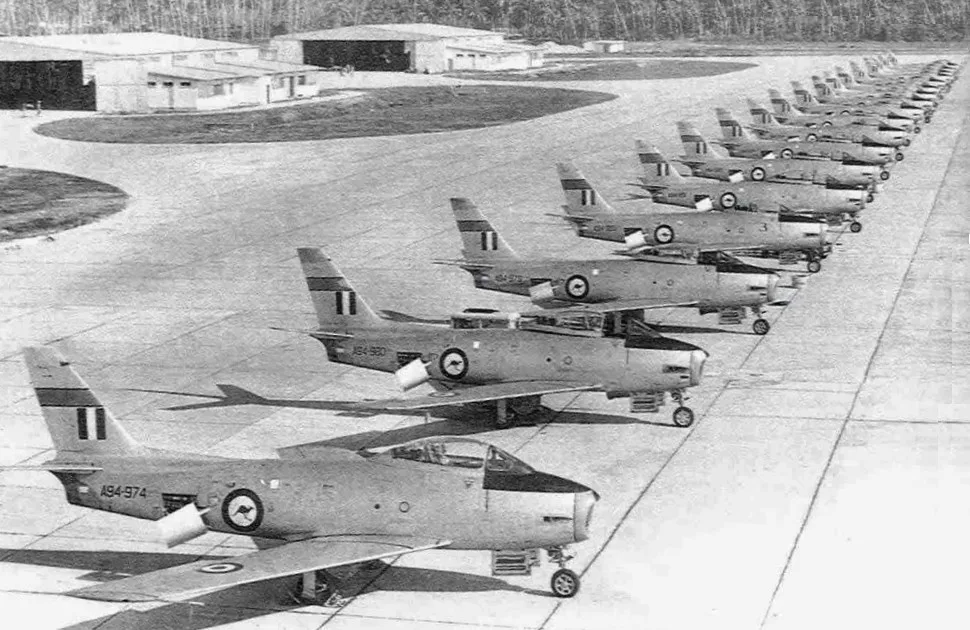
There was also a joint force of British and Australian soldiers who worked together to defeat communist terrorists in target areas around the Perak jungles by firing over 7,000 shell casings from 25 guns fired from the air.
*representative image
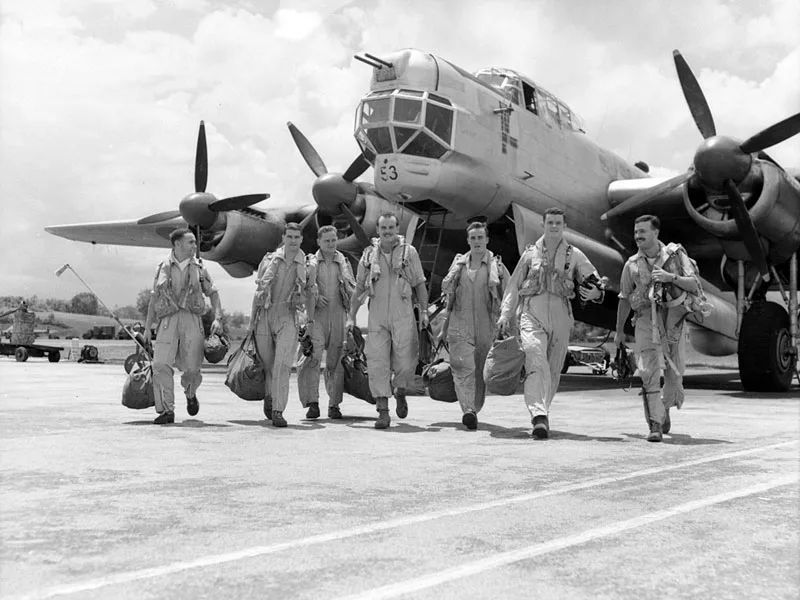
During the attacks, some aircraft would fly low over the target areas while using loudspeakers to order the communist terrorists to surrender, simultaneously firing artillery shells at the ground. This was intended to force the communist terrorists out of their hiding places to surrender.
*representative image
Given the reality of this historical event—the largest and most devastating bombing in Perak—it is no surprise that even today, many unexploded bombs are still being discovered by the public across the state.