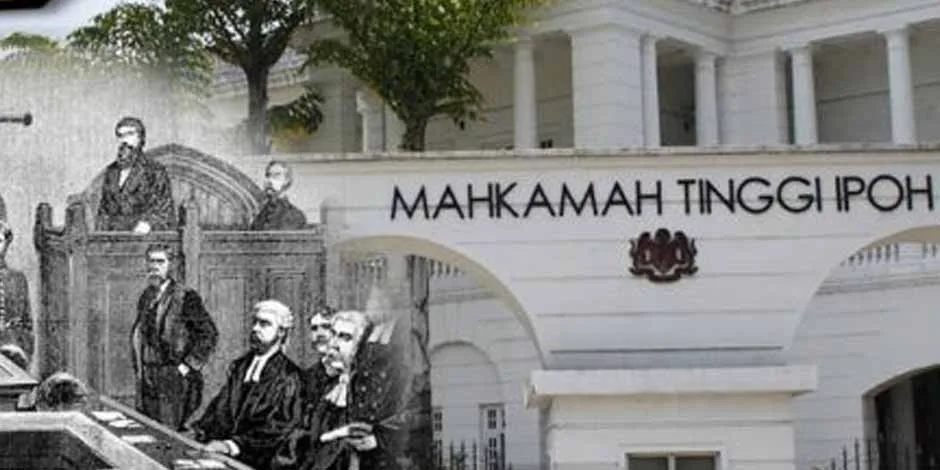
The History of the Establishment of Courts in the State of Perak
Everything began after the Pangkor Treaty was signed in 1874. Since that treaty, the British attempted to gradually establish an English legal system in Perak until they successfully monopolized the legal system in the state.
Among the first steps taken by the British to establish their authority in Perak was to build police stations, followed by prisons for detainees, and subsequently opening courts to try detainees and decide their guilt or innocence.
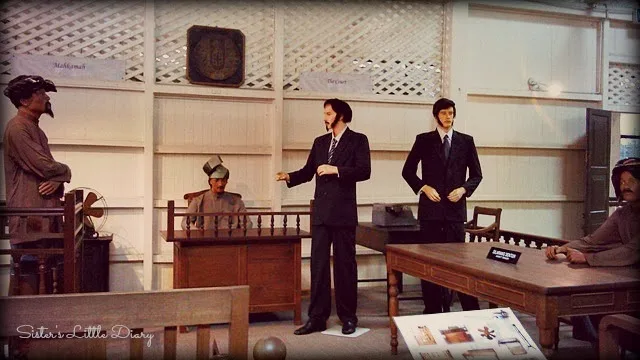
*illustrative image
For your information, loyal readers of orangperak.com, Dr. H.W.C. Leech was a district officer in Kinta at the time, and he also held the positions of Senior District Magistrate and Land Revenue Collector. Dr. H.W.C. Leech built a large building in the middle of Kota Bharu, located in Gopeng, to carry out all his operations and duties alongside the staff under his responsibility. In 1879, this Kinta district officer began building police stations around Gopeng and Ipoh, as these areas were the main focal points for the local Malay population and Chinese miners at the time. This was because the population in these areas was increasing as Chinese immigrants were brought in to work in the tin mines.

*illustrative image
In 1884, the headquarters of the Kinta Magistrate, developed by Dr. H.W.C. Leech, moved its operations from Kota Bharu in Gopeng to Batu Gajah. This was because, at that time, the Kota Bharu area was becoming less suitable as Batu Gajah was increasingly developing. In the same year, 1884, a prison and police station were built in Papan. It was during this time that the Batu Gajah magistrate was constantly busy traveling back and forth once a week from Papan to Batu Gajah to hear court cases held at the police station. On November 29, 1887, riots occurred in Papan, and immediate justice was administered a few days later through a trial before the Honorable Sultan of Perak, the British Resident, and the Dato’ Panglima Kinta.

*illustrative image
After the trial, the verdict was that two secret society members were sentenced to hang, while nine members were imprisoned and whipped, and 12 members were fined. Since then, police patrol units were established, and most of them consisted of Sikhs. In 1888, the first courthouse and housing quarters for the magistrate in Ipoh were completed. In October 1888, E.J. Brewster began the initiative by opening a police court in Ipoh with the aim of providing convenience to the public and the police. A month later, in November 1888, E.J.C. Tranchell was appointed as the first assistant magistrate to hear minor cases in the Batu Gajah and Papan areas three times a week.
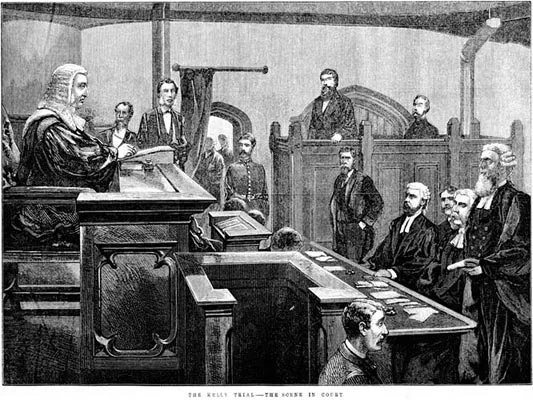
*illustrative image
A year later, in 1889, three lower courts and one appellate court were opened in Kinta. Following the rapid development in the Ipoh area at that time, by 1895, Ipoh's status changed to a town when offices for teachers began to be built. On November 14, 1898, for the first time, the Judicial Commissioner opened a court for criminal sessions in Ipoh. The son of J.W.W. Birch, E.W. Birch, the 7th British Resident of Perak, officiated the New Court Building in Ipoh on May 14, 1906. This Court Building was located on Jalan St. John’s, adjacent to the Railway Goodsheds. The first magistrate to begin his duties at this New Court Building was Mr. E.A. Cooper, an Englishman who was fluent in Malay and Gurmukhi (Punjabi). An additional magistrate was appointed in 1915 to resolve the backlog of cases that had been increasing since 1904.
*illustrative image
The Supreme Court was later moved to the Education Office on Jalan Maxwell (Old Building) as the conditions at the court building on Jalan St. John’s were too noisy due to its proximity to the railway tracks. From then on, the Supreme Court was separated from the Lower Court for the first time. In 1941, possibly because the Lower Court was located near petrol tanks, the court was bombed by the Japanese and was completely destroyed. During the Japanese occupation, the Lower Court was housed in a wooden building where the State Mosque is currently located. In 1947, both the Magistrate's Court and the District Court moved to a new building built temporarily between the Railway Station and the Police Station. This location was where the first Ipoh Hospital was established before it moved to Jalan Anderson/Jalan Ashby.
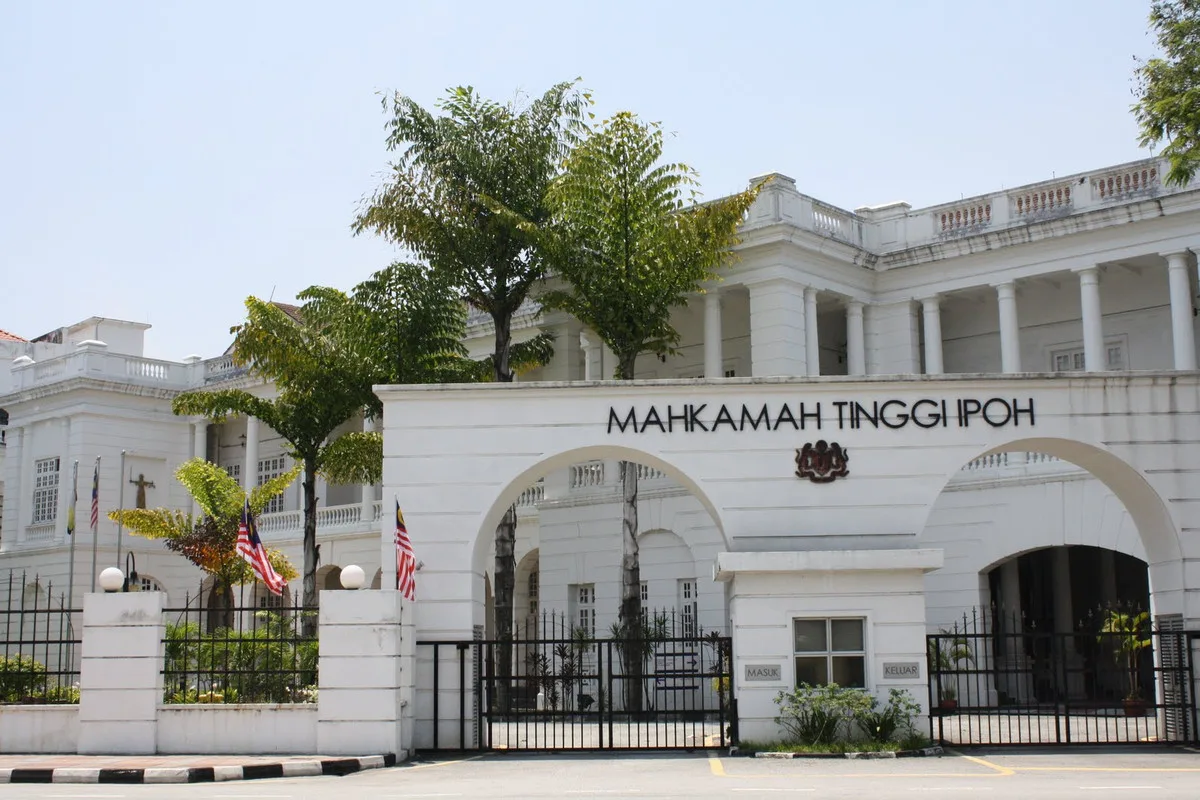
*illustrative image
In 1952, the two-story building on Jalan Kelab, which was occupied by the Court and the Posts and Telegraphs Club, was handed over to the Court. With that, a Traffic Court was established and housed on the upper floor. Therefore, the total number of courts at that time was four. The first local magistrate was Tun Mustapha Albakri Bin Haji Hassan. He was a Second Class Magistrate. Meanwhile, the first Malayan Civil Service officer to hold the position of magistrate was Tun Ismail Bin Mat Shah. The Lower Courts moved to the current new building on July 1, 1975.
source: Official Portal of the Perak State Courts