The History and Story of the Geological Museum in Ipoh, Perak
To start, what do you understand about geology? Geology is the science and study of the Earth, concerning its composition, structure, physical form, history, and the processes of its formation.
For example, those involved in geology are known as geologists, who play a role in determining the age of the Earth and helping to locate and manage natural resources found on Earth, such as petroleum, coal, and many others. The word "geology" comes from Greek, meaning "geo" (Earth) and "logos" (word or reason). The combination of these two words, "geo" and "logos," formed the new term "geology," which is now widely used throughout the world. The Malay language is no exception, having adopted this term into our own vocabulary.
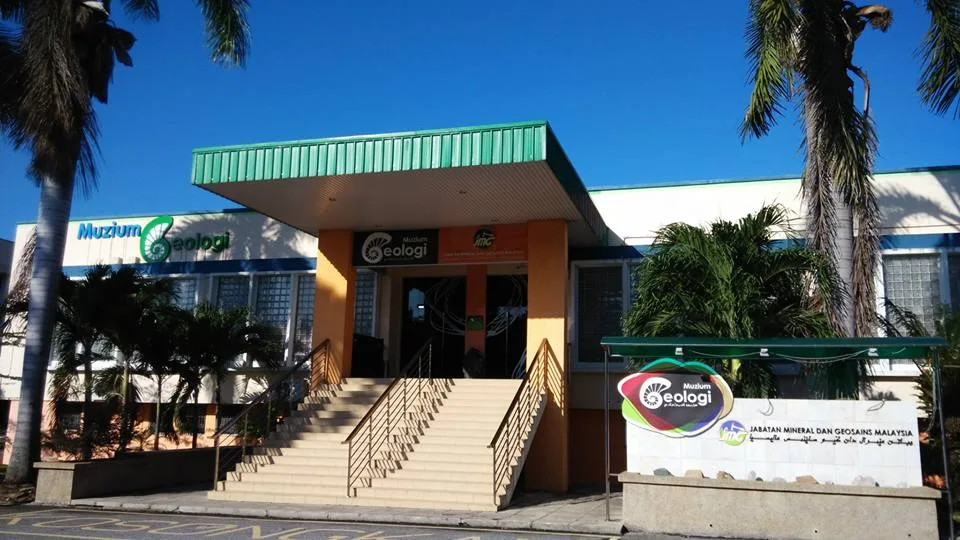
Returning to the original topic of today's article on orangperak.com, we will share the story of the Geological Museum located in Ipoh, Perak. Have you ever visited this Geological Museum in Ipoh? It would be a great loss if you haven't visited, as it holds useful information for your general knowledge and is interesting for fostering curiosity in children regarding the field of geology.
For your information, loyal readers of orangperak.com, the Geological Museum in Ipoh was established in 1957, the year our country gained independence. This museum, filled with geological information, was founded with the laying of its foundation stone by the Raja Muda of Perak at that time.
Raja Idris Shah Ibni Almarhum Sultan Iskandar Shah (now the late Sultan Idris II, the 33rd Sultan of Perak)
.
The museum is part of the Department of Mineral and Geoscience complex and actually plays a very important role as a center for learning and education in geology and geoscience in our country. This is the place for us to cultivate a sense of love and interest in core geological education for our children. The Geological Museum provides many benefits and is a pioneer in producing the nation's geologists.
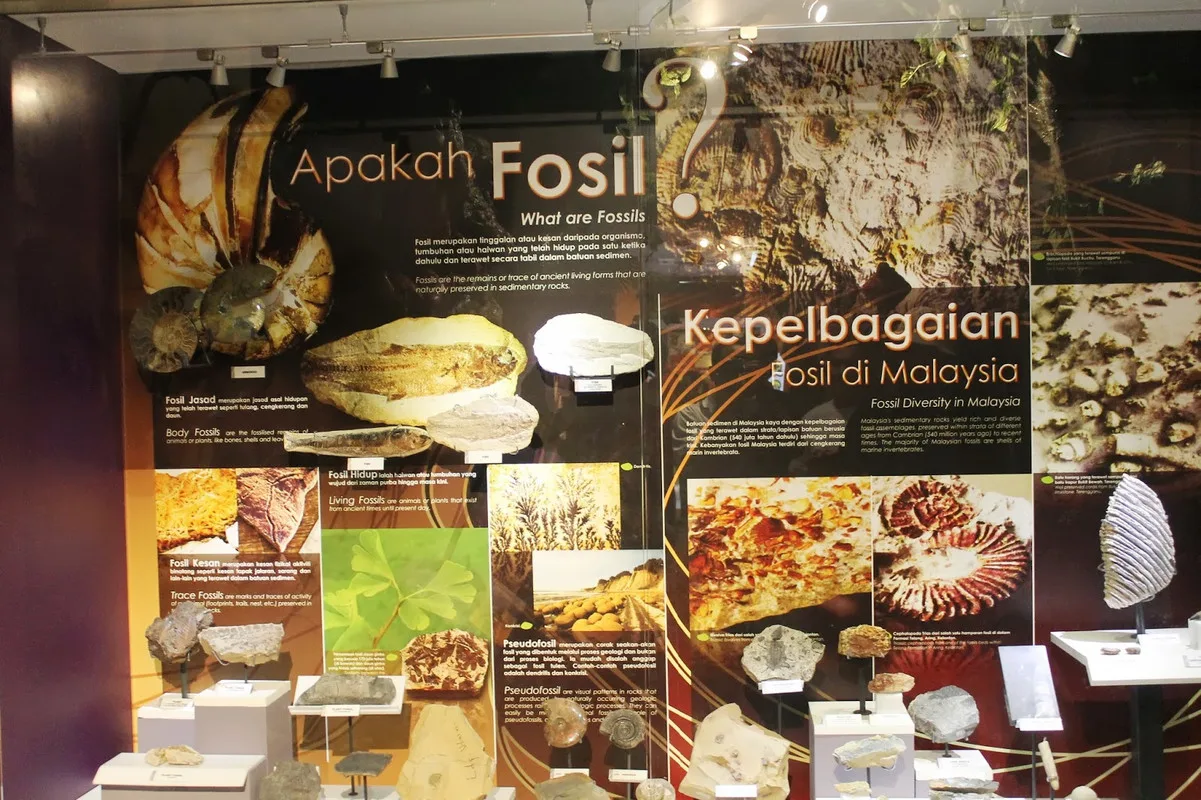
Anyone who steps into this Geological Museum will surely be impressed and amazed by its attractive and neat design and layout. There are about 7 exhibition zones divided according to their respective categories. This is intended to make the narrative being conveyed to visitors easier to understand. The zones are labeled from Zone A to Zone G.

Broadly speaking, regarding these zones, we will provide a brief explanation for you, our loyal readers of orangperak.com, and we hope it will be clearer for you. Starting from the earliest zone, it tells the story of the Earth's structure and geological features, followed by the history of the Earth, then an exhibition of various geological specimens, moving on to the uses, mining, and exploration of minerals, and ending with the story of how geology contributes to human wealth and well-being.
Zone A
- History of the Museum and Department
- History of the Earth
- Geological Structure Mural
Zone B
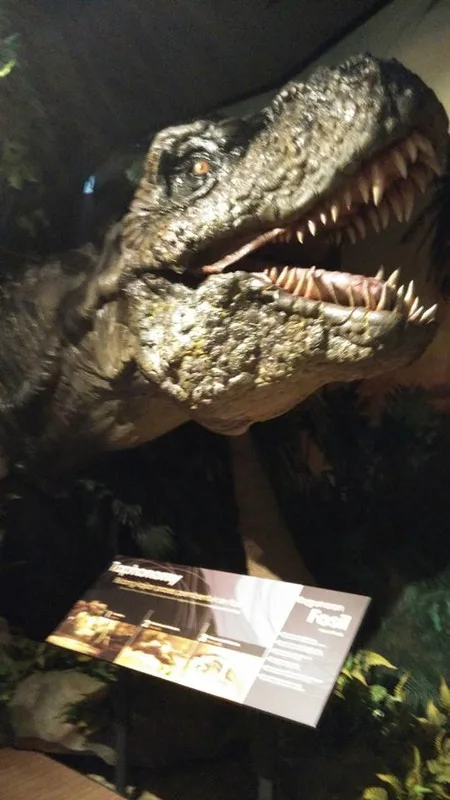
- Dinosaurs and Fossils
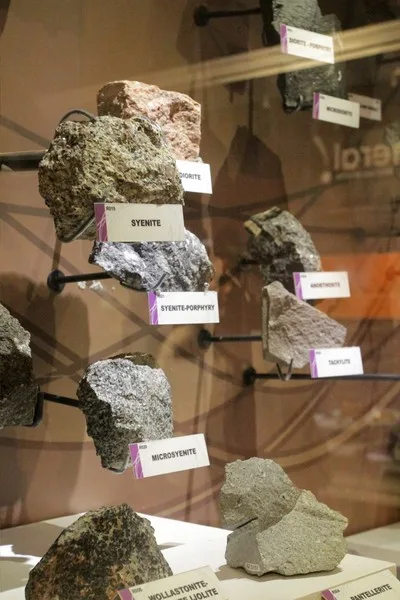
- Rocks
Zone C
- Minerals, Crystals, and Gemstones
Zone D
- Uses of Minerals
Zone E
- Mining Activities
Zone F
- Mineral Exploration and Marine Geology Activities
Zone G
- Geological Hazards
- Mines and Quarries
- Hydrogeology
- Geology and National Development
- Mineral Resources
- Geoheritage
- JMG Products
- Research and Development
- Laboratory Services
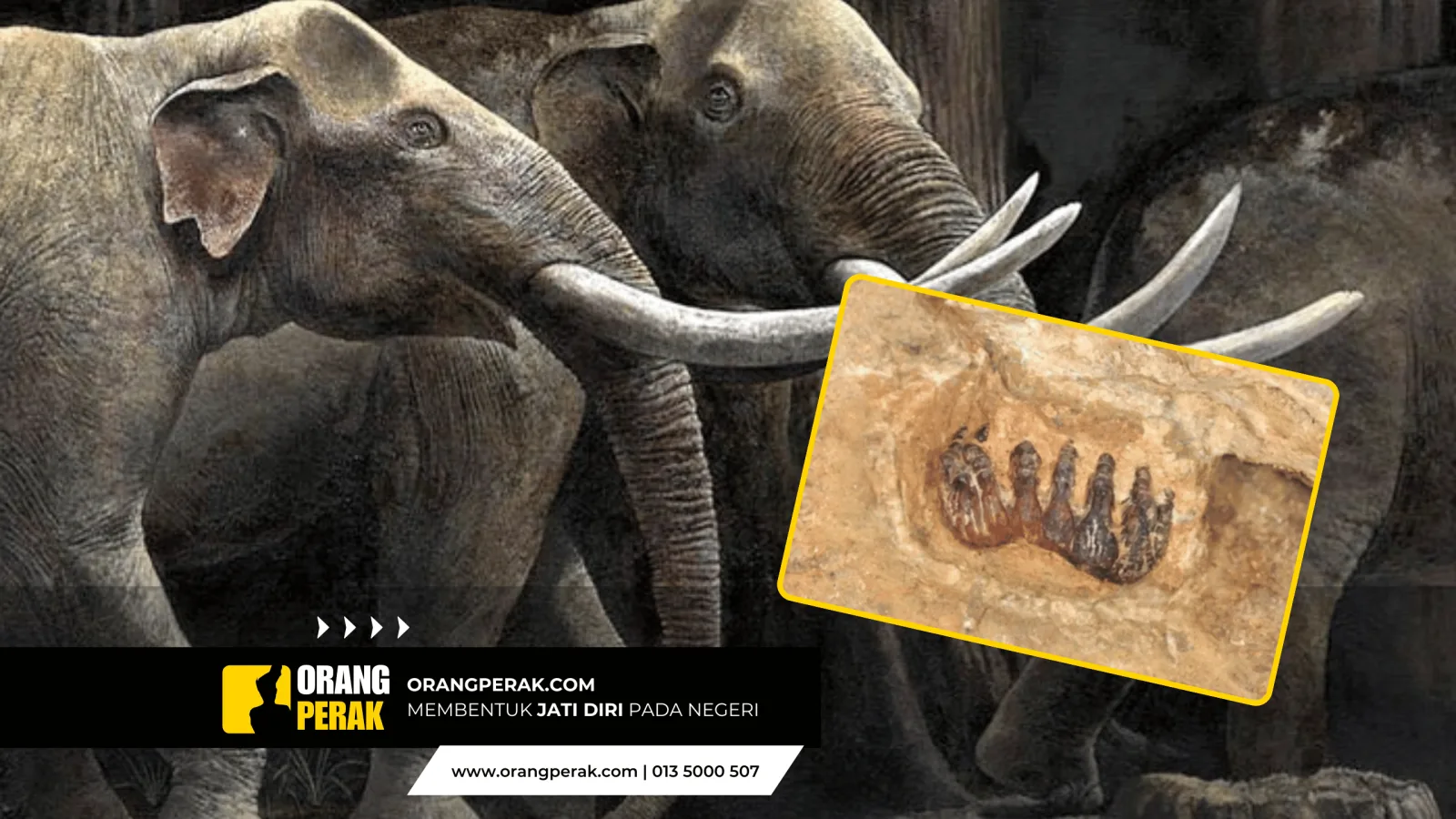
There are also various types of fossils in the museum's collection. Among them are rocks, minerals, gemstones, and much more. There is also a sample of cassiterite, which is tin ore found in tin mines within the Kinta Valley area. If you have the time, do come and visit this Geological Museum to increase your knowledge and general understanding of geology.