The History and Significant Role of Kampung Batu 3 Segari in Lumut
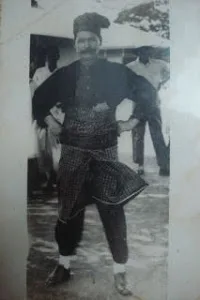
At the beginning of the establishment of Kampung Batu 3, which was previously called Kampung Dato Pendikar, it was named after Dato Pendikar, who was a right-hand man to Nakhoda Muhammad Taib. He was one of the key figures in the founding of this village.
According to the elders in the village, the origin of this village's establishment was to prepare for all eventualities, specifically for self-defense by serving as a secret weapons storage site and a settlement for Dato Pendikar himself. That is why the location of Kampung Batu 3 is situated slightly further inland. For your information, Dato Pendikar had two children. The first child was named Dato Mahmod Bin Dato Pendikar, also known as Pendekar Batu Bara, and the other was Sabariah Binti Dato Pendikar.
In the past, the only main route to the village was a narrow river. It is said that the new name for Kampung Dato Pendikar, which is Batu 3 Segari, may have been chosen to follow the new sequence from the end of Damar Laut all the way to Pengkalan Baharu.
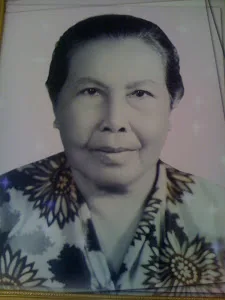
Many believe that most of the current residents there are descendants of Dato Pendikar, his wife, and their children. Returning to the story of Nakhoda Muhammad Taib. You may have never heard his name. For your information, it was Nakhoda Muhammad Taib who founded and administered the Kuala Sepit Malay Kingdom from 1857 to 1876.
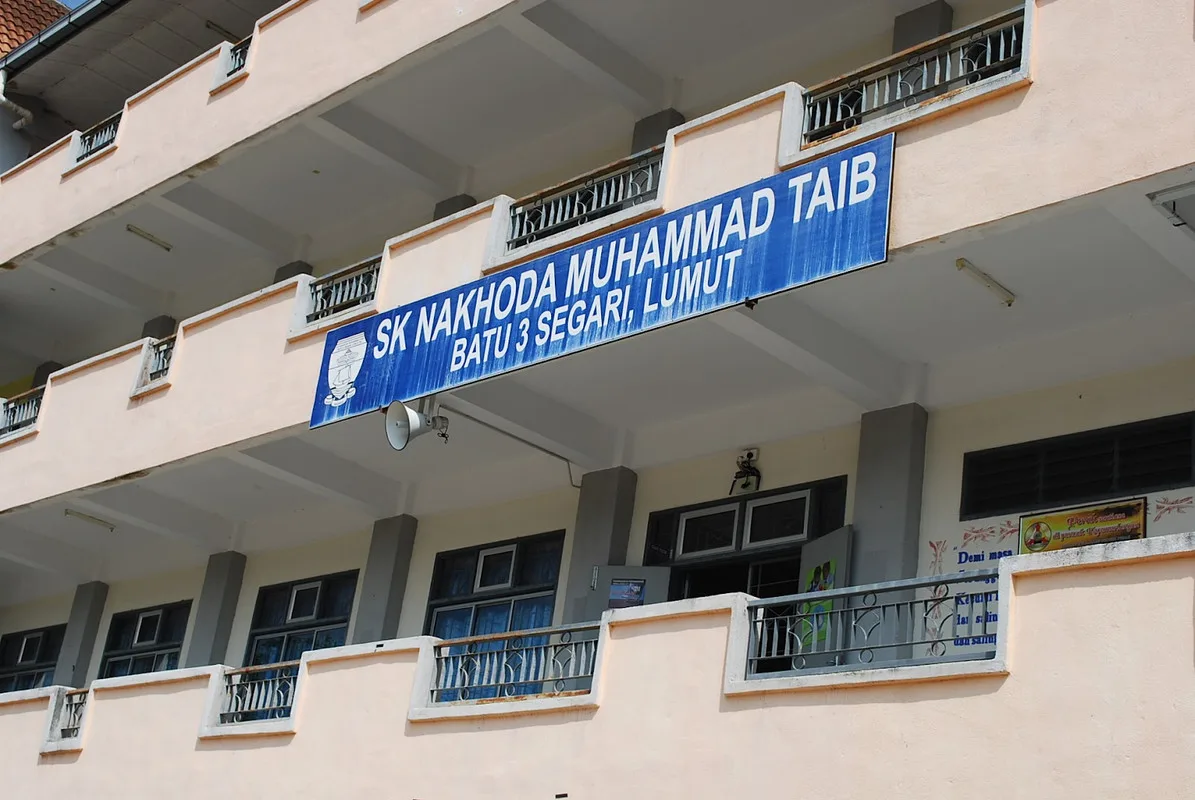
Nakhoda Muhammad Taib passed away in 1873, and his grave is located at Bukit Teluk Kopiah, Batu Tiga Segari in Lumut. Although many do not know who Nakhoda Muhammad Taib really was—one of the earliest Malay warriors—his name is immortalized in a school in Segari called Sekolah Kebangsaan Nakhoda Muhammad Taib, Batu Tiga, Segari in Lumut.
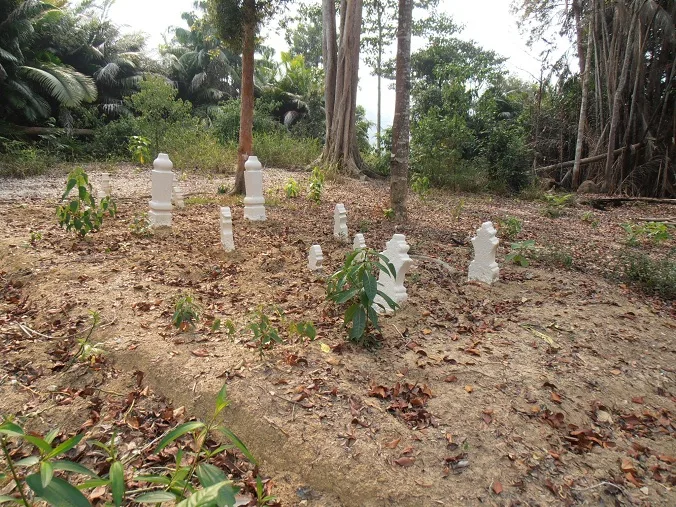
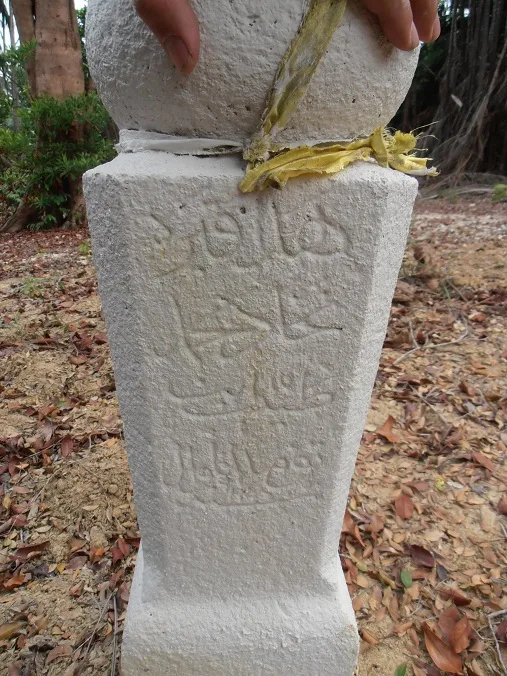
The leadership of Nakhoda Muhammad Taib and the greatness of his struggle led to him being awarded a letter of authority by the 23rd Sultan of Perak, Sultan Jaafar Muadzam Shah, in 1856 to govern the Kuala Sepit territory. Most traces of Nakhoda Muhammad Taib's administration are gone, but their sites can still be seen around the areas of Segari, Hujung Pasir, and others. His heirlooms have been handed over by his surviving descendants in the areas of Batu Tiga, Segari, Ipoh, and others to the complex
Matang Museum, which is Kota Ngah Ibrahim
.