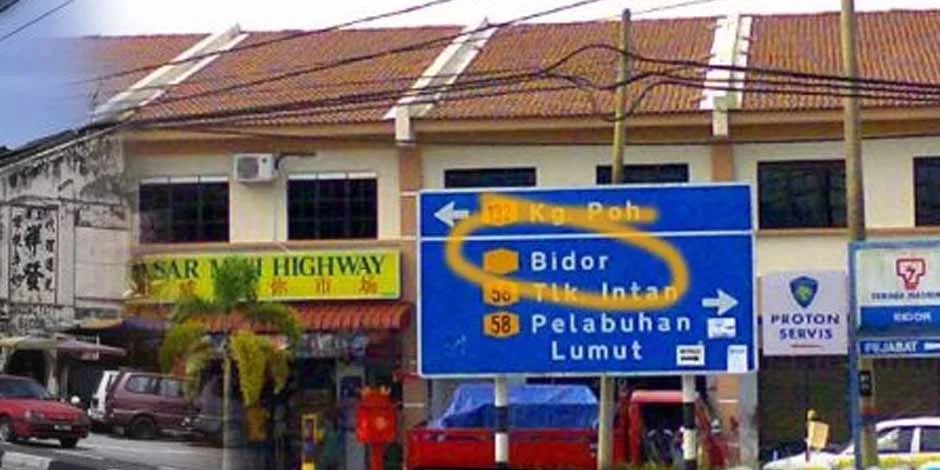
The History and Origin of the Name Bidor, Perak
The Bidor mukim was once part of the Hindu Gangga Negara kingdom based in Beruas. This is evidenced by the discovery of an Avalokitesvara statue in Bidor in 1936 during tin mining exploration.
You may refer to an article we previously published titled
The Discovery of the Avalokitesvara Statue Proves the Existence of the Malay Kingdom of Gangga Negara
. Bidor is said to have existed since the reign of Sultan Salehuddin Shah (the 9th Sultan of Perak), who ruled the state of Perak from 1630 to 1636. For your information, loyal readers of orangperak.com, the history and origin of the name Bidor is said to come from a wooden mold used to measure tin ore.
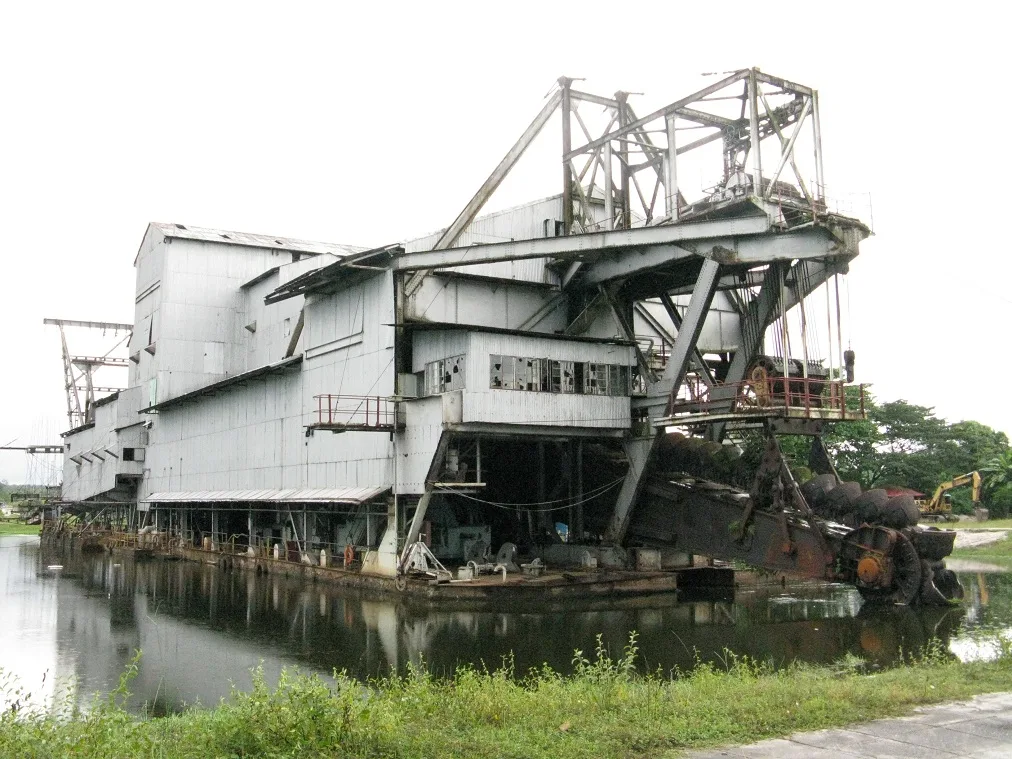
Tin Dredge So much so that the measured tin ore was once used as currency in the state of Perak, which was called Bidor. You can refer to our article at
Currency Once Used in Perak Since 1630
. The calculation is that each Bidor of tin ore contained approximately 70 kati of tin ore. 1 kati is equivalent to 600 grams, so 70 kati or 1 Bidor is equivalent to 43 kilograms.
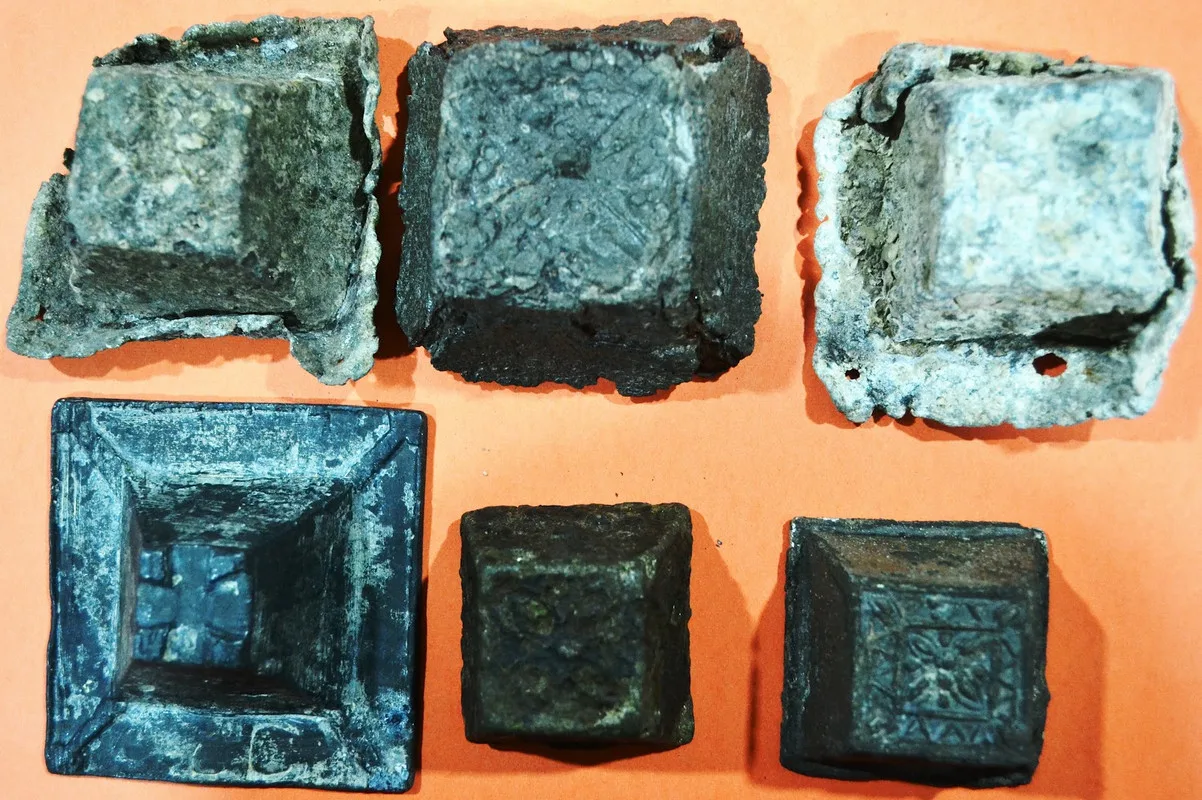
Various types of currency known as Bidor in Perak In its heyday, Bidor was the largest tin-producing area and the most active hub for business and any mining activities related to tin ore in the state of Perak. Following tin mining activities, rubber plantations were opened by the British during the colonial era, which caused many Chinese and Indians to migrate to Bidor, subsequently turning it into a small town.
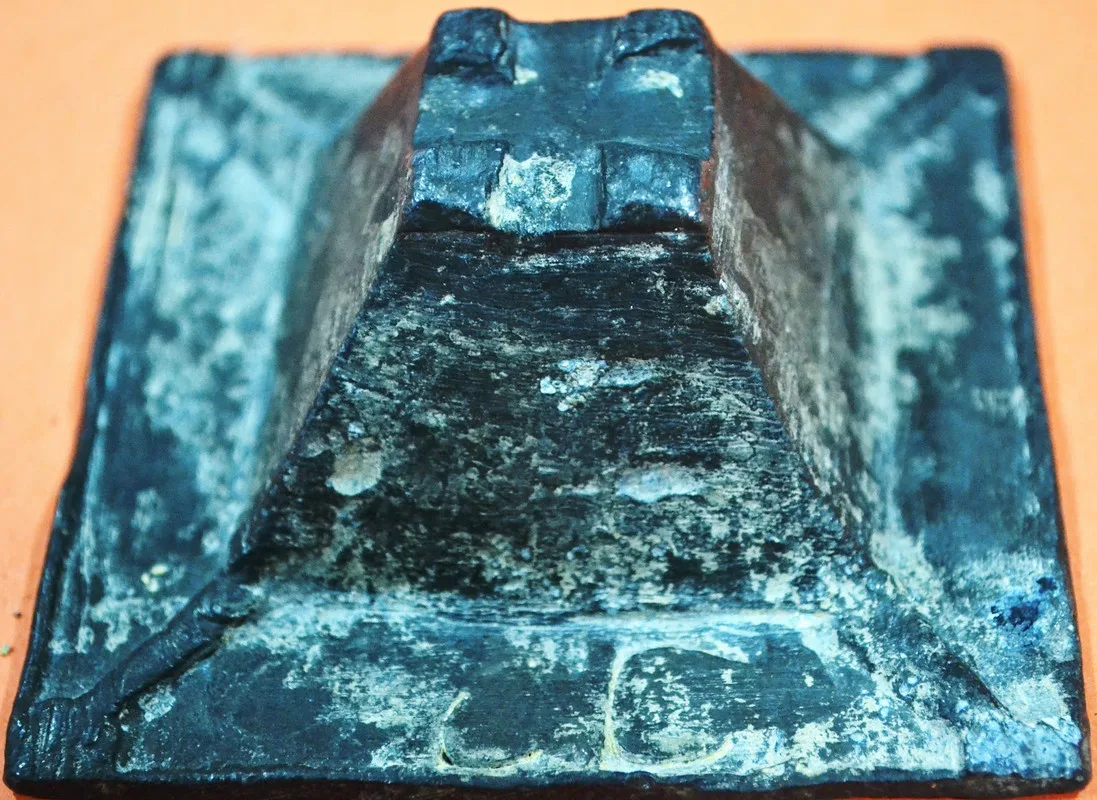
The first person appointed as the Penghulu (headman) of Bidor was Syeikh Abdul Ghani, and it is believed that he was also the earliest settler in the Bidor area. He originated from Sumatra, and since then, the Malay community has continued to grow in the Bidor area.