The First Person to Discover Tin in Larut
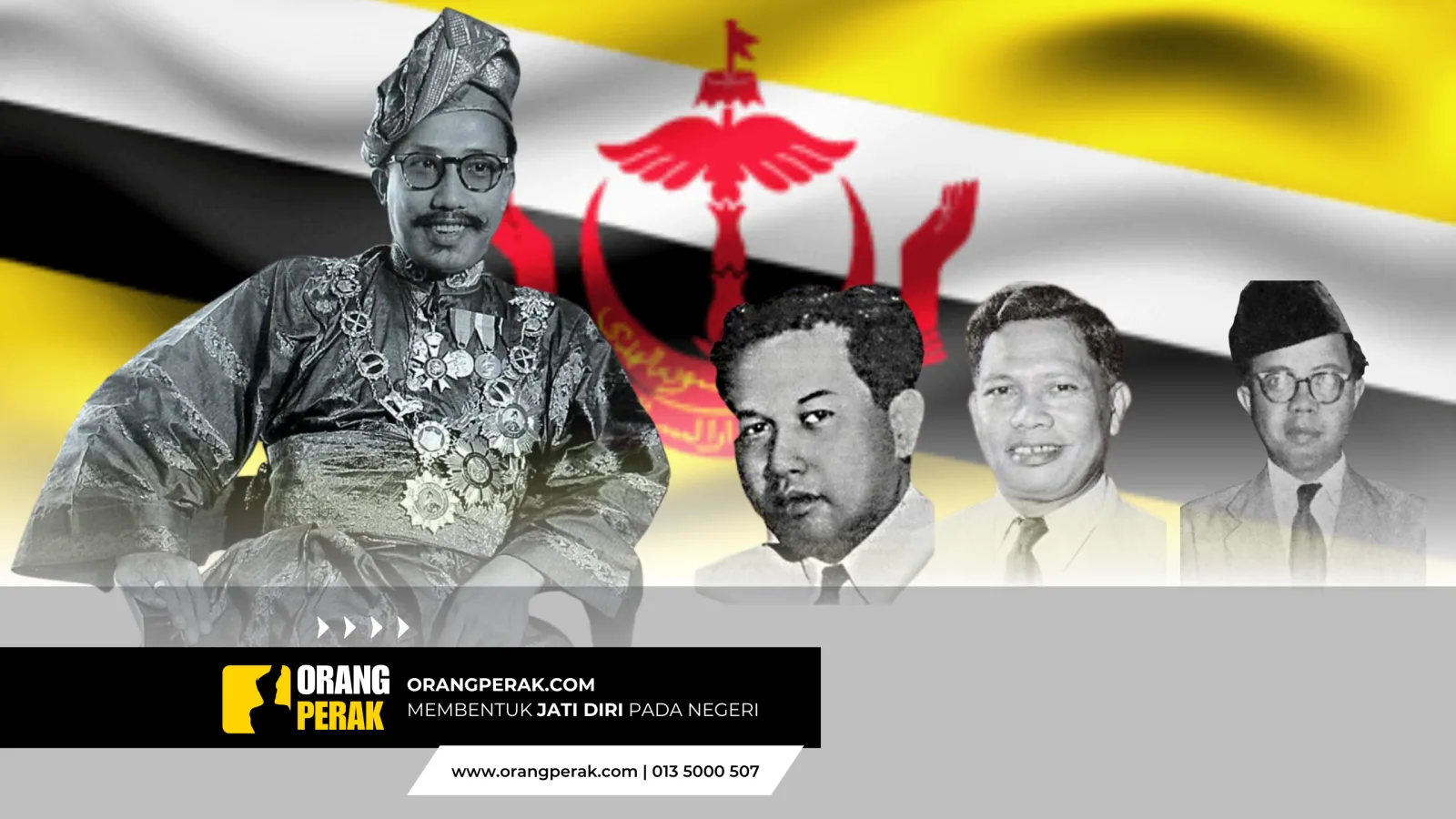
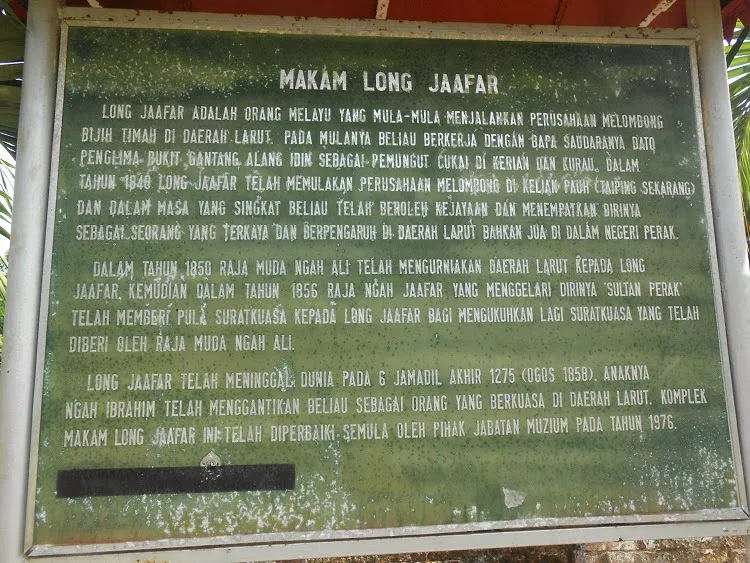
The name Long Jaafar is well-known to historians of the country and Perak in particular. He was the first to discover tin in Larut, began operations in 1848, and developed the area through tin mining ventures.
Due to his efforts, the state of Perak, specifically the Larut district, became famous for tin mining. To strengthen his position, Long Jaafar built a fort in Bukit Gantang, where he also established his residence. The fort was situated on approximately 5 hectares of land. It was constructed from bricks and earth mixed with stone blocks, arranged neatly and perfectly to suit the height of the walls, which varied based on the hillside terrain. The fort walls stood over 2 meters high, with some lower sections reaching about 1.5 meters. The construction took nearly five years to complete. Inside the fort, there were remnants of warehouses used to store tin during Long Jaafar's administration. Additionally, a lake was built in front of the fort. Although much of the fort's walls have been damaged or destroyed, it remains one of the most important historical sites in Perak. Long Jaafar passed away in 1857 and was buried within the fort.
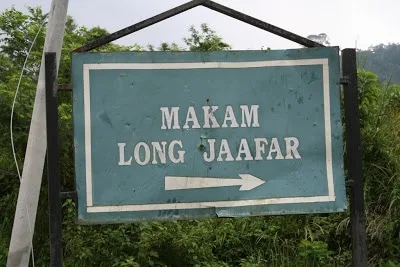
His tomb still exists today. The administration of Larut was later taken over by Long Jaafar's son,
Ngah Ibrahim
.
Ngah Ibrahim
received his official appointment from Sultan Jaafar in 1864 and was given the title Orang Kaya Menteri.
Ngah Ibrahim
continued the tin mining efforts pioneered by his father. However,
Ngah Ibrahim
did not reside at the Bukit Gantang fort; instead, he built
a larger and more robust fort and residence in Matang
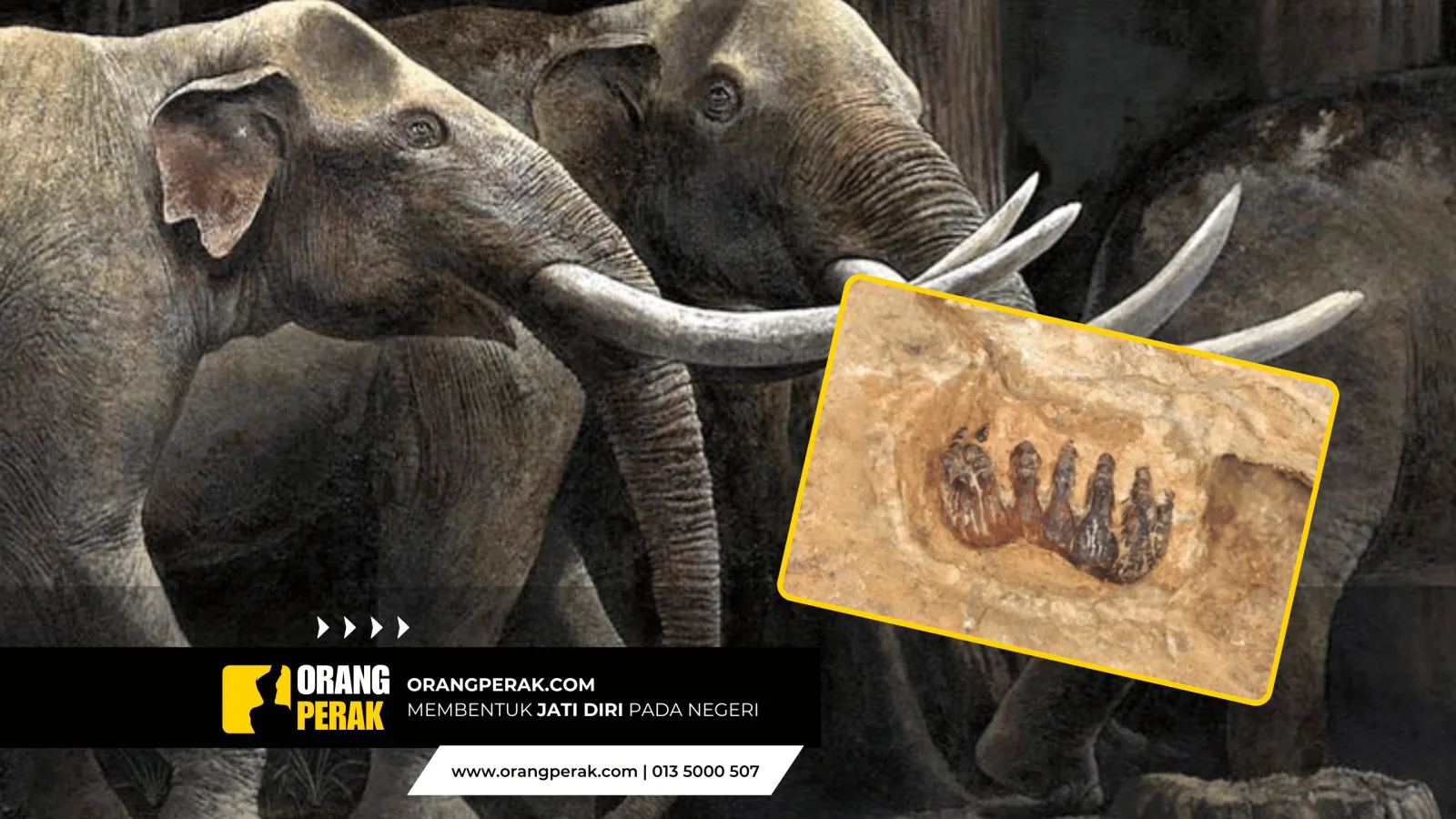
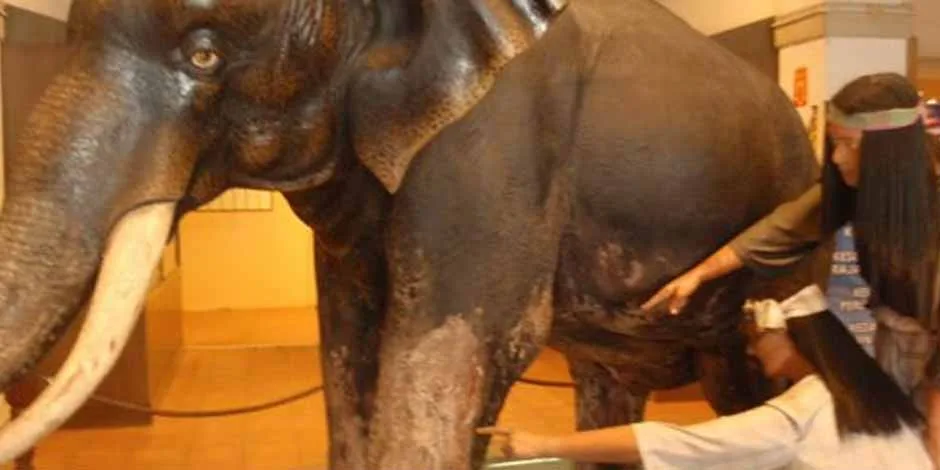
in 1857. The story of the first tin discovery in Larut began when an elephant named Si Larut, owned by Long Jaafar, went missing and was later found. Upon finding the elephant, Long Jaafar was surprised to see its feet covered in hardened mud. Curious and puzzled by this, he decided to investigate, eventually discovering that the lumps covering Si Larut's feet were actually tin ore.
With the discovery of tin in 1848, the course of the state's history changed. Long Jaafar (father of
Ngah Ibrahim
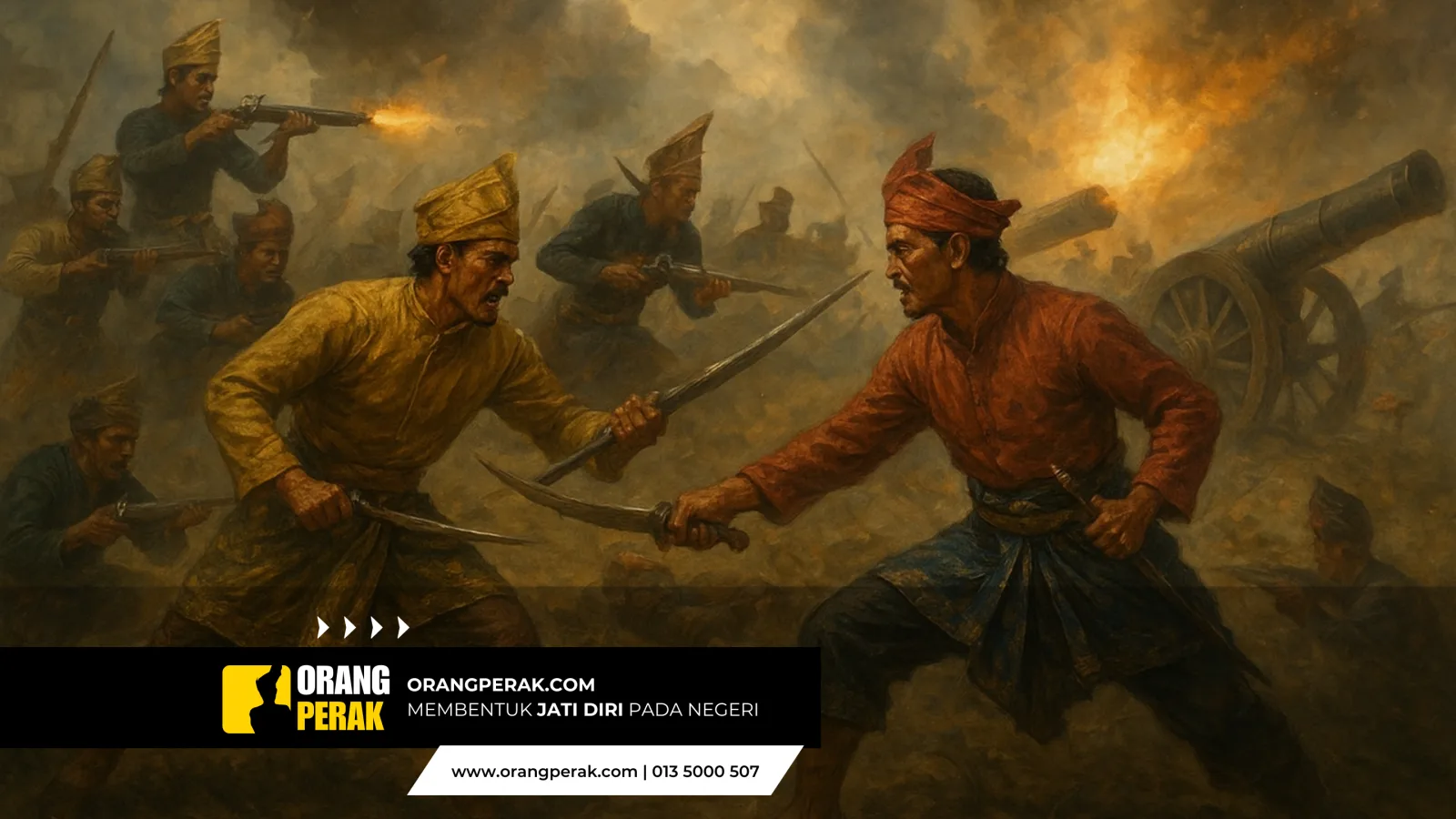
), the Sultan's representative in the district, managed the opening of mines in Kelian Pauh at his own expense by hiring 20 Chinese workers from the Chen Seng Hakka clan (from the Kwantung district). Mining operations in the area flourished, attracting many Chinese miners and their secret societies from Penang to work there. Several rival secret societies in Larut eventually consolidated into two major groups: the Hai San and Ghee Hin. This hostility turned Larut into "a great arena where murder, violence, and robbery occurred continuously." By 1871, it was estimated that there were 40,000 Chinese miners. The value of tin sent to Penang that year was 1,276,518 ringgit, mostly from Larut. On February 24, 1872, a major conflict broke out between the Ghee Hin and Hai San factions. The spark for this conflict had been lit earlier in February when a girl from the Chen Seng clan (Hai San group), who was in love with a young man from the San Neng clan (Ghee Hin group), was severely injured by Ghee Hin members as a warning to the Hai San group. As a result, tensions between the two groups peaked, leading to the 3rd Larut War (February 24, 1872), which was triggered by a minor dispute over gambling. The Ghee Hin emerged victorious, and 10,000 Hai San members were forced to flee Larut for Penang.
Ngah Ibrahim
, whose support for the two groups constantly shifted, was unable to control the situation.
The fighting severely affected the tin mining industry in Larut. Finally, in 1872, he was forced to request assistance from the British Lieutenant Governor in Penang to handle the situation. Fearing that the unrest would spread to Penang, the Governor ordered an arms embargo and sent a naval force to control the entry of weapons into Larut. In 1873, the government in Penang allowed
Ngah Ibrahim
to import weapons and permitted Capt. Speedy to help him establish his own army (from India) to deal with the unrest in his territory (Larut). Although both figures, Long Jaafar and
Ngah Ibrahim
, have long since passed, both carved a glorious history through their success in opening and developing the tin mining industry in Perak in general and the Larut district in particular. The names of Long Jaafar and his son
Ngah Ibrahim
remain immortal in the nation's history as Malay pioneers who developed the tin industry, eventually drawing the attention of immigrant communities and the British to participate in the enterprise.