The Development of Tin Mining in Klian Intan
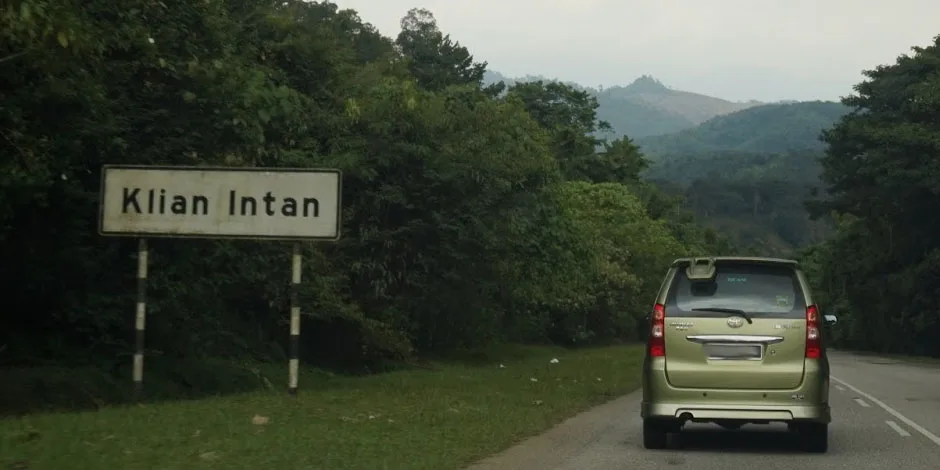
Klian Intan is a region known as a tin mining area located in the state of Perak and can be considered one of the oldest mining sites in Perak. In the 17th century, Klian Intan was widely known, including among Portuguese traders who had settlements in Melaka. This oldest mining area was so rich in tin ore that many Portuguese traders made early records describing the area as one that was developing rapidly through tin trading activities [1]. Perak became increasingly famous to the outside world as a tin producer. This was evident during the Portuguese era in Melaka [2]. The state of Perak was established around the 16th century and played its own unique role as a primary state supplying tin to Western traders, especially the Portuguese who stopped at the port of Melaka [3]. Initially, Perak was a small settlement along the Upper and Lower Perak rivers, but its population gradually increased. According to Tome Pires' records in 1515, the population of Perak was estimated at only around 200 people. However, after being established as a state, Dutch reports explained that the population had increased to 5,000 people by 1621. Perak was frequently visited and served as a major port for the tin trade. Here, around the mountain ranges, large tin mines were found, and every year more than 300 bahara* [4] of tin were supplied to the captain of Melaka and merchants from India [5].
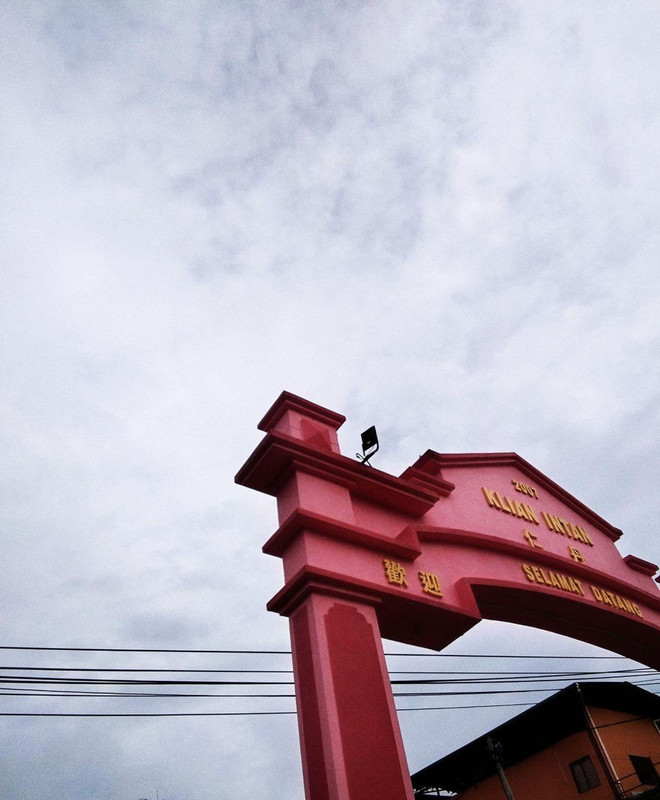
The town of Klian Intan also once caught the attention of the press, which reported on the leader of the Malayan Communist Party (MCP), Chin Peng, who was in Klian Intan before being taken to Baling to attend a historic event, the Baling Talks of 1955. The author would like to quote Chin Peng's own words regarding this statement from his work, Chin Peng: My Side of History. "Close to the Malayan Frontier, was no more than a two-hour trek from the agreed rendezvous point with the British officer who would escort me to Baling. If we were to reach the outskirts of the disused Gunong Paku tin mine by the appointed time—10:00 o’clock the following morning—we would have to de-camp and be moving by 8:00 o’clock at the latest" [6]. In the early stages, tin mining activities in Klian Intan were only carried out in the valleys of Gunung Paku. However, the upper part of the mountain was said to have never been touched, even though it was known to contain a lot of unexplored tin ore [7]. This happened because the miners were worried that if they explored the upper part of the mountain, they would disturb the peace of the mountain spirits (Jin) (according to their beliefs). At that time, the understanding of the Muslim community in general was limited only to matters of worship. It is not surprising that such beliefs existed [8]. "The local hereditary 'Pawang' climbed to the top of the hill periodically to sacrifice a buffalo to the Jin" [9]. Klian Intan played its own unique role in the past, which also created border disputes, especially between the residents of Perak and Reman, which will be discussed in the following explanation. By 1963, tin mining activities in Klian Intan were believed to have been ongoing for more than 100 years.
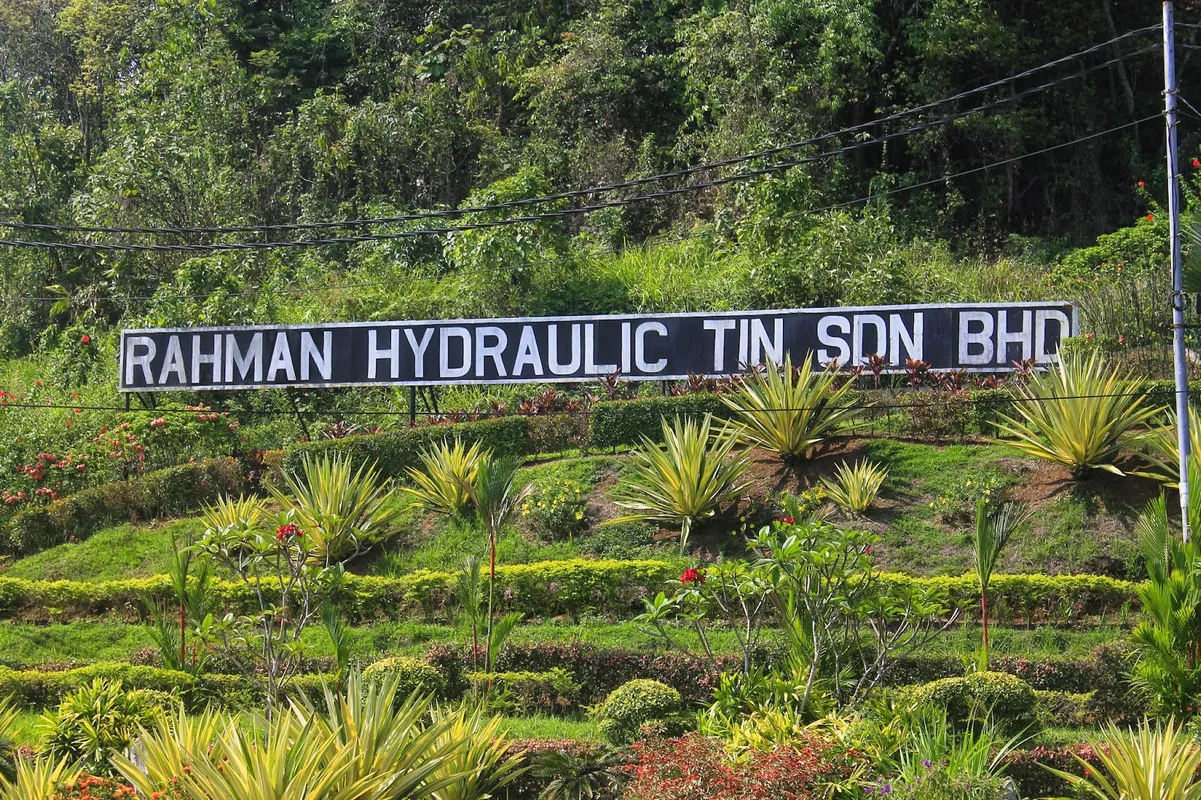
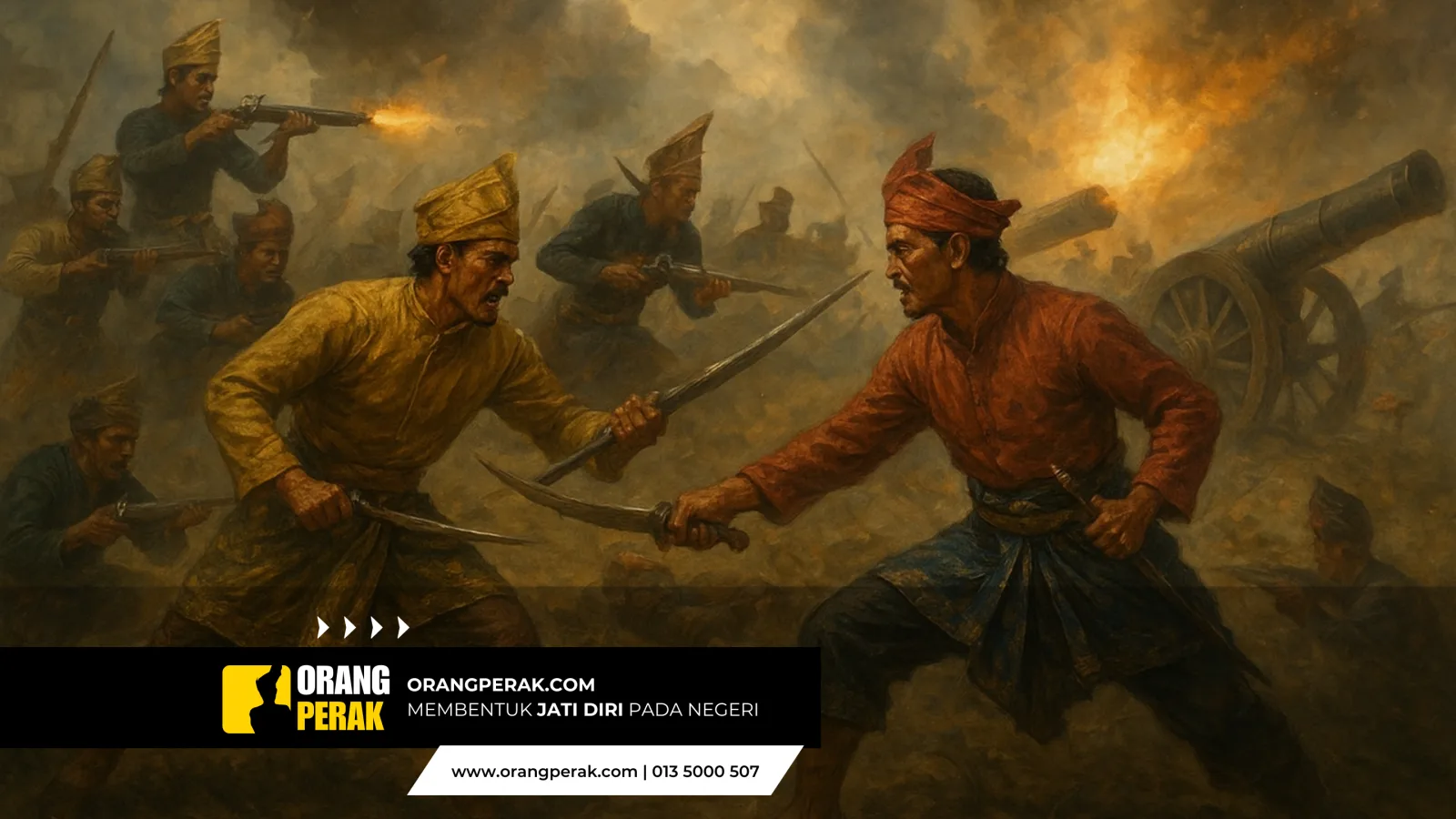
Interestingly, the existence of this tin ore has provided benefits to the residents of Klian Intan, especially through Rahman Hydraulic Tin Sdn Bhd, which remains in operation to this day. On September 10, 1770, Antony Werndly submitted a proposal to the Perak state authorities to take more effective action regarding the mining areas that supplied tin to traders. Antony Werndly was a Dutch representative who was in great need of the mineral. This caused him to urge Paduka Seri Sultan Mahmud to act aggressively in an effort to claim Perak's sovereignty. He argued that a military force should be sent as soon as possible to the claimed area so that he could prove Perak's sovereign rights over the mining areas in question. "He argued forcibly for stronger action to enforce Perak's rights over the rich tin areas in Kerian and Ulu Perak, pointing out that it was not only the Company which suffered. Sultan Mahmud himself had told Werndly that he had received neither tolls nor taxes from Penghulu Boton. The Dutch envoy found a ready supporter in the Raja Muda, whose opinion of the VOC contract had clearly altered since he had voiced his opposition in the previous reign" [10]. In November 1768, Seri Bija Diraja was sent to Patani to resolve the dispute over the Klian Intan mining area, carrying a letter addressed to the Patani officials. The letter was also sent to Sultan Mohammad Jiwa (Kedah) regarding the involvement of his subjects and the status of Klian Intan, Klian Indah, and Rui (near the state of Kedah). However, by February 1769, Perak had still not received any response. In October 1769, a reply from Sultan Mohammad Jiwa was received, explaining that he refused to intervene in the crisis. He also made no claims to the Klian Intan, Klian Indah, and Rui mining areas. The question is, what was the response from the ruler of Patani regarding the matter? Patani continued to remind and reiterate the recognition of Paduka Seri Sultan Mahmud Syah himself regarding the rights of Penghulu Unun, who held power in Rui and Klian Indah. This naturally angered Perak because the value of tin was increasing and becoming a competition among foreign traders, especially the Dutch. This situation led to a war between Perak and Reman (part of Patani, now in Thailand). The war between these two parties is very interesting for the author to discuss because it involved 3 series of wars. The first Perak-Reman war broke out in 1826, which saw the Perak army under the leadership of Dato Seri Maharaja Lela (not the individual involved in the assassination of J.W.W. Birch). The Perak army, consisting of residents from Lower and Upper Perak, raided and seized the mining areas located in Southern Reman. They also succeeded in occupying certain areas such as Klian Intan, Keroh, Kuala Kepayang, and Kapeh (now Betong, Thailand). Orders were issued by the Reman government for their troops to occupy Southern Reman and regain control of areas such as Klian Intan, Kapeh, and Keroh. However, they failed to capture the Kuala Kepayang fortress. This caused Raja Shahid to remain in Kuala Kepayang, where he was tasked with collecting tin and rice taxes brought upstream through Kuala Kepayang and the Rui River as a source of revenue for Perak. The Klian Intan, Keroh, and Kapeh mining areas fell into the hands of the opposition, controlled by Tok Nang Sikuat (the daughter of the Raja of Reman). The Perak army attacked the enemy for the second time, forcing Tok Nang Sikuat to gather military strength from among the Reman residents led by Mengkong* Deleha [11]. However, the Perak army was trapped in an ambush that occurred in Lepang (near the Perak-Southern Thailand border). This situation caused many Perak soldiers under the leadership of Andika Raja Meor Abdullah to be killed, and Perak was defeated in the battle once again. To face the third series of wars under the leadership of Sultan Abdullah Muhammad Syah, Perak acted more prepared by building defensive fortresses along the narrow valley around the Kuala Kua area. Nevertheless, the Patani strategy was more cunning; they attacked from the hillside and weakened the Perak army. Perak launched a counter-attack by assaulting the Reman troops while they were sleeping in Jambai. Many enemy soldiers were killed, and some hid in the forest or decided to surrender after being surrounded by the Perak army. Mengkong Deleha was severely injured and eventually passed away [12] (buried in Betong). Thus, the series of wars between Perak and Reman, which began in 1826, ended in 1856. However, Reman still controlled important areas that were contested during the Perak-Reman war. A historic treaty known as the Bangkok Treaty was signed on March 10, 1909, between the Siamese Minister of Foreign Affairs, Prince Devawongse Varoprakar, and Jens I. Westengard (Siamese side) along with Ralph Paget (British side). One of the terms of this treaty was that the Northern Malay states, Kelantan, Terengganu, Kedah, Perlis, Pulau Langkawi, Southern Lengeh, and Southern Reman would be handed over to British administration in Malaya. Official British intervention in the Unfederated Malay States began with the state of Kelantan after the Anglo-Siamese Treaty. It was then followed by other states [13]. A border change occurred in 1884 up to the Gerik area, which caused the Hulu Perak district to become larger by including the Lenggong valley, which covers Kota Tampan and Temelong. Ferdinando Carlo Bozzolo was one of the individuals appointed as Tax Collector and Magistrate to administer the new Hulu Perak district on January 1, 1885. In this regard, he was the first European to hold a high-ranking British official position with authority in the Hulu Perak area. This allowed the early British colonial administrative functions in Perak to be fulfilled well. The question is, did the expansion of the area bring profits to the British Colonial authorities? In reality, this area did not provide any profit in the early stages because it was filled with dense jungle. There was a mining company owned by Helms (a Dane) called The Ulu Temelong Hydraulic Tin, managed by Mackie, but the company did not operate for long and had to be closed. Hulu Perak underwent a second expansion, also known as the change of its boundary stones, up to the village of Gerik, except for the Kerunai area. At this time, tin mining activities in Klian Intan were undertaken by two companies that had leased the Gunung Paku area since 1903, namely the Rahman Tin company (managed by Cecil Pearse) and the Rahman Hydraulic Tin company (managed by J.D. Kemp). Interestingly, these two companies merged to become Rahman Hydraulic Tin Limited with an initial capital of $2 million, covering an area of 1,327 acres [14]. "The Rahman Hydraulic Mine, Mr. Pearce, Manager has about 600 acres of land all around Mr. Kemp’s hill top. There is a considerable area of land to be worked, and the output for the next twelve months is estimated at 4,000 pikuls. Tin and tin ore is exported via Becha Deradap to Baling in Kedah, where it is taken in boats down the Kuala Ketil and Muda rivers to Kuala Muda, and thence to Penang" [15]. Thus, the inclusion of Southern Reman, which was indeed rich in mineral resources and forestry, added one-third to the size of the state of Perak. The existence of the international Malaya-Siam (Malaysia-Thailand) border caused problems such as sovereignty rights and power struggles to be successfully resolved [16]. The British presence in Klian Intan certainly changed the method of tin mining by using machinery, unlike the old method which used a 'Pawang' (shaman) to locate tin ore. The method used by the British, according to Frank Swettenham in his work, British Malaya (translated by Khairul Asraf Shah), explains that the British determined the presence of tin ore through excavation and by observing the surface features near existing mines [17]. In the 1930s, the Klian Intan mining area was one of the most complete mining areas in Malaya. It had sufficient facilities as a self-contained power generation center to operate tin ore transport machinery using aerial ropeways. When Japan attacked Malaya, RHTL did not operate, and this caused the company's workers to lose their jobs. However, not long after, the Japanese gathered all the mine workers at the RHTL administration building. They were ordered to assemble and listen to a speech delivered by the Japanese. "The British have gone from here. Now Japan will take over. Japan wants this mining area to run as usual. You don't need to be afraid because we are a company ordered by Japan to come to Klian Intan and restart mining operations. Workers can all work as usual because if you don't work, your life will be difficult" [18]. Behind the phrase "run as usual," there were actually Chinese mines that had once sided with the Chinese government that were seized by the Japanese. This happened because of the Japanese's displeasure towards the Chinese people, as they had once fought with China. The Japanese also committed atrocities against the Chinese population, which led to feelings of revenge (Anti-Japanese) among the Chinese people. One of the events that describes this cruelty is the Rape of Nanking. "When the city fell on December 13th 1937, Japanese soldiers began an orgy of cruelty seldom if ever matched in world history. Tens of thousands of young men were rounded up and herded to the outer areas of the city, where they were mowed down by machine guns, used for bayonet practice, or soaked with gasoline and burned alive" [19]. Although in the early stages of Japanese rule they managed to increase tin production, by 1944, the total tin production was only 2,373 pikuls. "During the Japanese occupation, everyone lived in hardship. Even eating was difficult. The Chinese went into the forest to plant rice. Men, women, everyone went to plant. If you didn't plant, it was hard to survive. We even grew our own vegetables. At that time, everyone found it hard to get food" [20]. As a result of the expansion of planting activities, land use increased from 113,530 acres in 1941 to 143,498 acres in 1942 [21]. Japan surrendered on August 15, 1945. This caused British mining companies to act to reposition themselves in Malaya to resume operations. They acted to restore the industry to ensure that the financial benefits of the companies could be recovered. This indirectly helped restore the economy in Klian Intan. There were several reforms carried out by the British, including:
- The Tin Inspection Committee classified European-owned dredges into four different categories depending on the time required for restoration.
- The British collaborated with the Department of Lands and Mines in 1950. The result of this collaboration was that those who were eligible received licenses to purchase tin ore [22].
To this day, Klian Intan remains one of the active mining areas in Perak. History has recorded the mass arrival of miners from various places, especially Malays from Patani, Perak, and Kedah. This situation also occurred among the Chinese, who also worked hard regardless of fatigue to earn a living through tin mining activities in Klian Intan. In particular, the British were willing to come to realize their desire to control this most important resource. The Portuguese arrived earlier in Klian Intan to conduct tin trading activities. Not to be outdone, the VOC acted to replace the Portuguese to monopolize the tin trade in Klian Intan. The author is very impressed with RHTL's ability to have its own hydroelectric station. It was very unique for a mining area in our country to have such capability at that time (mid-20th century). This hydroelectric station did not only function for mining activities but also brought benefits to the surrounding residents. In 1954, the government began to take over the role played by RHTL, which was to supply electricity directly to the residents in the Kroh sub-district. Footnotes:
- Mohamad Rashidi Pakri & Nik Haslinda Nik Hussain, Klian Intan: Tin Mining and Socioeconomic Development, Universiti Sains Malaysia, Penang, 2017, p.24.
- Adnan Hj Nawang, Perak: Past and Present, Malaysian Museums Association, Kuala Lumpur, 1988, p.36.
- Talib Samat, Tengku Menteri: The Story of the Leading Malay Tin Corporate Figure Long Jaafar and Ngah Ibrahim, Founders of Taiping Heritage City 1790 to 1895, PTS AKADEMIA, Selangor, 2014, p.32.
- -
- Mohamad Rashidi Pakri & Nik Haslinda Nik Hussain, Klian Intan: Tin Mining and Socioeconomic Development, Universiti Sains Malaysia, Penang, 2017, p.25.
- Chin Peng, My Side of History, Media Masters Publishing Sdn Bhd, Ipoh, 2003, p.368.
- Mohamad Rashidi Pakri & Nik Haslinda Nik Hussain, Klian Intan: Tin Mining and Socioeconomic Development, Universiti Sains Malaysia, Penang, 2017, p.83.
- Ishak Saat, Malay Radicalism in Perak 1945-1970, Universiti Sains Malaysia, Penang, 2014, p. 72.
- Mohamad Rashidi Pakri & Nik Haslinda Nik Hussain, Klian Intan: Tin Mining and Socioeconomic Development, Universiti Sains Malaysia, Penang, 2017, p.101.
- Ibid, p.36.
- Mengkong (Equivalent to the position of village head/penghulu)
- Mohamad Rashidi Pakri & Nik Haslinda Nik Hussain, Klian Intan: Tin Mining and Socioeconomic Development, Universiti Sains Malaysia, Penang, 2017, p.50.
- Zaini Nasohah, Administration of Islamic Law in Malaysia: Before and Towards Independence, Utusan Publications & Distributors Sdn Bhd, Selangor, 2004, p.29.
- Mohamad Rashidi Pakri & Nik Haslinda Nik Hussain, Klian Intan: Tin Mining and Socioeconomic Development, Universiti Sains Malaysia, 2017, p.65-70.
- Ibid p.70.
- Ibid, p.72.
- Khairul Asraf Shah, Translation of British Malaya by Frank Swettenham, Geroda Merah Press, Kuantan, 2018, p. 287.
- Mohamad Rashidi Pakri & Nik Haslinda Nik Hussain, Klian Intan: Tin Mining and Socioeconomic Development, Universiti Sains Malaysia, Penang, 2017, p.89.
- Iris Chang, The Rape of Nanking: The Forgotten Holocaust of World War II, Basic Books, New York, 1991, p.2.
- Mohamad Rashidi Pakri & Nik Haslinda Nik Hussain, Klian Intan: Tin Mining and Socioeconomic Development, Universiti Sains Malaysia, 2017, Penang p.90-91.
- Ibid, p.91.
- Ibid, p.94.
References:
- Adnan Hj Nawang. 1988. Perak: Past and Present. Kuala Lumpur: Malaysian Museums Association
- Chin Peng. 2003. My Side of History. Ipoh: Media Masters Publishing Sdn Bhd
- Ishak Saat. 2014. Malay Radicalism in Perak 1945-1970. Penang: Universiti Sains Malaysia
- Iris Chang. 1991. The Rape of Nanking: The Forgotten Holocaust of World War II. New York: Basic Books
- Khairul Asraf Shah. 2018. Translation of British Malaya by Frank Swettenham. Kuantan: Geroda Press
- Mohamad Rashidi Pakri & Nik Haslinda Nik Hussain. 2017. Klian Intan: Tin Mining and Socioeconomic Development. Penang: Universiti Sains Malaysia.
- Talib Samat. 2014. Tengku Menteri: The Story of the Leading Malay Tin Corporate Figure Long Jaafar. Selangor: PTS Akademia
- Zaini Nasohah. 2004. Administration of Islamic Law in Malaysia: Before and Towards Independence. Selangor: Utusan Publications & Distributors Sdn Bhd