The Bloody Bechah Kemahang Incident in Lenggong
After the Japanese surrender in 1945, a power vacuum emerged in Malaya with no stable administration to maintain order. The Malayan Communist Party seized this opportunity to take control, with their first actions being the immediate occupation of police stations. They then initiated a policy of vengeance against those suspected of being Japanese collaborators.
The accused civilians were tried in what was known as a 'People's Court.' These courts did not follow international regulations, and evidence was based solely on hearsay. As the Malayan Communist Party had a large Chinese membership, the Malay community felt threatened by them. Consequently, many Malays joined defense forces established by the British administration to oppose the communist terrorists, which simultaneously triggered the first Emergency to curb communist influence. The declaration of the Emergency put the communist terrorists under increasing pressure, leading them to attack civilians who refused to cooperate with them more frequently. In this article, orangperak.com wishes to share a story that serves as proof of communist cruelty toward civilians: the Bechah Kemahang Incident in Lenggong, so that it may serve as a lesson for us in defending the dignity of our race and nation.
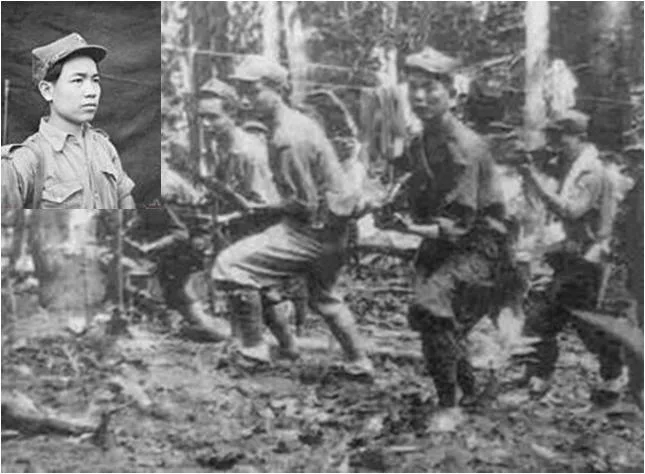
illustrative image In the past, the Lenggong and Grik areas, surrounded by dense forests and hills, were acknowledged as 'black areas' in the Malay Peninsula because they served as a route connecting the southern part of the country to the East Coast, bordering Thailand. This route was constantly used by the communists, making it easy for them to flee and hide in border areas when pursued by the military. In Lenggong alone, there were many bloody incidents, including the murders of security personnel and residents who refused to cooperate with the communists. Among the bloody tragedies that occurred in the Lenggong area was the 'Bechah Kemahang Incident' in Changkat Berangan, Lenggong, in 1952, during the height of the communist terror era. In this incident, communist terrorists attacked a public bus traveling between Taiping and Grik. The bus was nicknamed the 'Mail Car' by residents because it frequently carried postal parcels and passengers at the time.
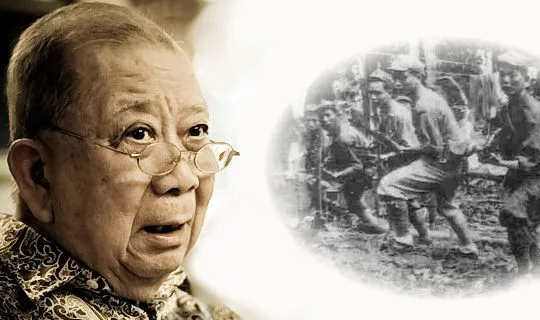
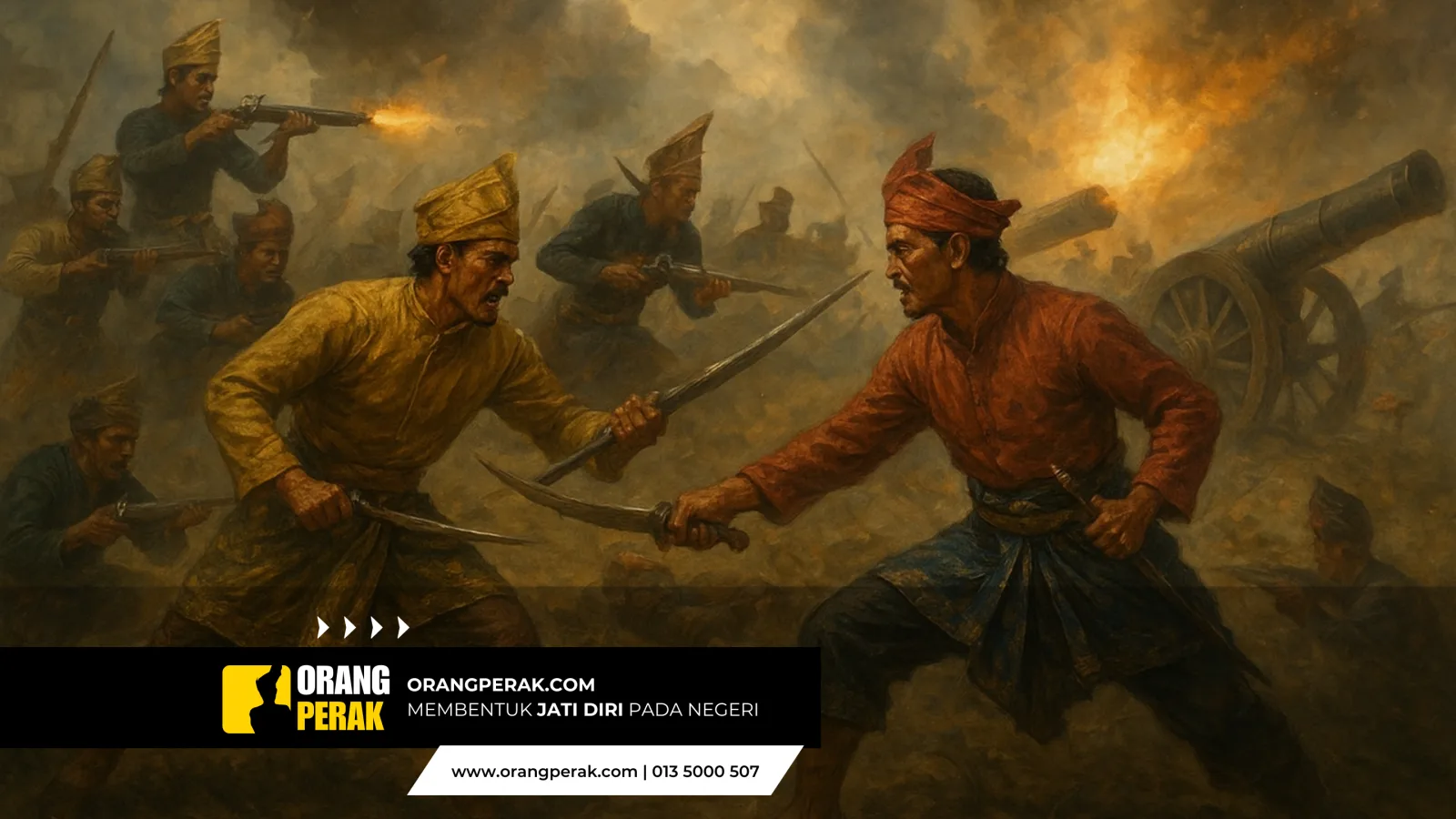
illustrative image The communists intercepted the bus as it passed through the road in Bechah Kemahang. All 30 passengers were ordered to disembark because the communists suspected the bus was carrying military intelligence or police personnel. However, after searching and interrogating them, the communists, finding no individuals or items they were looking for, began to act violently toward the bus passengers. According to stories from witnesses and residents in the Bechah Kemahang area, the communist terrorists hanged a Chinese woman and two Malay men to death at an estate hut by the roadside. Other passengers were taken to a cave in the Banjaran Bintang Hijau deep in the forest and held as hostages as a warning to security forces and villagers not to dare oppose them. After some time, a police officer who was the Lenggong Police Station Chief at the time, known as Pak Cu Kote, delivered a message that if they wanted all the passengers to be safe, the villagers had to fight the communists. From that point on, a group known as the 'seven brothers' was formed, immortalizing the name of Osman Mat Piah as a village warrior who rose up to bravely attack the communist stronghold and rescue the hostages.
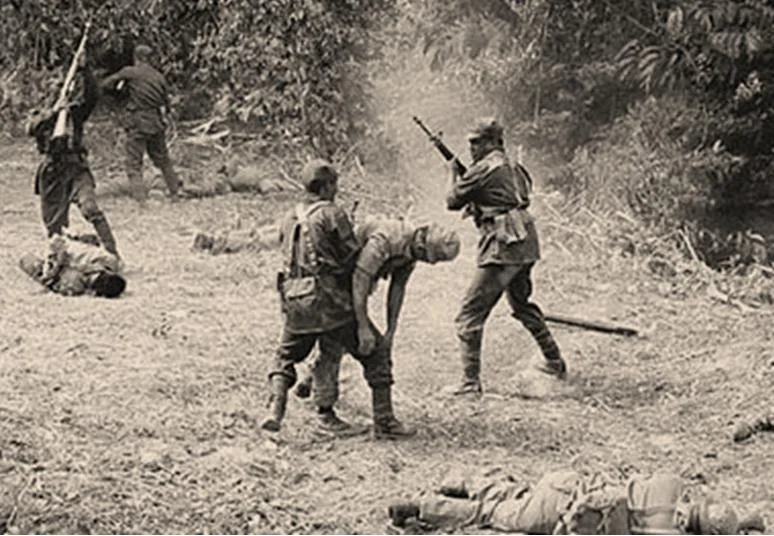
illustrative image The 'seven brothers' homeguard consisted of Osman Mat Piah, his two brothers Hussien and Yaakob, and three of Yaakob's sons—Mior Ahmad, Mior Kassim, and Mior Ariffin—along with his son-in-law, Sulaiman Pandak Yusoff. Armed only with shotguns supplied to the village guard unit, the seven brothers successfully rescued the hostages after a three-day battle that resulted in the deaths of all 30 communists. In that same year, an air crash occurred involving a British Bristol Brigand PH755 attack and bomber aircraft, which crashed during an operation to bomb a communist nest in the area, killing three crew members. The crew of the Bristol Brigand RH 755 who perished were pilot Basil Cochrane, Sergeant James Blacklock Armstrong, and Cyril John Alexander Cox.