The 1952 Belum Valley Liberation Operation, A Major Victory Against Communist Terrorists
The 1952 Belum Valley Liberation Operation, A Major Victory Against Communist Terrorists
On March 16, 1952, a massive operation successfully ended the control of communist terrorists in Belum Valley, Ulu Perak, which had been their stronghold for a year. Belum Valley, a remote area in northern Perak, had been used as a primary food supply hub by communist terrorists to support their activities around Ulu Perak.
The area was occupied by 11 Malay villages that were cut off from the outside world due to the cruelty and control of the communists. For a year, the communist terrorists ran rampant in Belum Valley. They severed the villages' connections to the outside world and imposed a tax system on the residents.
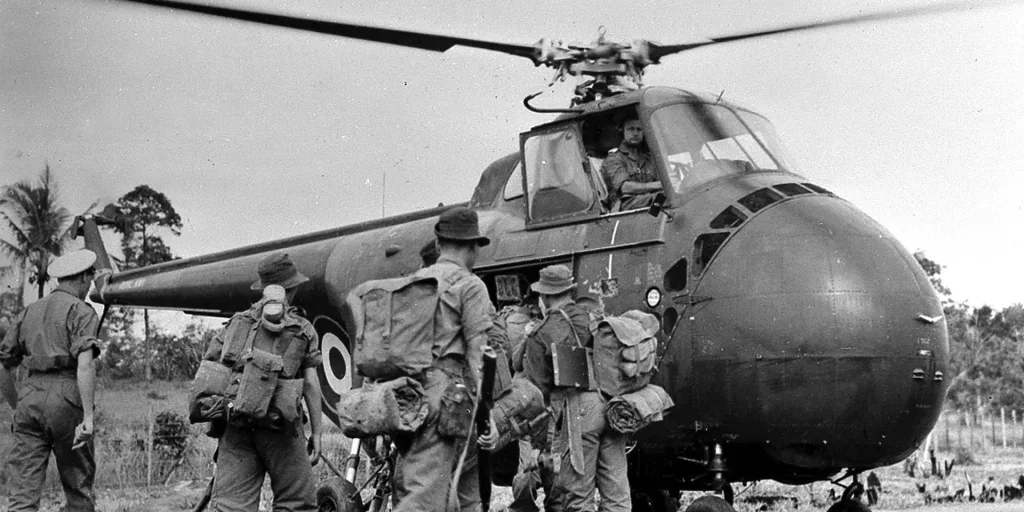
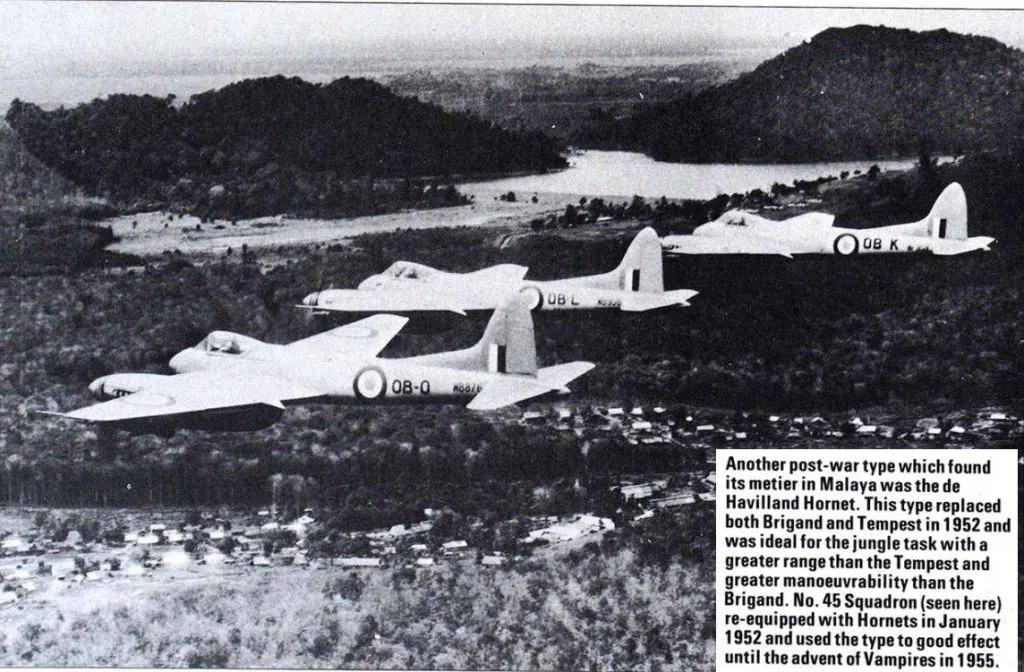
Local residents were forced to grow hill paddy to contribute to the food supply of the communist members. The villagers' lives became very difficult, forcing them to live in fear and under pressure. To address this threat, a massive operation was launched with the cooperation of various parties, including the local police, the Royal Air Force, the Royal Australian Air Force, members of the Royal Aero Club, and government officials from Kelantan.
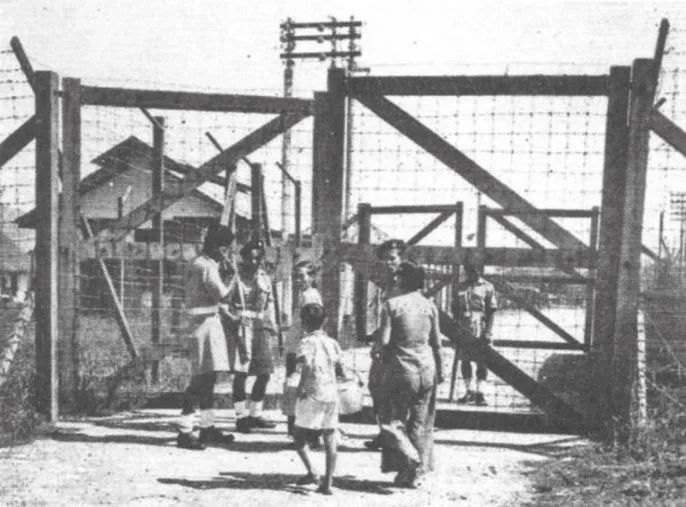
This operation was part of the Briggs Plan, which was introduced by Sir Henry Gurney and implemented by Lieutenant General Sir Harold Briggs, the Director of Operations at the time. The Briggs Plan aimed to sever the ties between communist terrorists and the local population by relocating residents to safer areas.
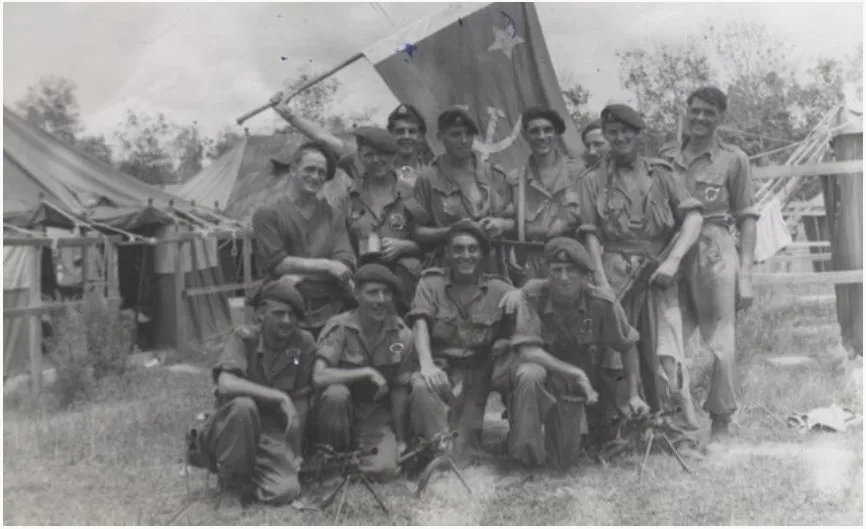
In this operation, the entire population of Belum Valley was relocated 20 miles from Grik, in northern Perak, to fertile paddy-growing areas. There, they were given the opportunity to start a new life with government support. Basic facilities such as schools and health centers were provided to ensure the well-being of the residents.
In addition, the government also paid compensation in cash to the residents affected by this mass relocation. Once the relocation was complete, the police and military took drastic measures by destroying all food sources in Belum Valley.
This action was intended to cut off food supplies to communist terrorists who were still actively operating around Ulu Perak. During the clearing operation, security forces successfully discovered 14 communist camps, two medical supply storage sites, and a food storage site. These findings proved how strategic Belum Valley was as an operational center for the communist terrorists.
This operation not only marked a major victory in the fight against communist terrorists but also became a turning point in restoring peace and stability in Ulu Perak. The residents of Belum Valley, who previously lived in fear, finally gained the opportunity to build a new life under government protection.
Additional Facts:
- The Briggs Plan, launched in 1950, was a key strategy in fighting communist terrorists during the Malayan Emergency (1948-1960).
- Belum Valley is now part of the Belum-Temengor Forest Reserve, which is famous for its biodiversity and has become a major ecotourism destination.
- The operation to relocate residents to new villages was also carried out in several other areas in Malaya as part of the Briggs Plan.
The success of this operation reminds us of the importance of cooperation between various parties in handling security threats. Belum Valley, which was once a symbol of fear, is now known as one of the famous ecotourism areas in Malaysia, marking a major transformation from an era of darkness to prosperity.
The Belum Valley liberation operation is not just a story of military success, but also a story about the resilience of the local population and the government's commitment to ensuring the peace and well-being of the people. It serves as proof that with strategic planning and close cooperation, any threat can be overcome for a brighter future.
References:
- National Archives of Malaysia, Perak State
- Malayan Emergency, Australian War Memorial Website
- Malayan Emergency, National Army Museum Website