Taiping Prison, the First Prison Complex in Malaysia
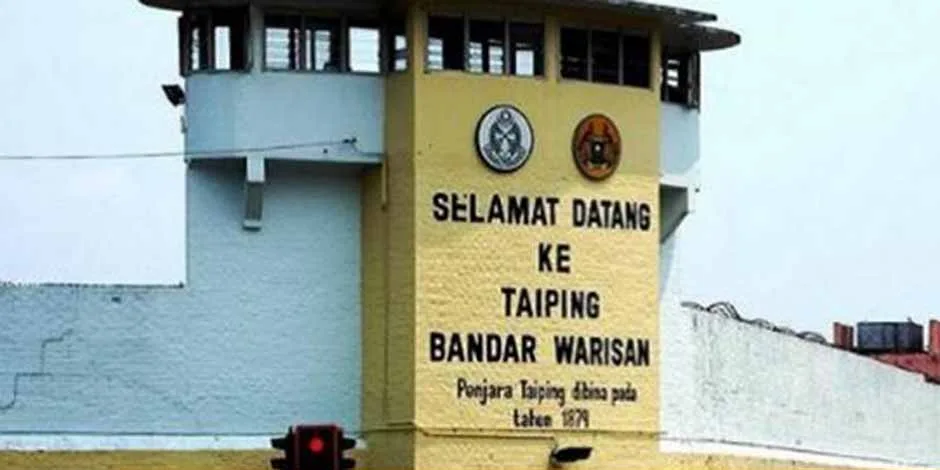
Taiping Prison was built in 1879 during the administration of Sir Hugh Low, the third British Resident of Perak. From 1879 until 1960, the administration of Taiping Prison was under the management of British officers.
The Taiping Prison complex, established in 1879, is the first and oldest modern prison complex in Malaysia. At the time of its establishment, it was the largest prison in Malaysia. Taiping Prison was built on a 5.159-hectare site. All construction was carried out using forced labor consisting of prisoners of war or inmates brought in from India and Africa. Construction materials for this first prison complex in Malaysia were imported from England through the British East India Company. The main purpose of building Taiping Prison at that time was to incarcerate members of the Ghee Hin and Hai San secret societies and, indirectly, to imprison Malay chiefs who opposed British colonial policies, as well as other criminals such as robbers, thieves, murderers, and anyone who violated the established laws.
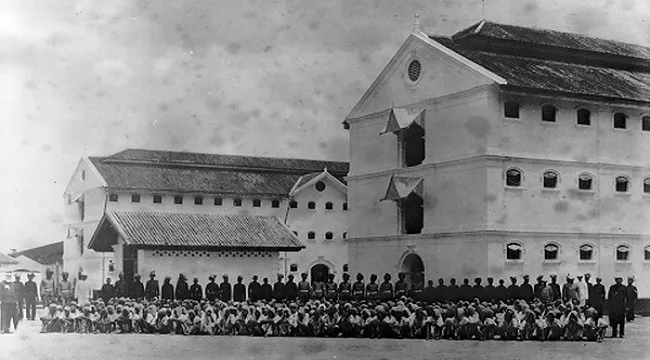
The initial physical structure of the prison complex consisted of a 9-foot-high wooden fence and 5 semi-brick buildings connected to one another. During the Second World War under the Japanese occupation from 1941 to 1945, Taiping Prison was used as a public prison and also as a Japanese prisoner-of-war detention center. During this period, all records regarding the prison and its inmates were destroyed.

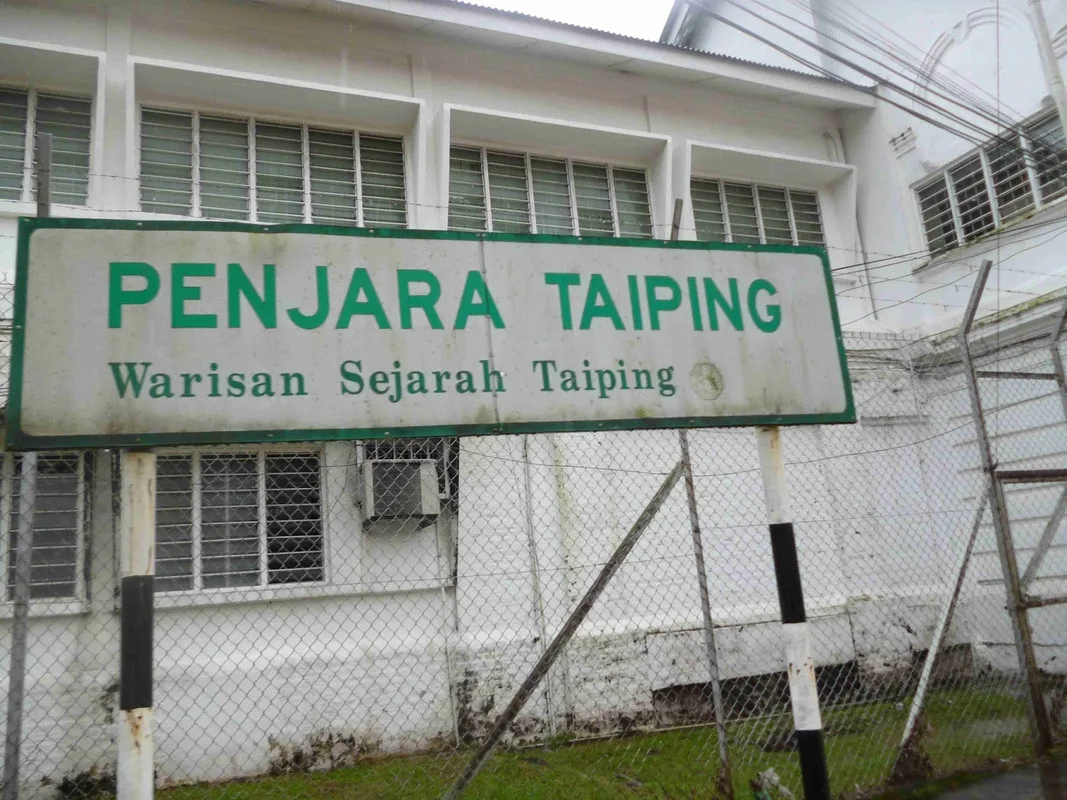
Each building erected could accommodate only up to 50 inmates. At the beginning of its construction, Taiping Prison was actually known as Larut Prison and was later changed to the Taiping Training Center Prison. On January 9, 1992, through a government gazette (KDN.S 171/1355; PN. (PU) 163/11), the name Taiping Prison was officially given, and that name has remained to this day.