Sultan Abdul Aziz Shah, The Wise Sultan of Perak in Turbulent Times
Sultan Abdul Aziz Shah, The Wise Sultan of Perak in Turbulent Times
Introduction
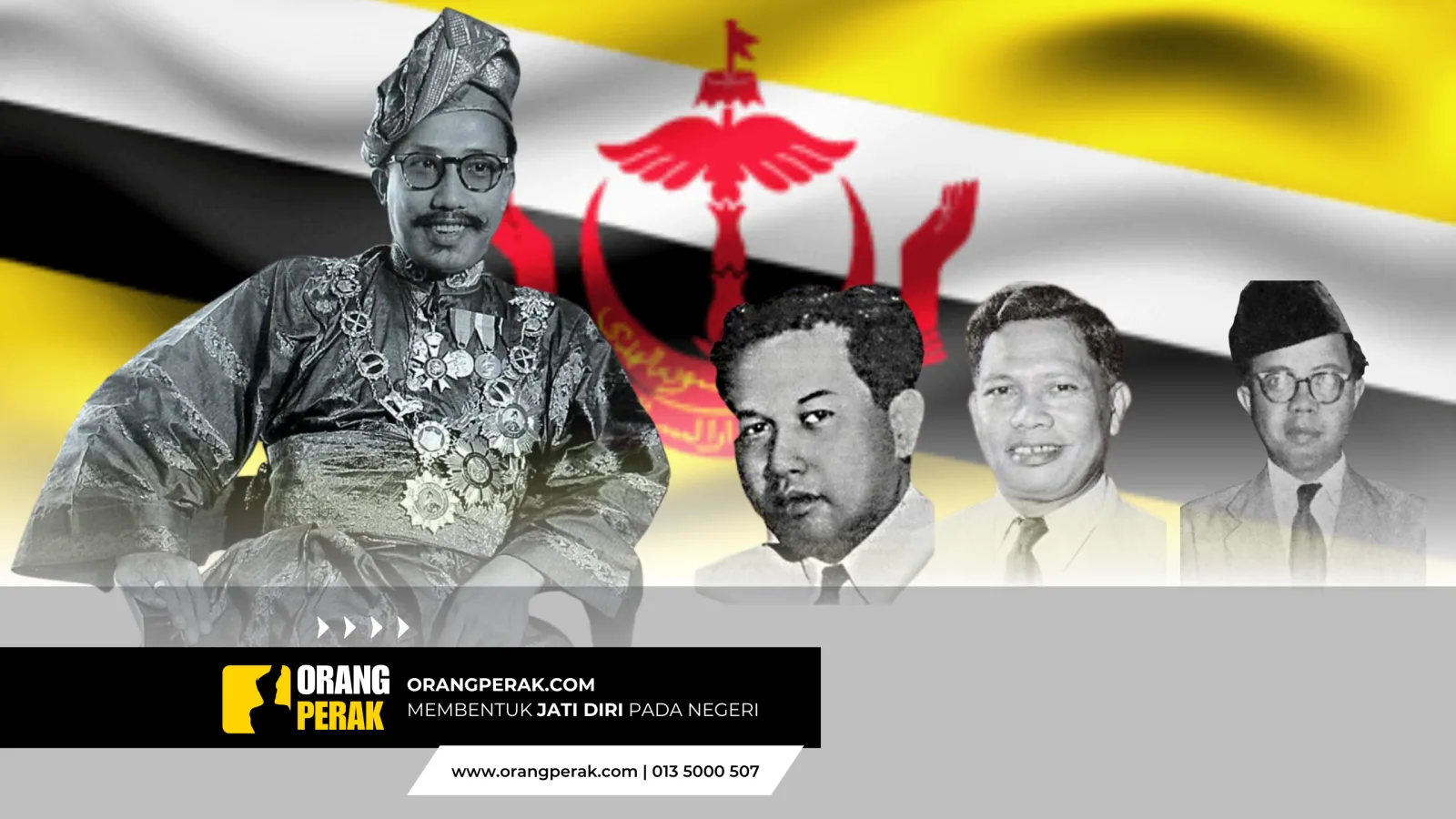
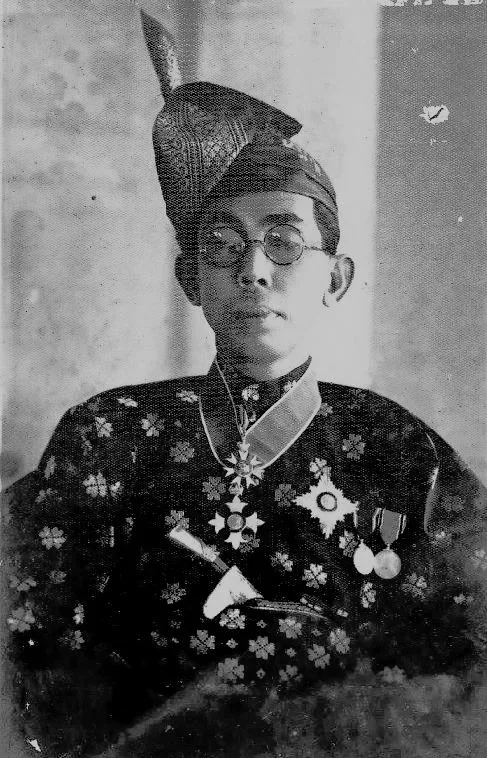
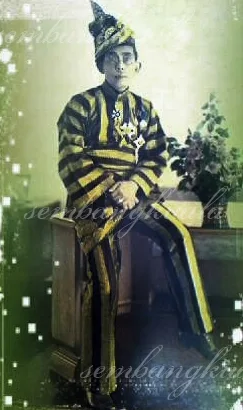
The late Sultan Abdul Aziz al-Muʽtasim Billah Shah, the 31st Sultan of Perak, was a ruler who played a crucial role in the history of Perak and Malaya. He reigned during a period full of challenges, including the Japanese occupation, the establishment of the Malayan Union, and the transition of power to the Federation of Malaya.
His firm personality, administrative experience, and political wisdom made his reign an important era in the modern history of Perak.
This article will delve into his background, education, administrative career, and the role Sultan Abdul Aziz played in facing various challenges during his reign.
Background and Education
Birth and Lineage
Sultan Abdul Aziz was born on November 14, 1887, in Kampung Bandar, Teluk Intan. He was the son of the late Raja Musa and the grandson of the late Sultan Jaafar (the 23rd Sultan of Perak). From this royal lineage, he inherited a strong tradition of leadership and a commitment to the progress of Perak.
Early Education and Studies at the Malay College Kuala Kangsar
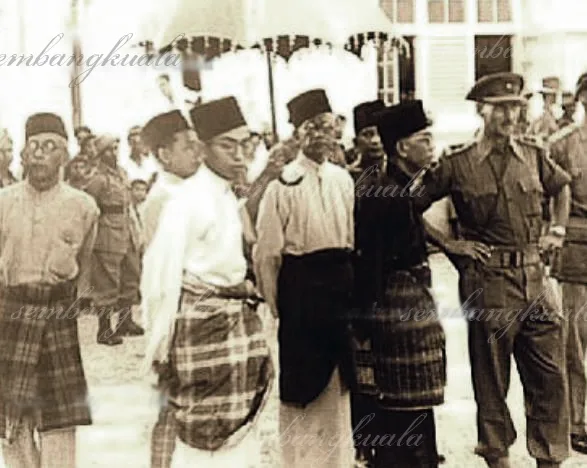
He received his early education at the Anglo-Chinese School, Teluk Intan, before continuing his studies at the Central English School, Taiping. Later, he became one of the earliest students at the Maktab Babul’d-Darjat, Malay College Kuala Kangsar, an elite educational institution that produced many Malay leaders during the colonial era.
The Malay College Kuala Kangsar (MCKK) was established in 1905 by the British to educate the children of the Malay nobility. Here, Sultan Abdul Aziz not only learned English and administrative science but was also nurtured with high leadership values.
Early Career in British Administration
Starting a Career as an Administrative Trainee
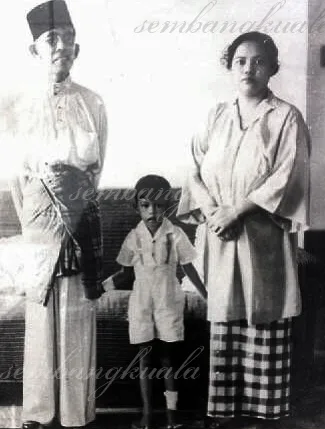
After completing his studies at the Malay College Kuala Kangsar in 1908, he began his career as an Administrative Trainee at the State Secretary's Office in Taiping. This was his first step into the world of administration, where he learned the British bureaucratic system.
Service as Assistant District Officer
In 1909, he was appointed as the Assistant District Officer of Kerian in Parit Buntar, later serving in Lenggong (1911) and Taiping (1912). This experience provided deep exposure to the local government structure and issues concerning the Malay community.
In 1914, he was transferred to the Padi Inspector's Office in Parit Buntar, demonstrating that the British also recognized his ability to manage agricultural affairs—the primary economic sector of Perak at that time.
Expertise in Law and Administration
In 1915, he successfully passed his law examinations, an achievement that proved his intellectual diligence. Afterward, he returned to serve as the Assistant District Officer of Upper Perak in Lenggong.
Raja Muda and Role in the Military
Appointed as Raja Muda (1919)
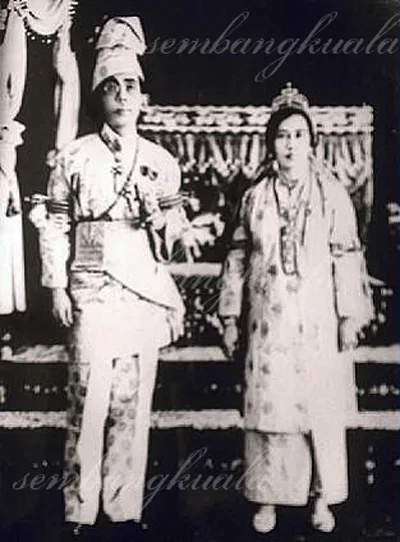
After the First World War (1914-1918), Sultan Iskandar Shah (the 30th Sultan of Perak) ascended the throne, and Sultan Abdul Aziz was appointed as the Raja Muda of Perak. He resided in Teluk Intan, playing a significant role in the state's administration. The palace where he resided still stands in Teluk Intan, though it is currently in a dilapidated state.
Participation in the Malayan Volunteer Infantry
From 1920 to 1925, he served in the Malayan Volunteer Infantry (Perak branch) and was promoted to the rank of Captain. This involvement demonstrated his commitment not only to civil administration but also to military affairs.
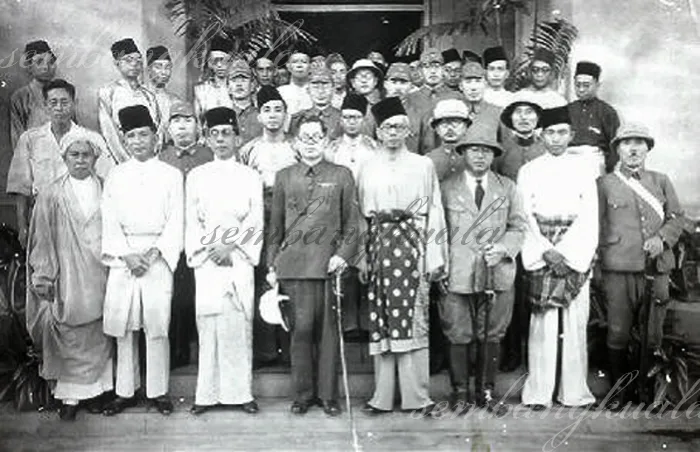
Reign During the Japanese Occupation (1941-1945)
Coronation and Japanese Invasion
He was a royal prince with extensive experience and a broad perspective on state government administration. Additionally, he was also a skilled tennis player.
Sultan Abdul Aziz was officially installed as the 31st Sultan of Perak on March 4, 1939, at Istana Iskandariah, Kuala Kangsar. However, the early period of his reign was tested by the Second World War.
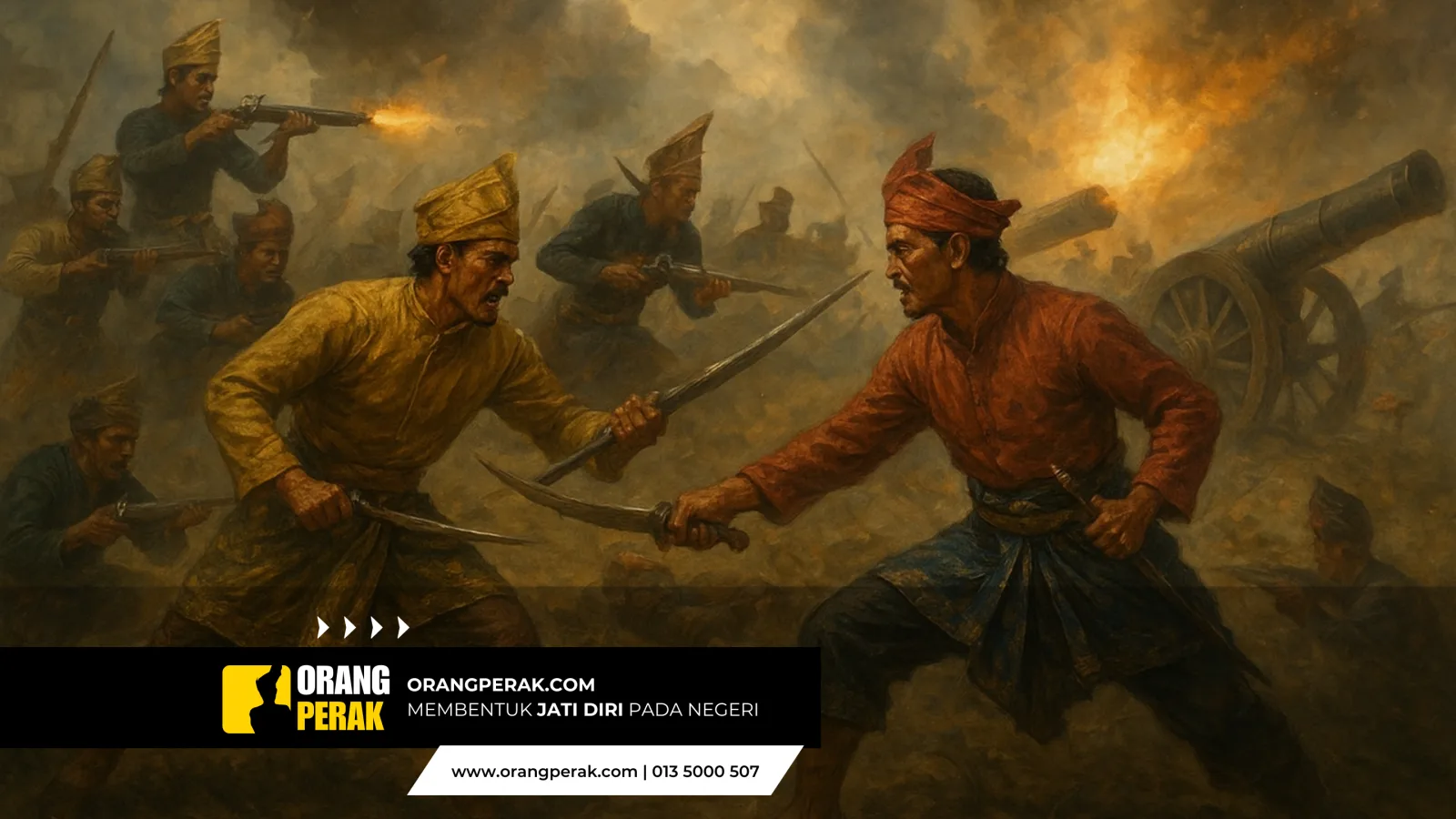
On December 8, 1941, Japanese forces landed in Patani (Thailand) and Kota Bharu (Kelantan), then advanced into northern Perak. The British were defeated, and the Japanese occupied Perak from 1942 to 1945.
Tense Relations with the Japanese
During the Japanese occupation, he was constantly monitored because he was suspected of assisting Force 136—a secret British unit operating in the jungles of Perak. The Japanese were known for their cruelty, and it is said that he did not agree with their policies that oppressed the people.
This British guerrilla force was also known as Force 136. They began establishing a presence in Upper Perak via parachute drops, and some landed at the mouth of the Perak River by sea to fight the Japanese army.
As everyone is aware, the Japanese army was very cruel in its governance, and the late Sultan Abdul Aziz certainly did not like the way the Japanese military administered the State of Perak, which caused much harm to all the people of Perak.
The Malayan Union Era and Sultan Abdul Aziz's Resistance
British Pressure and the Signing of the Malayan Union
In November 1945, Sir Harold MacMichael, a British colonial administrator, came to Perak to meet the late Sultan Abdul Aziz (the 31st Sultan of Perak) in Kuala Kangsar. During that meeting, Sir Harold MacMichael forced him to sign an agreement surrendering his governing powers to the British Government.
According to the agreement, all the Malay States would be combined into a federal state called the Malayan Union. Under pressure from Sir Harold MacMichael, the late Sultan Abdul Aziz signed the agreement on behalf of the Perak Government on November 22, 1945, witnessed by the late Sultan Yussuff Izzuddin Shah (the 32nd Sultan of Perak) while he held the title of Raja Muda, and Temenggung Haji Wan Hamaruddin, the Chief of Kuala Kangsar District.
Protests and the Formation of UMNO
When the agreement was signed, it was said that the matter was unknown to the state dignitaries and the people of Perak. The Malayan Union was established on April 1, 1946.
Since the formation of the Malayan Union, all the Sultans of the combined states boycotted the inauguration ceremony of the Malayan Union Governor as a sign of protest and disagreement with the establishment of the Malayan Union.
The Malayan Union (April 1, 1946) sparked anger among the Malays because it:
- Stripped the Sultans of their powers
- Granted loose citizenship to non-Malays
- Abolished the sovereignty of the Malay states
UMNO was established in 1946 under the leadership of Dato’ Onn Jaafar to oppose the Malayan Union.
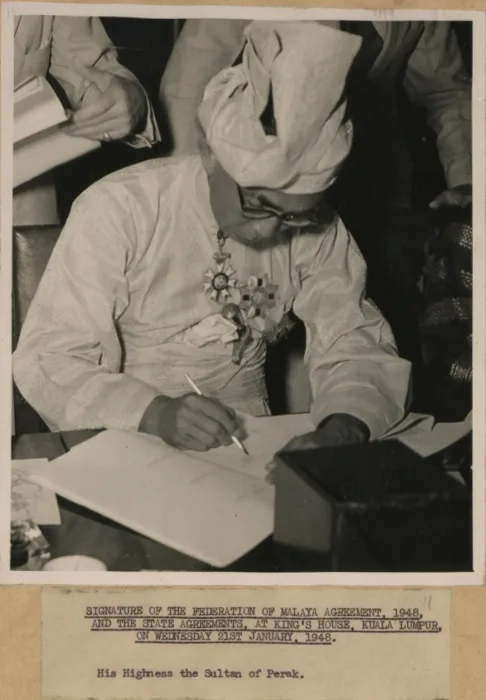
Victory: The Establishment of the Federation of Malaya (1948)
As a result of pressure from the people and the Sultans, the British abolished the Malayan Union and replaced it with the Federation of Malaya on February 1, 1948. The powers of the Sultans were restored, marking a victory for Malay diplomacy.
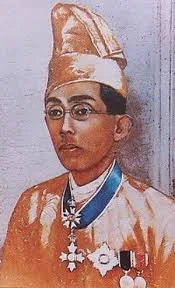
Demise and Legacy
Sultan Abdul Aziz passed away on March 26, 1948, in Lumut due to heart failure. He was laid to rest at the Bukit Chandan Royal Mausoleum, Kuala Kangsar.
Key Contributions of Sultan Abdul Aziz
- Defended the sovereignty of Perak during the Japanese occupation.
- Opposed the Malayan Union and supported the UMNO struggle.
- Restored the powers of the Sultan through the Federation of Malaya.
- An educated leader who combined tradition and modernity.
Conclusion
Sultan Abdul Aziz was a brave and wise leader who played a vital role in defending the sovereignty of Perak during the colonial era. His struggle against the Malayan Union laid the foundation for the independence of Malaya in 1957. His legacy continues to be remembered as a symbol of steadfastness and wisdom in defending the rights of the Malay people.
References
- National Archives of Malaysia
- Sembang Kuala website
- Official documents of the Perak State Government