Remembering the Bloody Dawn Tragedy in Bekor
Remembering the Bloody Dawn Tragedy in Bekor
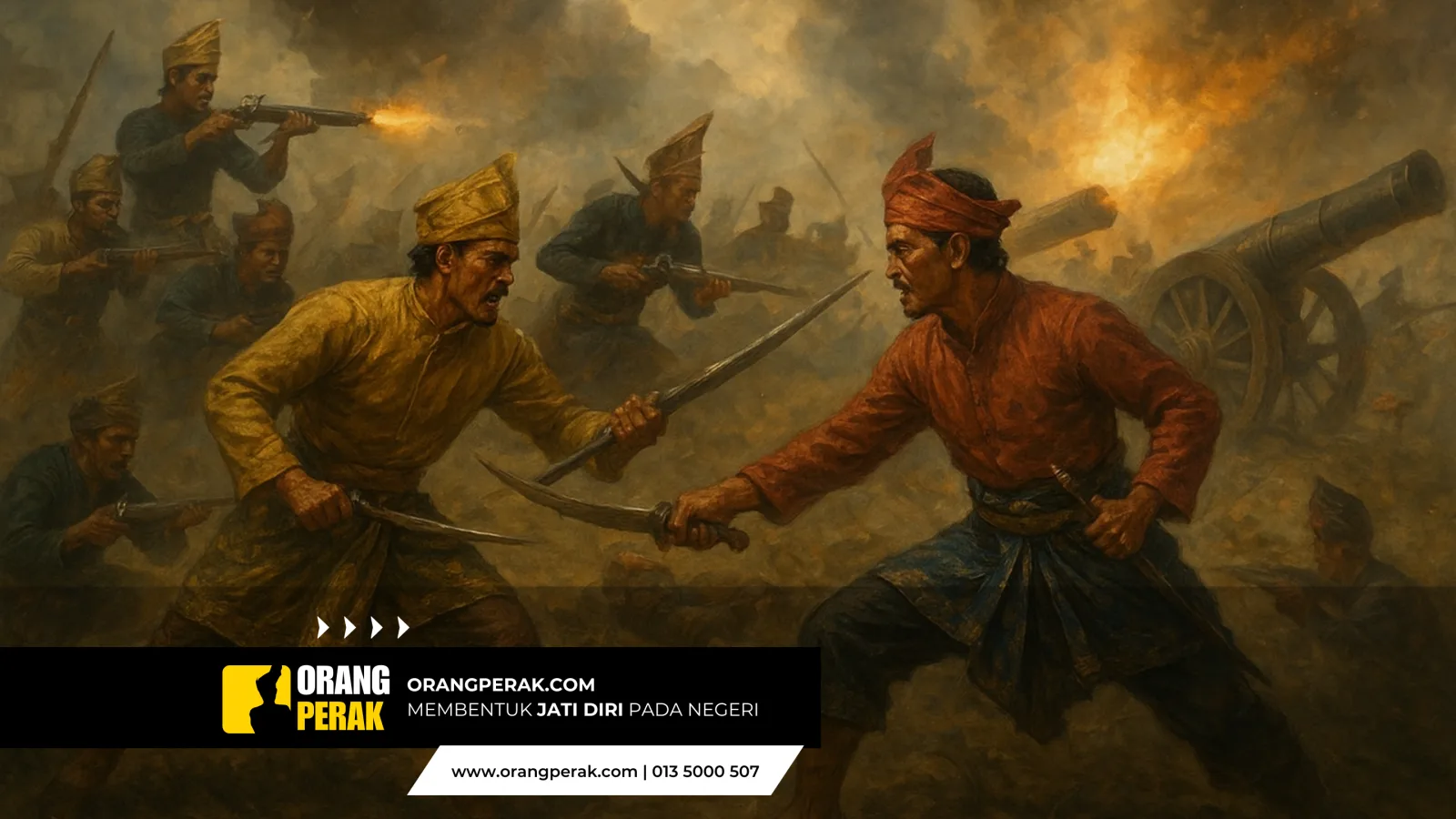
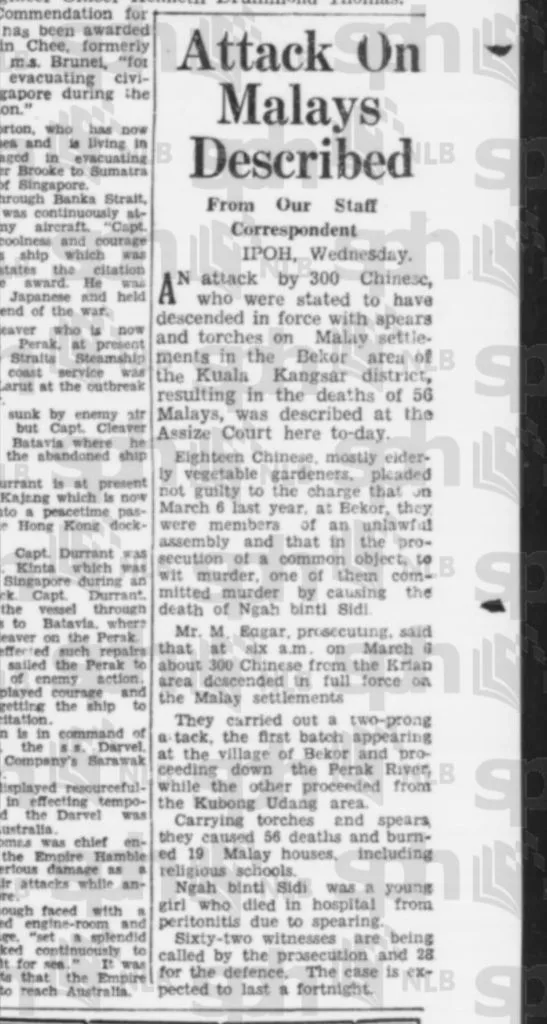
79 years ago, on the morning of March 6, 1946, the dawn atmosphere that should have been calm and peaceful in Kampung Bekor, Manong, Kuala Kangsar, turned into a nightmare. Approximately 300 to 500 armed men from the Chinese community launched a violent attack on two Malay villages in the area.
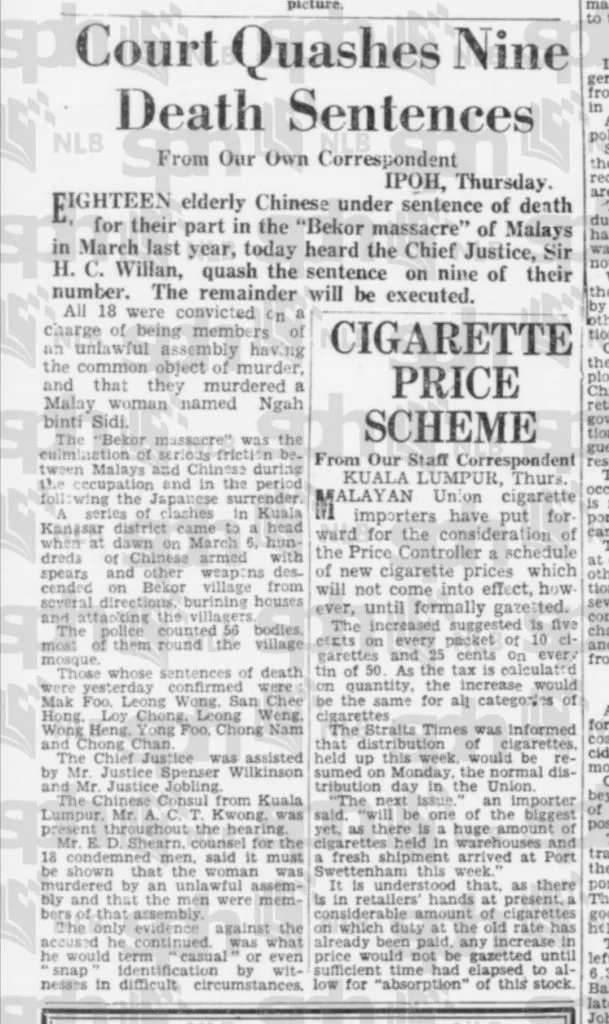
The attack not only claimed 56 lives of villagers but also destroyed 19 houses and a religious school that served as a center for education and religion for the local community. This tragedy, known as the "Bloody Dawn in Bekor," became a dark episode in Malaysian history that reminds us how fragile inter-ethnic relations are if left to fall into the abyss of racism.
The Impact of the Japanese Occupation and the Divide and Rule Policy
This tragedy did not happen suddenly. It was the result of racial tensions that peaked after the Japanese Occupation of Malaya (1941-1945). During the Japanese occupation, the "divide and rule" policy practiced by the colonizers created a wider gap between the Malay, Chinese, and Indian communities.
The Japanese often manipulated racial sentiments to strengthen their position by giving different treatment to each community. For example, the Malays were often considered Japanese allies, while the Chinese were seen as enemies due to their support for China in the Second Sino-Japanese War.
After the Japanese defeat in 1945, inter-ethnic tensions escalated. A collapsing economy, food shortages, and competition for limited resources sparked dissatisfaction and suspicion between communities. Furthermore, the absence of a stable government after the Japanese occupation left an uncertain political atmosphere, which became fertile ground for conflict.
The Dawn Attack in Bekor
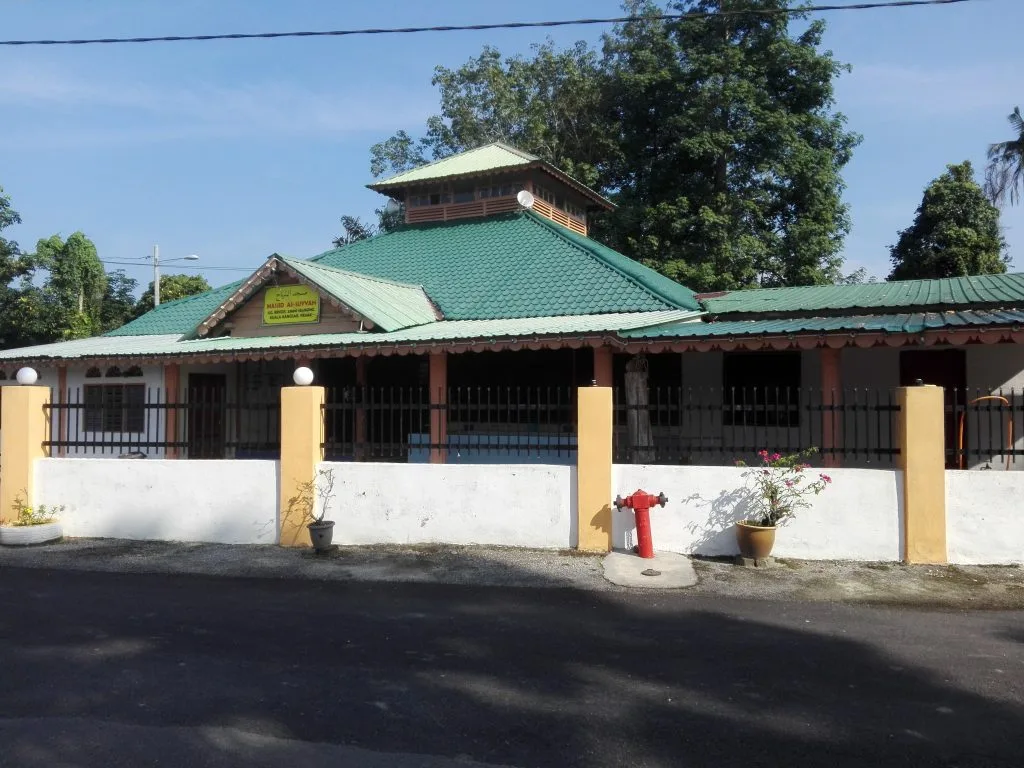
On the morning of March 6, 1946, the attack on Kampung Bekor occurred swiftly and brutally. The attack was centered on the village mosque, which was not only a place of worship but also a symbol of the integrity and identity of the Malay community. Villagers who were preparing for the dawn prayer were attacked by surprise.
Approximately 300 to 500 Chinese individuals who descended from the Kerian area attacked two Malay villages in Bekor near Manong, Kuala Kangsar. The group attacked Kampung Bekor from two directions, one from the direction of the Perak River and another group from the Kubong Udang area. There were also reports stating that 6 Japanese soldiers who refused to surrender led the Chinese to attack the Malays here.
Armed with torches, machetes, and spears, this group of attackers caused 56 innocent lives to be lost, including women and children. Additionally, 19 houses and a religious school were destroyed in fires set by the attackers. Most of those found dead were in the vicinity of the Bekor Mosque.
This destruction not only involved the loss of property but also left deep trauma among the villagers. This attack was not the only incident of inter-ethnic violence at that time.
A few weeks earlier, a series of small skirmishes had occurred around Kuala Kangsar, indicating that inter-ethnic tensions had reached an alarming level. However, the attack in Bekor was the most devastating and left the most profound impact.
Reactions and Consequences
This tragedy sparked widespread anger and sadness among the Malay community. It also opened the eyes of many to the dangers of unchecked racial sentiment. The British government, which returned to rule Malaya after the Japanese defeat, had to take firm action to control the situation.
Security forces were sent to the area, and several people involved in the attack were arrested and brought to court. 18 Chinese individuals were sentenced to death by the Chief Justice, Sir H.C. Willan.
However, the long-term impact of this tragedy was deeper. It became a turning point in Malaysian history that reminds us of the importance of unity and harmony between races. This tragedy also contributed to the awareness of the need to build a nation that includes all races, which eventually led to the independence of Malaya in 1957.
Lessons for the Present
The "Bloody Dawn in Bekor" tragedy teaches us that history should not be forgotten. It should be used as a lesson to ensure that harmony and unity between races are preserved. In the context of Malaysia, which consists of various races and religions, unity is the foundation of the country's stability and prosperity.
Today, Malaysia has achieved great progress in building inter-ethnic relations. However, we cannot be complacent. Racial sentiment still exists, and it can be inflamed by political or social issues if not handled wisely. Education, inter-ethnic dialogue, and an understanding of history are important tools to ensure that tragedies like the one in Bekor do not recur.
Conclusion
The "Bloody Dawn in Bekor" tragedy is a harsh reminder of how easily inter-ethnic harmony can be destroyed if left to fall into racial conflict. It is a dark history that should be a lesson for every generation. By preserving the spirit of unity and mutual respect, we can ensure that Malaysia's future remains bright and peaceful for all.
Let us take this tragedy as a lesson to continue building an inclusive, tolerant, and united society. History may not be changed, but the future is still in our hands to shape.
References :
- FB Hisham Muhd's
- Malaya Tribune, March 8, 1946
- Malaya Tribune, March 11, 1946
- The Straits Times, Feb. 20, 1947
- The Straits Times, June 27, 1947
- Zabidin Ismail, Bekor : History & Hope. Kajang, Penerbit Kayacipta, 2024.