Raja Sir Chulan, Pioneer of the Malay Awakening in Colonial Administration
Raja Sir Chulan, Pioneer of the Malay Awakening in Colonial Administration
Behind the glittering landmarks of Kuala Lumpur standing majestically along Jalan Raja Chulan lies the story of a great figure who pioneered the Malay awakening during the British colonial era. DYAM Raja Sir Chulan ibni Almarhum Sultan Abdullah Muhammad Shah was not just a name in the pages of history, but a symbol of the resilient Malay spirit that dared to confront the colonial system with great wisdom.
His birth on 1 July 1869 in Tanjong Brambang, Perak, seemed destined for a great responsibility. As the son of Sultan Abdullah Muhammad Shah II, who was exiled to the Seychelles following the assassination of British Resident J.W.W. Birch, Raja Chulan grew up with a deep awareness of the fragility of Malay sovereignty in his own homeland. However, unlike the rebellious attitude that might have been inherited from his father's tragic circumstances, he chose the path of diplomacy and intellect as his weapons of struggle.
His early education at Raffles Institution, Singapore, and the English High School in Melaka shaped his open and critical mind. It was there that he realized the bitter truth that the Malays were lagging far behind in the currents of modernity, while immigrants at the time were increasingly dominating the economy and administration. Yet, rather than drifting in bitterness, Raja Chulan chose to understand the British system from within, hoping to change it for the benefit of his people.
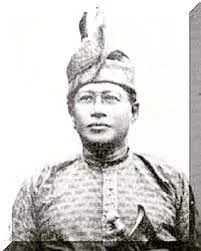
The start of his career in 1886 at the Perak Government Secretary's Office marked the turning point in his unique relationship with the colonizers. Unlike most Malay aristocrats who only chased rank and wealth, he utilized every opportunity to learn the ins and outs of modern administration. His consistent promotions—from Larut Officer (1890), Acting Land Revenue Collector in Kuala Kangsar, to the highest position as District Officer—proved that Malays were capable of competing within the British system if given the chance.
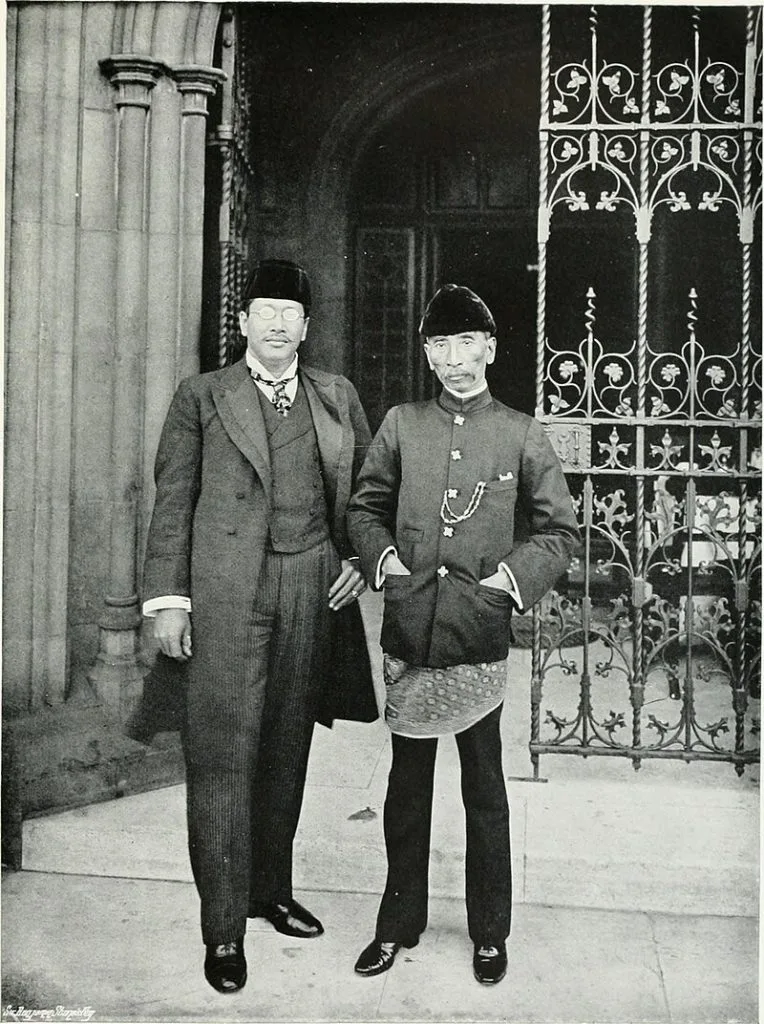
His marriage to Raja Puteh Kalsom, daughter of Sultan Idris Murshidul Azzam Shah I in 1900, was not just a union of two noble bloodlines, but also symbolic of a unified vision for Malay progress. While accompanying Sultan Idris to England for the coronation of King Edward VII in 1902, Raja Chulan had the opportunity to witness firsthand the Western progress he desired for Tanah Melayu. This experience further fueled his determination to pressure the British to provide more education and employment opportunities for the Malays.
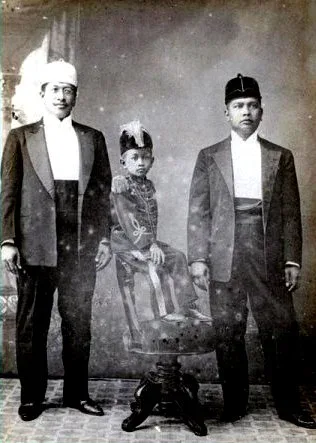
During the Federal Council Meeting in 1931, he emphasized that the government could reduce expenditure by hiring Malays for government positions rather than continuing to recruit European officers. Raja Chulan added that Malays would spend their earnings within the country, unlike Europeans who would spend more outside of Malaya.
He understood that at the time, not many Malays were qualified to hold government positions, but after 50 years of British rule, he was certain there would be enough Malays trained to work in technical departments such as the Public Works Department, the Post Office, and the Railways.
His diplomatic wisdom with the British never compromised his principles. When the colonial government attempted to impose new taxes on petrol and kerosene that would surely burden the common people, Raja Chulan rose to protest with sound economic arguments. It was this firm stance that led British High Commissioner Sir Cecil Clementi to acknowledge that no Malay in the modern era had served the country and its people so excellently.
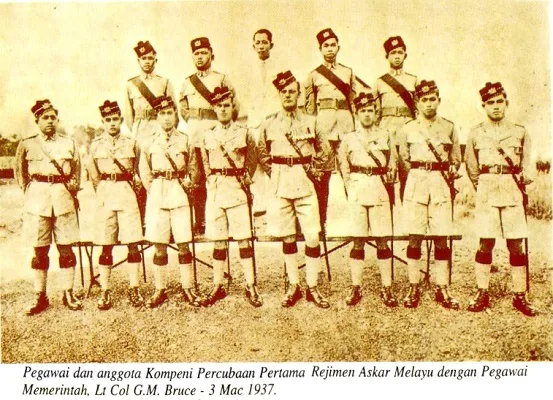
Together with the Sultan of Perak, Almarhum Sultan Iskandar, the Yamtuan Besar of Negeri Sembilan, Yamtuan Antah, and Datuk Abdullah Haji Dahan, he was responsible for the establishment of the first Malay Regiment in 1933. His contribution to the formation of the Malay Regiment in 1933 stands as the final proof of his forward-thinking nationalist vision.
For Raja Chulan, the Malay military was not just a tool for defense, but a vehicle to instill patriotism among young Malays. He undertook this effort alongside Sultan Iskandar Shah of Perak and Yamtuan Antah of Negeri Sembilan of Negeri Sembilan, demonstrating the close cooperation between the palace and Malay intellectuals in defending the sovereignty of the nation.
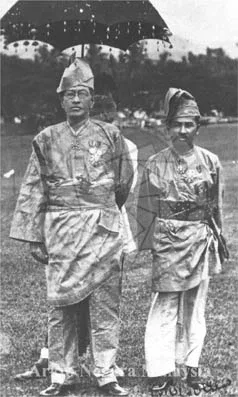
British High Commissioner Sir Cecil Clementi once mentioned that no Malay in this modern age had performed their duties as well for the country and its people as Raja Sir Chulan. He was awarded the title of Raja Di-Hilir Perak by the late Sultan Iskandar on 1 December 1920 after the British lifted restrictions on the succession of the Perak throne for the descendants of the exiled Sultan Abdullah.
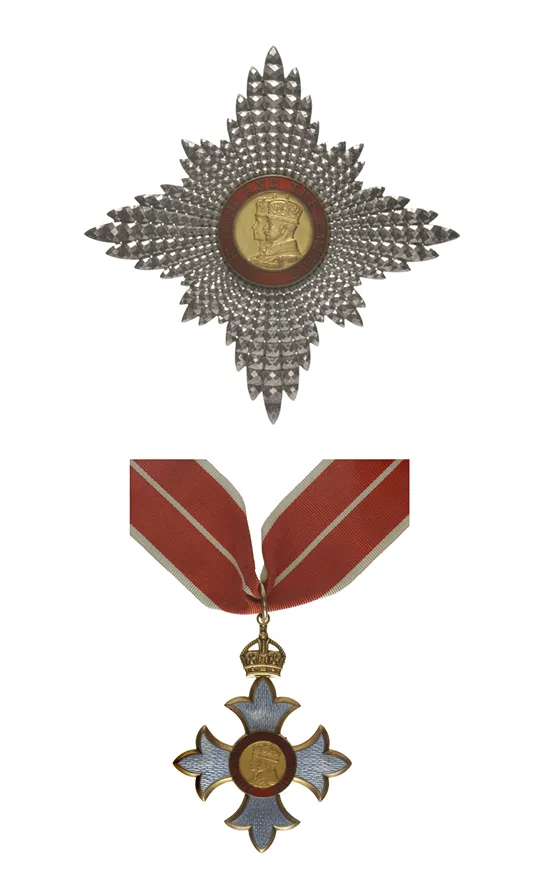
When he drew his last breath on 10 April 1933, Raja Chulan left a legacy far more valuable than the Knight Commander of the Most Excellent Order of the British Empire (KBE) medal he received from King George V. He was laid to rest at the Al-Ghufran Royal Mausoleum, Kuala Kangsar. His name now remains not only on street signs but in the spirit of every Malay child who fights to stand as tall as other nations in the world.
In this modern world full of challenges, the story of Raja Sir Chulan reminds us that real change begins with the courage to understand the system, and then change it from within. He proved that Malays do not need to be blind opponents of progress, but must master it for their own benefit. Perhaps this is the time for us to ask: How far have we lived out the spirit of his struggle in building a more glorious future for the nation?