Politeknik Ungku Omar, The Catalyst for Malaysia's Technical Education Revolution
Politeknik Ungku Omar, The Catalyst for Malaysia's Technical Education Revolution
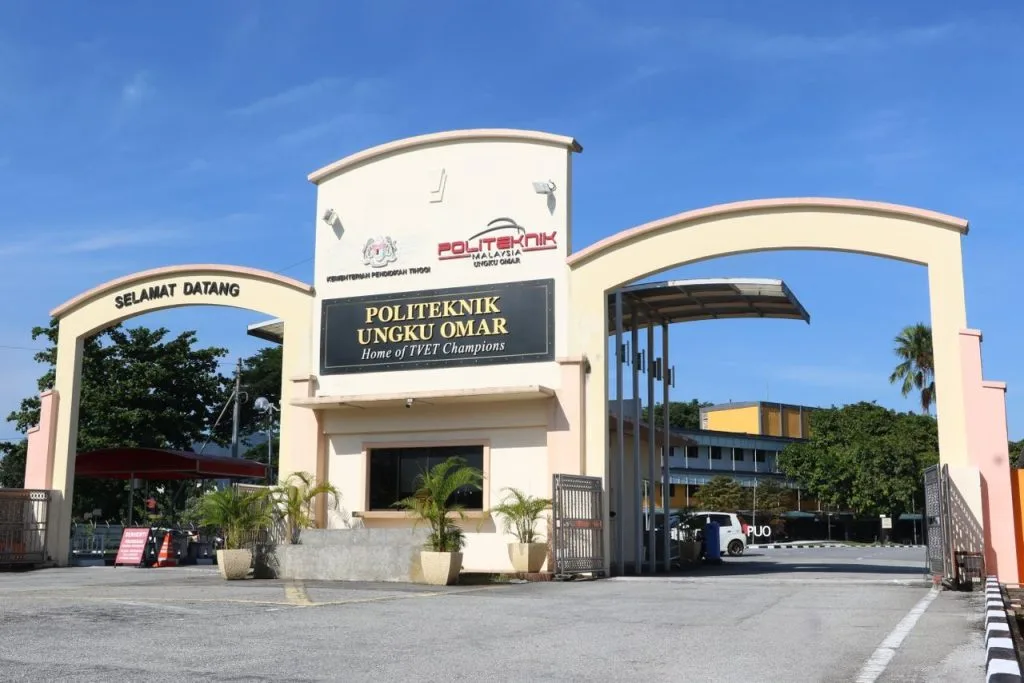
In the heart of Ipoh, a city renowned for its colonial architecture, stands a majestic institution that pioneered technical education in Malaysia: Politeknik Ungku Omar (PUO). It is strategically located on Jalan Raja Musa Mahadi (formerly Jalan Dairy).
Established in 1969, PUO emerged as the answer to the nation's urgent need to produce semi-professional workers during the era of rapid post-independence development.

Politeknik Ungku Omar (PUO) is the first technical and vocational education institution in Malaysia, founded in 1969 under the auspices of the Malaysian Ministry of Education in collaboration with the United Nations Educational, Scientific and Cultural Organization (UNESCO).
Its development was funded by the United Nations Development Programme (UNDP) with an allocation of RM24.5 million—a significant sum at the time—covering an area of 22.6 hectares. The institution's name was immortalized in honor of the late Dato' Professor Ungku Omar Ahmad, a pioneer in local medical research whose contributions to science remain remembered to this day.
The Early Phase: Operating Under Constraints
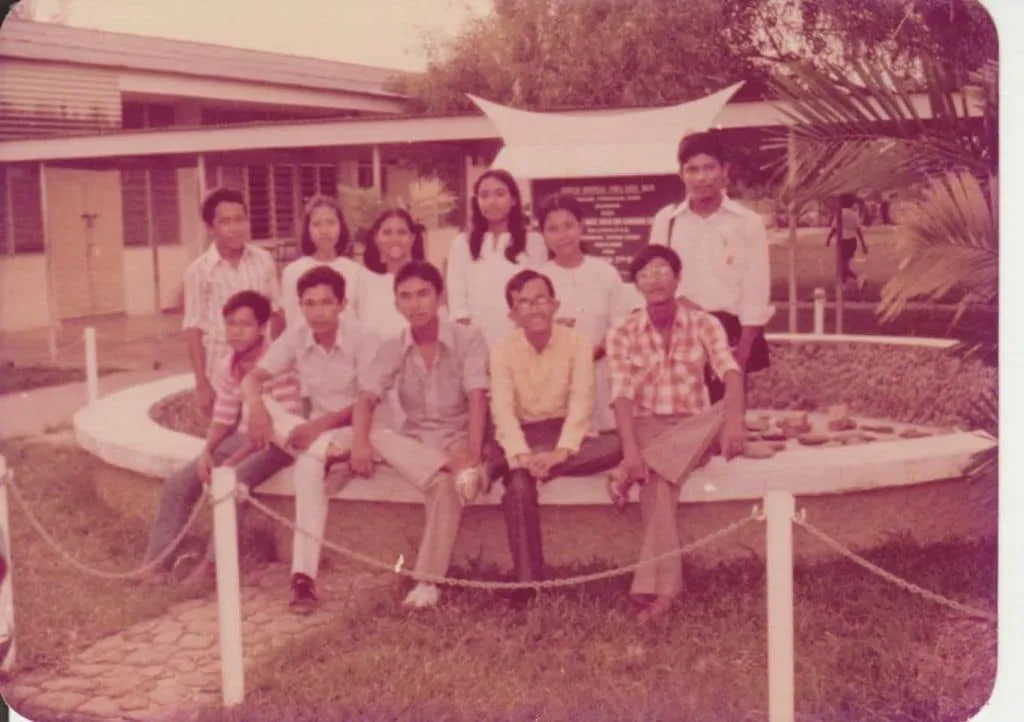
Imagine the atmosphere in 1969 when PUO first operated temporarily at the Daily Training Centre in Ipoh. With only 300 pioneer students and 28 local lecturers, supplemented by 14 volunteer instructors from Canada, the United States, Germany, and Japan, the institution began its intellectual journey in modest conditions. The groundbreaking ceremony on April 26, 1969, marked the start of construction for the permanent campus on a 22.6-hectare site.
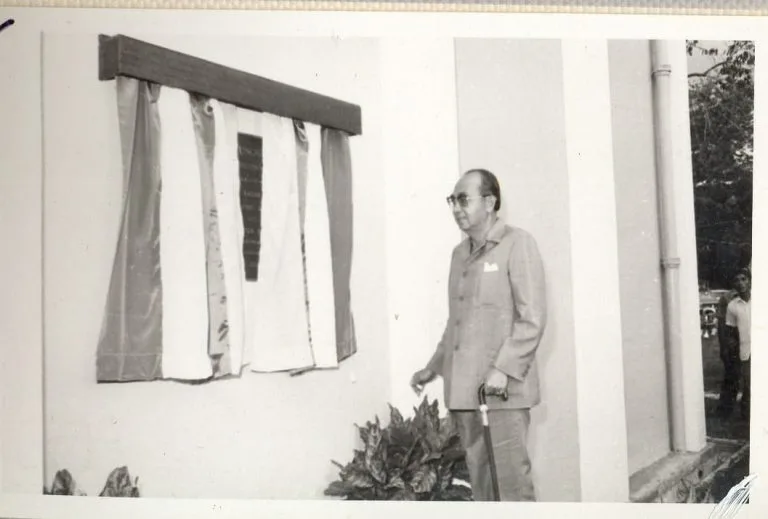
The historic move to the permanent campus took place at the end of 1973, before it was grandly inaugurated by Malaysia's second Prime Minister, the late Tun Abdul Razak, on May 10, 1974. This event was not merely a protocol ceremony, but a symbol of the nation's commitment to technical education as a core pillar of development.
Physical and Academic Evolution
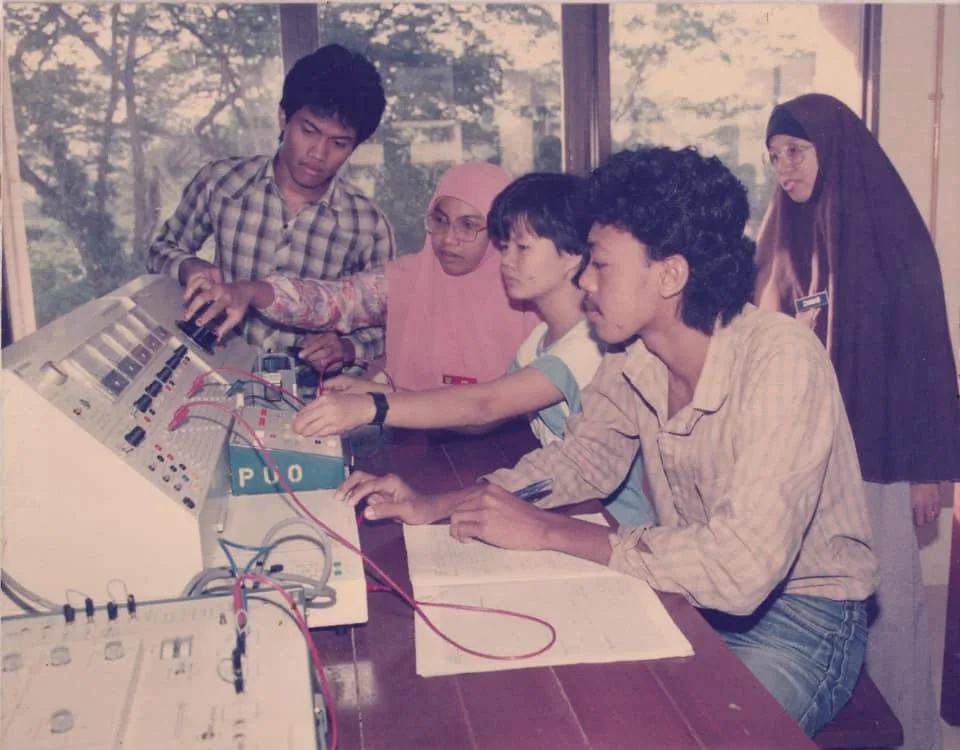
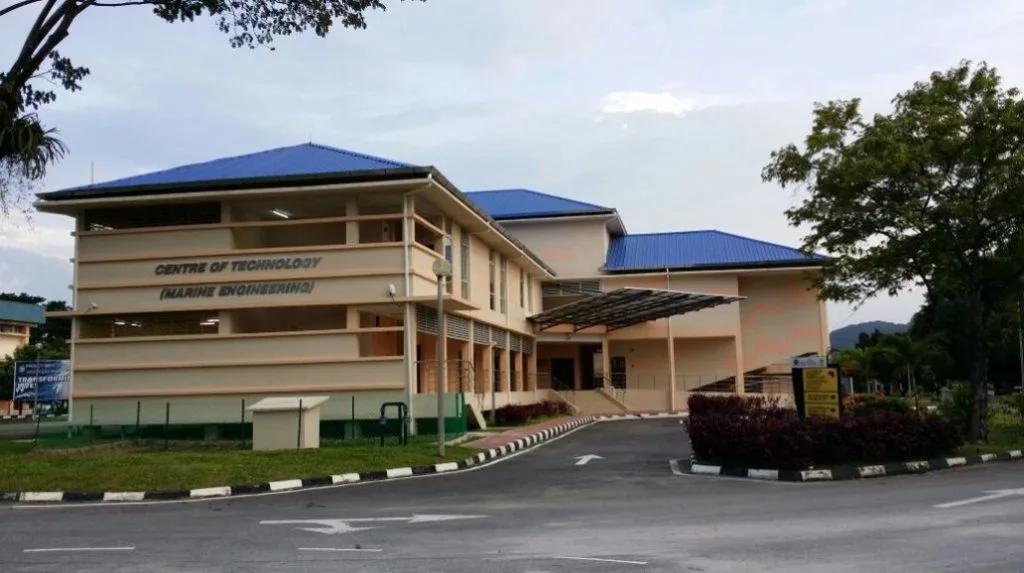
The original campus in Ampang, Ipoh (now known as Campus A) later expanded with the acquisition of the former Kinta Teachers' College in 1990, which was named Campus B. Academically, the development of PUO is even more compelling. Starting with four original departments (Civil, Mechanical, Electrical Engineering, and Commerce), the institution witnessed the birth of the Marine Engineering Department in 1972 as a result of technical cooperation with JICA Japan.
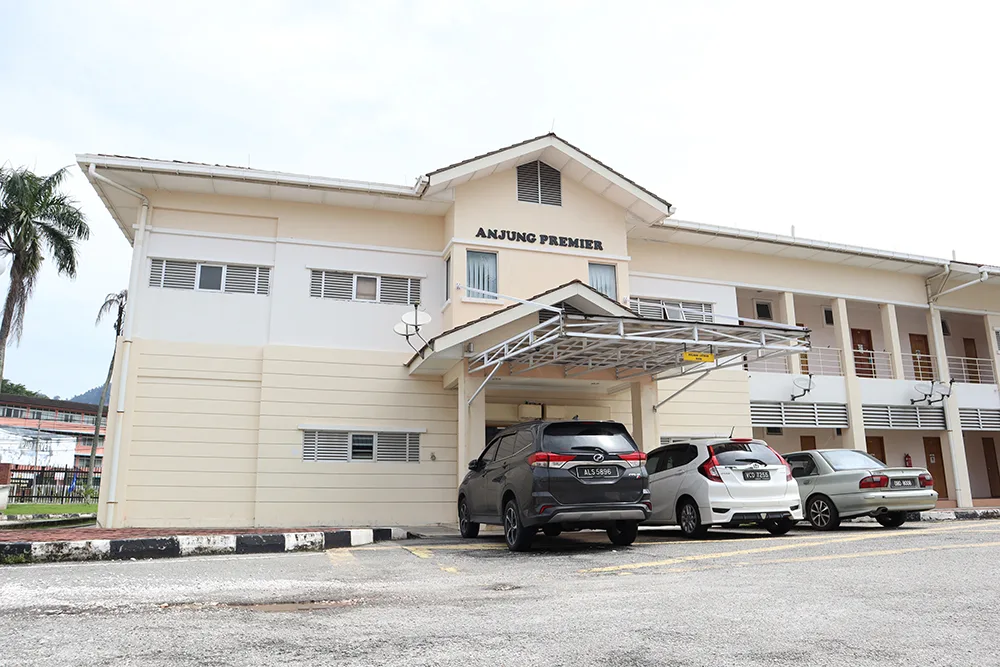
On September 1, 1999, PUO acquired Campus B after the Kinta Teachers' College handed over its premises. This new campus houses the Commerce Department, General Studies Department, Co-curriculum Unit, and Examination Unit, allowing the polytechnic to accommodate more students.
With the increasing demand for technical and vocational education, PUO is expected to reach 10,000 students in the near future. This expansion effort is in line with the government's policy to strengthen TVET (Technical and Vocational) education as the backbone of the national workforce.
International Dimensions and National Impact
From the beginning, PUO was never insular. The technical assistance from UNESCO and UNDP during its founding stages, followed by cooperation with JICA, proved the institution's global orientation. The PUO education model became a reference for the establishment of 35 other polytechnics nationwide, making it truly the "mother" of Malaysian polytechnic education.
In the context of human resource development, PUO has produced tens of thousands of graduates who fill various levels of the national workforce. From engineers to junior managers, from technologists to entrepreneurs, the contribution of PUO alumni to the national economy is difficult to measure quantitatively. What is certain is that this institution has successfully fulfilled its original mandate as a catalyst for social mobility through technical education.
Legacy and Future Vision
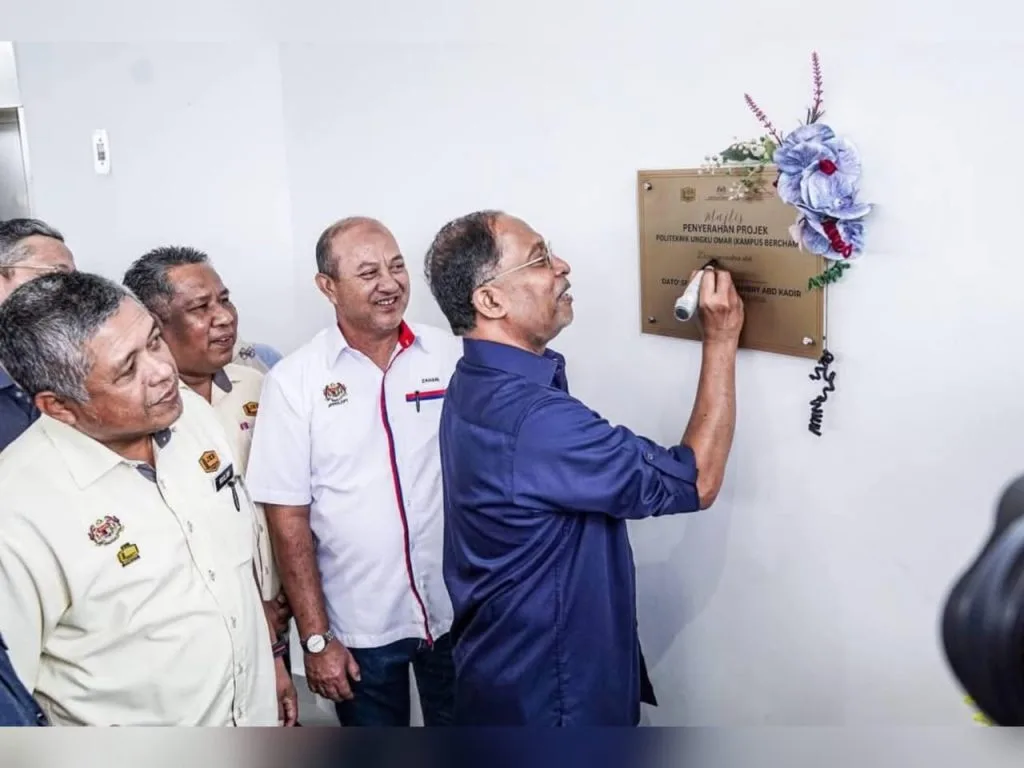
After more than five decades of operation, PUO remains relevant by adapting to the latest technological developments. New programs in the field of the Fourth Industrial Revolution, such as the Internet of Things (IoT), robotics, and data analytics, are gaining traction. Commitment to sustainability is also clearly visible through the implementation of green practices on campus.
However, more important than infrastructure and curriculum is the PUO philosophy of education based on "learning by doing." This hands-on approach distinguishes polytechnic graduates from those of conventional academic institutions. In the context of Malaysia moving toward a high-tech economy, this PUO-style education model is becoming increasingly significant.
Taking Malaysia to the Global Stage
By the end of 2007, PUO had produced over 50,822 graduates who are now serving in various sectors of the national economy. Many PUO alumni have successfully established themselves as skilled technicians, executive officers, and semi-technical professionals contributing to the development of Malaysia's industries.
This success would not have been possible without the support of 790 dedicated teaching staff and personnel, including local and international experts. Furthermore, close cooperation with industry allows students to gain practical exposure through industrial training, making PUO graduates among the most sought-after in the job market.
Politeknik Ungku Omar is not just a collection of buildings and laboratories. It is a living monument to the vision of Malaysian technical education. From modest operations at the Ipoh Daily Training Centre to becoming an internationally recognized institution, PUO's journey reflects resilience and adaptability.
As the oldest polytechnic in Malaysia, PUO has a special responsibility to continue pioneering innovation in technical and vocational education. With a glorious legacy and future strategic plans, this institution will surely continue to produce a generation of technocrats and innovators who will take Malaysia to a higher global stage.
Today, PUO continues to be a benchmark for vocational education excellence in Malaysia, producing young generations who are not only skilled in theory but also in practical application. With a commitment to continuous innovation, this polytechnic is set to go further in producing a highly skilled workforce, in line with Malaysia's aspiration to become a high-income developed nation.
Reference:
- Politeknik Ungku Omar website