Ngah Ibrahim, a 19th-Century Malay Millionaire
Many of us are familiar with the heroic story of Orang Kaya-Kaya Tengku Menteri Ngah Ibrahim in the assassination of J.W.W. Birch, which led to his exile to the Seychelles.
However, not many of us know the story of his success in developing the economy and bringing peace to the state of Perak. This article from orangperak.com will explore the story of Ngah Ibrahim as a Malay millionaire of the past. Ngah Ibrahim Bin Long Jaafar was born in 1837, though some sources suggest 1836 or 1840. His father was a dignitary of Bukit Gantang and the individual responsible for opening the tin mines in Klian Pauh (now Taiping). Ngah Ibrahim grew up in Kota Bukit Gantang alongside his older brother, Kulop Seman, and his younger sister, Cik Alang Sepiah. As the son of a wealthy 19th-century entrepreneur, tin miner, businessman, and tax collector, he was adopted by Paduka Seri Sultan Jaafar Mu’azzam Shah.
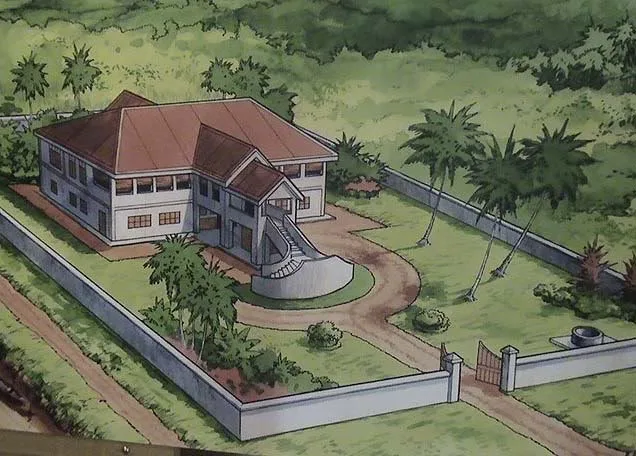
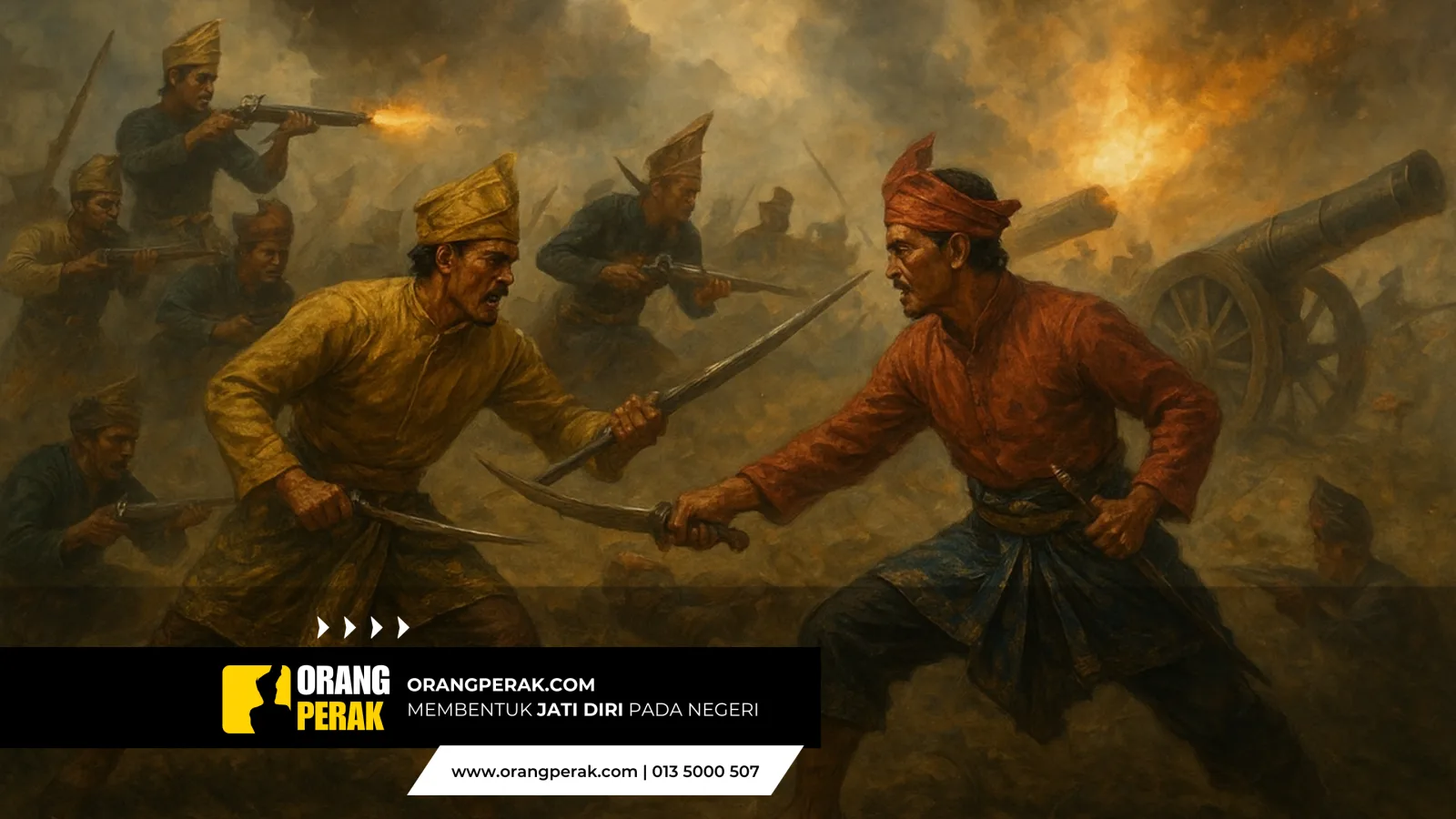
The story of Ngah Ibrahim as an economist and prominent nobleman of Perak began when Paduka Seri Sultan Jaafar Mu'azzam Shah (1857-1865) granted him a charter on May 24, 1858, confirming Ngah Ibrahim as the administrator of the Larut district, which spanned from Krian to Bagan Tiang. This grant strengthened Ngah Ibrahim's power, as the Sultan gave him the right to enact his own laws and communicate directly with the British without going through the Perak Palace. However, Ngah Ibrahim's rule was tested by the Larut Wars, which lasted from 1861 to 1873. These conflicts were caused by trade disputes, monopolies over mining areas, water drainage issues, and debts between two Chinese secret societies: Ghee Hin and Hai San. With his leadership skills, Ngah Ibrahim managed to bring peace to the area by agreeing to pay compensation to the Ghee Hin faction with his own money, totaling $17,447.04. Impressed by his methods, Sultan Jaafar granted him the right to govern and administer the Larut district on behalf of the Sultan of Perak, bringing temporary peace to the region.
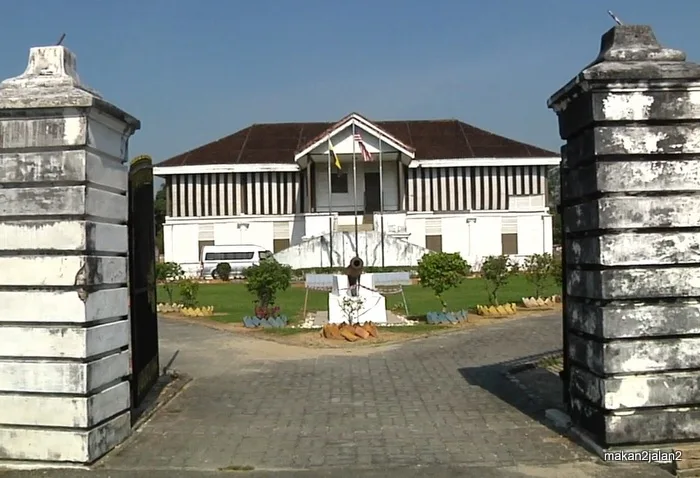
On October 23, 1863, Paduka Seri Sultan Jaafar bestowed the title of Orang Kaya Menteri Sri Paduka Tuan upon Ngah Ibrahim, making him the fourth-highest dignitary in the Perak administrative hierarchy. Through this honor, Ngah Ibrahim gained the power to administer Larut, covering Krian, Kuala Beruas, and Bukit Berapit. However, on March 31, 1864, the Sultan issued a new decree that reduced Ngah Ibrahim's administrative area to only include Larut, Krian, and Bagan Tiang. Within six months, his administrative power had been curtailed. At that time, it was customary that all land could only be obtained through the Sultan's grant, and the monarch had the right to give or take it back at his discretion. Ngah Ibrahim introduced a modern management system in Perak, with Kota Matang serving as his administrative center. As the fourth-highest dignitary, he also served as an advisor to the Sultan of Perak. Nevertheless, he remained subject to the Sultan. Among European officials, Ngah Ibrahim was known as the Raja of Larut, while among the Malays, he was called Tengku Menteri.
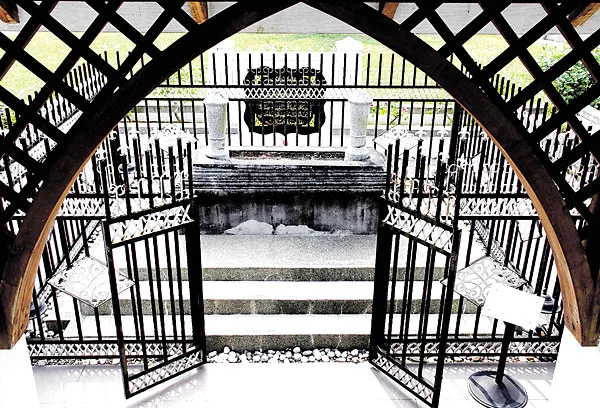
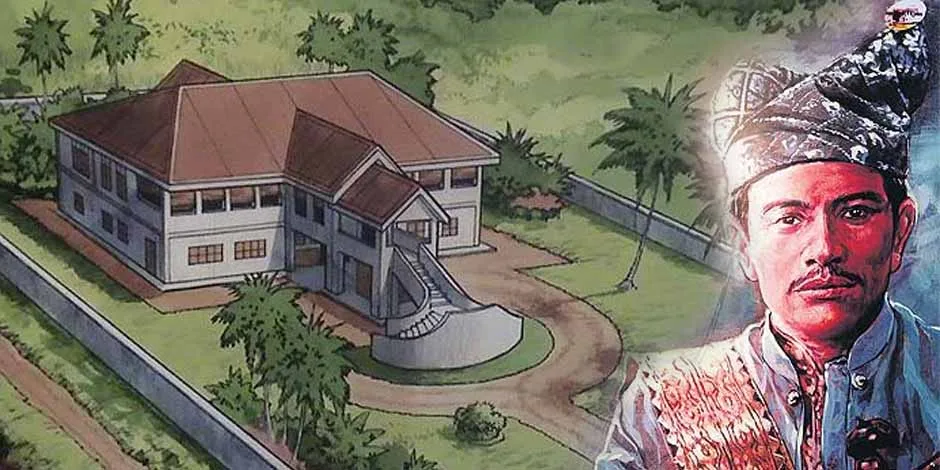
With his high position and power, Tengku Menteri began planning infrastructure development, starting with the construction of a residence as a gift to his wife, Toh Puan Halimah, which also served as a fortress and his administrative center in Matang, named Kota Ngah Ibrahim. He also built a road from Matang to Kelian Pauh, as well as a mosque and a bungalow in Penang (Jalan Mantri). He owned steam-powered warships ordered from England, the S.S. Indera Bayu and S.S. Bahtera Bayu, and a police force of 110 men led by Captain Speedy. This police force was also equipped with several German-made Krupps cannons. Ngah Ibrahim once had an audience with the Maharaja of Johor, Maharaja Abu Bakar, to learn the intricacies of administration. In the early stages, his administration was managed by his uncle, Ngah Lamat, for two years. He also received assistance from Sheikh Muhamad Taib, Abdul Jabar, and Pandak Leman, alongside his police force and clerks, Che Karim and Muhammad Hashim. The wealth he accumulated through taxes on tin mining, rice, coffee, nutmeg, sugarcane, tobacco, cloves, and cassava was truly befitting his status as a leading Malay aristocrat who was ahead of his time. However, due to the ongoing Larut Wars, the Pangkor Treaty signed on January 20, 1874, became a turning point in the lives of Ngah Ibrahim and other Perak dignitaries. The arrogant attitude of the first British Resident, J.W.W. Birch, who disregarded the dignitaries and the Sultan of Perak, led Ngah Ibrahim to conspire to remove Birch after his plans to abolish the Pangkor Treaty failed. Sultan Abdullah and Perak dignitaries such as Dato Maharajalela, Dato Sagor, Dato Laksamana, and Dato Syahbandar devised a plan that ended with the assassination of Birch in Pasir Salak on November 2, 1875. Birch's death ignited British anger, leading them to 'hunt' those involved. However, for Ngah Ibrahim, there was no solid evidence linking him to the incident.
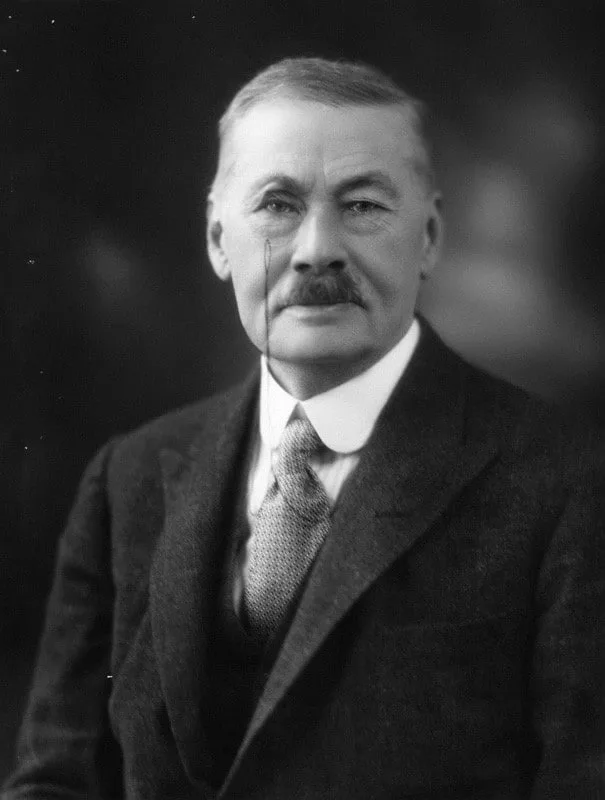
Ngah Ibrahim received a letter from the Colonial Secretary of the Straits Settlements in Singapore on March 26, 1877, from John Douglas, delivered via Frank Swettenham. He was ordered to go to Singapore to meet the Governor. Upon arriving at Tanjung Pagar two days later, Ngah Ibrahim was detained and forbidden from returning to Larut without a valid reason, by order of the British Government. The British considered Ngah Ibrahim a dangerous man and a spreader of nationalist sentiment against the British, so Governor W.F. Robinson agreed that Ngah Ibrahim should be sentenced to exile in the Seychelles. After some time, he was transferred to Sarawak before returning to Singapore as a prisoner, where Ngah Ibrahim eventually passed away on February 4, 1895, and was buried at the Al-Junid cemetery in Singapore. However, after more than a century, the Malaysian government finally succeeded in bringing Ngah Ibrahim's remains home, and he was reburied at his residence on September 9, 2006.