Istiadat Tabal Mandi Balai, A Symbol of the Panglima Kinta Seri Amar Diraja Perak Lineage
Istiadat Tabal Mandi Balai, A Symbol of the Panglima Kinta Seri Amar Diraja Perak Lineage

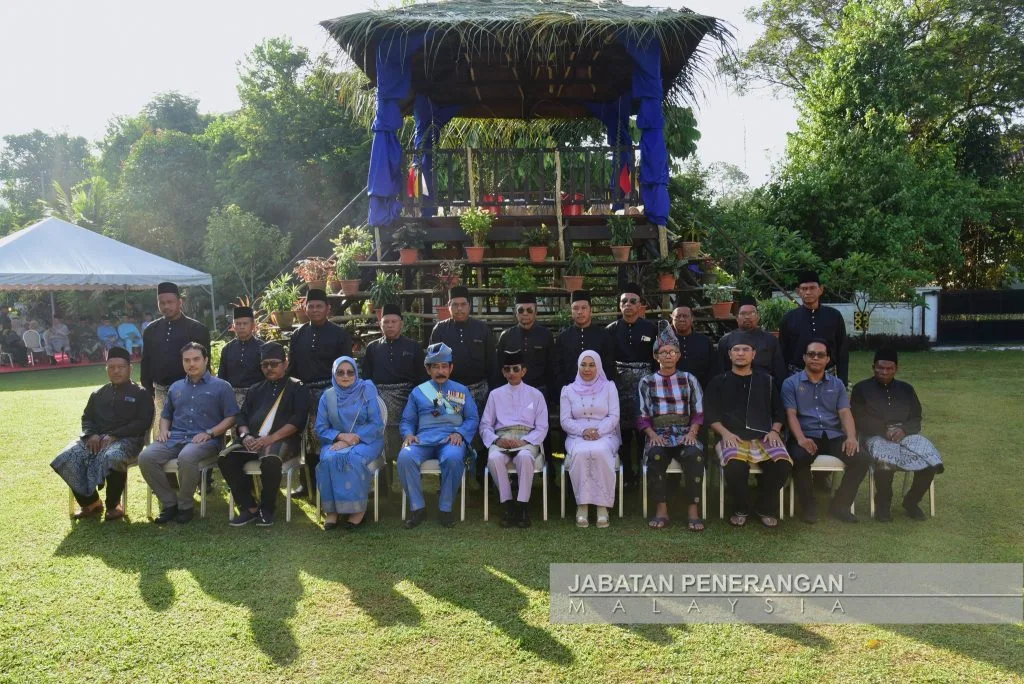
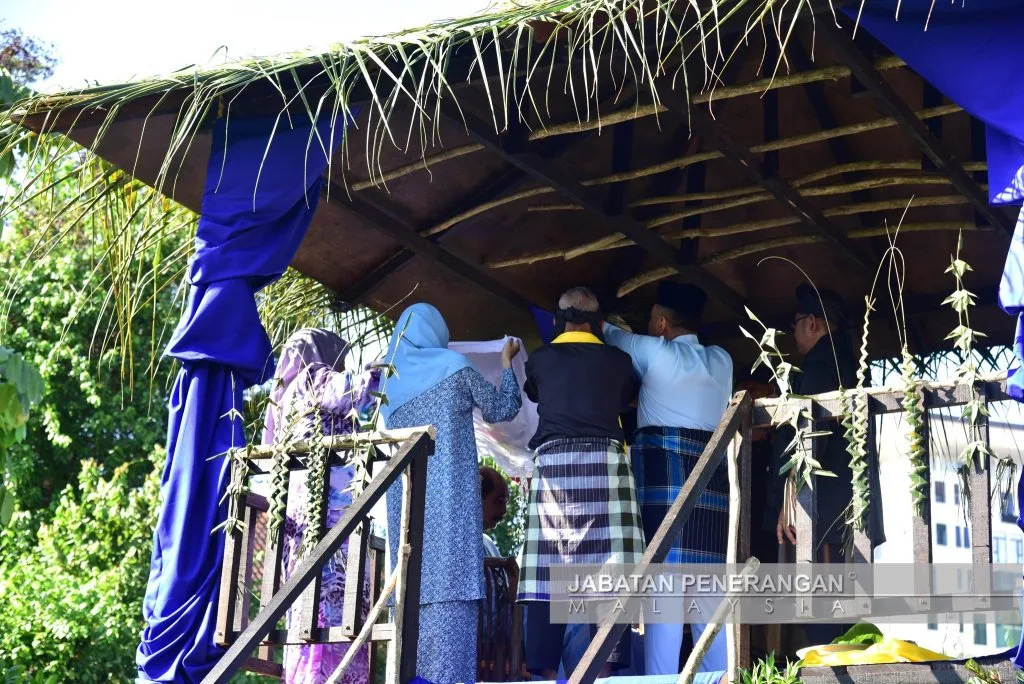
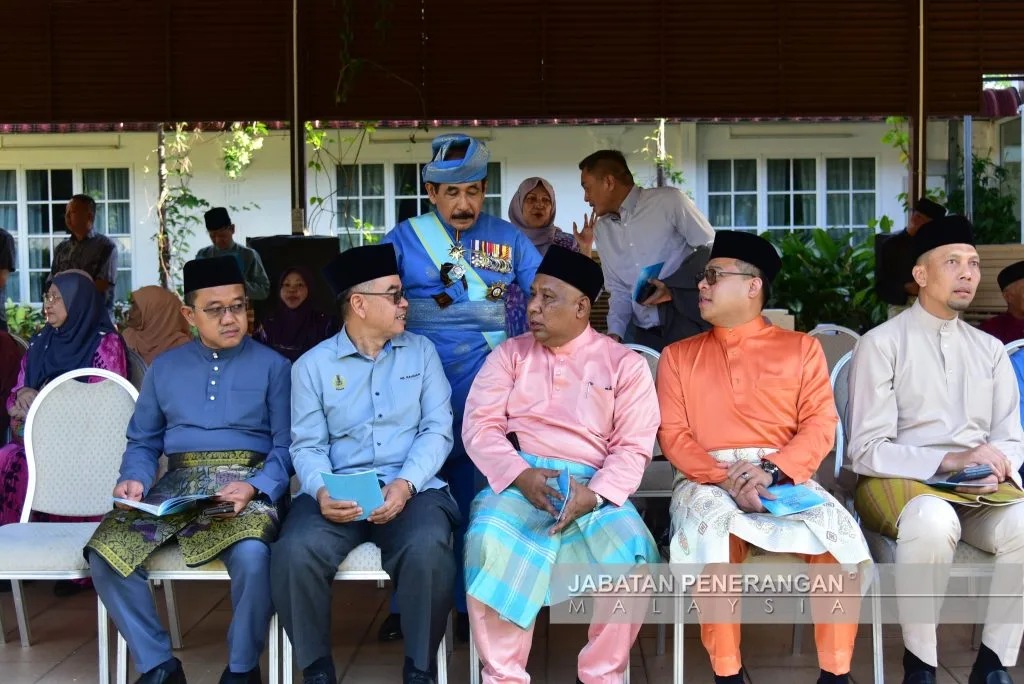
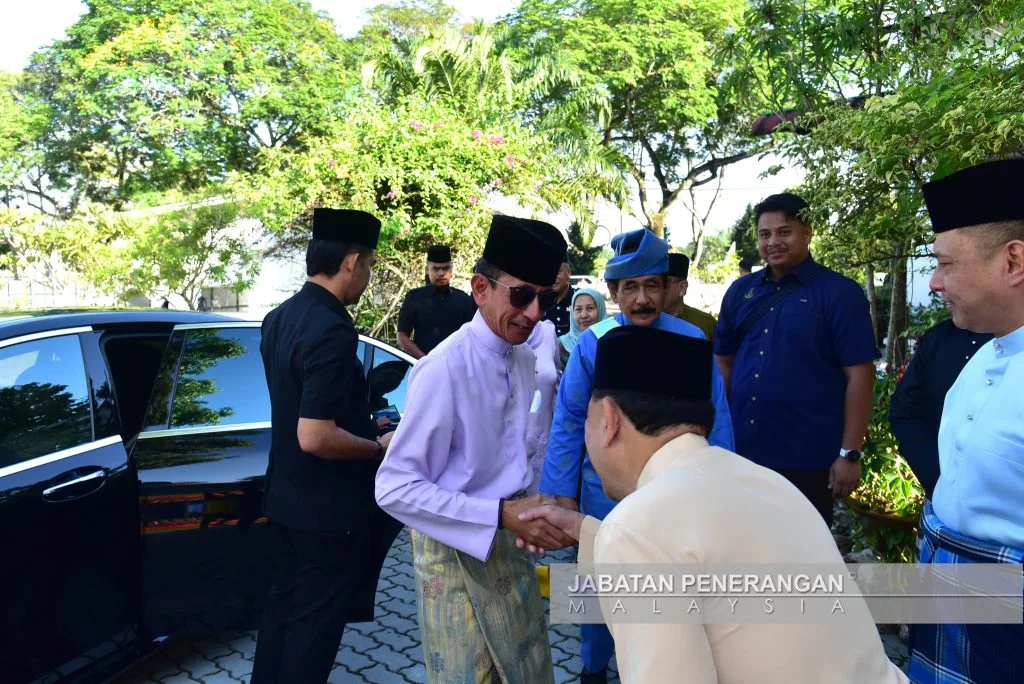
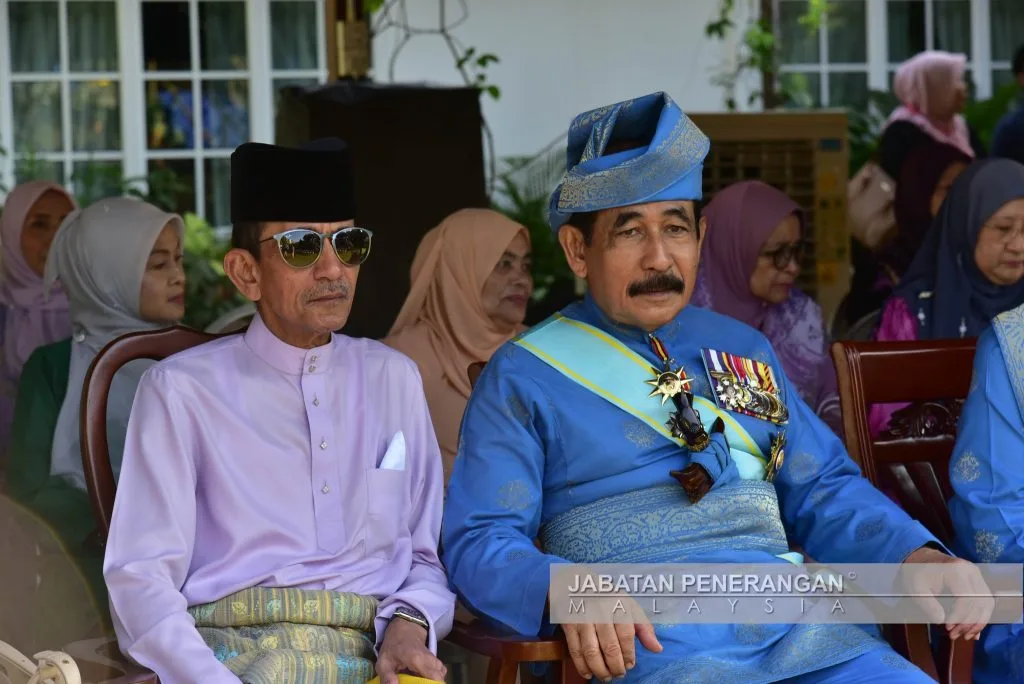
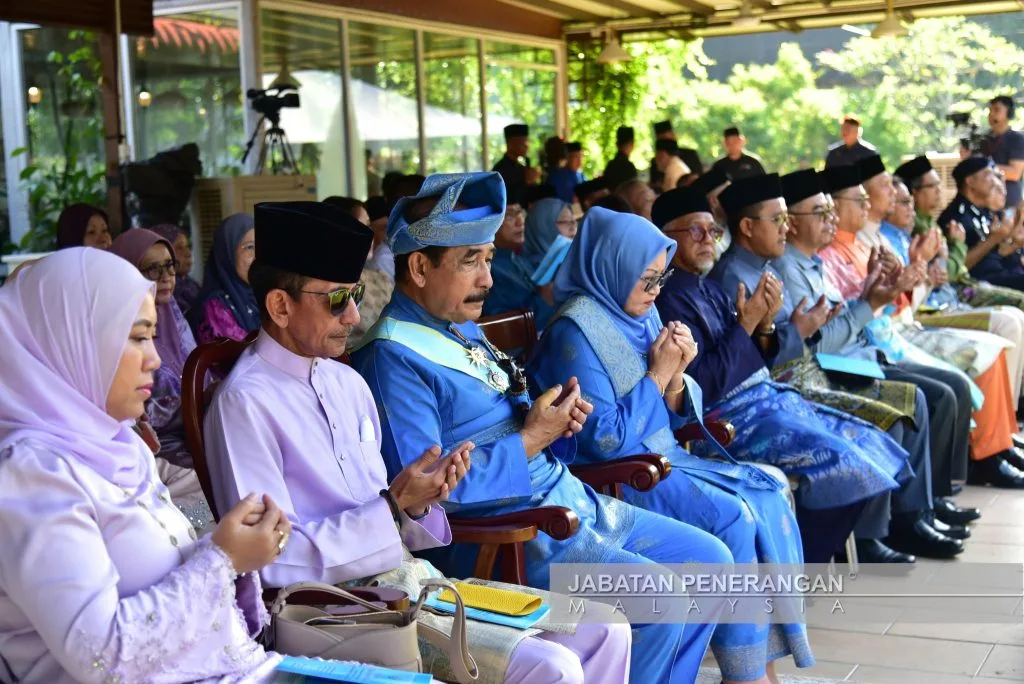
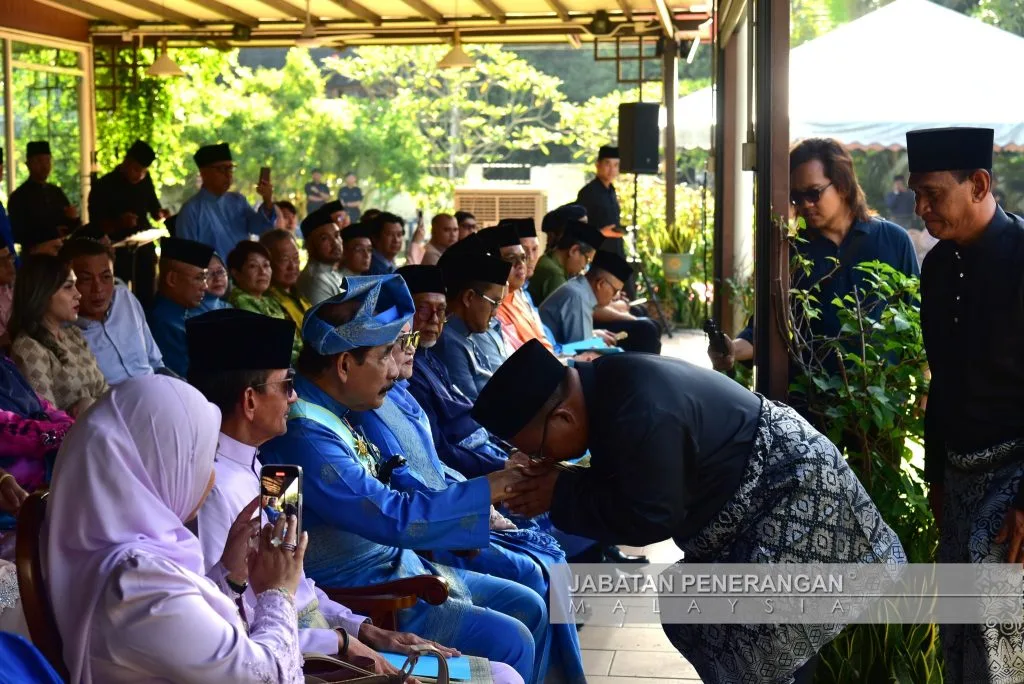
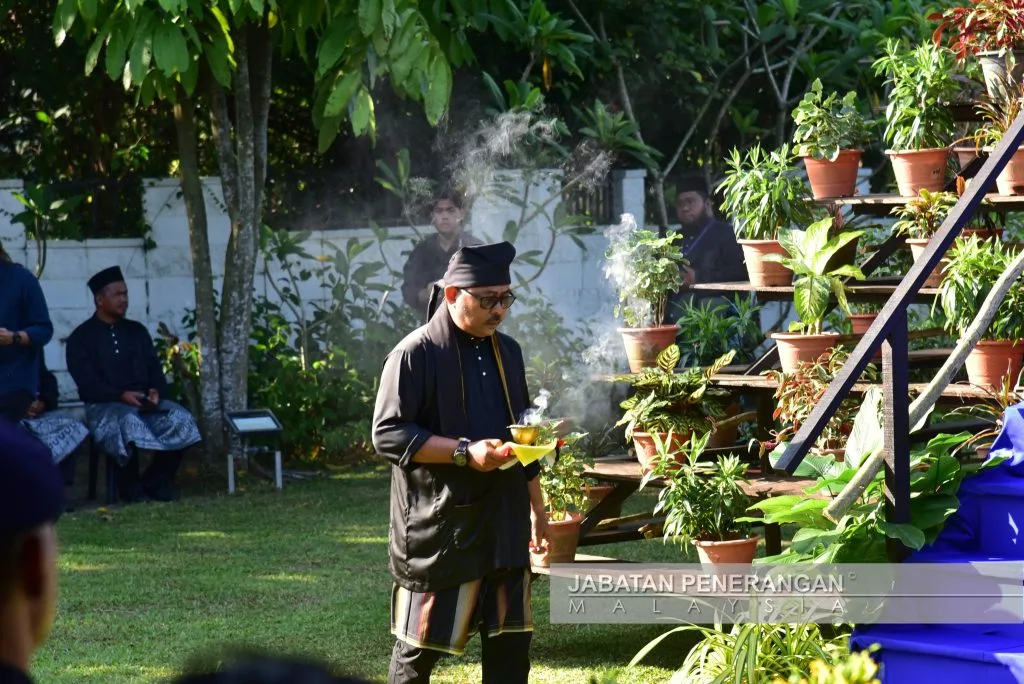
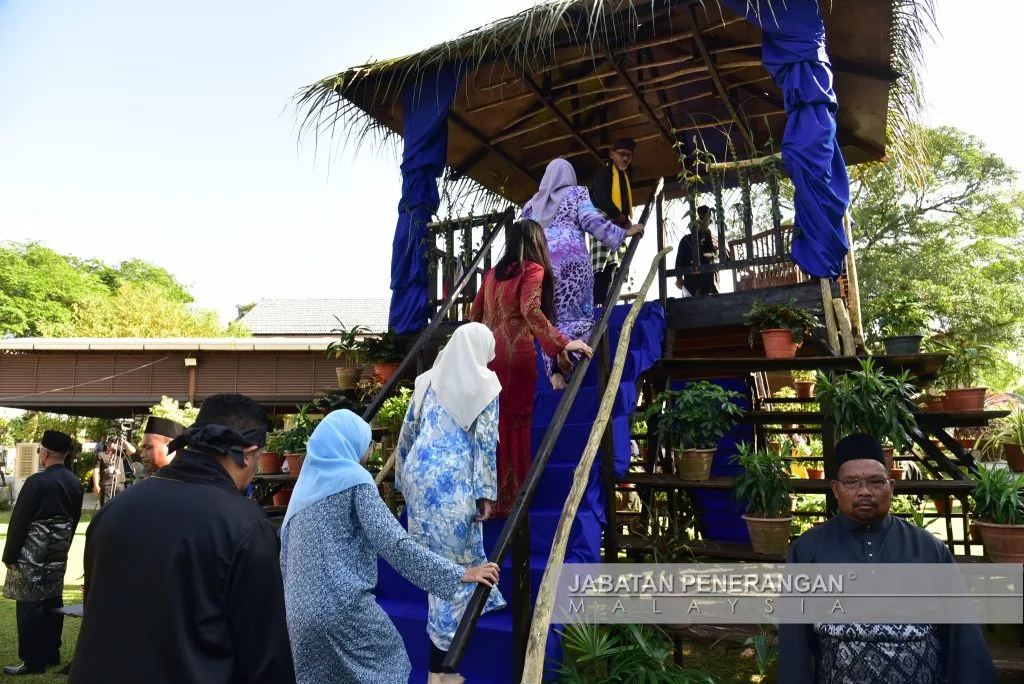
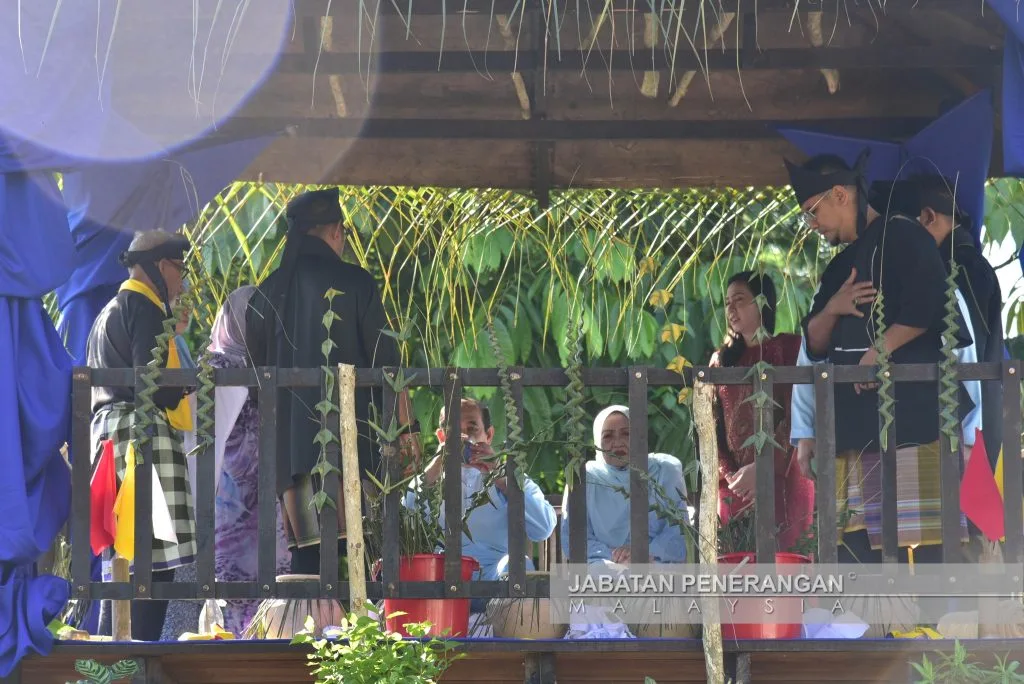
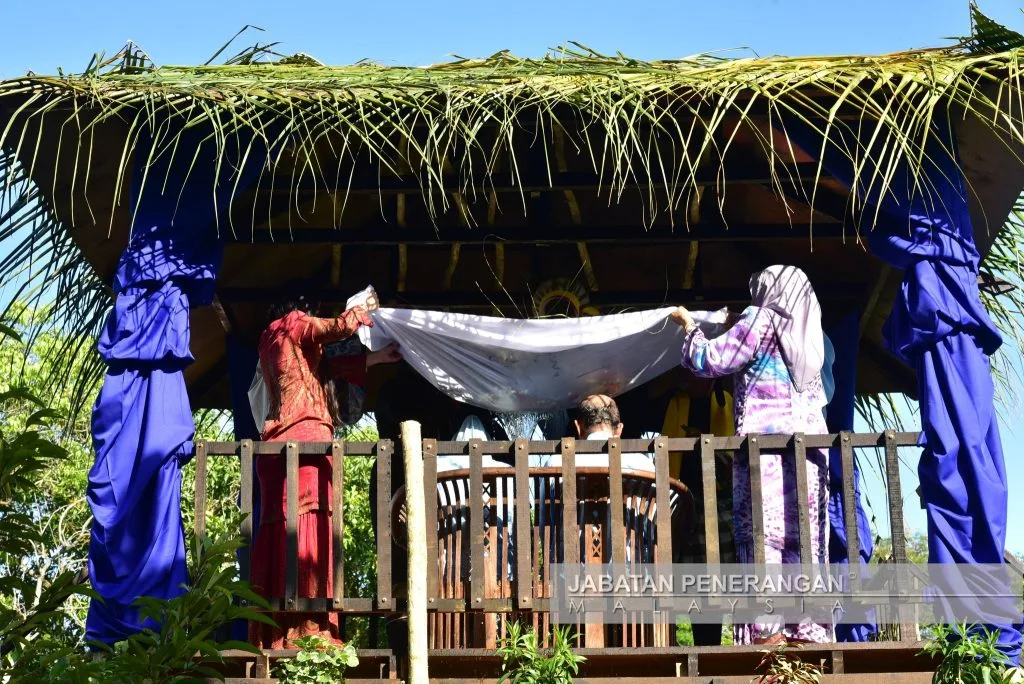
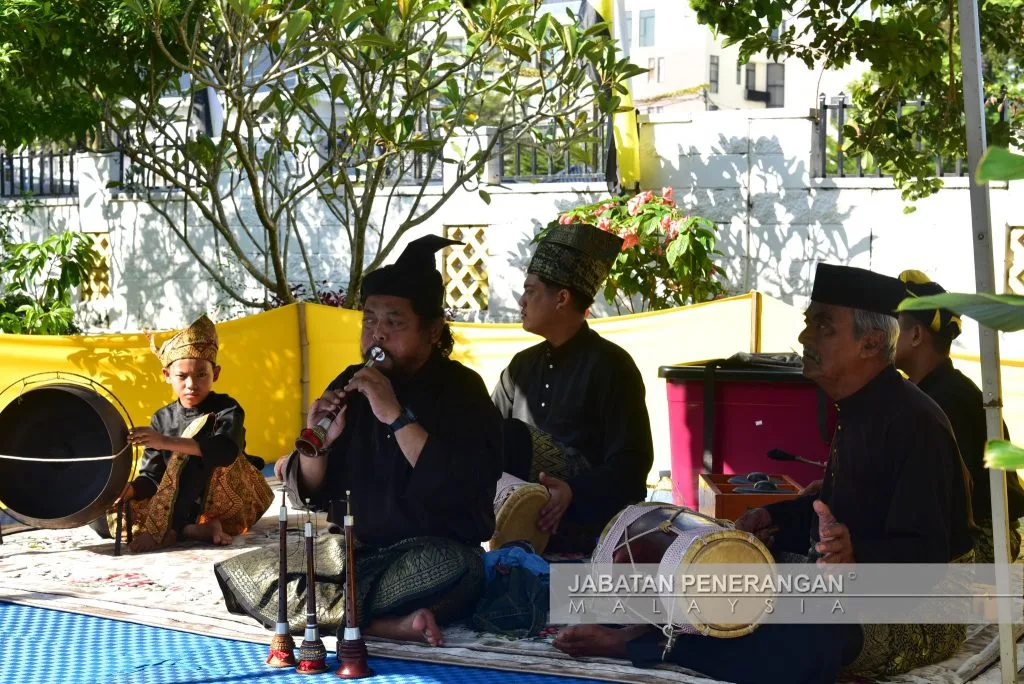
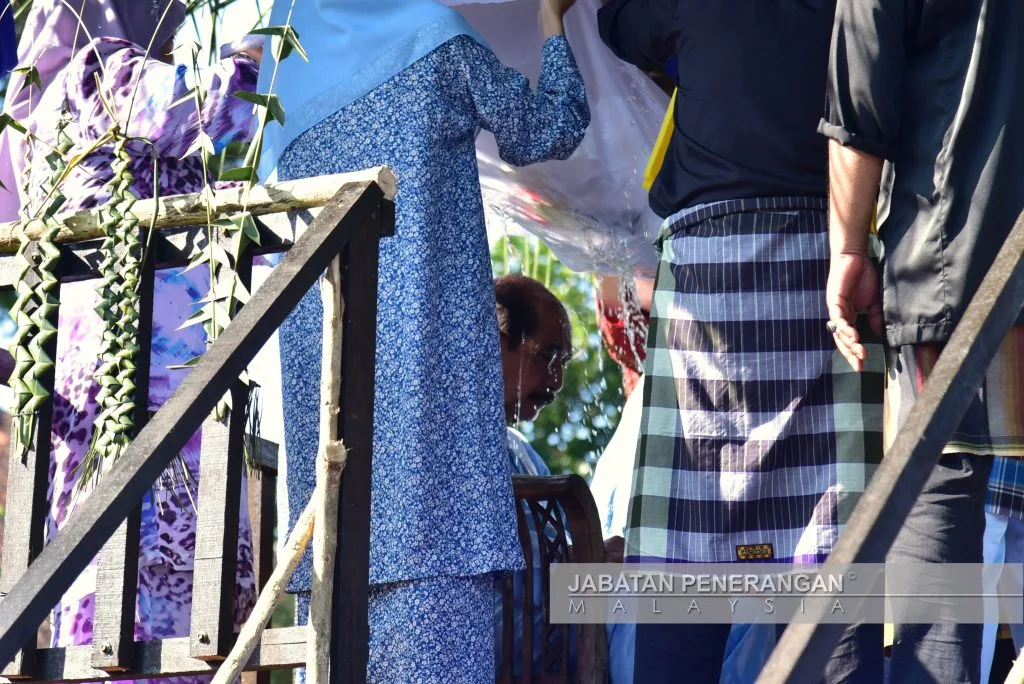
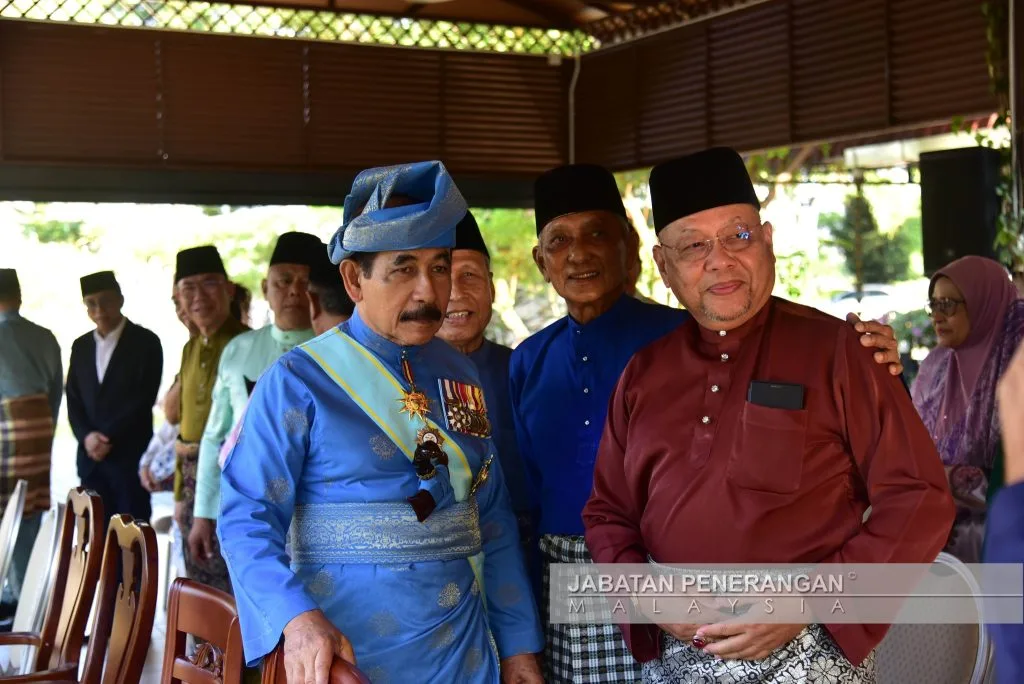
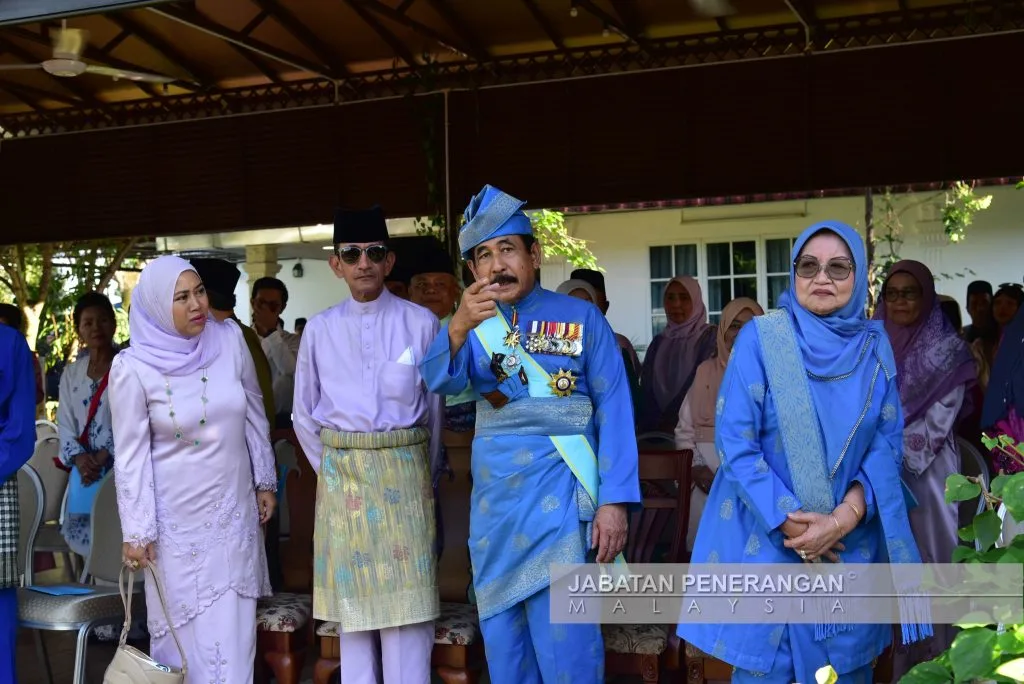
After a 43-year hiatus, the Istiadat Tabal Mandi Balai was held today as part of the 18th Dato Panglima Kinta, Dato Ab Wahab Azizul Hassan's installation ceremony at the official residence of the Orang Besar Jajahan Kinta. This ceremonial bathing rite was performed by Ab Wahab's heirs, witnessed by Tunku Besar Tampin, Tunku Syed Razman Tunku Syed Idrus Al-Qadri; other distinguished guests, regional chiefs, and family members in a ceremony steeped in tradition and history.
The water used in the ceremony was collected from seven rivers around Kinta: Sungai Seno’oi in Kampung Sungai Tonggang, Sungai Kinding, Sungai Pinji, Sungai Raia, Sungai Buntong at Bukit Leluhur, Sungai Kledang, and Sungai Papan. Seven traditional water vessels were used, symbolizing the continuity of this ancestral heritage.
Similarities to the Sultan of Perak's Installation Ceremony
According to local history and customs researcher Fazil Shuhaimi Talib, this ceremony shares similarities with the Istiadat Tabal Pusaka (Royal Heritage Installation) of the Sultan of Perak.
Fazil, who is also one of the heirs of the Dato Panglima Kinta family, explained that the lineage of the Dato Panglima Kinta, or Ab Wahab, is connected to the Perak Sultanate.
“In the state of Perak, this ceremony is only performed by two individuals: the Sultan of Perak and the Dato Panglima Kinta. This is because the Dato Panglima Kinta is a nobleman of royal descent,” he said when met on Monday.
“If you trace his lineage, it connects to the second Sultan of Perak, Sultan Mansur Shah I. That is also why the Panglima Kinta holds the title Orang Kaya Kaya Panglima Kinta Seri Amar Bangsa DiRaja,” he added.
Origins of the Istiadat Tabal Mandi Balai
Fazil stated that historical records show this ceremony was first performed by the 12th Dato Panglima Kinta, though he does not rule out the possibility that it has been practiced since the time of the first Dato Panglima Kinta, Toh Tambak.
“It is possible that the Istiadat Tabal Mandi Balai is a traditional ceremony and heritage of the Dato Panglima Kinta family that is hundreds of years old,” he said.
He also explained that there is no fixed timeframe for holding this ceremony, but it is usually carried out shortly after the Sultan of Perak grants his consent for the appointment of the Dato Panglima Kinta.
Royal Lineage from the Marriage of a Sultan and an Orang Asli
Recounting the early history of the Dato Panglima Kinta's lineage, Fazil shared that its origins began when Sultan Mansur Shah I married the daughter of an Orang Asli community leader from the Semang tribe in Kuala Kinta.
That marriage produced several sons and daughters, including Toh Changkat Piatu or Kulop Kinta.
“Toh Changkat Piatu later married Puteri Mazwin from the Temiar tribe in Hulu Kinta, and they had Tok Chendang. He was awarded the title Seri Maharaja Kinta by Sultan Muzaffar Shah II for his service,” explained Fazil.
“Tok Chendang then had a son, Toh Tambak, who became the first Panglima Kinta between 1670 and 1710,” he added.
A Unique Heritage That Must Be Preserved
Fazil emphasized that the uniqueness of the Istiadat Tabal Mandi Balai must be preserved for future generations as it reflects high-value Nusantara heritage.
“The bathing ceremony is usually only performed by sultans or royalty, but it is unique here because it involves the Dato Panglima Kinta, who possesses royal blood,” he said.
“If observed, similar ceremonies were once practiced in several regions of the Nusantara, such as Indonesia, the Philippines, and southern Thailand. This proves how high the value of the inherited culture is,” he asserted.
With its uniqueness and long history, the Istiadat Tabal Mandi Balai continues to be an important symbol in preserving the Malay noble heritage in Perak.
Photo by the Department of Information Malaysia