Istana Iskandariah: A Symbol of Pride for the State of Perak
Every sovereign territory must have a magnificent and beautiful seat of government. The Perak Sultanate, which continues the grandeur of the Malacca Sultanate's governance, certainly does not fall short in having its own unique symbol of sovereignty. This article will touch upon the symbol of the Perak Sultanate: Istana Iskandariah.
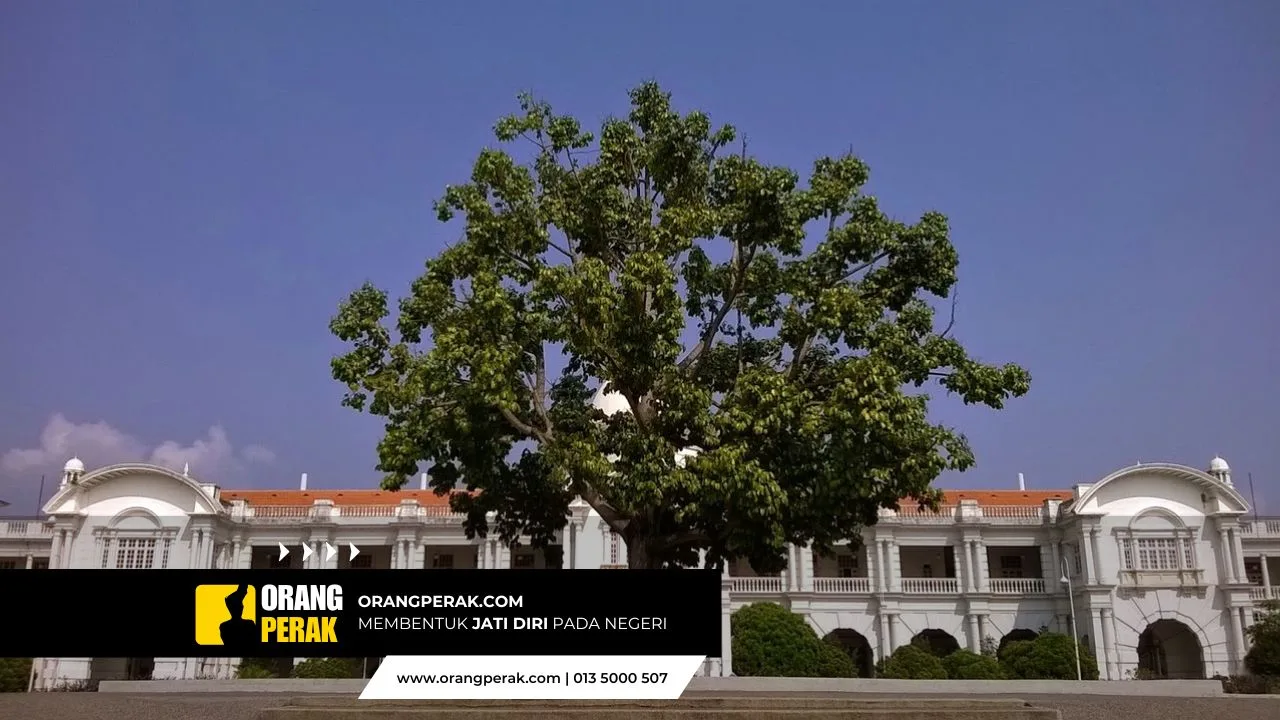
This magnificent and beautiful palace in Kuala Kangsar stands as the pinnacle of the grandeur of the Perak Sultanate, known as Istana Iskandariah. Often described as a palace from the tales of One Thousand and One Nights, it is situated on the banks of the Perak River. It not only preserves the history of the Perak royal institution but also serves as a landmark for the Royal Town of Kuala Kangsar. Located on Bukit Changkat Negara on the left bank of the Perak River, Istana Iskandariah was completed in 1933 and named after Paduka Seri Sultan Iskandar Shah, who ruled Perak from 1918 to 1938. It subsequently became the official residence for the reigning Sultans of Perak. The palace was built on the site of the old Istana Negara, which was constructed in 1895 by the 28th Sultan of Perak, Sultan Idris Mursyidul Adzam Shah I.
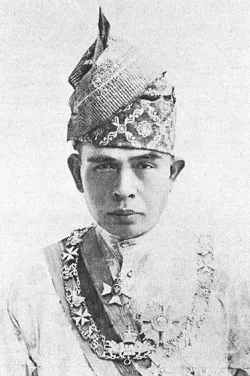
After Sultan Iskandar Shah passed away in 1938, the 31st Sultan of Perak, Sultan Abdul Aziz Al-Mutasim Billah Shah (1938-1948), resided at Istana Iskandariah, followed by Sultan Yussuff Izzuddin Shah, the 32nd Sultan of Perak. While the palace was under construction, Sultan Iskandar Shah resided temporarily at Istana Kenangan and moved into the new palace once it was fully completed. Since 1933, Istana Iskandariah has served as the official residence for all Sultans of Perak who have been installed as the reigning monarch of the state.
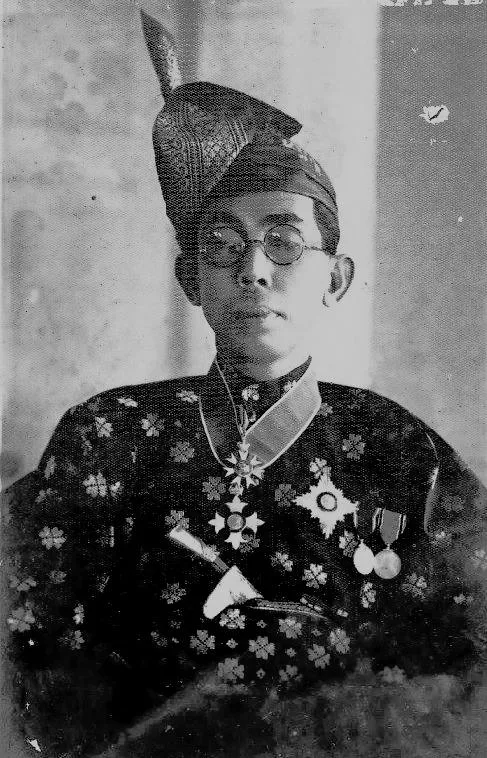
Istana Iskandariah features a unique and captivating architectural style. Its design resembles the Indo-Saracenic Islamic architectural style, blended with West Asian influences. This is clearly visible in the pointed arch motifs, as well as the tower decorations and onion-shaped domes. The presence of these foreign architectural influences likely stems from the experience of British architects who were well-versed in and captivated by the beauty of Indo-Islamic architecture. This style was later introduced to Tanah Melayu in the early 20th century through the construction of buildings such as mosques, the Kuala Lumpur Railway Station, and this very palace, Istana Iskandariah.
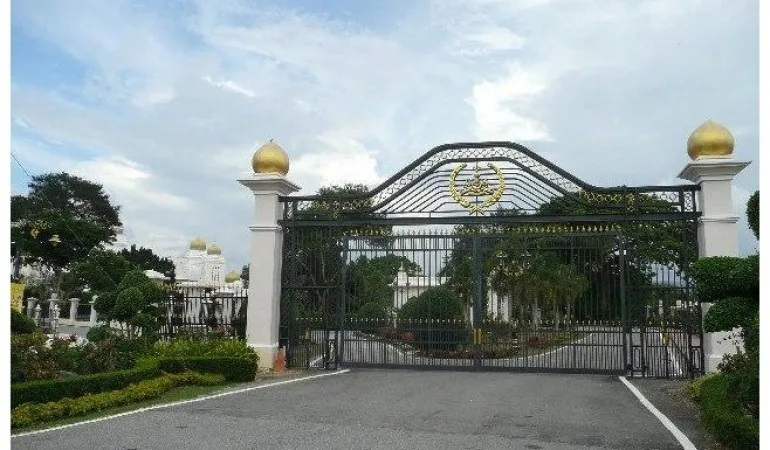
The palace was built facing the sunrise and offers beautiful views overlooking the clear waters of the Perak River. The palace building consists of two floors, with the ground floor and the first floor known as the Roof Lounge. There are also two large halls used as the State Council Hall and the Music Hall. On the ground floor, there are several special rooms with specific functions, such as the Audience Room, State Banquet Hall, Dining Room, Aide-de-Camp's office, and others. On the first floor, there are spaces such as lounges for the Sultan's princes and princesses, a playroom, a contest room, and more.
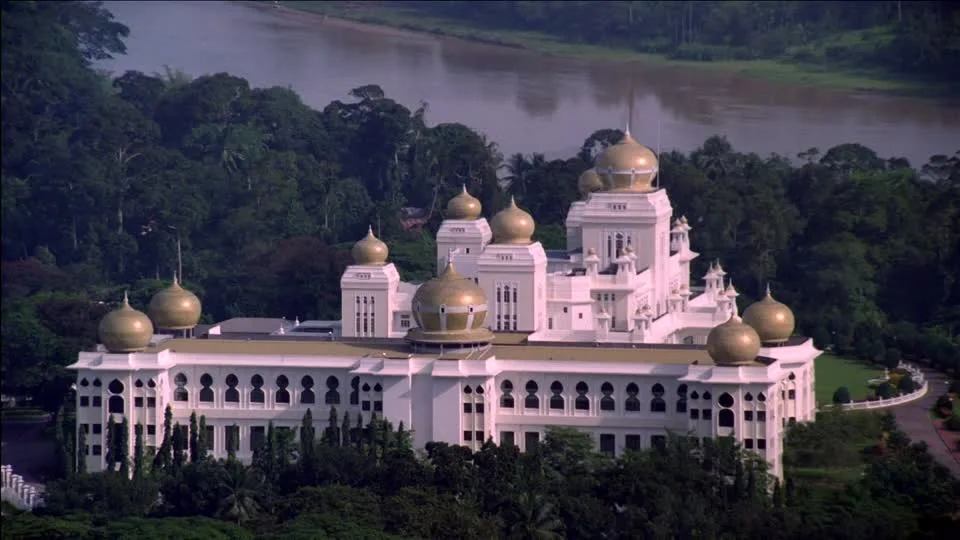
To reach this level, there are stairs as well as an elevator. The second floor of the palace is the most important, as it houses the Balai Nobat (Royal Orchestra Hall), the Balairung Seri (Throne Room), and the Throne itself, which are vital for ceremonial occasions, installations, and other events. Additionally, this floor contains dressing rooms and the private lounge of the Paduka Seri Sultan. Given the beauty of its architecture and its status as the largest palace, it is fitting that it has served as the official residence of the Sultans of Perak from 1933 to the present day.
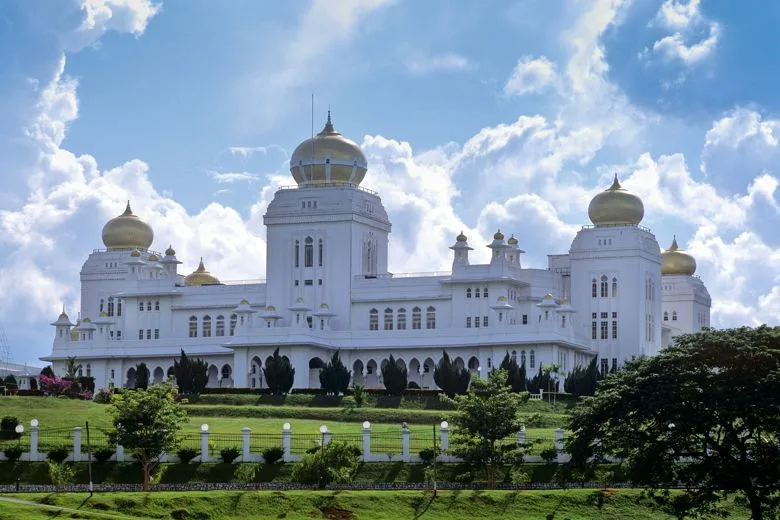
In 1984, Istana Iskandariah was expanded by 11,468 square meters at the same level as the main palace and connected at the first floor. The architecture of this extension matches the main palace, appearing as if it were built at the same time as the original structure. This expansion covers an area of 99 meters by 38.7 meters in a rectangular shape and features one main dome and four smaller domes at each corner. As seen today, the palace has two main domes and eight smaller domes, each located at the corners of the palace. The ground floor of the extension houses the garage for royal vehicles. The first floor houses the new Banquet Hall, while the second floor contains the new Throne Room. The Throne Room and Banquet Hall are adorned with floral carvings.
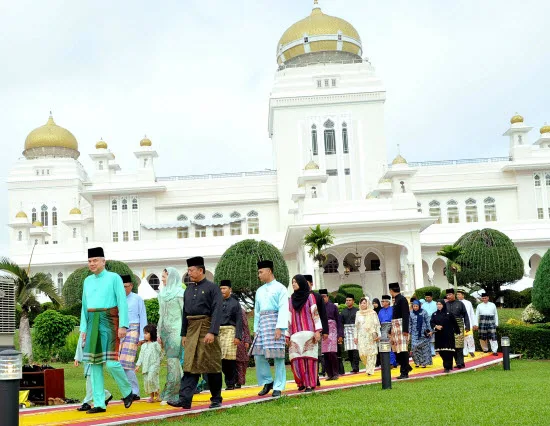
Near Istana Iskandariah, there are other palaces that have played important roles in the history of Perak, such as Istana Kenangan, which is now used as the Royal Museum, and Istana Hulu, also known as Istana Kota. Istana Kota was later converted into the Sekolah Kebangsaan Kota building in 1957 and renamed Sekolah Kebangsaan Raja Perempuan Mazwin in 1970.