Frank Swettenham's Notes on the River Terrapins of Bota Kanan
Frank Swettenham's Notes on the River Terrapins of Bota Kanan
In 1895, while serving as the Resident of Perak, Sir Frank Athelstane Swettenham mentioned 'river turtles' in his writings. The 'river turtle' referred to by Sir Frank Athelstane Swettenham is an animal known as the tuntung (river terrapin).
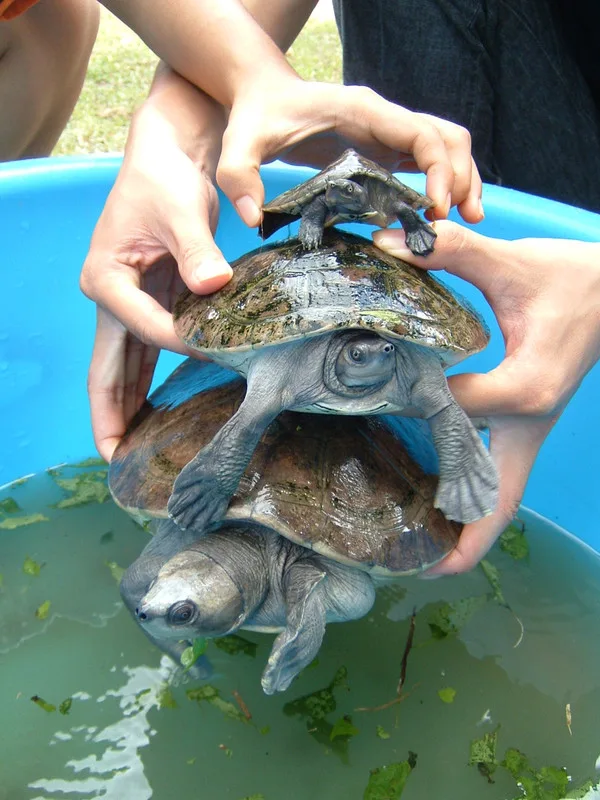
As we are all aware, the river terrapin belongs to the reptile group, similar to sea turtles, softshell turtles, and tortoises. Its primary habitat is in brackish water. However, in the state of Perak, the Perak River is the main home for these terrapins. It is said that they can live to be 70 to 80 years old.
There are also records stating that river terrapins can live up to 100 years. Their size varies by gender, as females are larger than males. Female terrapins can grow up to 50 cm, compared to males which grow to approximately 40 cm in carapace length.
In his notes, Sir Frank Athelstane Swettenham stated that at the end of every year when the Perak River water levels are high, the terrapins would head upstream to find sandy areas around Bota to lay their eggs. The most frequent site chosen for nesting is Pasir Telor, Bota.
River terrapin eggs are larger than those of sea turtles. Frank Swettenham noted that the Malay community was very fond of eating these eggs. In fact, they were considered a royal delicacy. Because of this, women from the Perak palace would visit this site every year to collect the eggs.
When the Perak River tide began to rise, people were assigned to monitor the terrapins' nesting activities. Therefore, during the nesting season, boats or sampans were not allowed to dock in the sandy areas for fear of disturbing the terrapins attempting to lay their eggs.
A terrapin nest is about 3 to 4 feet deep and contains approximately 15 to 35 eggs. It is said that a terrapin will lay eggs three times; after the first time, it returns to the river, and the assigned observers go to the nest to collect the eggs and send them to the palace for the Sultan's consumption.
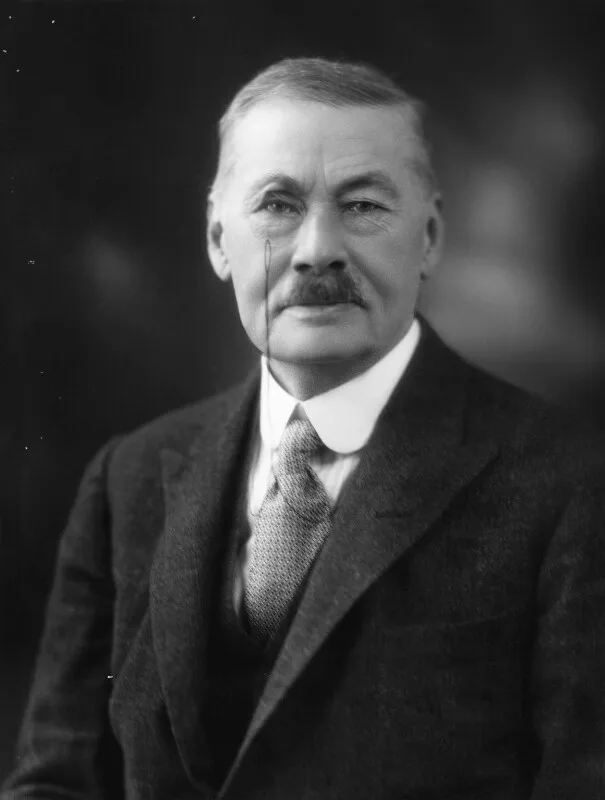
Sir Frank Athelstane Swettenham
Once the terrapins finished laying eggs for the second time, the eggs in those nests would be taken by the royal family. Meanwhile, the nests from the third laying would be left to hatch to maintain the population in the area. The entire process takes about 6 months.
It is said that if the first and second nests are left undisturbed, the terrapin will naturally destroy its own nest and the eggs within.
According to Frank Swettenham's report, once the terrapins finished their second nesting, the Sultan, along with his royal family and dignitaries, would travel upstream to Pasir Telor. This royal entourage consisted of 150 people traveling in 15 to 20 large houseboats and several bamboo rafts. The royal party would wear beautiful attire, and the Sultan's departure was accompanied by the beating of the nobat.
Today, there is a River Terrapin Wildlife Conservation Centre in Bota Kanan established to oversee egg collection, incubation, post-hatching care, release, enforcement, and monitoring of the terrapins.
Sources and references:
- Malay Sketches