The Unique Artistry of Masjid Ihsaniah Iskandariah in Padang Rengas, Perak
When driving through the roads of Kampung Kuala Dal, your attention will surely be captured by the unique artistry of Masjid Ihsaniah Iskandariah, which is remarkably different and stands out compared to any other building or mosque you have seen before.
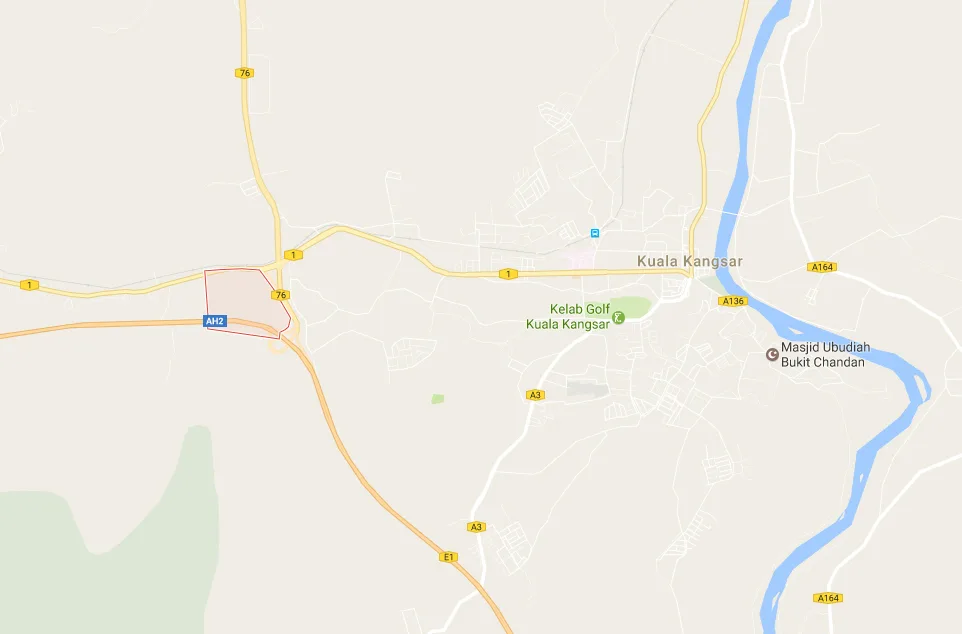
The most obvious and distinct feature is the roof construction, known as the 'limas' roof, which is typically used for the construction of a surau or madrasah. Masjid Ihsaniah Iskandariah is located in Kampung Kuala Dal, Padang Rengas, approximately 15km from Kuala Kangsar. Historically, the mosque was built after Sultan Iskandar Shah, the 30th Sultan of Perak (1918-1938), made a vow to build a mosque if his child recovered from an illness.
Kampung Kuala Dal was chosen after Sultan Iskandar Shah saw the villagers praying in a dilapidated madrasah while he was returning from a picnic at Lata Bubu, located not far from the area.
Thus, Sultan Iskandar Shah fulfilled his vow by contributing 8,000 pounds sterling, and the mosque was built on a plot of land endowed by a nobleman named Jeragan Abdul Shukur Mohammmad Ali. Jeragan Abdul Shukor Bin Mohamed Ali was born during the reign of Sultan Mohamed Ali Al-Mukamal Inayat Shah, the 24th Sultan of Perak (1865-1871). His mother's name was Che Teh Miti, who hailed from Bota Kiri, Parit, Perak.
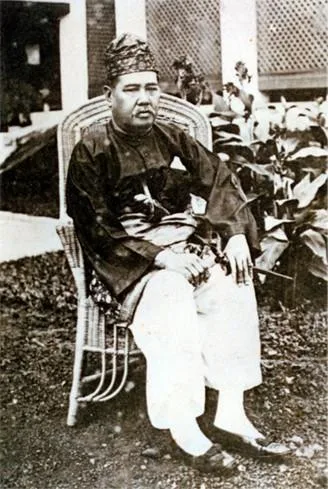
Jeragan Abdul Shukur Mohammmad Ali was raised in the palace and was closely associated with the Royal family, starting with the late Sultan Yusuf Sharifuddin Mudzaffar Shah, the 27th Sultan of Perak (1876-1887), who was said to be very fond of him. He served extensively under the late Sultan Idris Murshidul Azam Shah, the 28th Sultan of Perak (1887-1916), where he was appointed as the Sultan's Secretary. He passed away in 1924 and was laid to rest near the Royal Mausoleum in Bukit Chandan, Kuala Kangsar. Beside him lies his wife, Che Teh Doyah, who passed away in 1928.
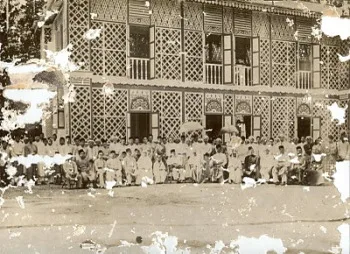
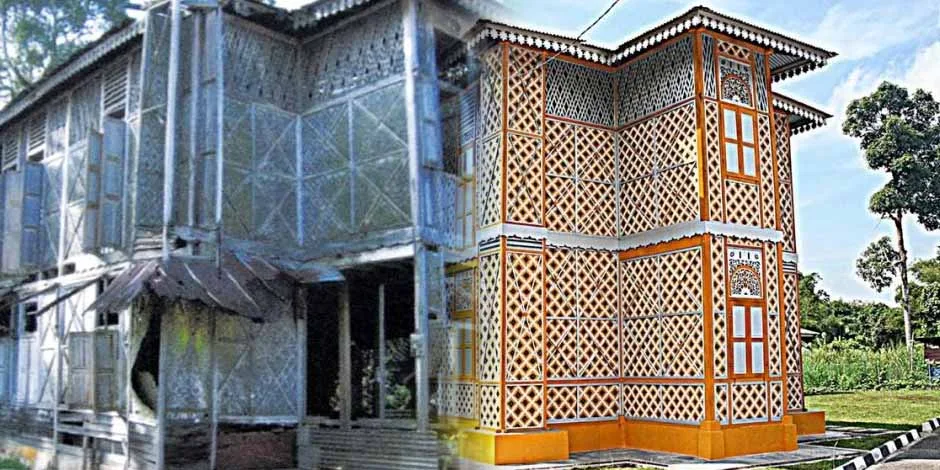
The Sultan first inaugurated this mosque on Friday, 10 Zulhijjah 1356 Hijrah, which corresponds to 11 February 1938. It was well-utilized but later abandoned for over three decades after the building's structure was damaged by a falling durian tree branch in 1976. Because of this, a new mosque was built next to it. The National Heritage Department carried out conservation work to repair the structural damage of Masjid Ihsaniah Iskandariah.

According to Professor Emeritus Datuk Siti Zuraina Abdul Majid, the Commissioner of National Heritage, the National Heritage Department carried out conservation work involving an allocation of nearly RM900,000 from a combination of three ministries: the Ministry of Information, the Ministry of Communications, and the Ministry of Culture. The national heritage authorities sought bamboo weaving assistance from the state of Perlis to replace the original mosque walls, which had been worn out and neglected for over 30 years.
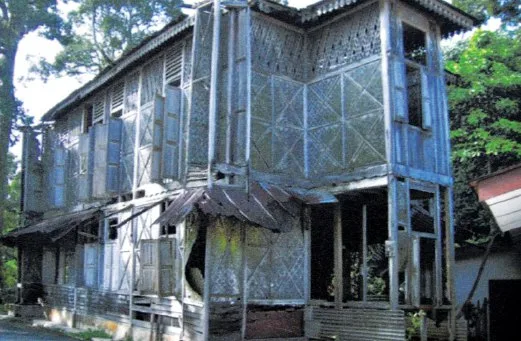
Conservation work was fully completed in July 2009, and Masjid Ihsaniah Iskandariah was officially gazetted as a national heritage. Today, this mosque, rich in state heritage, is managed by the Masjid Al-Wahidiah congregation.
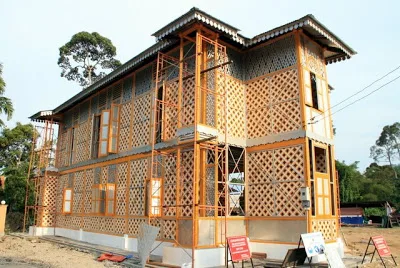
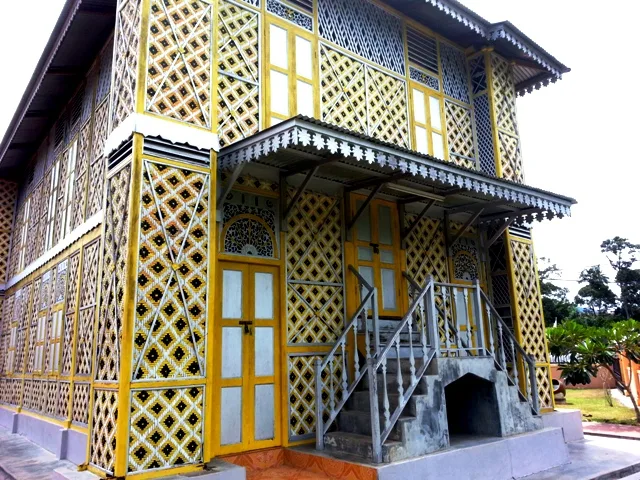
Among the interesting features worth sharing here is the mosque's zinc roof, which is somewhat sloped and was actually inspired by the design of Istana Kenangan, even though the original shape was quite tall and steep. Another unique feature of this two-story mosque can be seen in its oval or 'bujur sangkar burung' (birdcage) design. Usually, people's first impression of this mosque is that it looks like a birdhouse!
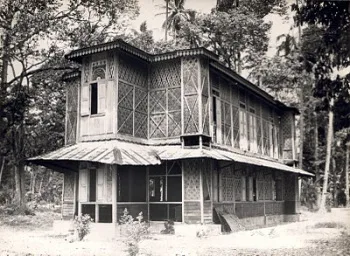
It has 20 windows, with the lower windows built higher. Each window is decorated with 'insang ikan yu' (shark gill) and 'pucuk kacang' (bean sprout) motifs. The window heads are adorned with crescent moon and five-pointed star carvings. Every joint of the 'tepas' bamboo-woven walls is decorated with a 'tikam seladang' flower carving to enhance the wall decor.
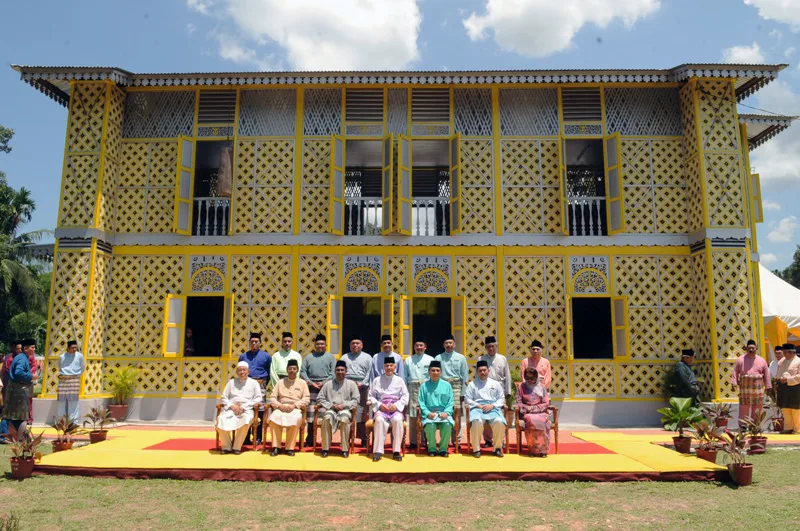
The entire wall of Masjid Ihsaniah Iskandariah is made of bamboo weaving known as 'Kelarai Bunga Potong Belian'. It is a form of traditional Malay architecture from Perak. 'Buluh minyak' is a type of thick bamboo that can be woven to create walls. Therefore, it is no surprise that the mosque's 'tepas' walls remain in good condition despite being over 70 years old and having been abandoned for 30 years.
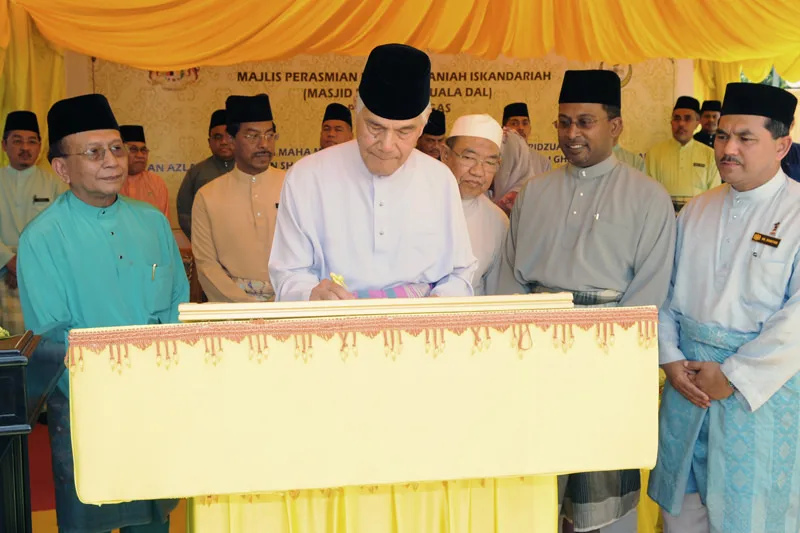
The mosque was inaugurated for the second time by the Sultan of Perak, Sultan Azlan Shah, after the restoration process was fully completed. The reconstruction of this old mosque serves as a symbol of the unique history of the original building, which once served as a place of worship for the local Muslim community. Many unique Malay architectural features are found in the mosque. Most notably, the walls, known as 'tepas', are made of woven bamboo. Alhamdulillah, one of Perak's treasures has been successfully saved for our future generations to behold.