The Story of the Brave Abdul Aziz Ishak from Trong
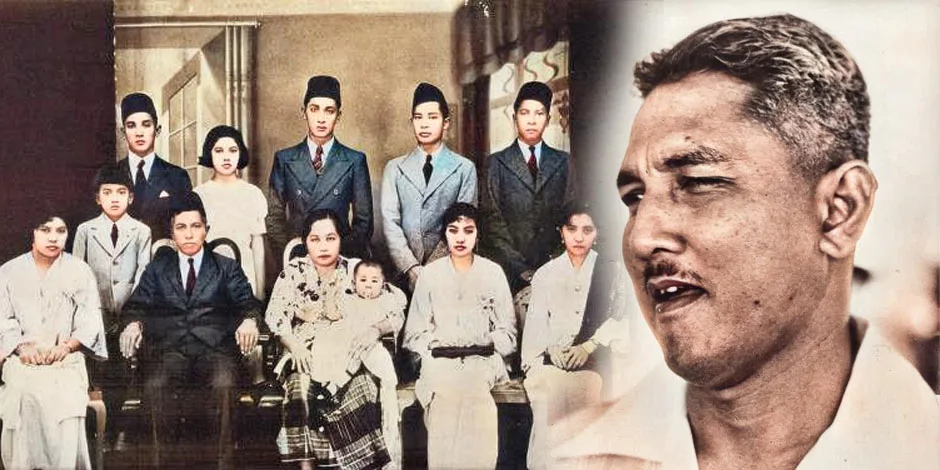
Aziz Ishak was the younger brother of Yusof Ishak, the first President of Singapore, and was born in Trong, Perak in 1913. The figure featured in this article is a descendant of Dato Jenaton, a Minangkabau nobleman who migrated to Penang during the reign of Sultan Muhammad Jiwa (the 9th Sultan of Kedah). His father, Ishak bin Ahmad, was the first Asian appointed as the Acting Director of the Fisheries Department for the Straits Settlements and the Federated Malay States.
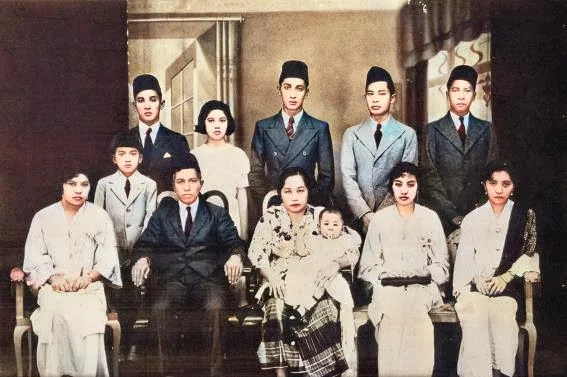
His family moved to Singapore with his father in 1923. Aziz attended primary school at Victoria Bridge School and later continued his studies at Raffles Institution. Aziz Ishak worked as a Fisheries Officer in his youth, and in 1935, at the age of 22, he was assigned to serve in Kuala Kurau, Perak. There is a story from the Japanese occupation of Malaya, when he was serving as the Head of the Fisheries Division at the Singapore Municipal Council. Aziz Ishak was beaten by the Japanese Kempeitai for refusing to grant a kelong license to a wholesaler who was a Japanese naval officer, as the officer intended to operate in an area reserved for local fishermen.
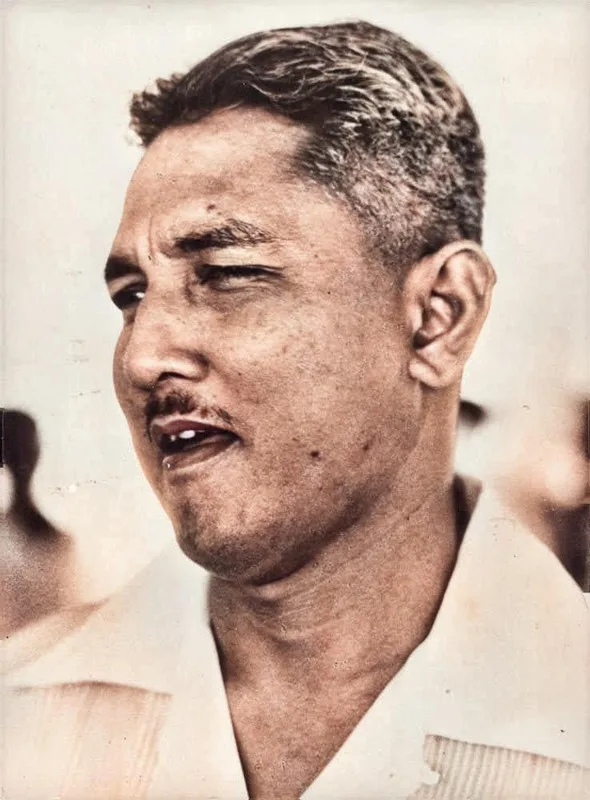
Before the Japanese officer could get angry and strike him, Aziz Ishak threw a file at his face. This action led to him being taken into a room, where he was punched and kicked for 20 minutes, causing his nose to bleed. After the Japanese surrendered, his brother, Yusof Ishak, invited him to help develop Utusan Melayu. Consequently, he resigned from his position as a Fisheries Officer. In 1946, Aziz Ishak, along with Thaharuddin and A. Samad Ismail, founded the Gerakan Angkatan Melayu Muda (GERAM) in Singapore, which leaned towards the pro-Malay Nationalist Party of Malaya (PKMM). In 1951, Aziz Ishak was tasked as a representative of Utusan Melayu to go to London to cover the coronation of Queen Elizabeth II. It is said that Aziz Ishak reported that the British Prime Minister, Winston Churchill, kept sitting and standing during the coronation ceremony. He also described the ceremony as being like a Chinese opera because several workers were sweeping the carpet while the ceremony was taking place. As a result of his report, Sir Gerald Templer, the British High Commissioner in Malaya, summoned Aziz to his office for questioning. While in the room, Aziz Ishak was called a "rat reporter" by Templer. As he was leaving, Templer continued to insult him and challenged him to report their argument in the Utusan Melayu newspaper.
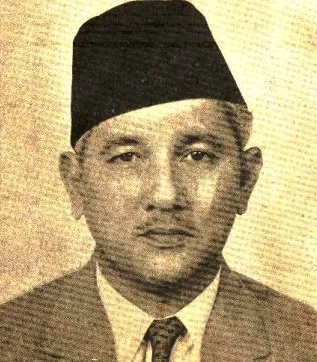
Aziz Ishak replied that he would write about the incident and slammed the door shut, but unfortunately, it only made a soft sound because the door was equipped with a spring to prevent slamming. After joining various political organizations since his youth, such as the Kesatuan Melayu Muda (KMM), GERAM, UMNO, and the Independence of Malaya Party (IMP), Aziz Ishak was finally appointed as the Minister of Agriculture, Fisheries, and Cooperatives under Tunku Abdul Rahman's Cabinet in 1953. When Khir Johari was serving abroad, he acted as the Minister of Education. An incident occurred where students from the Language Institute went on strike to protest the actions of their principal, a British officer. A committee was formed, and Aziz Ishak took firm action by dismissing the principal. Additionally, he changed the name of "Sekolah Umum" (a name given by Khir Johari) to "Sekolah Kebangsaan," which is still used today. In 1961, Aziz Ishak, as the Minister of Agriculture, proposed the establishment of a government-owned urea fertilizer factory to help poor farmers in the villages. Unfortunately, his proposal was not agreed to by Tunku Abdul Rahman on the grounds that it required significant expenditure, while Aziz Ishak believed that the Tunku wanted to protect British-owned fertilizer factories from any competition.
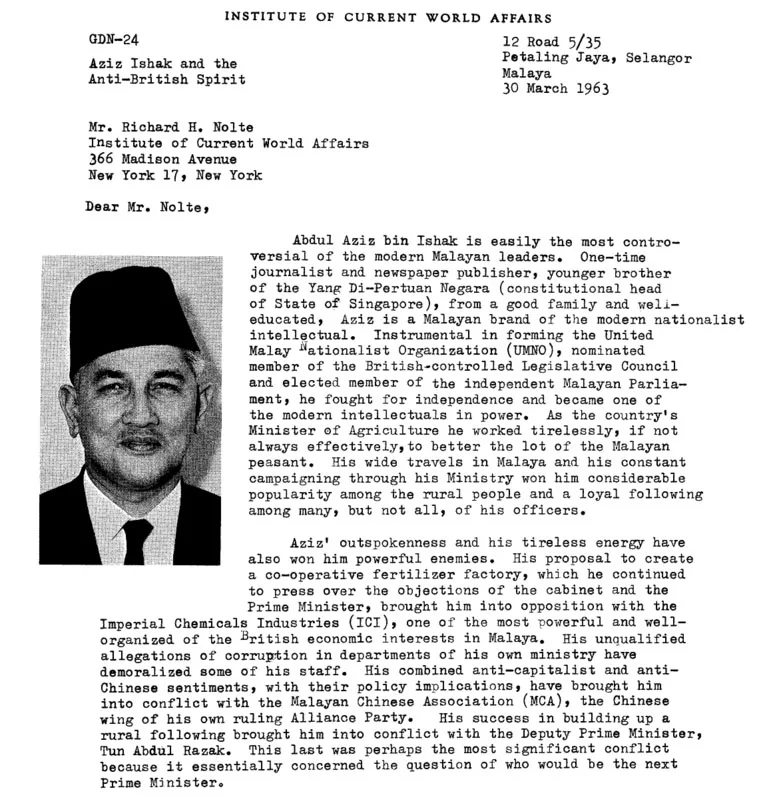
The dispute continued until Aziz Ishak was transferred to the Ministry of Health. However, Aziz Ishak rejected the appointment, and his actions eventually led to an open confrontation.
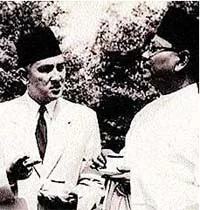
Tunku dismissed Aziz Ishak from UMNO in 1963. With that, the ministerial position he had held for seven and a half years was automatically revoked, and he became an ordinary citizen without any official post. Al-Fatihah for Abdul Aziz Ishak. Source:
- Zainuddin Maidin, Di Depan Api, Di Belakang Duri, Kisah Sejarah Utusan Melayu 2013.
- Adam A Kadir, Aziz Ishak; Dewan Masyarakat 1979
- Abdul Aziz Ishak, Mencari Bako, 1983