The Story of Maharaja Abu Bakar of Johor Being Asked to Persuade Maharajalela to Surrender
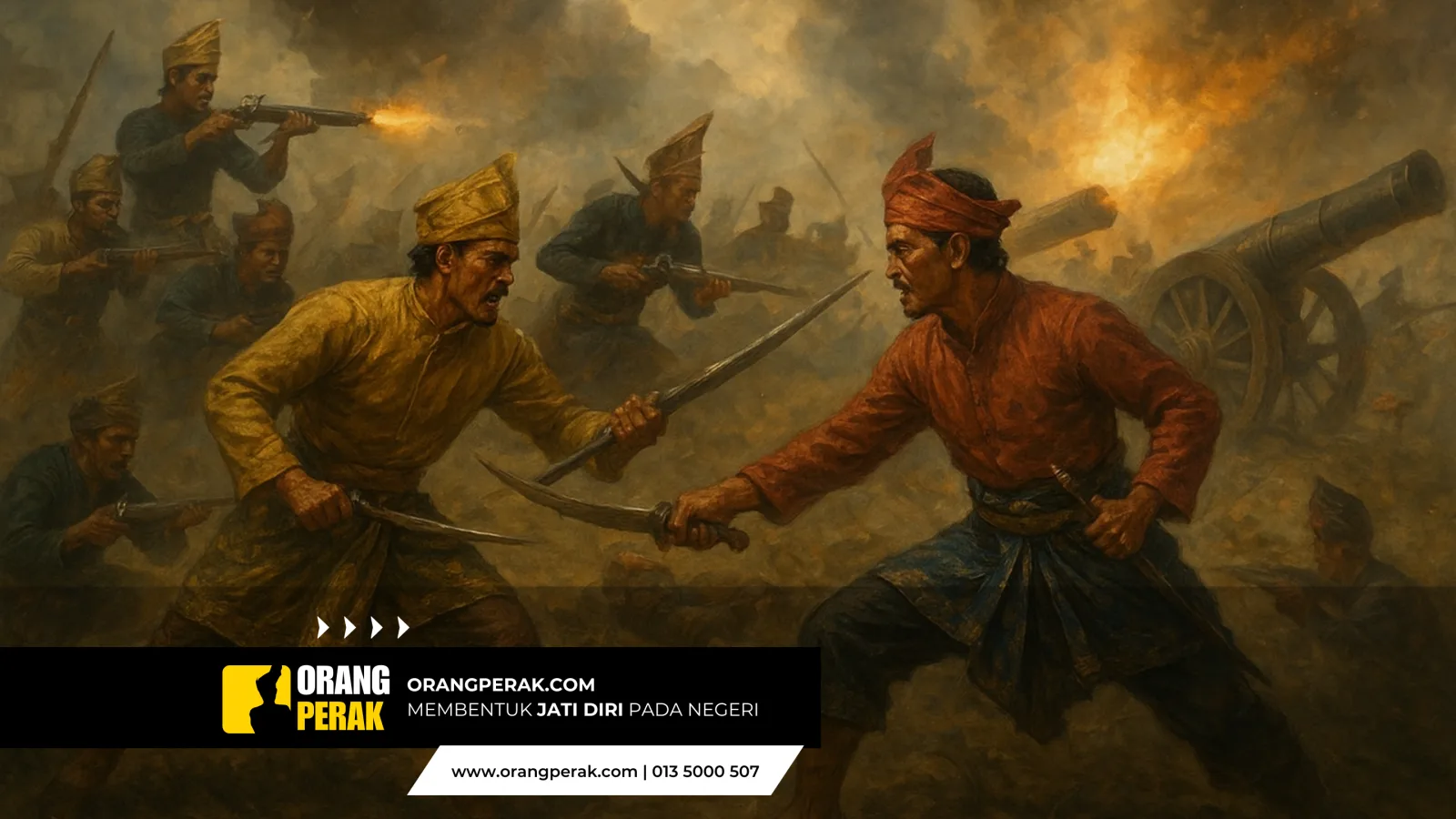
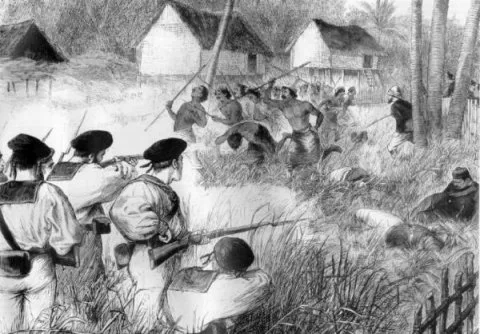
The Perak War, which began shortly after the first British Resident of Perak, J.W.W. Birch, was killed on November 2, 1874, in Pasir Salak, finally reached its conclusion when British troops brought in from India and Hong Kong won the final battles in Kampung Kledang, Enggor, and Prek. During the battle in Prek (a place located about 3.2 kilometers from Enggor), the defending Malay forces opened fire on the British troops approaching their fort.
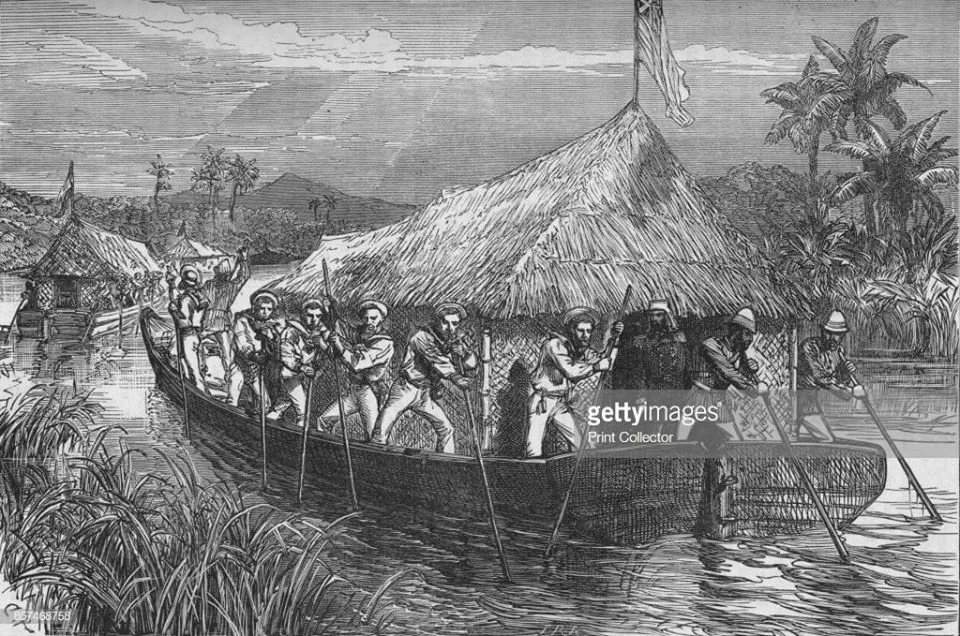
Consequently, the British forces under Captain Barnett and Captain Churchill returned fire. After the village was occupied, 15 houses were burned, including those belonging to Seri Lela Paduka and Kadir, who led the attack against the British. After this final attack, the leaders and followers involved in the struggle against the British in Perak failed to overcome the advance of the British military forces. They were forced to retreat and hide in the interior. Furthermore, some decided to surrender. This action was taken due to the growing sentiment among them that their struggle was no longer meaningful. Later, the movements of Raja Mahmud and Raja Indut, both from Selangor, who controlled Sungai Dedap under the orders of Swettenham, cut off supplies and escape routes for Dato Maharaja Lela's forces, further complicating his efforts to save himself.
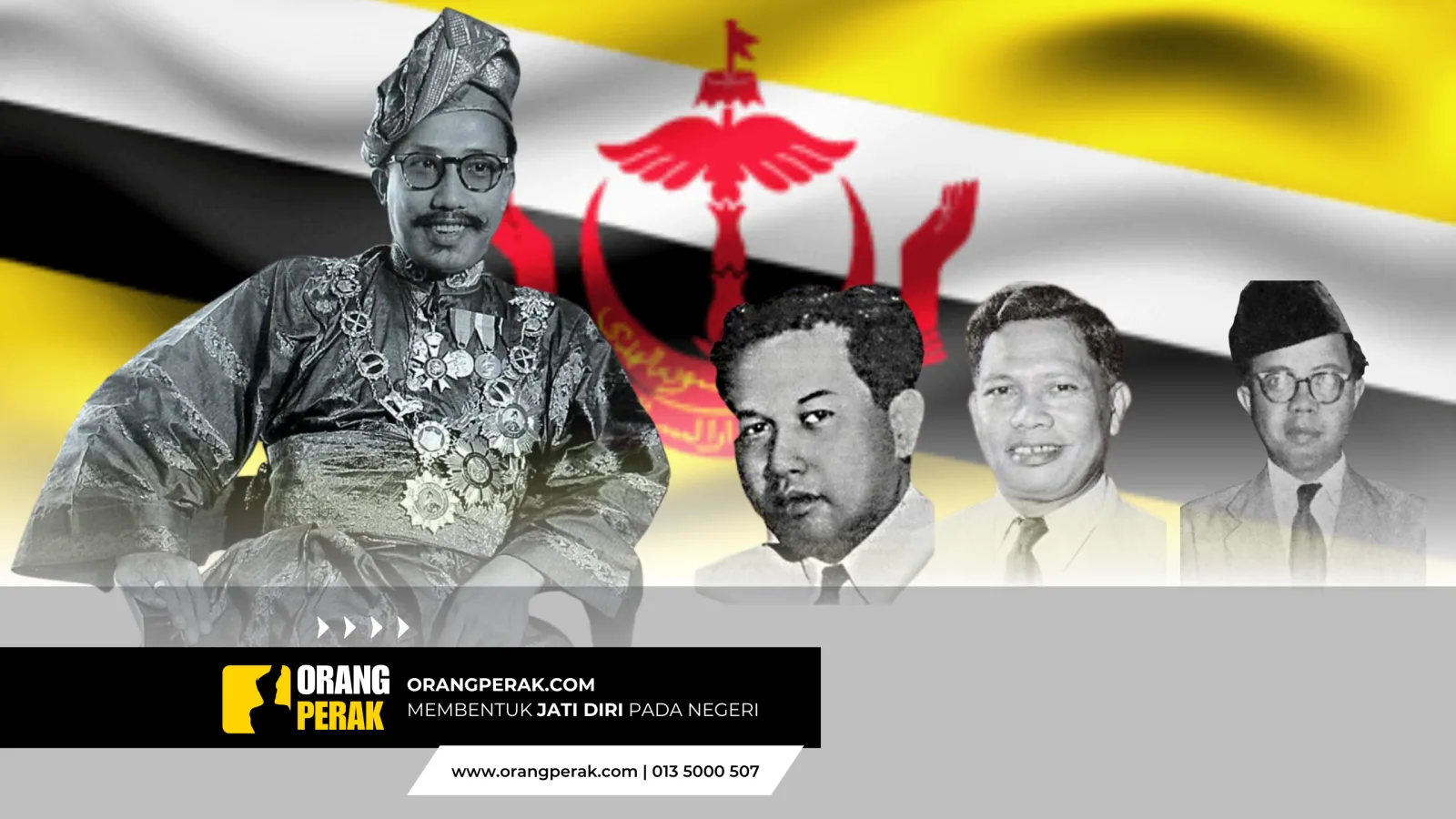
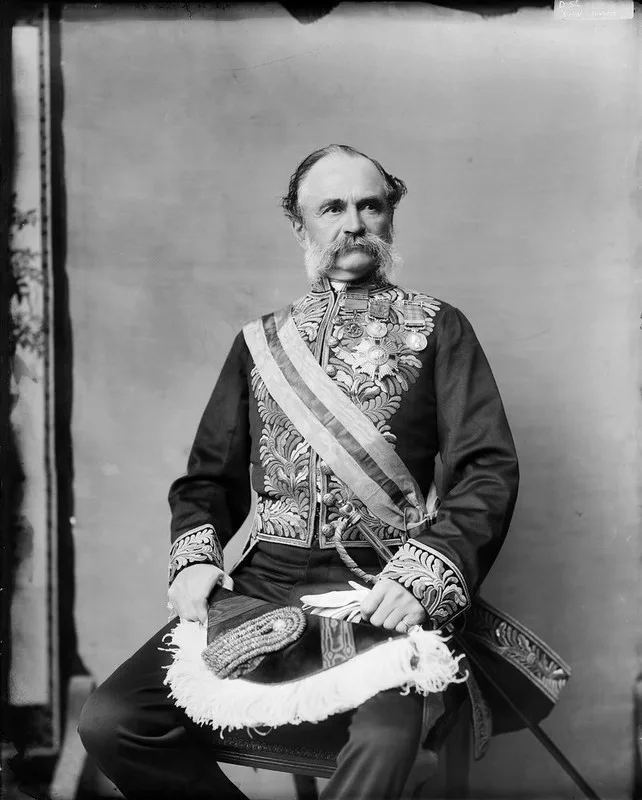
The involvement of the Maharaja of Johor in the Perak War incident began when Governor Sir William Jervois deemed it better and safer if Sultan Ismail, who was in exile in Kedah, were sent to Johor as a prisoner under close guard. He hoped that Maharaja Abu Bakar would provide the necessary comforts to Sultan Ismail. In this effort, Governor Jervois contacted Maharaja Abu Bakar in a letter dated March 27, 1876, informing him that Sultan Ismail, his two sons, Dato Nara, Panglima Perang Semaun, and 13 assistants would be sent to Johor Bahru on the afternoon of March 27, 1876, using the warship H.M.S. Ringdove. The Governor hoped that Maharaja Abu Bakar would accept Sultan Ismail. Because Sultan Ismail was to be treated as a prisoner, the Governor requested that Maharaja Abu Bakar not offer him any honors.
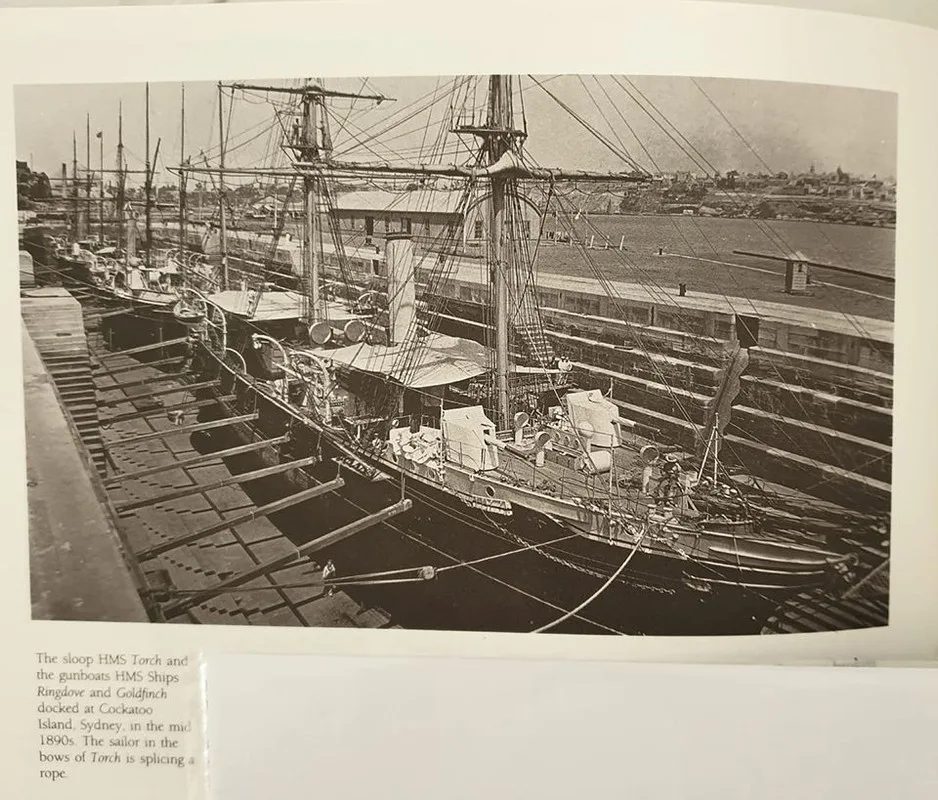
In the meantime, the Governor planned to bring Sultan Ismail's family, who were still in Kedah, to Johor. Maharaja Abu Bakar accepted the Governor's proposal. He also gave assurances that he would monitor Sultan Ismail. Sultan Ismail arrived in Johor Bahru on the evening of March 27, 1876, and upon arrival, he was placed under the custody of Maharaja Abu Bakar as a prisoner in Johor. In the movement to hunt down the leaders involved in defending the dignity and sovereignty of Perak, the British issued a proclamation offering rewards.
On January 13, 1876, a reward of $6,000 was offered to anyone who could capture Dato Maharaja Lela, and $3,000 each for anyone who could capture Dato Sagor and Pandak Indut. After the battle, Dato Maharaja Lela and his followers retreated to Patani. Because of this, Governor Sir William Jervois wrote a letter dated December 30, 1875, to T.G. Knox in Bangkok, requesting the Siamese government to order the Raja of Patani not to accept the arrival of Dato Maharaja Lela and his followers. T.G. Knox took follow-up action by writing a letter to Chao Phya Surawongse Way Waddhu Phra Kalahom, the Minister of the Southern Provinces, dated January 21, 1876, requesting him to order the Malay Rajas in Southern Thailand not to accept the Perak refugees. He was also asked to capture the refugees and hand them over to the British government. The Siamese government, through the Regent, promised to send a warship to Senggora (Songkhla) under a Siamese Commissioner.
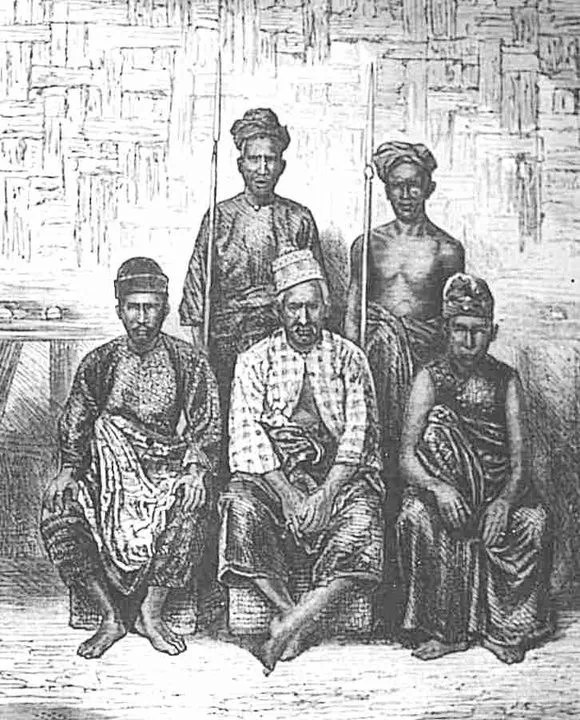
Meanwhile, the Governor also requested the Sultan of Kedah's assistance in capturing Dato Maharaja Lela should he come to Kedah. The Sultan of Kedah expressed his willingness to hand over Dato Maharaja Lela and his followers if they were found to have fled to Kedah. W.E. Maxwell and his troops were tasked with tracking down Dato Maharaja Lela. After staying for a short time in Kampung Kerni, Reman, Dato Maharaja Lela returned to Perak. He stayed with Seri Paduka Lela in a small village between Kampung Salak and Kampung Kepayang, about 10 kilometers from Kota Lama. Because of this, Governor Jervois tried to obtain the services of Maharaja Abu Bakar of Johor to capture Dato Maharaja Lela. Maharaja Abu Bakar agreed and subsequently sent an envoy led by Orang Kaya Abdul Rahman to initiate negotiations.
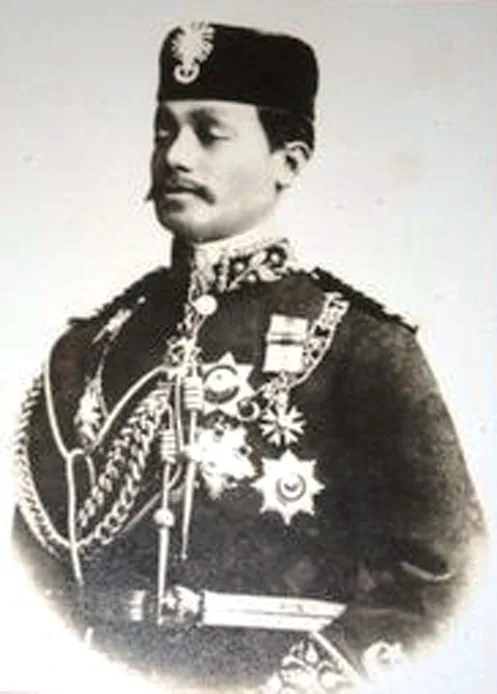
This envoy was instructed to inform Dato Maharaja Lela that a fair trial would be conducted if he surrendered. The delegation traveled to Perak via Kedah and arrived in Kuala Kangsar on June 16, 1876. Orang Kaya Abdul Rahman met and discussed with Dato Maharaja Lela in Hulu Perak. During the discussion, Dato Maharaja Lela stated that he was willing to surrender but requested to be placed under the protection of Maharaja Abu Bakar. On June 26, 1876, Orang Kaya Abdul Rahman returned to Kuala Kangsar, bringing Ngah Jabor with him. Dato Maharaja Lela's willingness to travel to Johor was communicated by J.G. Davidson to Governor Jervois. Consequently, Governor Jervois asked Maharaja Abu Bakar to send his ship to Perak to bring Dato Maharaja Lela and his followers to Johor for protection. He further asked Davidson to inform Dato Maharaja Lela that Maharaja Abu Bakar would send his ship, the Panti, to take Dato Maharaja Lela and his followers to Johor later.
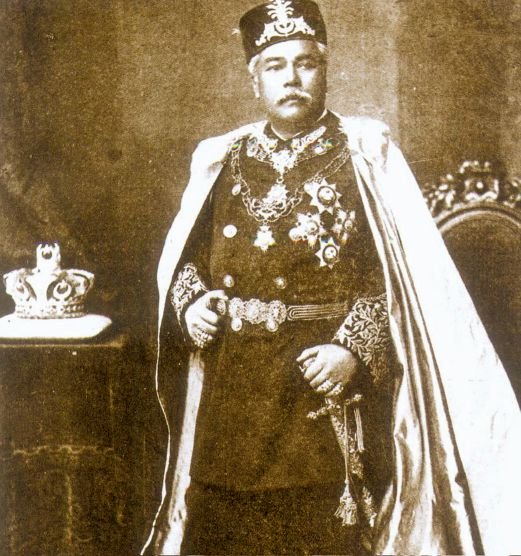
On July 3, 1876, the ship Panti arrived in Penang. This delegation consisted of the brother of the Maharaja of Johor, William Hole, the Maharaja's Private Secretary, and 20 officials from the Johor government. William Hole brought a letter from Sultan Ismail to Dato Maharaja Lela stating that he was being treated well by the British. William Hole suggested that this letter be delivered by the brother of Maharaja Abu Bakar himself to Dato Maharaja Lela. Ngah Jabor was recommended to join the journey to influence Dato Maharaja Lela and his followers to go to Johor on the ship Panti. Governor Jervois subsequently agreed with William Hole's proposal. On July 6, 1876, the Panti departed for Larut and then to Kuala Kangsar. On July 8, 1876, there were reports that Dato Maharaja Lela was in Kota Lama.
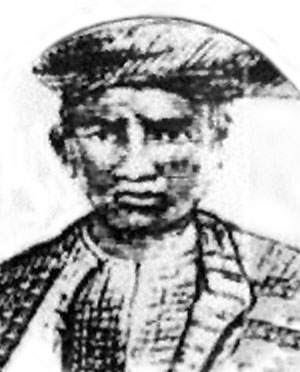
With that, William Hole, the brother of Maharaja Abu Bakar, and Orang Kaya Abdul Rahman set off for Hulu Perak to meet Dato Maharaja Lela. Among those present with Dato Maharaja Lela were Pandak Indut and Tok Seri Lela. After delivering Sultan Ismail's letter and holding discussions, William Hole's envoy returned to Kuala Kangsar. Dato Maharaja Lela returned to meet his family. After taking some time to discuss and negotiate, Dato Maharaja Lela finally decided to travel to Johor on the ship Panti. Finally, on July 13, 1876, Dato Maharaja Lela, Pandak Indut, and Ngah Jabor were taken aboard the Panti from Larut to Singapore. They arrived in Singapore on July 20, 1876. Subsequently, Dato Maharaja Lela and his followers were placed under the care of Maharaja Abu Bakar in Johor. After handing over Dato Maharajalela and his followers to the Johor government as agreed in the previous negotiations, Governor Jervois then gave Maharaja Abu Bakar a five-day period to hand over Dato Maharaja Lela and his followers to the Straits Settlements government to face legal action.
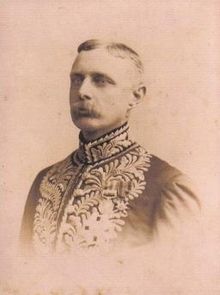
Governor Jervois then praised Davidson and William Hole for the great success in bringing Dato Maharaja Lela and his followers to Singapore. In addition, he also expressed his gratitude to Maharaja Abu Bakar. Dato Maharaja Lela's decision to surrender was said to have been made because he feared he would be killed in the jungle by those who did not want him to testify about the murder of J.W.W. Birch. On July 21, 1876, Dato Maharaja Lela submitted a document stating that Sultan Abdullah was the leader responsible for giving the order to Seputum to kill J.W.W. Birch. This letter was written on plain paper and signed and sealed by Sultan Abdullah. Dato Maharaja Lela, Ngah Jabor, and Pandak Indut then issued statements denying their involvement in the conspiracy to murder J.W.W. Birch. Meanwhile, Governor Jervois informed Maharaja Abu Bakar, requesting him to convey to Dato Maharaja Lela, Ngah Jabor, Pandak Indut, Panjang Bur, and Che Ali that they should first surrender to the British government. Only then would they be tried fairly. If they were found not guilty of the charges brought against them, they would be released. After receiving a verbal promise from the Governor and assurances from Maharaja Abu Bakar that they would be tried in court and could obtain legal assistance, Dato Maharaja Lela and his followers were willing to surrender. Consequently, Maharaja Abu Bakar wrote a letter to the Governor on July 29, 1876, stating that Dato Maharaja Lela and his followers would voluntarily surrender with the guarantee of a court trial. The letter was delivered to the Governor by the Dato Bentara, the Secretary of the Johor Government, and William Hole, the Private Secretary to the Maharaja of Johor. The Governor stated that the Johor Maharaja's statement in his letter regarding the court trial was accurate and that the actions taken were in accordance with the law.
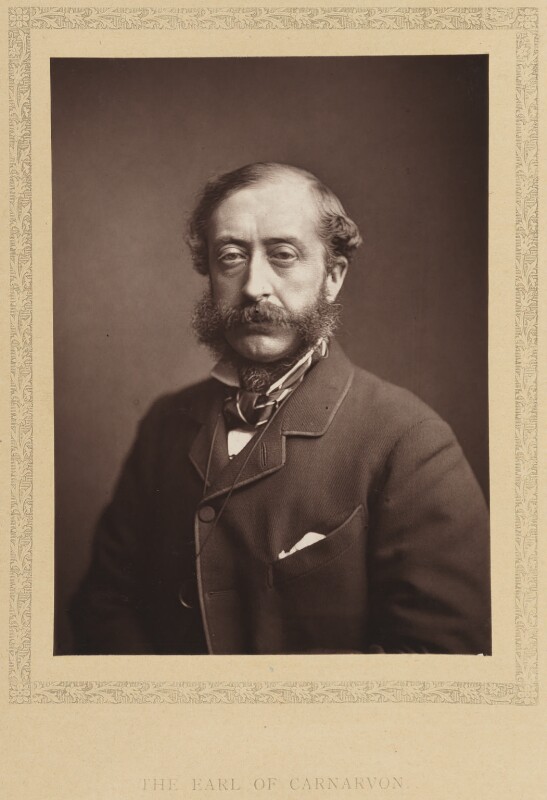
Dato Maharaja Lela and his followers finally surrendered to the British government in Singapore on July 30, 1876. The trial to be held would be based on the jurisdiction of the state of Perak. Governor Jervois stated that those detained would be treated satisfactorily by the British government. The Earl of Carnarvon, on behalf of the British government, asked Governor Sir William Jervois to convey his gratitude to the Maharaja of Johor for his assistance in the capture of Dato Maharaja Lela and his followers. Seputum was captured by Mahmin, Odah Pulau, Alang Rupah, Odah Mat Kasim, and Si Kumbang in Lambor. References:
- Pasir Salak: The Center of the Anti-British Movement in Perak by Associate Professor Dr. Abdullah Zakaria Ghazali