The Origins and History of Bagan Tiang, Perak
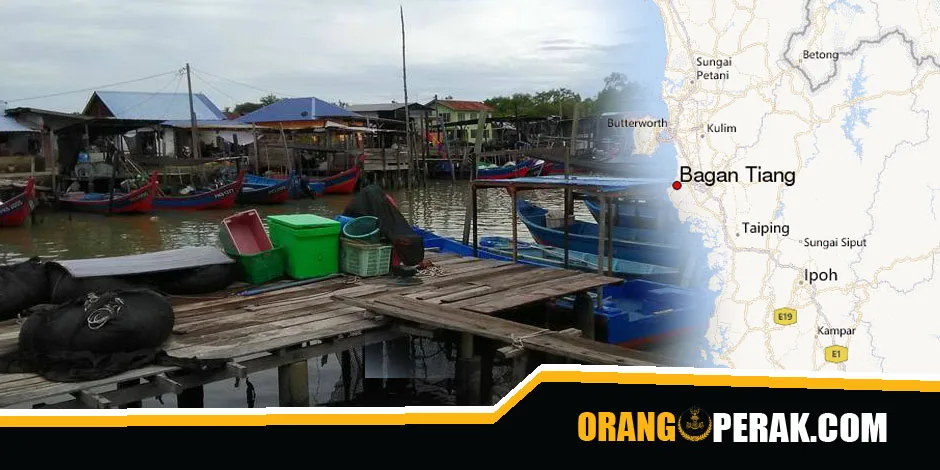
Bagan Tiang is a familiar name in northern Perak, near Penang. As many already know, Bagan Tiang is a fishing and paddy farming village. Its position on the map made it a highly strategic location to serve as a stopover point in the past.
You might not know that Bagan Tiang in Perak was once an important location where a small port was built to serve as a stopover for traders from China and India in the 19th century. The name Bagan Tiang was derived from the many nibong palm trunks that were driven into the ground at the port, which were used to tie up small boats or barges that docked at the small port area. For the loyal readers of orangperak.com, the history of Bagan Tiang can be traced back to the golden age of the Siak Kingdom in Sumatra, where it was known as Turong. At that time, Bagan Tiang was a small kingdom governed by a chieftain appointed by the Kedah Sultanate. Eventually, the name Turong was changed to Sungai Megat Aris during the era when Penghulu Megat Aris governed the Bagan Tiang area. Around 1850, Bagan Tiang became a major paddy cultivation area in northern Perak.
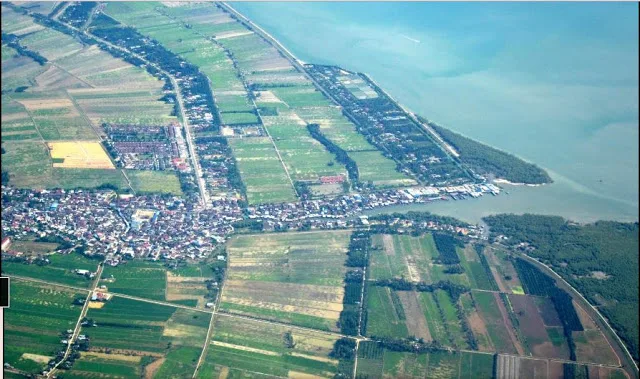
In the diary of Panglima Abdul Karim Bin Raja Aman Shah, it was recorded that he borrowed 70,000 gantang of paddy from the residents around the Bagan Tiang area when he was about to open the Selama District in 1874. Bagan Tiang in Perak also once served as a production hub for commodities such as sugarcane for sugar production, where Long Jaafar and his son, Orang Kaya Menteri Ngah Ibrahim, were among the earliest entrepreneurs in the industry. When the British detained Ngah Ibrahim following the assassination of J.W.W. Birch, Ngah Ibrahim's sugarcane plantations were seized and handed over to Chinese entrepreneurs. The remnants of the sugar industry can still be seen today, such as liquid sugar storage ponds, grinding stones, and chimney towers. The sugar production industry in the Bagan Tiang area was destroyed when the sea wall or embankment broke, causing seawater to flood the sugarcane fields. Over the passage of time, the estuary of Bagan Tiang has become shallow, and barges and ships can no longer navigate the estuary as they once did.