The Origin and History of the Name Royal Belum
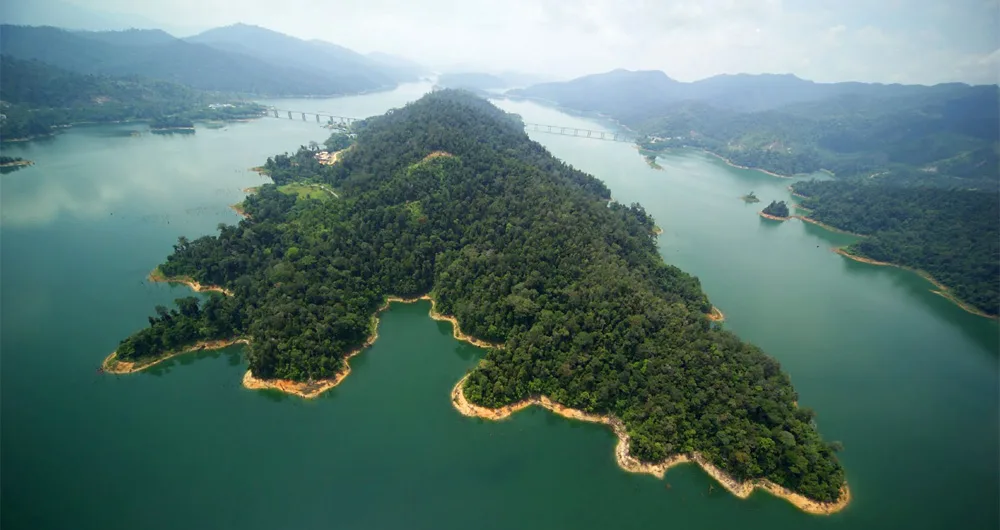
Royal Belum is located in the Hulu Perak District, right on the border with Thailand. The main road route available today is via the East-West Highway, which connects the state of Perak to the state of Kelantan. Royal Belum is situated adjacent to the Bang Lang National Park, Thailand, and the Hala Bala Wildlife Sanctuary, Thailand.
Approximately 200 years ago, around the early 19th century, Kampung Belum Lama was established by a royal couple from the Kingdom of Patani/Siam during the reign of the King of Reman. He was an individual known as Wan Agas. For your information, loyal readers of orangperak.com, the residents around the Kampung Belum Lama area at that time referred to Wan Agas by another name, Tok Mekong Gas, or sometimes they called him Tok Pulang Hari. According to the elders in Kampung Belum Baru today, the name Belum was originally said to have come from the inspiration of the sound produced by a type of insect found around the Royal Belum forest reserve.
The insect is a stick insect or wood insect that is called Belang Belong by the local residents. This stick insect has a brown body color, is long, and has long legs. It truly looks like a piece of wood at a glance.
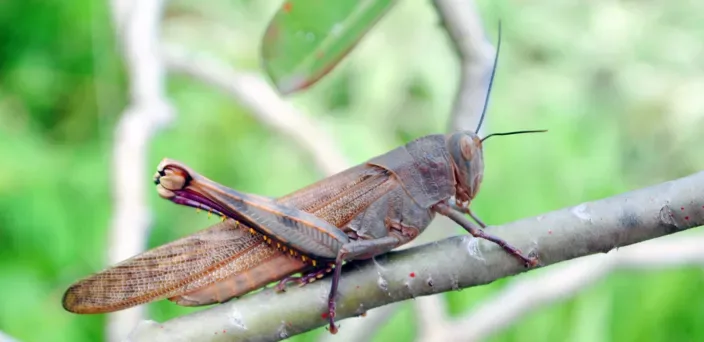
Stick Insect
For your information, loyal readers of orangperak.com, the diet of this stick insect consists of young tree shoots, and they are very active at night. Interestingly, this stick insect produces a sound that resembles "Belanggg.. Belonggg.." and sometimes it sounds like "Belummm.. Belummm..". So, it was because of the sound of this stick insect that the name Belum was adopted as the name for the area. As additional information for all you loyal readers of orangperak.com, the Belum State Park was established in the year 2000.
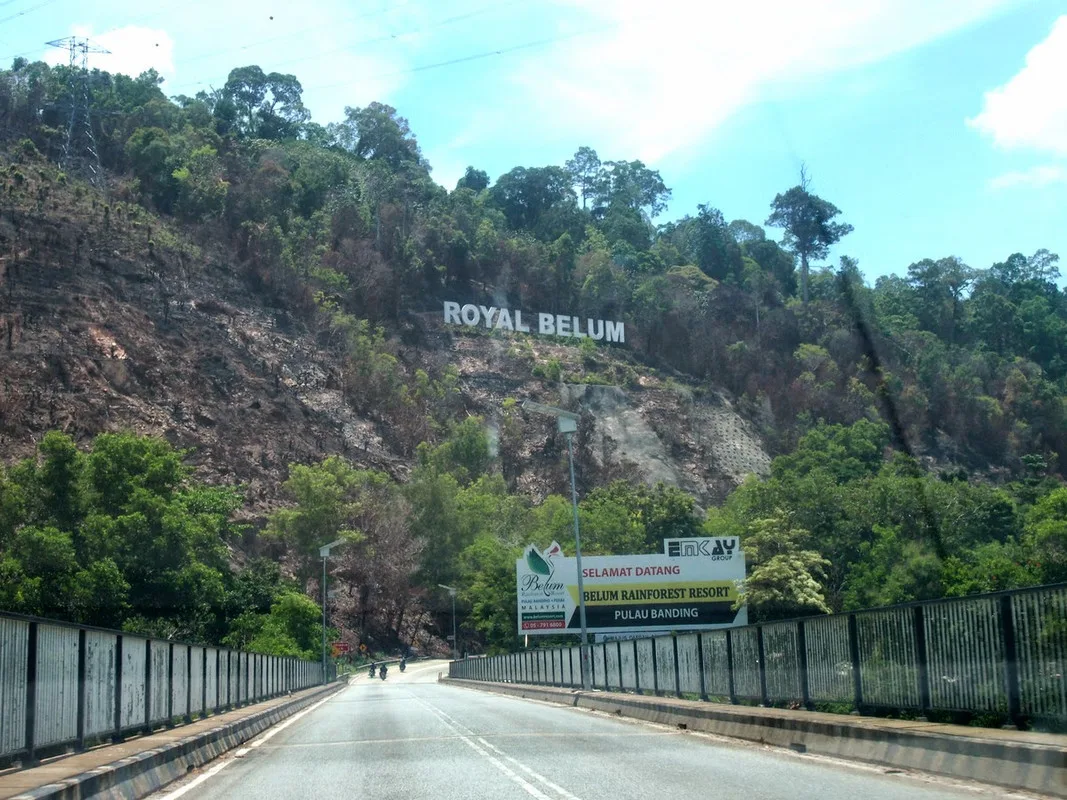
In 2003, Belum began to be known as The Royal Belum, and finally, on May 3, 2007, the Royal Belum area was gazetted as the Royal Belum State Park because it is a natural park, and to maximize the benefits of protecting its fauna and flora species, especially those that are endangered.