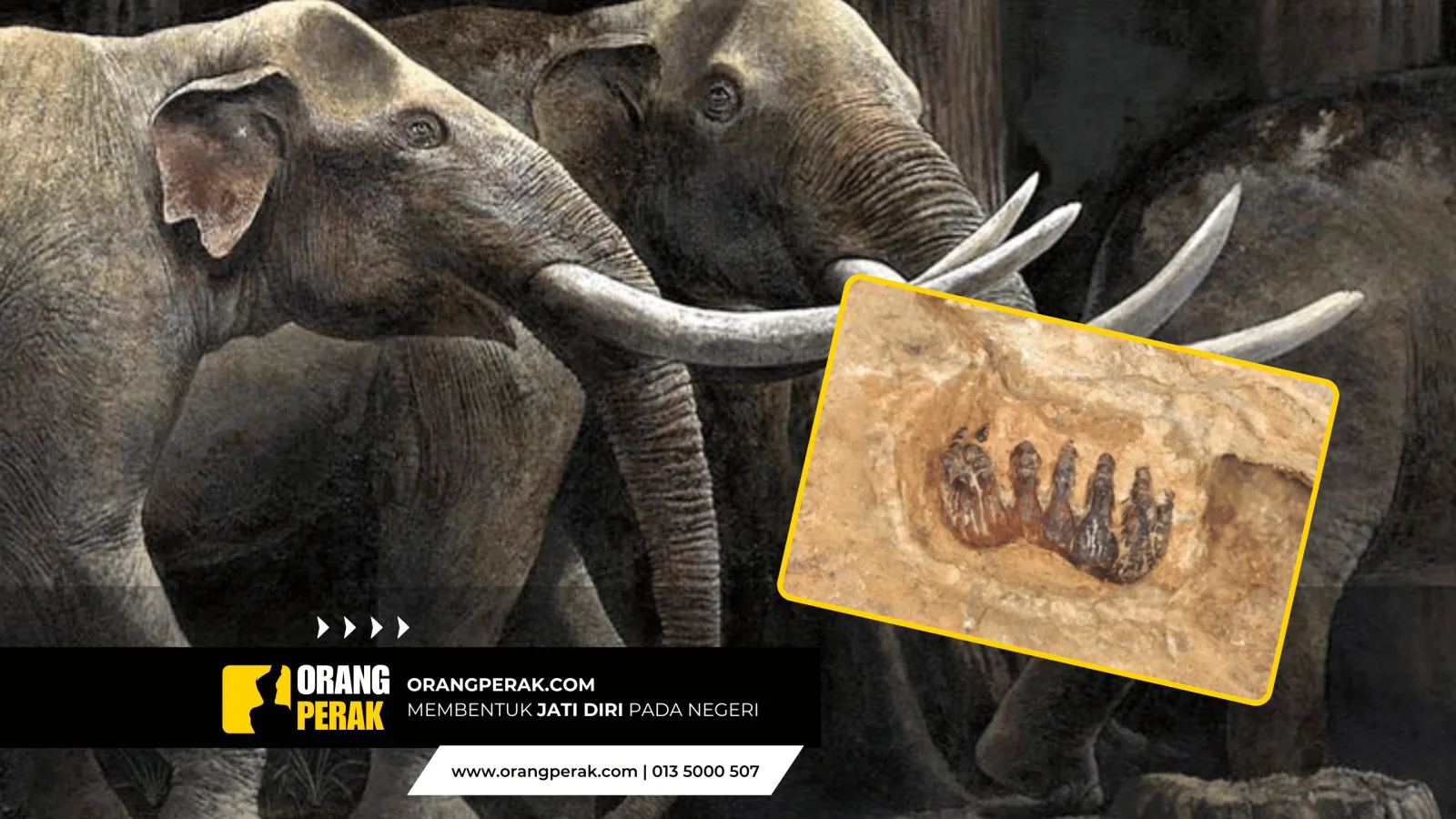
The Origin and History of Kati Town
The Origin and History of Kati Town
For residents around Kuala Kangsar, the name Kati is not unfamiliar, yet many still do not know the history of how the town got its name.
Historical stories about such areas are usually passed down orally from one generation to the next. This is also the case for Kati town, where the local community continues to share the origin of the name Kati with their descendants so that the story is not lost to time.
For your information, loyal readers of orangperak.com, Kati town was once a focal point in Kuala Kangsar. This is because residents in the surrounding areas would come to this town to sell tin ore, as many people there were once involved in the tin mining industry.
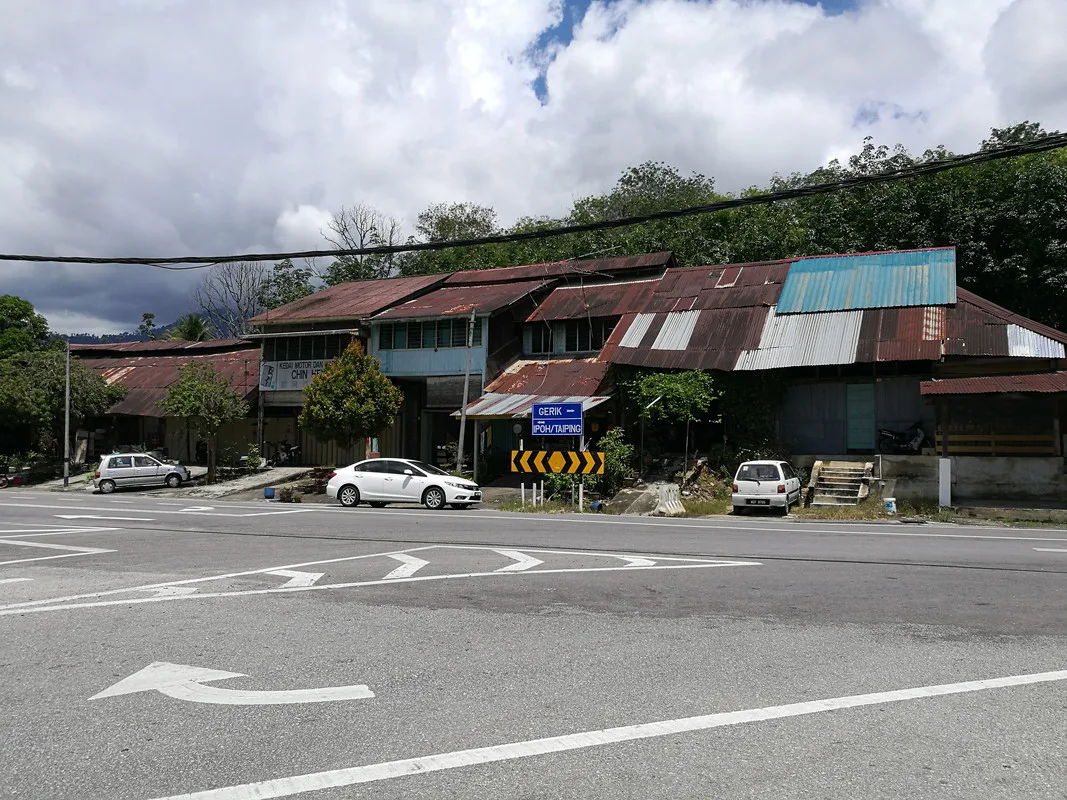
Mohd Nazip Osman, the head of Kampung Kati, stated that the residents of Kati town used to pan for tin ore in the nearby mountains. When they wanted to sell the ore, they would come to the town.
The story goes that when friends asked those heading to town to sell tin, "Where are you going?", they would usually reply that they were going to 'kati' (weigh) their tin ore.
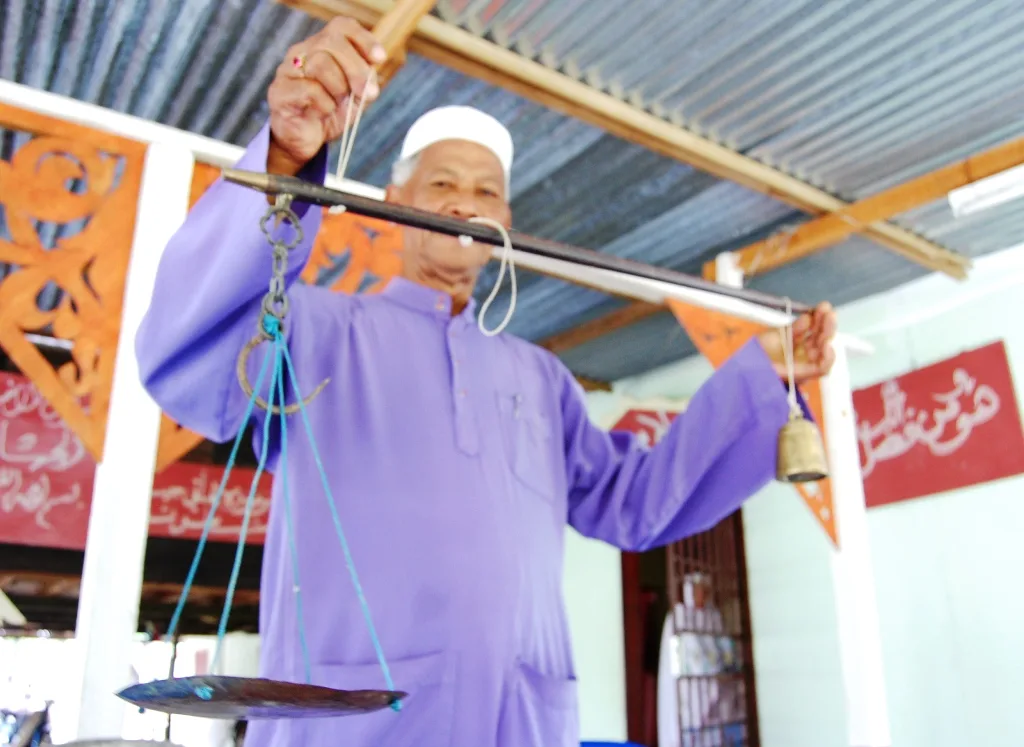
That is how the town came to be widely known as Kati. Meanwhile, another villager named Abdul Hamid Abdul Karim, 72, also shared the same story as Mohd Nazip regarding the origin of the name Kati.
A bit of trivia for you! Do you know what a 'kati' actually is? For your information, loyal readers of orangperak.com, a kati is actually a weighing tool where 1 kati is equivalent to 600 grams. After the kati, the measurements are 'pikul' and then 'koyan'.
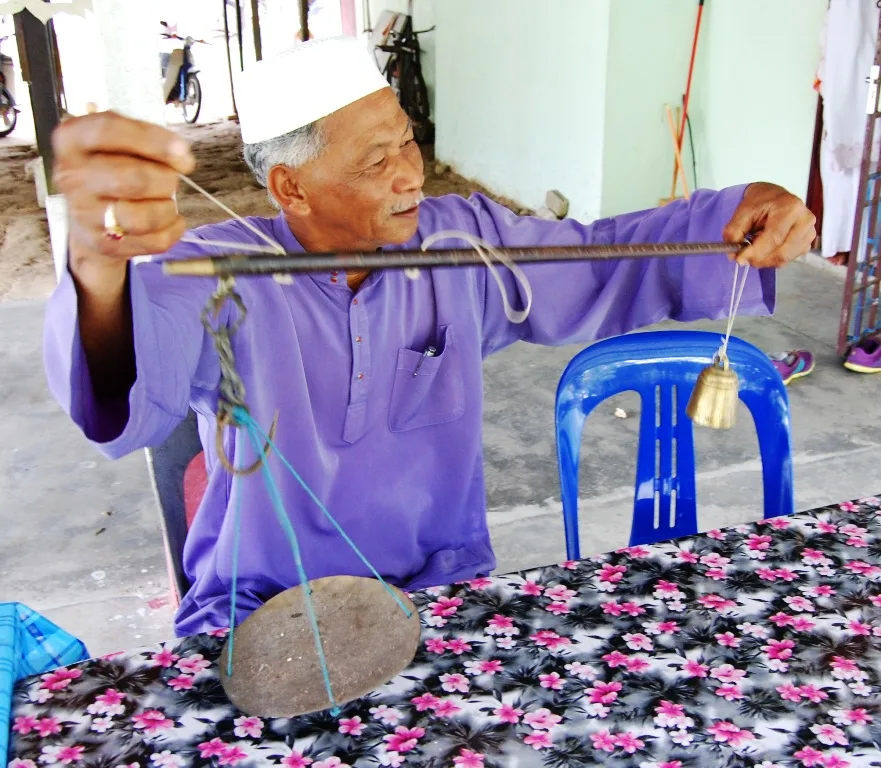
Usually, 'koyan' would be used when the tin ore to be weighed was larger and filled the weighing scale. Even after the legacy of the tin mining industry ended, the use of the kati continues to this day for weighing goat meat, chicken, and so on.

In the past, the area around Kati town was inhabited by many Chinese people, and they were the ones who operated and enlivened the tin mining industry there. They were later relocated to Liman Kati in 1958.

Stories about the origins of such areas should be known by the local community, and young people need to learn about the history and origins of their respective areas because such stories can be passed on to future generations, thereby preserving the history of each area.
Credit : RBD