The Impact of the 'Tokyo Slap' During the Japanese Occupation in Perak
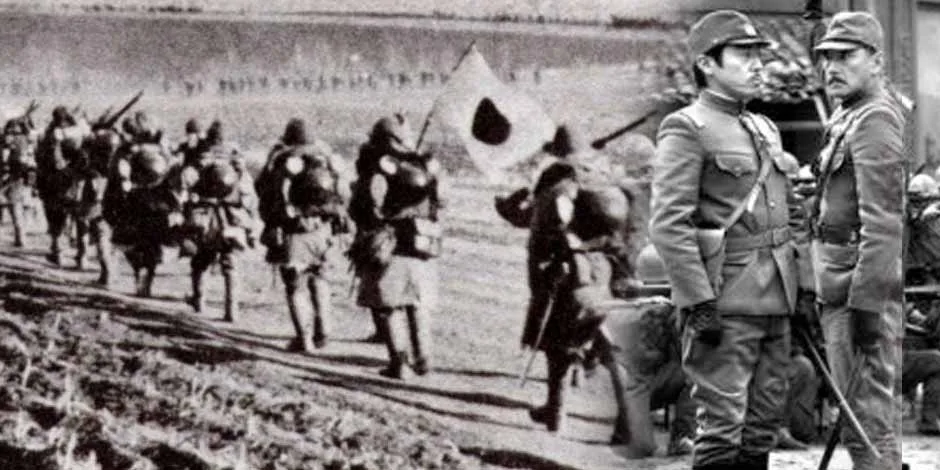
The Japanese occupation of Malaya was a short but intense series of battles. It was a moment of significant change for the people of Malaya, marking the transition between the British colonialists and the incoming Japanese administration.
As a result of the Japanese occupation of Malaya, battles broke out involving Commonwealth forces—comprising British, Indian, Australian, and local Malay soldiers—from December 8, 1941, to January 31, 1942, during World War II. During the Japanese occupation, especially in the state of Perak, many stories of cruelty have been passed down orally by our elders since long ago. Today, orangperak.com would like to tell you about the "Tokyo Slap," a disciplinary method frequently used by their soldiers against the Malay people.
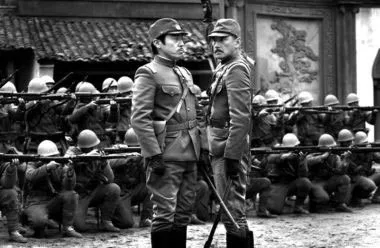
Most of the older generation living in Ipoh, Manjung, Parit, and surrounding areas of Perak during the Japanese occupation still remember the slap known as the Japanese slap or the Tokyo slap.
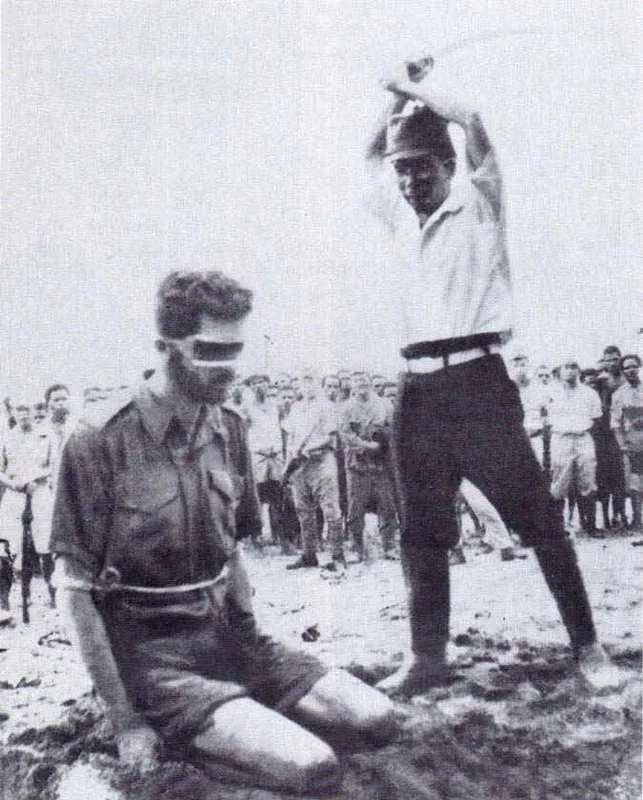
For the loyal readers of orangperak.com, the Japanese slap or Tokyo slap was a strike delivered to the victim twice, back and forth, on both the left and right cheeks. The force of a Tokyo slap, delivered with full strength, could make one's ears ring and leave the victim feeling dizzy. Japanese soldiers would administer the Tokyo slap to those they deemed too pampered or lacking in self-discipline. From a positive perspective, it was a way to teach victims to be more independent and mindful of their surroundings.
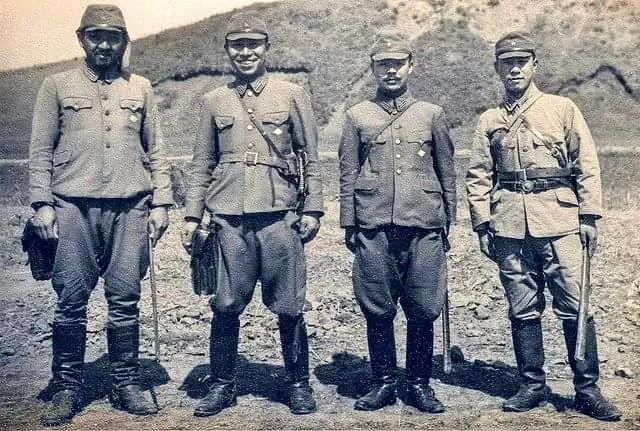
However, this does not mean that we at orangperak.com support the implementation of the Tokyo slap, as it was uncivilized and disregarded age, which completely contradicted the Malay cultural values of respecting elders and being polite when correcting others. The Tokyo slap was often given to homeowners who had dirty or messy yards. If you were spotted leaving trash on the street without picking it up, you would also be subjected to the Tokyo slap if caught by Japanese soldiers.
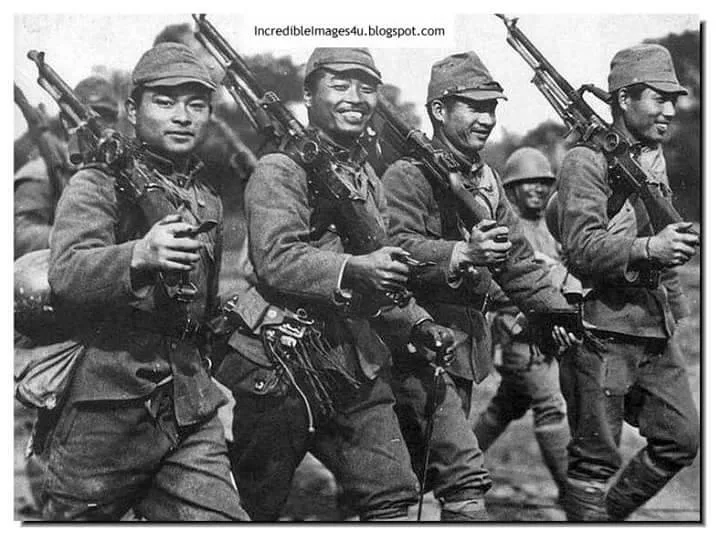
Because of this, the Malay people, in particular, did not dare to throw trash into rivers or anywhere else as they pleased during the Japanese occupation. Cleanliness of the area was a priority for the Japanese military, and trash was usually burned or buried. There is also a story told orally about a bicycle owner who was pushing his flat-tired bike to a shop to have the tube patched. When he reached a Japanese military checkpoint, he was asked why he was pushing his bike. He replied that the tube was punctured and he was going to the shop to fix it.
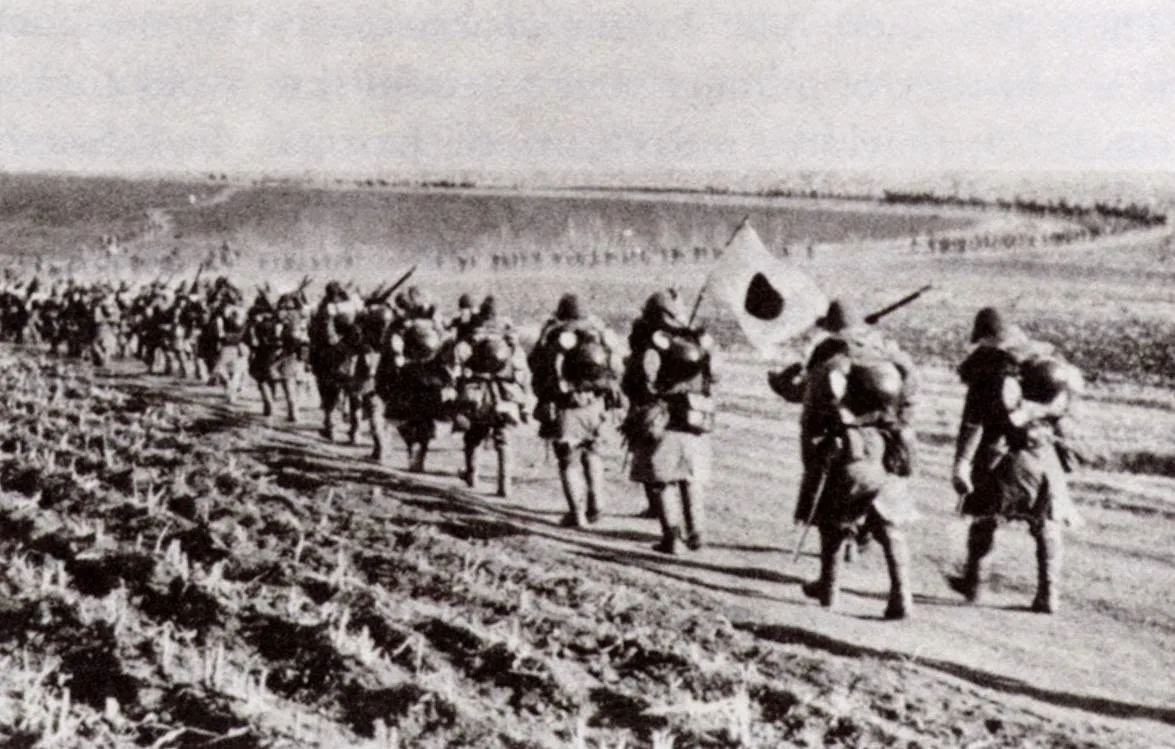
Without further ado, the bicycle owner was immediately given a Tokyo slap for the reason that he only knew how to ride a bike but did not know how to patch a tire tube himself, even though the task was very simple. The Japanese soldiers claimed the Malay people were too pampered. The effectiveness of the Japanese method in teaching the Malay people at that time educated our people to prioritize environmental cleanliness and to be independent by doing things they could handle without the help of others.
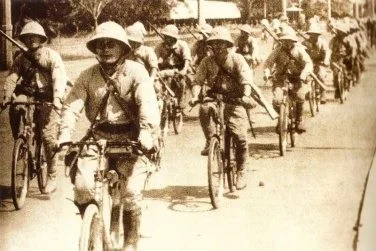
Today, the opposite has happened. Our society, regardless of race, is complacent and pampered by comfortable conditions. Yes, it is true that we no longer feel the hardship of being colonized like before, living in constant fear. When will our society ever wake up again?
Credits and narrative adaptation from Eypoh Family Fan Club