The History of the War Cemetery in Taiping
For your information, Taiping was a British retreat site during the Japanese invasion of Malaya along the West Coast of the Peninsula. Taiping was also used as a rest and recovery area for the 6th and 15th Indian Infantry Brigades while the war was ongoing in northern Malaya, with many medical units stationed there before they retreated to Singapore.
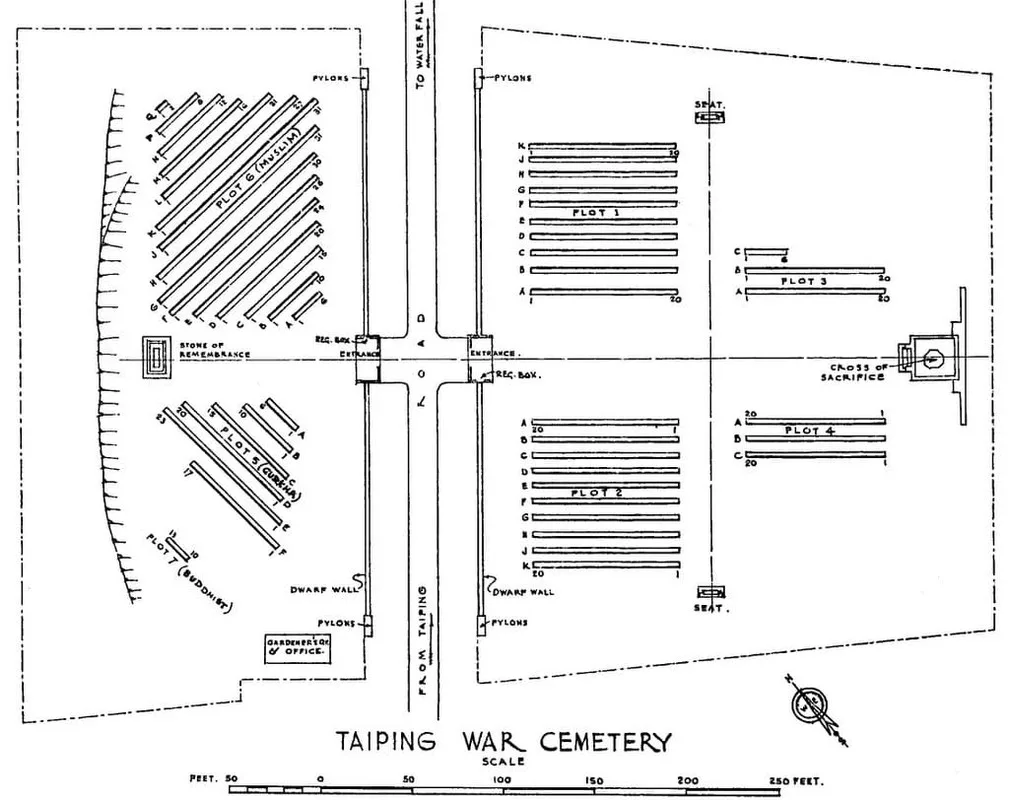
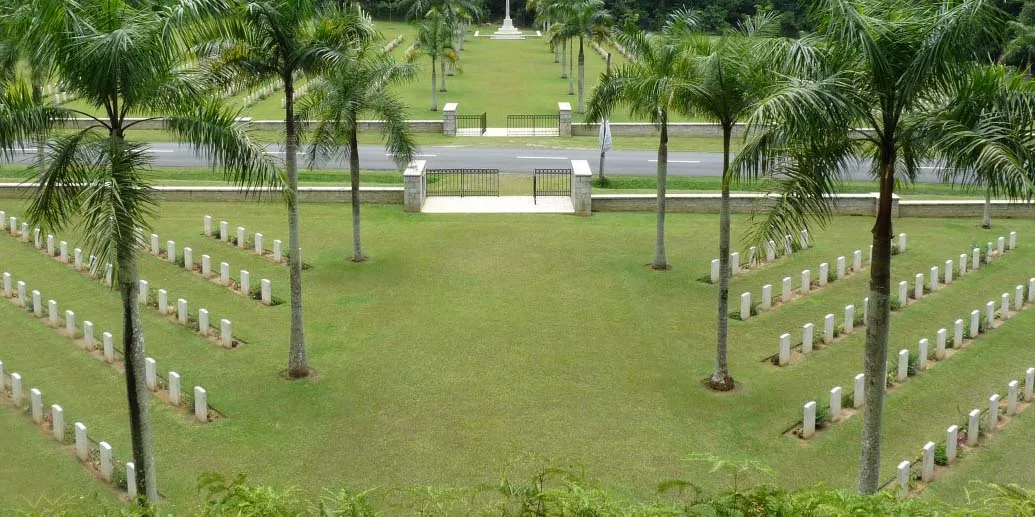
The Taiping War Cemetery is a burial ground for soldiers who died during the Second World War and the Malayan Emergency. More than 850 casualties are buried here, including over 500 who remain unidentified to this day. The soldiers laid to rest here include British, Indian, and Malay personnel.

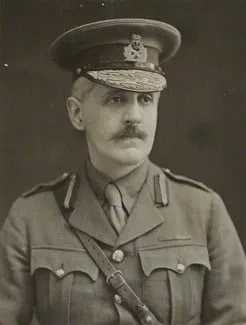
This cemetery is located at Bukit Larut, Taiping. It was established and is maintained by the Commonwealth War Graves Commission, an organization representing six Commonwealth governments that functions to mark, record, and maintain graves and memorials for Commonwealth soldiers who died during the world wars. The organization is also responsible for commemorating civilians who died as a result of enemy action during the Second World War. The organization was founded by Fabian Ware and formed by Royal Charter in 1917 as the Imperial War Graves Commission, with its name changed to the Commonwealth War Graves Commission in 1960.
The cemetery is divided into two sections: Christian graves and Muslim graves. Muslim graves are buried as in a standard Islamic cemetery, facing the Qibla, while Christian graves are buried in a separate area marked by crosses.