The History of Parit Town, Perak
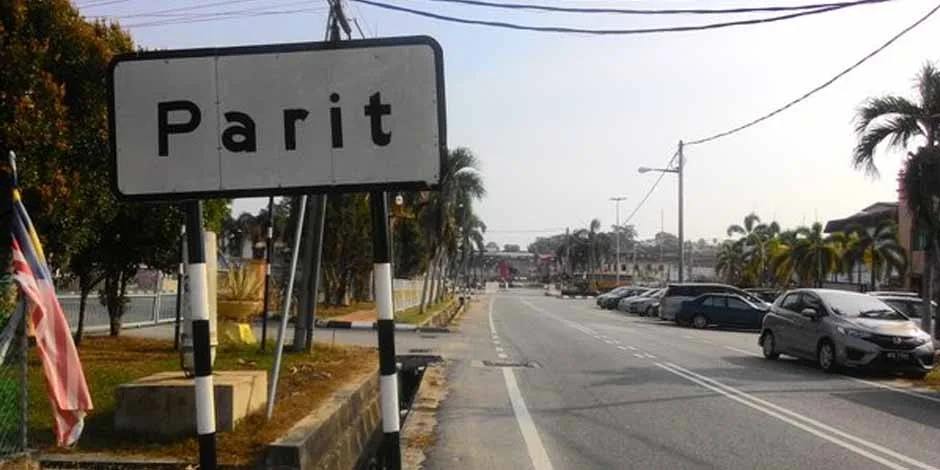
The history of Parit town is told from a time long ago, when two travelers from Teluk Intan, Perak, named Alang Sagor and Ngah Ghafar, migrated to Parit via the Perak River around the early 20th century.
It is said that they migrated to Parit after losing a bet in a local traditional game called "Semperit". The nature and rules of this traditional game are unknown, as is the relationship between these two individuals, whether they were fellow villagers or relatives.
The two travelers decided to leave Teluk Intan and headed north until they reached the banks of the Perak River (now near SJK(C) Chong Hua Parit, not far from the current Parit police station).
At that time, the area of Parit was nothing but wilderness. They asked each other the name of the place, and Alang Sagor said that since they had landed near a ditch or river channel nearby, he named it "Parit" after that channel, which is now located near the Parit market.
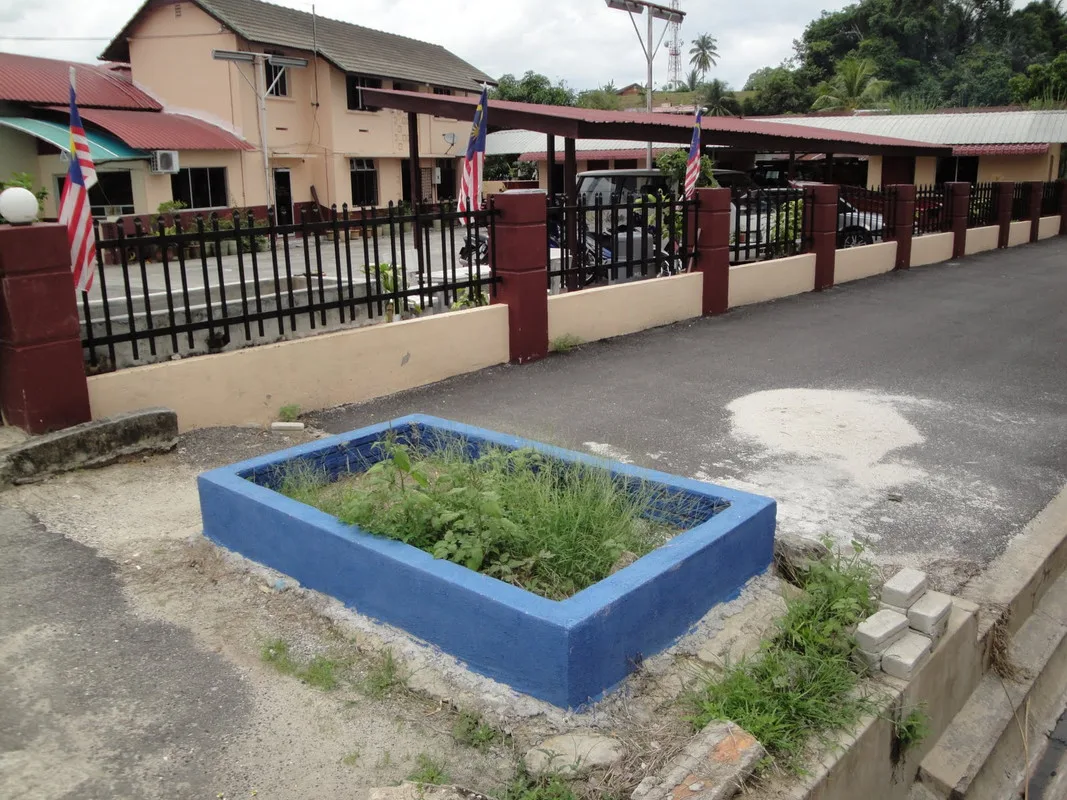
Originally, Alang Sagor's grave was located near the banks of the Perak River, but due to soil erosion on the bank, the grave was relocated and is now situated near the Parit fire station. The location of Ngah Ghafar's grave remains unknown.
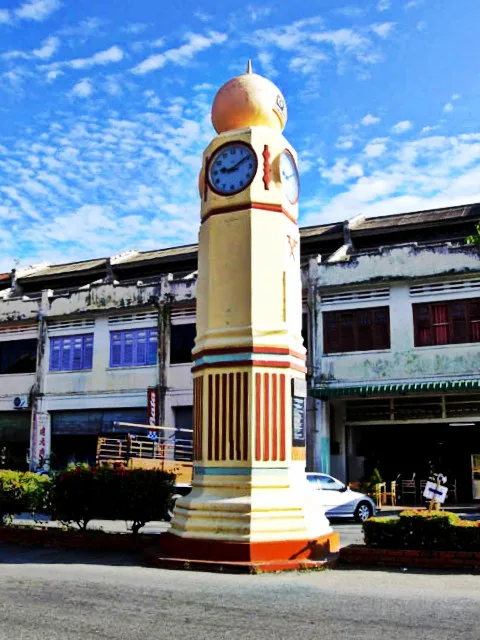
The tall clock tower located in the heart of Parit town remains a landmark to this day. In 1979, Parit was removed from the Kuala Kangsar District and incorporated into the administration of the Perak Tengah district.
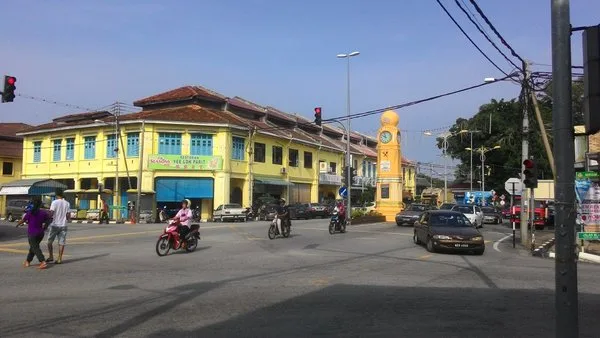
The Perak Tengah District Council was established on December 1, 1979, following its approval by the State Executive Council meeting No. 936 dated November 20, 1979. The establishment of the Perak Tengah District Council was in line with the restructuring of local authorities throughout Malaysia.
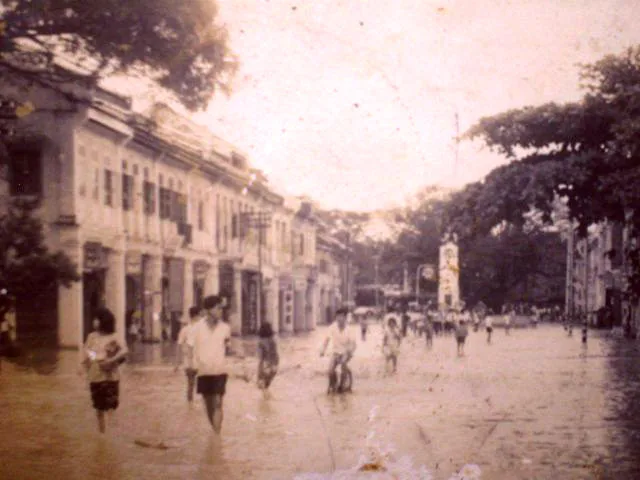
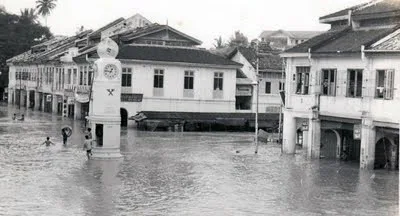
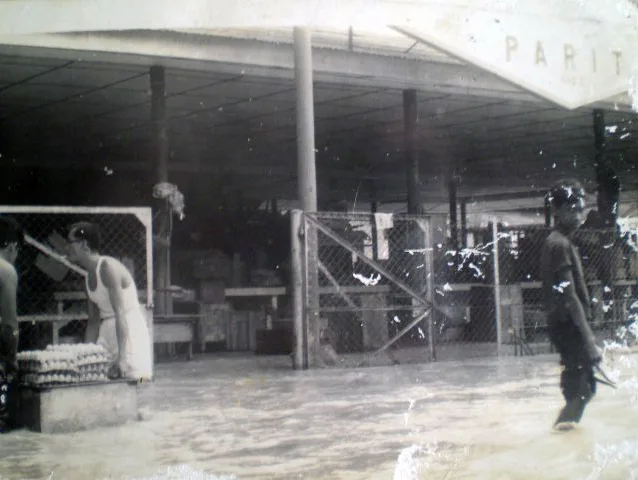
The last 3 photos above show the condition of Parit town during the great flood that hit the Perak Tengah area in 1967. Many stories are told about the great flood, which reached the height of house roofs, caused the bridge connecting Bota Kiri and Bota Kanan to collapse, and much more.
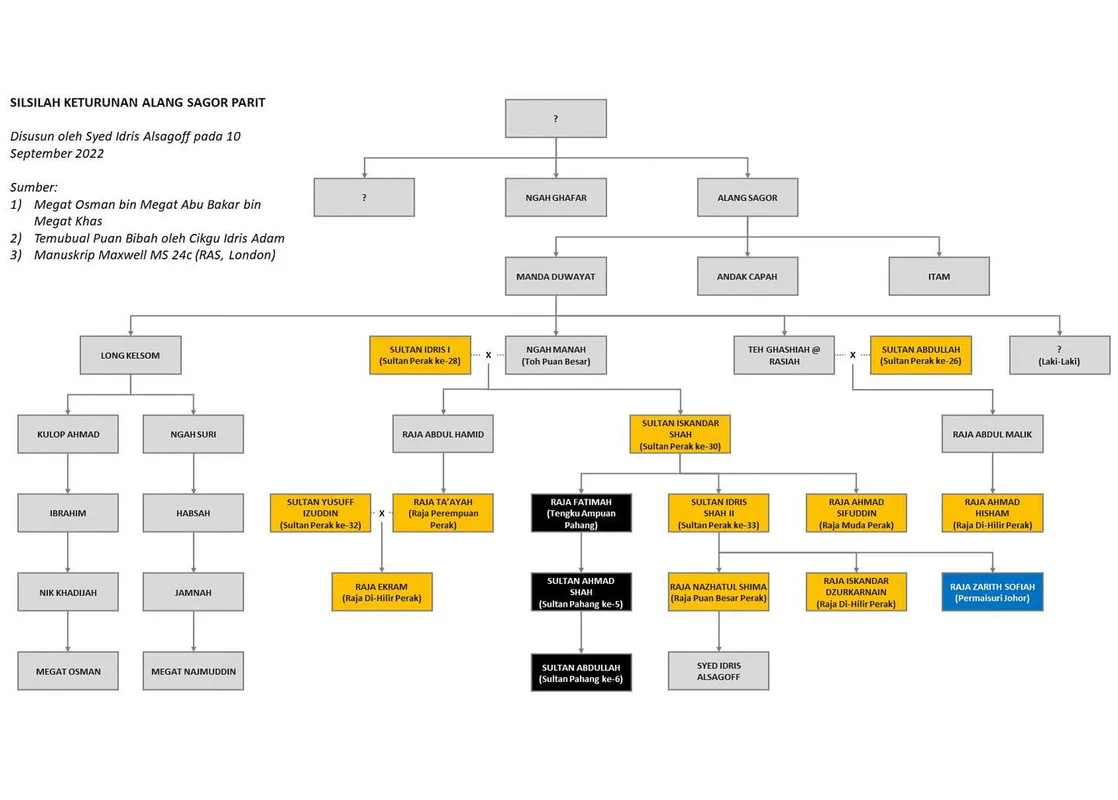
Thank you to Idris Alsagoff for sharing the genealogical information and providing corrections.