The History of Padang Rengas, a Peaceful Little Town
The History of Padang Rengas, a Peaceful Little Town
Padang Rengas, a small town located between the Kuala Kangsar and Taiping routes, is a location filled with history, natural beauty, and unique cultural heritage. The town is surrounded by stunning natural scenery, with the Bintang Hijau Range to the north and Gunung Bubu to the south.
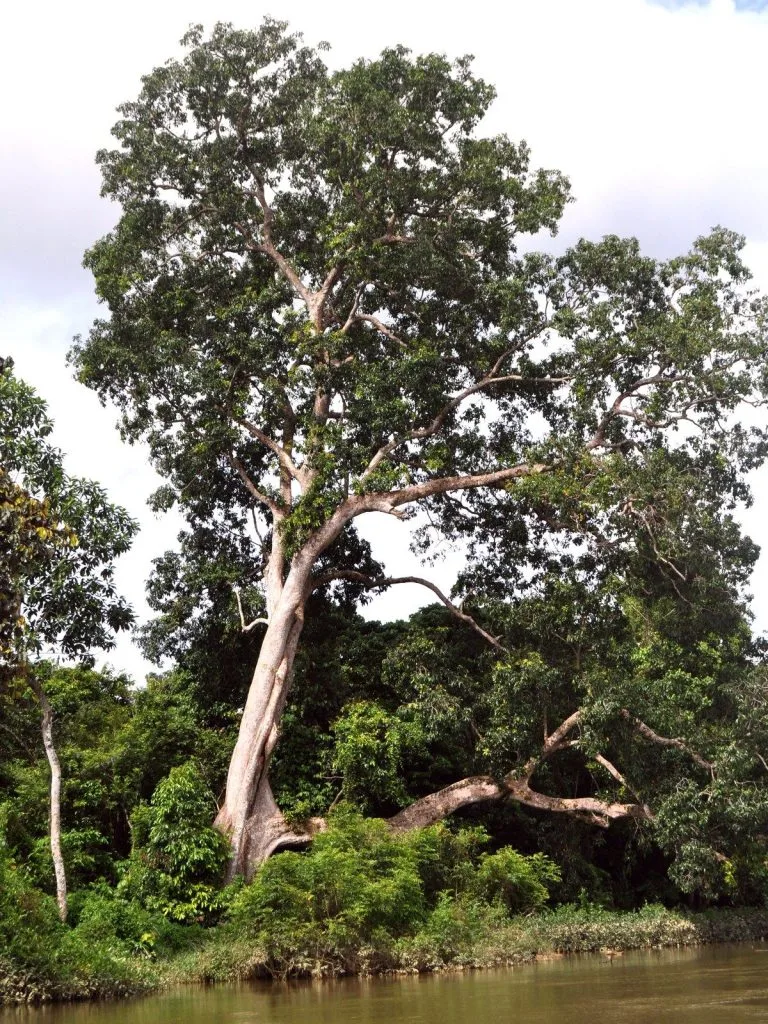
The name Padang Rengas was taken from an open area that was once filled with rengas trees (Gluta renghas), a type of tree known for its poisonous sap. However, behind its simple name, Padang Rengas holds various interesting stories closely related to the history of Perak and Malaysia.
The Early History of Padang Rengas and Gunung Pondok
The history of Padang Rengas cannot be separated from Gunung Pondok, a mountain located near this town. Gunung Pondok is not just a geographical landmark, but also a silent witness to human life since prehistoric times.
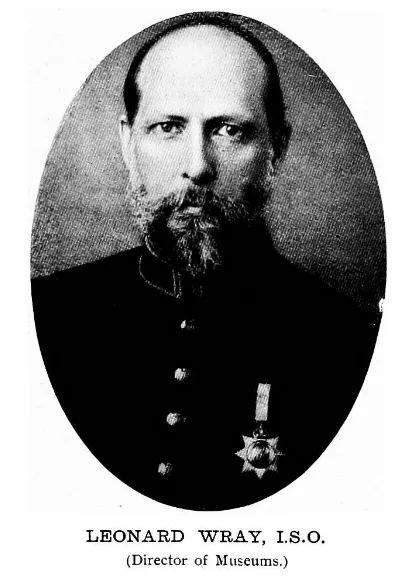
According to research conducted by Leonard Wray Jr., a curator of the Perak Museum (who later became the Director of the Federated Malay States Museums) in 1927, Gunung Pondok has been inhabited by humans since the Neolithic era. He discovered many stone tool fragments and prehistoric pottery around the mountain area, proving that this area has been a site for human habitation and activity for thousands of years.
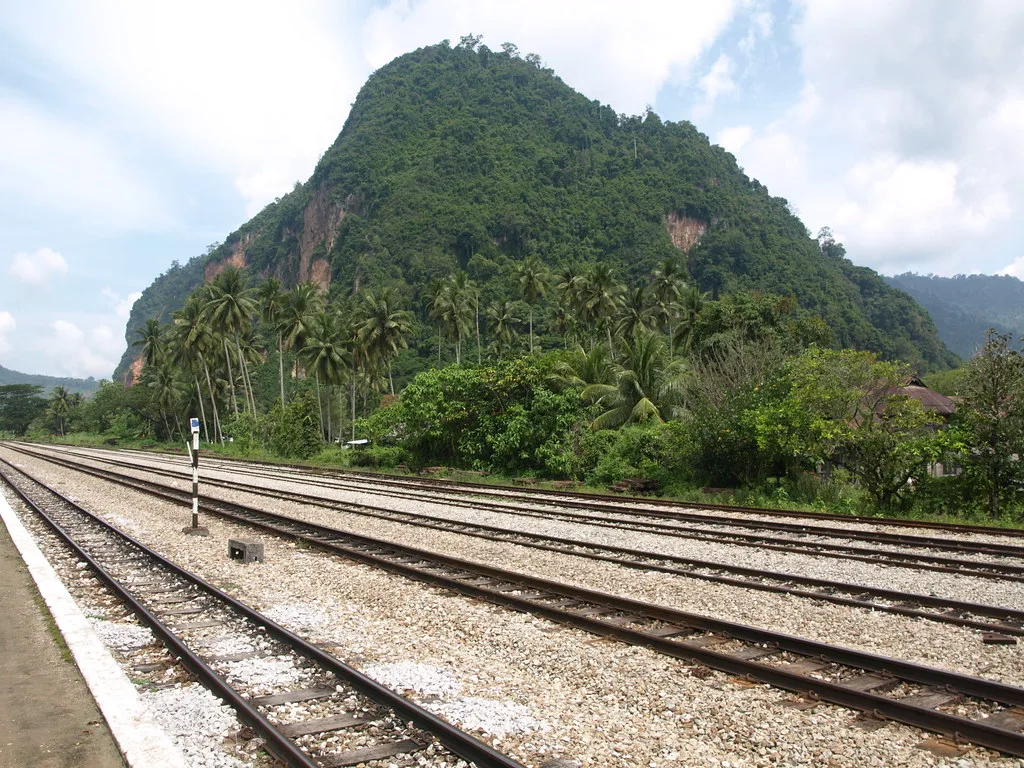
Besides being an important archaeological site, Gunung Pondok also played a strategic role in local history. In the past, the mountain was often used as a hunting ground for mountain goats, a type of animal found in abundance in the area.
Furthermore, Gunung Pondok also served as a strategic defensive site for the Malays during the Larut War, which took place in the 19th century. The Larut War was a series of conflicts between Malay factions fighting over tin mining areas in Perak. Gunung Pondok, with its high and strategic position, became a place of refuge and surveillance for local forces.
Bukit Berapit Railway Tunnel: A Historical Landmark
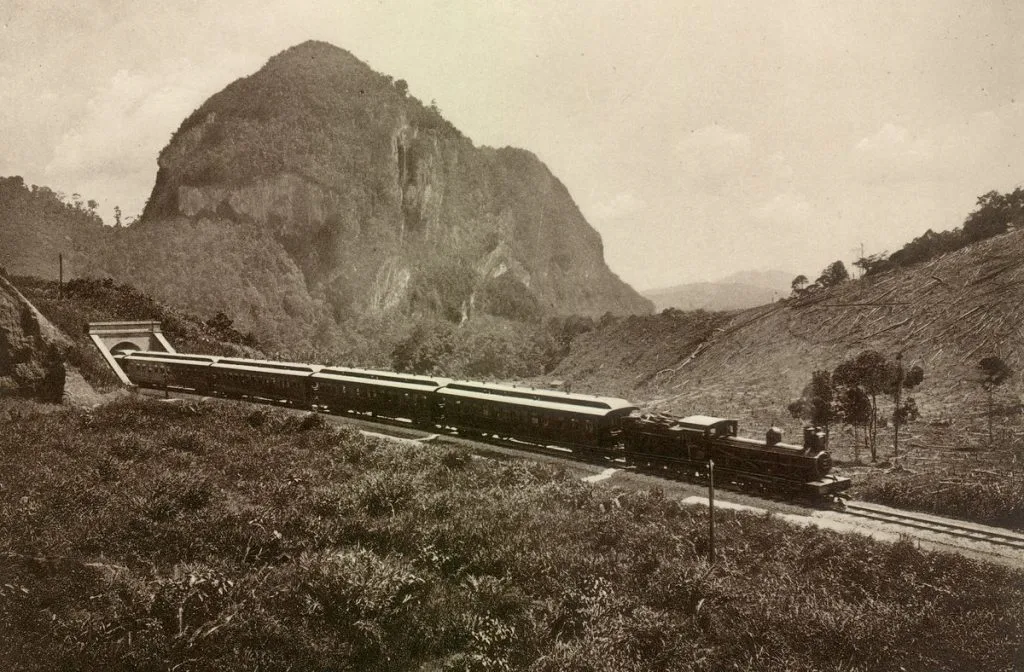
Besides Gunung Pondok, Padang Rengas is also famous for the Bukit Berapit railway tunnel, which was built in 1897. This tunnel was part of the railway network connecting Kuala Kangsar and Taiping, which was an important route during the British colonial era.
The construction of this tunnel reflects the technological progress of that time and the importance of Padang Rengas as a transportation hub. The Bukit Berapit tunnel is not only an engineering triumph of its time but also a symbol of resilience and endurance.
Although it is over a century old, the tunnel still stands firmly, despite being covered by bushes and the marks of time. The nearby Bukit Berapit railway station can also still be seen, although it is no longer in operation. These historical remains are evidence of the importance of Padang Rengas in the development of the transportation system in Malaysia.

Padang Rengas as a District Border
To this day, Padang Rengas and Gunung Pondok continue to play an important role as the border between the Kuala Kangsar and Larut districts. Its strategic position makes this town a meeting point between two districts rich in history and culture.
Additionally, the natural beauty around Padang Rengas, including Gunung Pondok, attracts tourists and outdoor enthusiasts for activities such as mountain climbing and jungle trekking.

Cultural Heritage and Tourism Potential
Padang Rengas is not only rich in history but also has great potential in the tourism industry. Its natural beauty, including mountains and well-preserved forests, makes it an ideal destination for those who want to escape the hustle and bustle of the city.
Furthermore, historical heritage sites like the Bukit Berapit railway tunnel and Gunung Pondok can be developed as tourist attractions with the potential to draw both local and international tourists.
Efforts to preserve and promote the historical and natural heritage of Padang Rengas need to be intensified. Collaboration between authorities, the local community, and the private sector can help ensure that the uniqueness of Padang Rengas is preserved for future generations.
In addition, educational and awareness programs regarding the importance of history and the environment should also be implemented to increase public awareness about the heritage value possessed by this town.
Conclusion
Padang Rengas may only be a small town, but it holds invaluable historical, cultural, and natural treasures. From prehistoric times to the modern era, this town has gone through various phases of development that make it unique and special.
With integrated efforts, Padang Rengas has the potential to become one of the famous tourist destinations in Malaysia, while continuing to preserve its rich heritage and identity.
References:
- My Perak Crew Blogspot