The History of Malay Schools in the State of Perak
Originally, the main purpose of establishing Malay schools in Perak was to eradicate illiteracy among the Malay community. Efforts to open these Malay schools were actively carried out by the state government administrators under the Sultan of Perak since around the 1800s.
The initial policy of Malay schools, as mentioned earlier, was to eradicate illiteracy. Therefore, there was no minimum age limit for children who wished to study in Malay schools during that era. Perak did not follow the educational administration of Selangor and Negeri Sembilan, which had enacted laws requiring Malay boys aged between 7 and 14 living within a two-mile radius of a school to attend. Nevertheless, the penghulus (village chiefs) in Perak actively worked with local residents to encourage Malay children to attend school and receive a proper education. Typically, a Malay school would be established in a new location upon request from the mukim penghulu or village head. Usually, the penghulu and village head would be urged by parents in a village to set up a Malay school in their area.
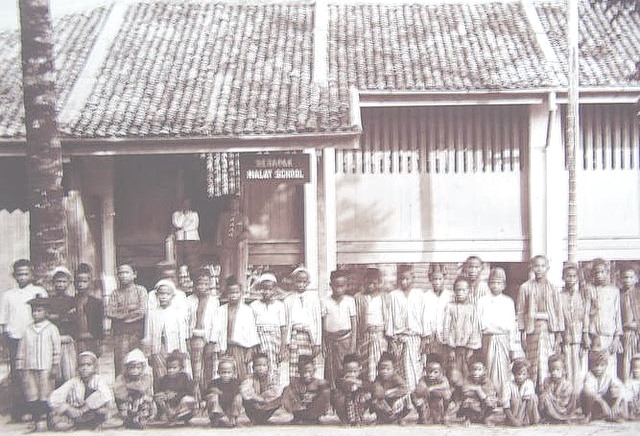
*illustrative image
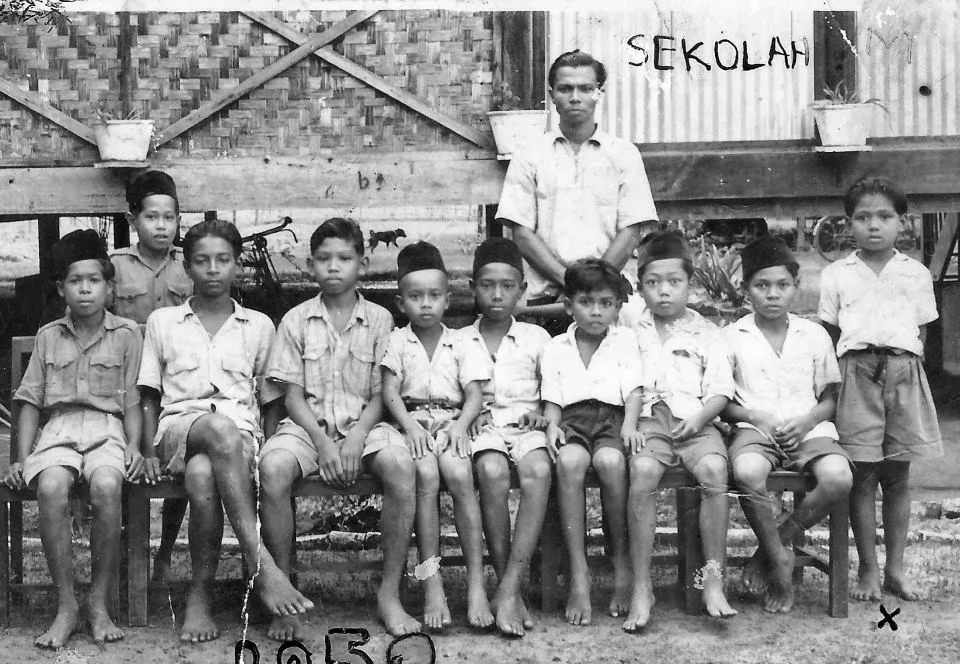
These schools would be established provided that the minimum number of students attending was no less than 20. Usually, when a Malay school was established in a place, the building would be rented for the first one or two years. A permanent school building would be erected after receiving a report from the school inspector and subsequently obtaining approval from the Orang Besar Perak in the local district or mukim. In that era, the architecture of Malay school buildings reflected a rural or traditional Malay village style, with five-tiered or elongated roofs. The roofs were constructed from rumbia, bertam, or nipah leaves. The walls were built from bamboo matting or bertam bark that had been soaked in a river or lake for about a week before being woven into a pattern. Since the British began governing Perak, the subjects taught were limited to the 3R system: reading, writing, and arithmetic, including basic knowledge and essay writing. Additionally, emphasis was placed on discipline and etiquette to ensure all students were diligent, loyal, and punctual.
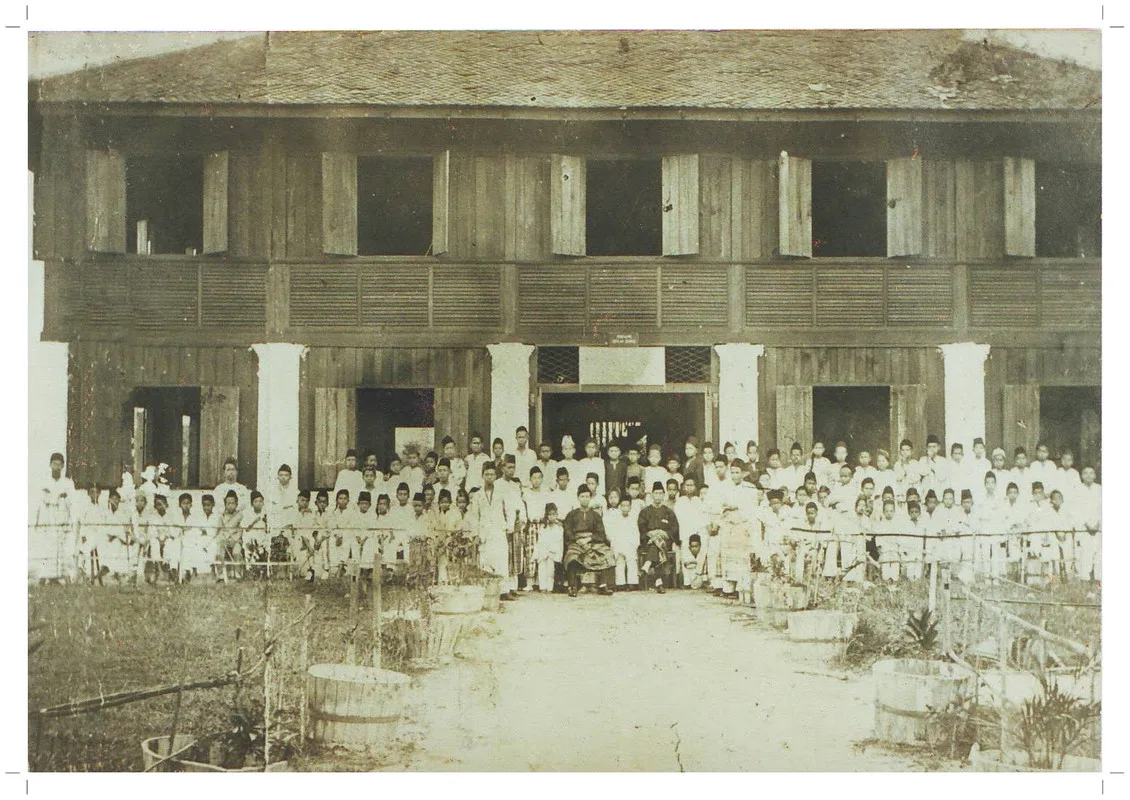
*illustrative image
Examinations were conducted to test the reading, writing, and arithmetic levels of every student attending school. All these lessons were aimed at facilitating British administration. Such educational methods and approaches continued until 1956.
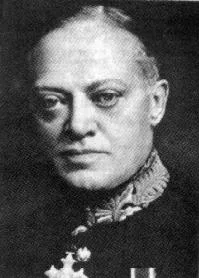
R.O. Winstedt
The year 1916 was a significant year in the development of Malay schools. A report by a Malayan administrative officer, R.O. Winstedt, became a turning point between the early era of Malay schools and the early British administration period. He recommended the establishment of a single teacher training college for all trainee teachers in Malaya, and a policy was drafted to create a sound educational system for Malay Primary Schools, with a curriculum closely related to the Malay children's environment.
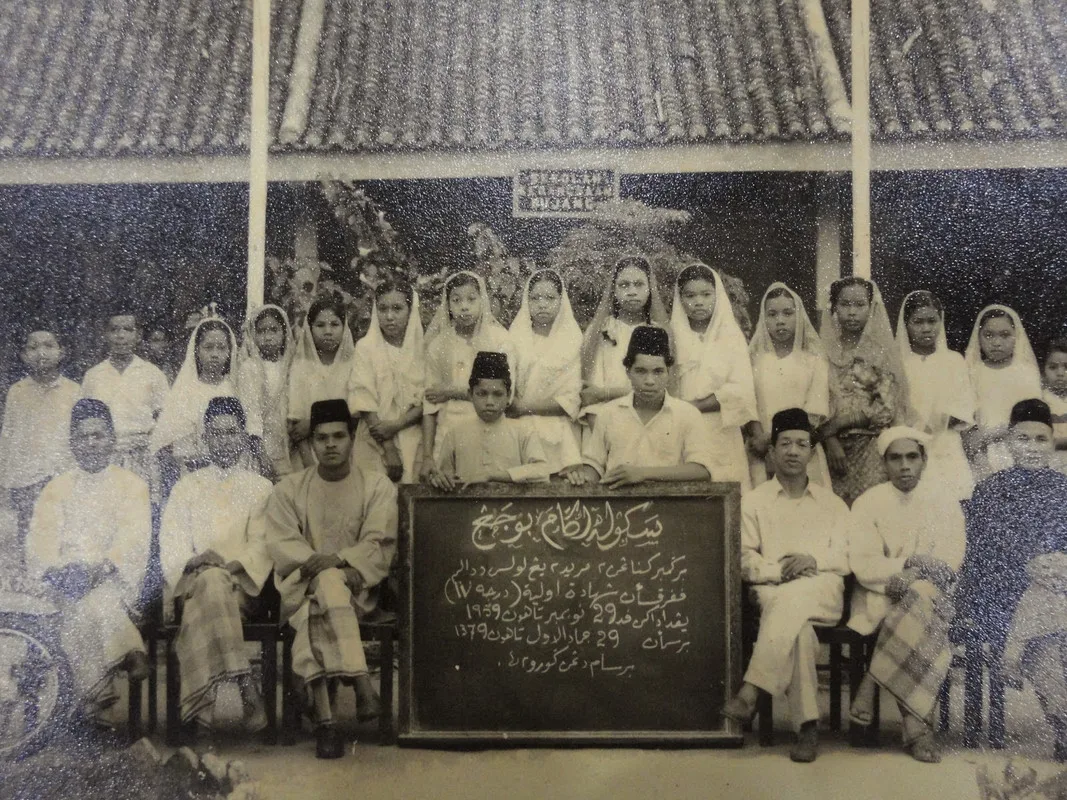
*illustrative image
Although the Straits Settlements had had an Inspector of Schools since 1872, it was only in 1890 that a school teacher was appointed as the Inspector of Schools at the Perak Education Office. Meanwhile, the appointment of Visiting Teachers was implemented in March 1872. Since then, schools in Perak began to develop rapidly. The original purpose of British colonial education in Malay schools leading up to World War II was to produce educated children of farmers or fishermen who could also serve in government roles such as peons, foremen, junior clerks, drivers, soldiers, police, and manual laborers. Meanwhile, those who succeeded in continuing their education to standard 6 or the additional grades that began in 1931 were appointed as Malay School teachers.
*illustrative image
The development of gardening and basket-making industries became traditional subjects in Malay schools before the 1956 Razak Report. This development was in line with the rural-biased education required to obtain a school-leaving certificate.