The History of Lumut
According to local folklore, the name Lumut, originally known as Tanah Merah, was established by Raja Ungku Busu in the 17th century. Pirate attacks on the coastal town forced the prince from Selangor to flee and abandon Tanah Merah.
Several years after establishing Lumut, the prince and his followers were attacked by pirates. Consequently, Tanah Merah was left abandoned and uninhabited. Nevertheless, the location of his tomb remains unknown, but his name lives on in memory as Bukit Engku Busu, which is located behind the current town of Lumut. Looking back at the early history of Tanah Melayu, steamships shuttled between Pulau Pinang and Lumut to distribute mail and essential supplies. The same ships would bring back raw materials from Perak to Pulau Pinang before they were exported to Western countries. Lumut played a crucial role as a gateway for Chinese immigrants coming to work in the tin mines around Perak. Among the earliest arrivals were the Methodist Chinese who established a settlement in Setiawan.
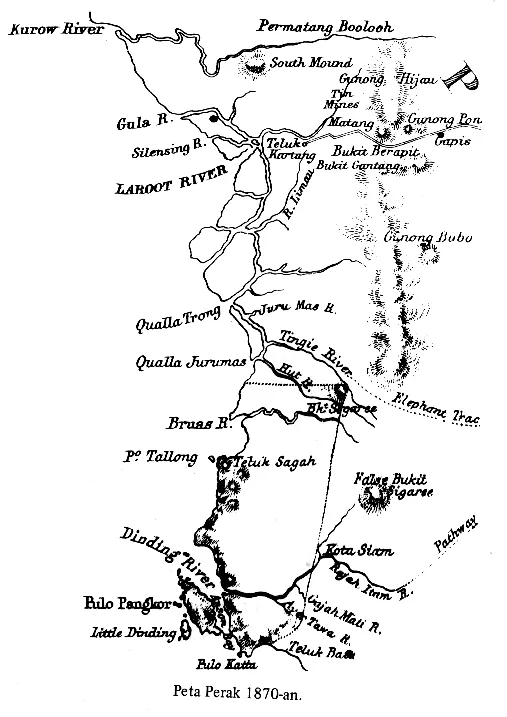
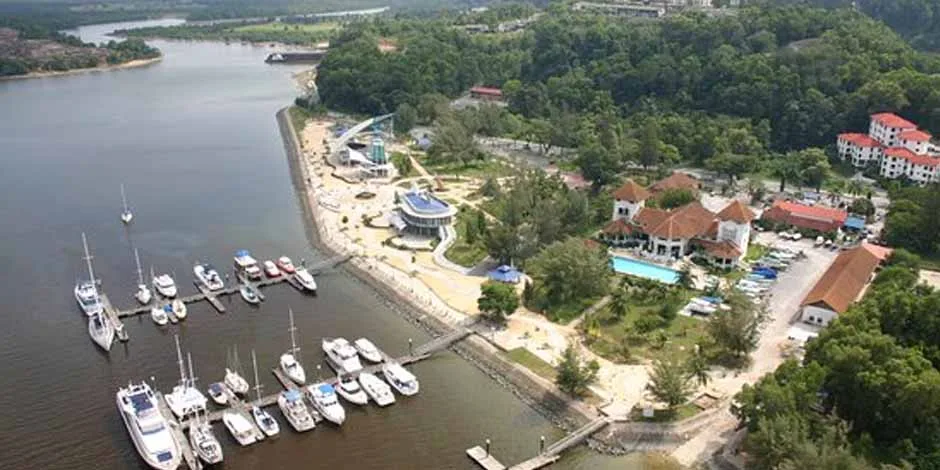
Lumut is now under the administration of the Manjong district, which is the new name for the Dinding district. The town is located approximately 84km south of Ipoh, the state capital of Perak. On February 16, 1935, a ceremony was held in the town of Tanah Merah—now known as Lumut—to sign the handover of the Dinding district to the Perak State government. In commemoration of this event, Tanah Merah was renamed Bandar Lumut. To mark the occasion, the Al-Adly Mosque was built in Lumut as a symbol of gratitude for the transfer of the Dinding territory to the Perak State government. Today, the small town has been transformed with the construction of the Lumut Waterfront, an integrated development project designed to develop the coastal area of Lumut. This project, covering an area of 36.25 hectares and valued at RM80 million, was completed in 2010. Lumut is now increasingly popular as a gateway to Pulau Pangkor.