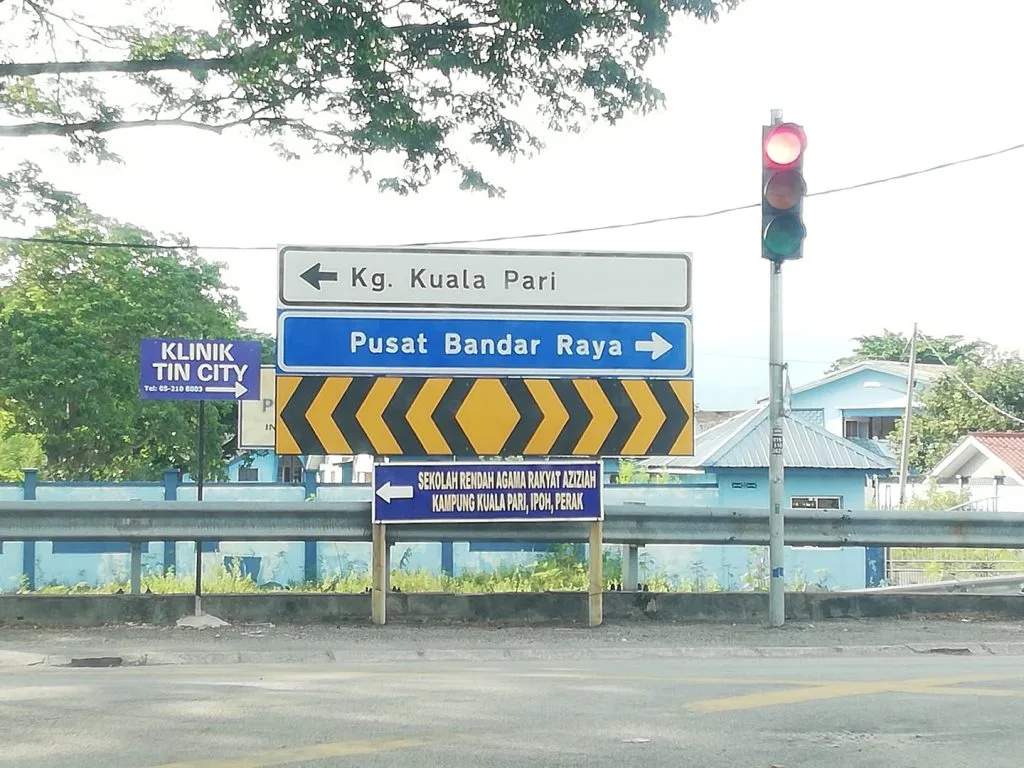
The History of Kampung Kuala Pari, Ipoh
The History of Kampung Kuala Pari, Ipoh
Kampung Kuala Pari, a Malay village located at the confluence of the Kinta River and Pari River, is one of the oldest villages in Ipoh, Perak. With a history spanning over a century, this village holds various fascinating stories, from the origins of its establishment and dark events during the colonial era to the social transformation that has shaped its identity today. Kampung Kuala Pari is not just a geographical location, but also a symbol of the resilience and harmony of the traditional Malay community.
Origins and Village Divisions
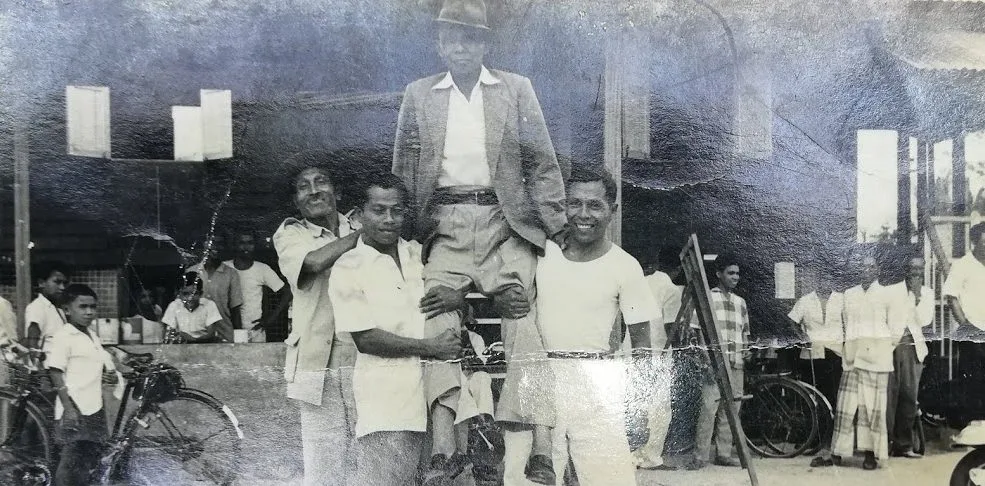
Kampung Kuala Pari has existed for over 100 years. According to records from the Perak state land office, the village was officially registered in 1937. However, its history began much earlier, around the late 19th century. The village was originally founded by Pawang Andak, a figure known for his mystical skills and wisdom.
Initially, only three families lived here, but today, Kampung Kuala Pari has grown into a large community with over 200 families.
The village is divided into three main sections: Kuala Pari Hulu, Kuala Pari Tengah, and Kuala Pari Hilir. Each section has its own distinct characteristics and falls under different administrative areas. Kuala Pari Hulu and Tengah are under the Ipoh Timur Parliamentary constituency, while Kuala Pari Hilir is under the Batu Gajah Parliamentary constituency.
This division not only facilitates administrative matters but also reflects the physical and social development of the village over time.
Origin of the Village Name
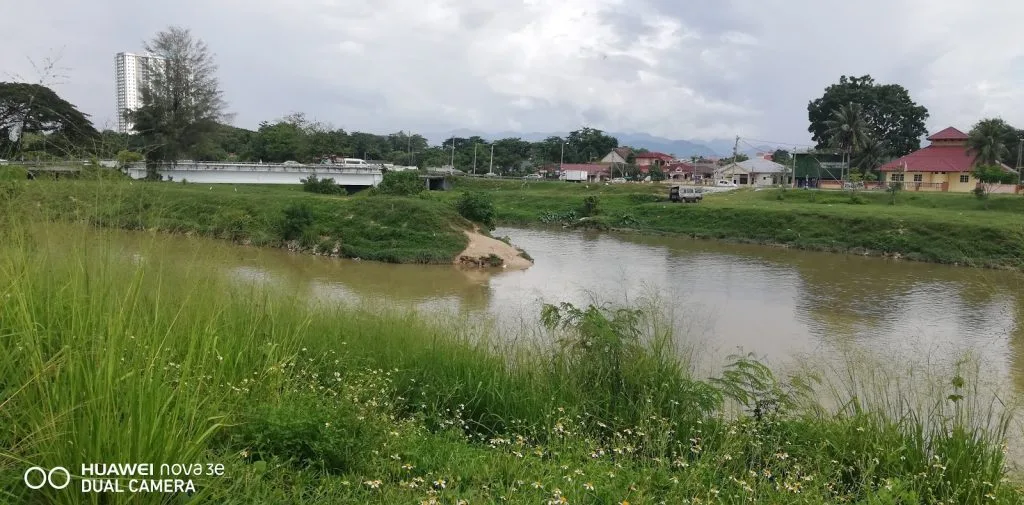
The name "Kuala Pari" was taken from the name of a fish, the stingray (ikan pari). Once upon a time, the Kinta River and Pari River were known as natural habitats for freshwater stingray species that were abundant in Perak.
However, due to river pollution and changes in river flow caused by development, stingrays have become increasingly difficult to find in this area. The village's name remains as a tribute to the natural heritage that once served as the lifeblood of the local residents.
The Dark History of the Japanese Occupation
Kampung Kuala Pari was not spared from the adverse effects of the Japanese occupation in Malaya. During the Second World War, Japanese soldiers were known for their cruelty, and this village also fell victim to their attacks. However, there is an interesting story told by the village elders.
Pawang Andak, the founder of the village, is said to have used his mystical powers to thwart the Japanese soldiers' attacks. Although this story is difficult to prove scientifically, it remains a part of the village's legend and pride.
The 1950s to 1980s: The "Black List" Era
Between the 1950s and 1980s, Kampung Kuala Pari was often associated with a negative image. The area was considered a "black list" by local authorities because many young people were involved in gang activities and street crime in Ipoh. However, this dark era did not last long.
The villagers, with a strong sense of community, managed to change their fate. Today, the majority of the younger generation of Kampung Kuala Pari have succeeded in various fields, whether in professional careers, higher education, or business.
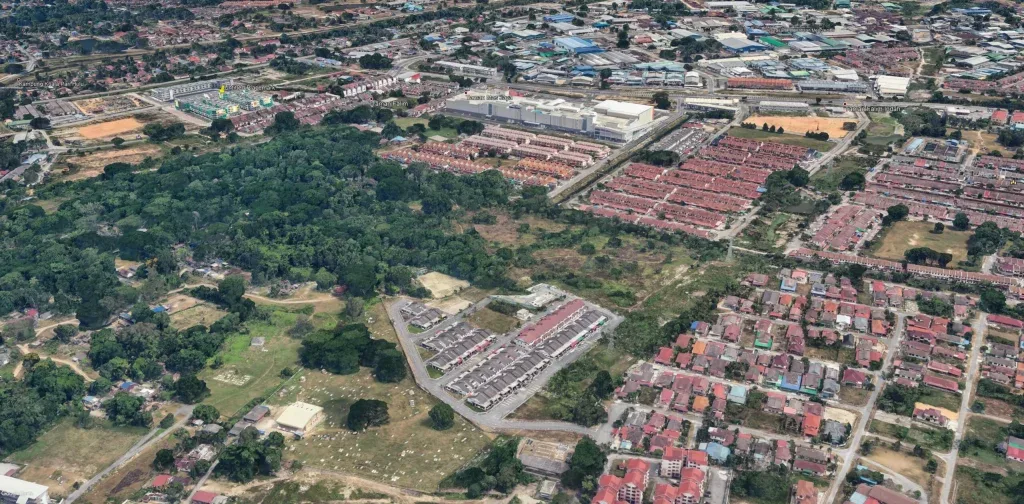
Geographical Uniqueness and Development
Kampung Kuala Pari is located in a strategic position between the city of Ipoh and the town of Menglembu. Its location at the confluence of the Kinta and Pari rivers makes it a unique village. Additionally, the village is surrounded by other villages that are also rich in history, such as Kampung Paloh and Kampung Kuchai.
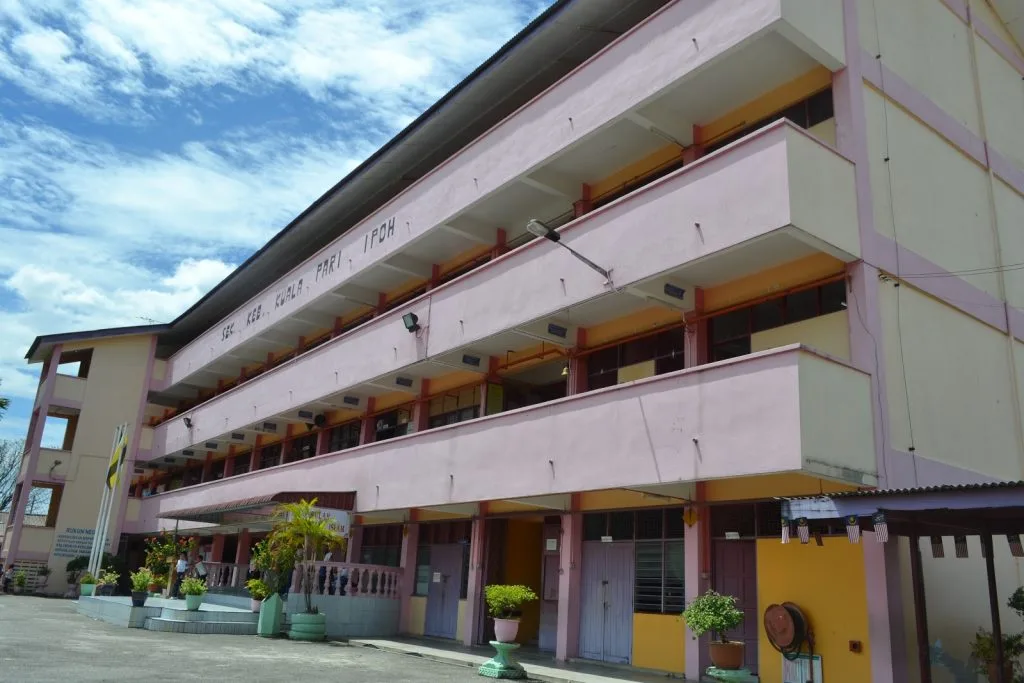
Education and Social Institutions
Education played an important role in the transformation of Kampung Kuala Pari. Sekolah Kebangsaan Kuala Pari, built in 1951, became the primary educational institution for the villagers and the surrounding areas. This school not only provided basic education but also served as a hub for community activities.
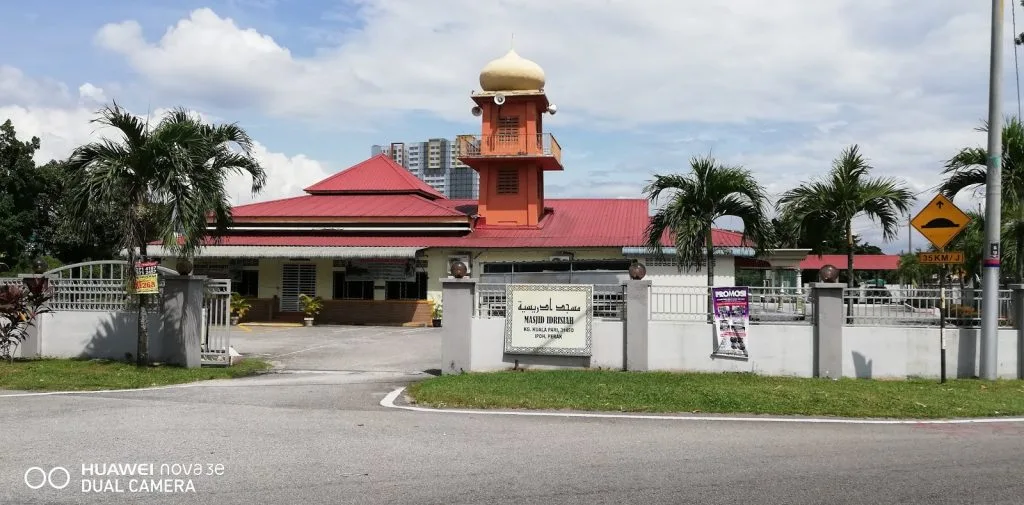
Furthermore, the village also has important places of worship. The first surau was built in Kuala Pari Hulu, but with the increase in population, a larger mosque was needed. Masjid Idrisiah, named after Sultan Idris Shah, was built on September 11, 1963, in Kuala Pari Tengah. This mosque serves not only as a place of worship but also as a center for religious and social activities.
Community Hall and Food Court
The Kampung Kuala Pari Community Hall, built in the 1960s, became the heart of community activities. The hall is used for various functions, including weddings, village meetings, and community programs. Additionally, the Benteng Selera, located near the community hall, provides space for small traders to conduct their businesses. The shop lots and toilet facilities provided help to generate the village's economy.
Conclusion
Kampung Kuala Pari is a village rich in history and culture. From its origins as a small settlement founded by Pawang Andak, the village has gone through various phases, including the colonial era, the dark era of crime, and the social transformation that led to the success of its younger generation.
Today, Kampung Kuala Pari is not just a traditional village, but also a symbol of the success and resilience of the Malay community in facing the challenges of the times. With its strategic location, educational institutions, and complete community facilities, the village continues to grow as a harmonious and dynamic community.
References :
- Kampung Kuala Pari Village Management Council Blog