The History of Istana Ulu, a Legacy of Modernization in Perak
The long history of the Perak Sultanate has left behind many royal legacies in the state of Perak. Many palaces were built for the Sultan and the royal family, stretching from Kuala Kangsar to Teluk Intan.
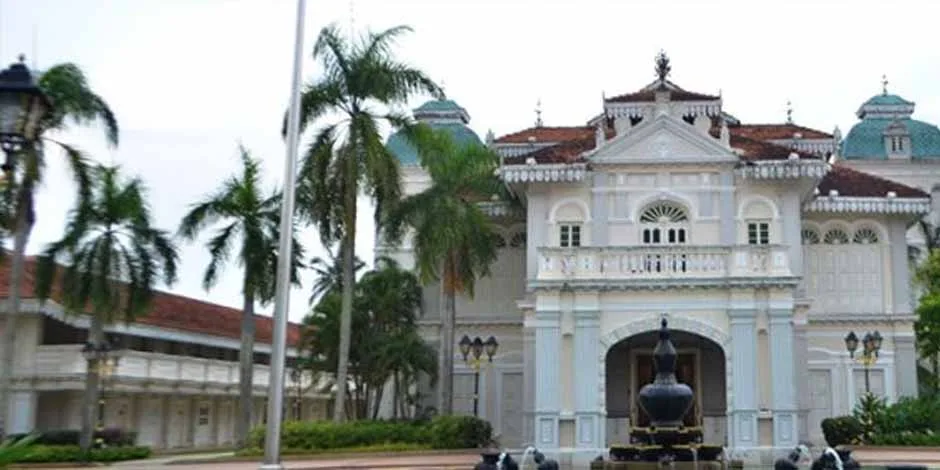
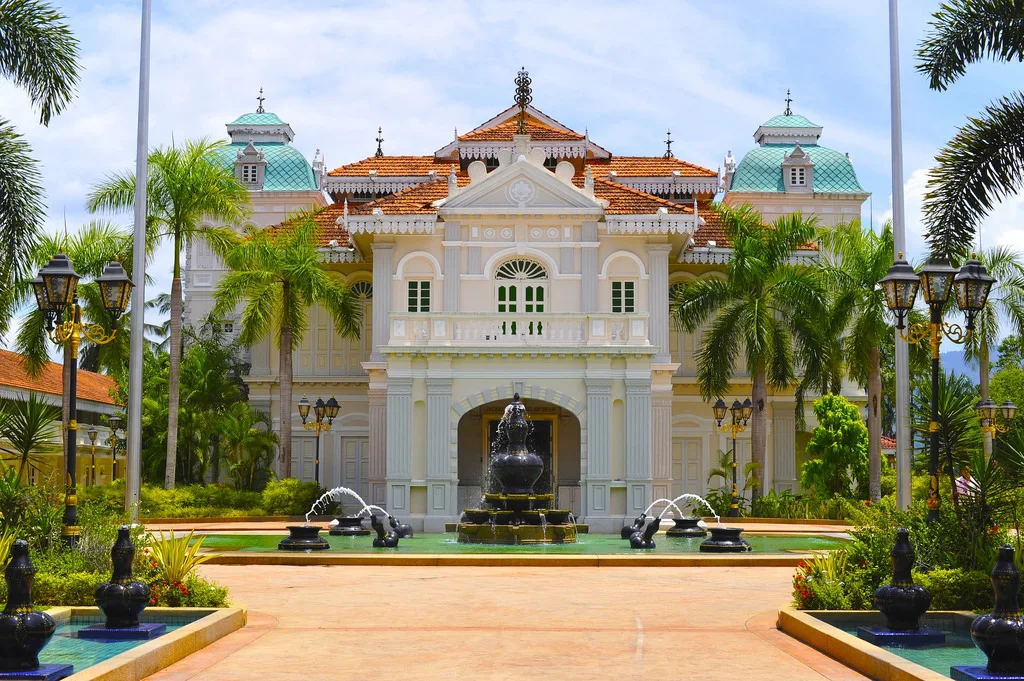
Many of these palaces still stand majestically as symbols of the Perak Sultanate's endurance, while others remain only as historical memories of the state. In this article, orangperak.com will take readers through the history of the beautiful Istana Ulu, which now serves as the Sultan Azlan Shah Gallery. Istana Ulu, also known as Istana Kota, Istana Hijau, Istana Cempaka Sari, and Istana Cinta Berahi, is located in Bukit Chandan, Kuala Kangsar, not far from the Ubudiah Mosque. This palace was originally the residence of the 28th Sultan of Perak, Sultan Idris Mursyidul ‘Adzam Shah, who reigned from 1887 to 1916. The palace construction began in 1898 and was completed in 1903. In 1916, Istana Ulu became the residence of the late Sultan Abdul Jalil, son of Sultan Idris Mursyidul ‘Adzam Shah. Following the passing of the late Sultan Abdul Jalil in 1918, the palace was occupied by his son, the late Sultan Yussuf Izzuddin Shah, the 32nd Sultan of Perak who reigned from 1948 to 1963.
It is widely known that the administrative center of the Perak Sultanate began in Tanah Abang in 1594. The 2nd Sultan of Perak, the late Sultan Mansur Shah I, moved the capital to Kota Lama Kanan, located about two miles upstream along the Perak River from Kuala Kangsar. Kota Lama Kanan remained the administrative center of the Perak state government until the reign of the 27th Sultan of Perak. Istana Ulu is closely linked to the shift of the Perak Sultanate's administrative center from the Sayong district to the Bukit Chandan district. When the late Sultan Idris was installed as Sultan, he moved the administrative center from Sayong to Bukit Chandan. He built a palace near the river, known as Istana Negara, in 1895.
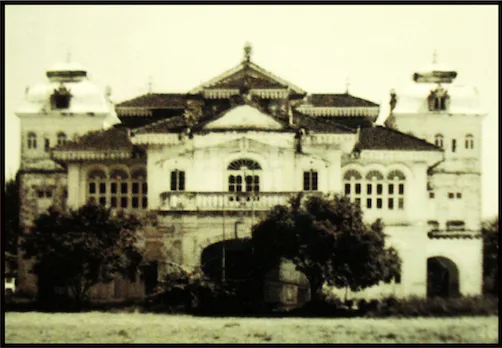
Rapid development occurred in Bukit Chandan, where the Sultan subsequently built two palaces simultaneously: Istana Ulu and Istana Hilir. Istana Ulu was used as his personal residence. It was designed by Captain Maurice Alexander Cameron, the Deputy Colonial Engineer and Surveyor General of the Straits Settlements at the time. The roof design incorporates Achehnese influences with its pyramid-shaped structure. Indian architectural influences are visible in the domes on both towers of the building. The wood carvings found in the palace were crafted by Raja Harun Al-Rashid, a renowned carver of that era. He drew inspiration from the natural flora found in the palace gardens. Meanwhile, the stone carvings were executed by craftsmen following the instructions and approval of Sultan Idris I, who ensured that no carvings conflicted with Islamic teachings, such as depictions of animals or statues.
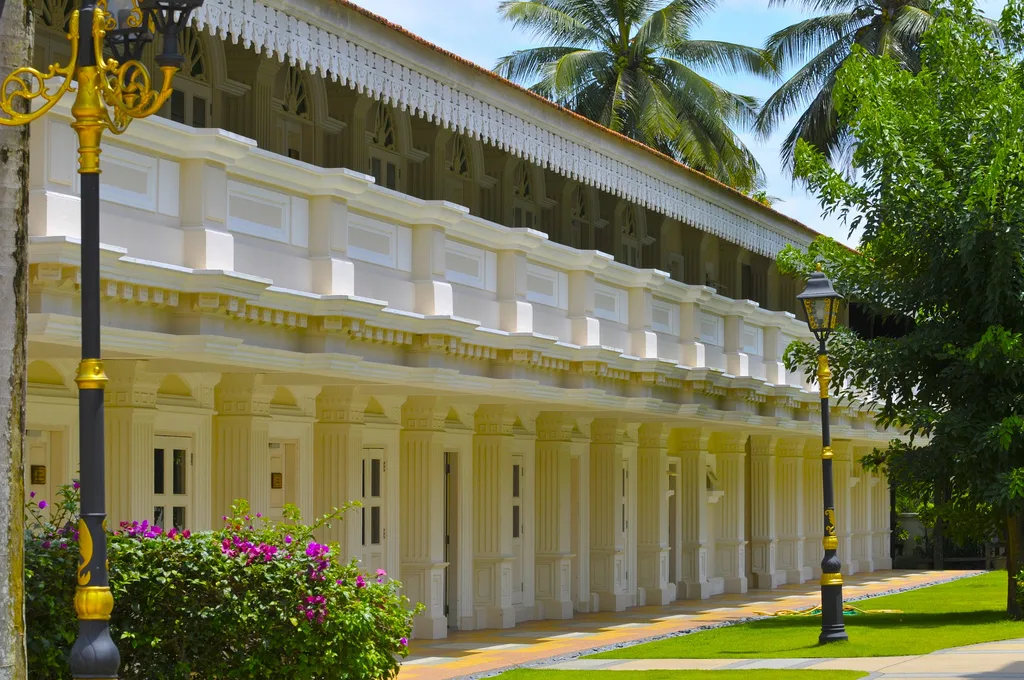
The layout and spatial concept of the palace were based on the Sultan's own ideas from previous years. The building's design shares similarities with the Istana Negara, the Ipoh High Court, and the Ipoh Railway Station. Most of the building materials for Istana Ulu were imported from abroad. The roof tiles were from France, and the floor tiles were from India. However, many local materials were also used, such as the roof frame made of cengal wood and carvings made from the finest meranti wood. Merchant ships traveling along the Perak River were used to transport the building materials for Istana Ulu, while elephants were used to haul the local materials. Istana Ulu was enclosed by a fortress wall, which is why it is also known as Istana Kota. The top of the wall was beautifully decorated with iron lattice work featuring frangipani flower motifs.
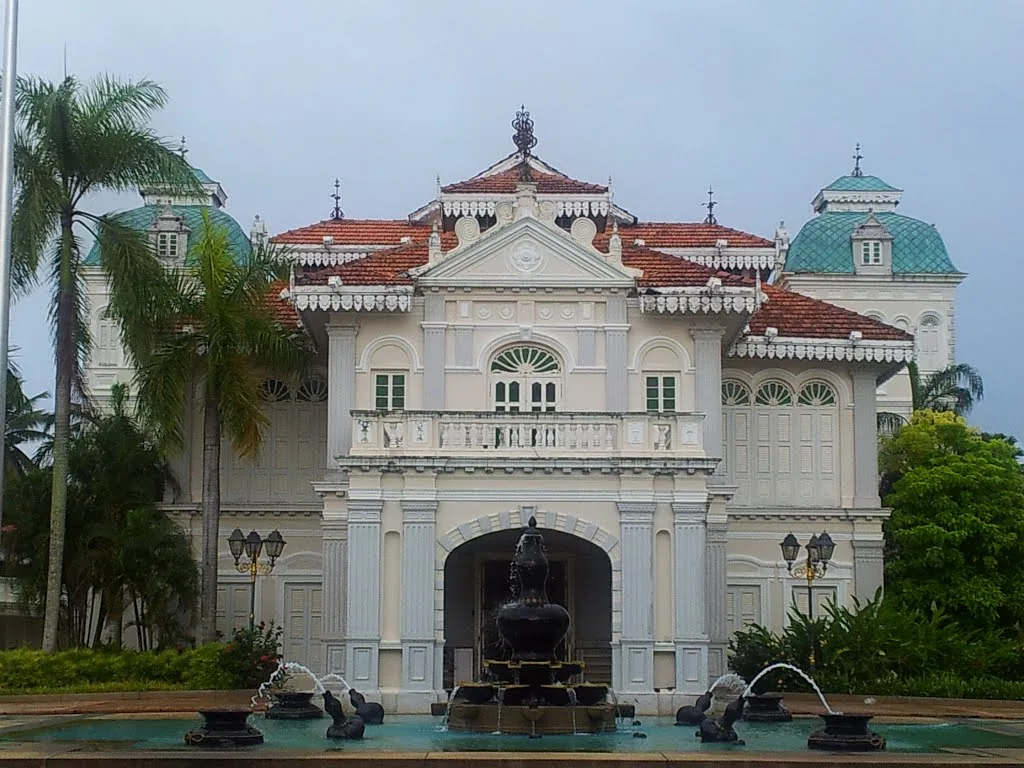
In 1954, the palace was handed over to the Malaysian Ministry of Education, and in 1970, it became Sekolah Kebangsaan Istana Kota, and later, Sekolah Raja Perempuan Muzwin. In early 2000, Sultan Azlan Shah envisioned the creation of a gallery so that the public could view and learn about the history of the Perak Sultanate and the progress of Perak during his reign. The state government approved the construction of this gallery on June 13, 2001. Construction began on November 30, 2001, and was completed on April 15, 2003.
Sultan Azlan Shah
officially opened the Sultan Azlan Shah Gallery on December 9, 2003, and it has since become a tourist attraction in Kuala Kangsar, Perak. The grandeur and majesty of this palace are reflected in its fine and beautiful architecture, which has remained standing firm for over a century. The restoration of this building has further strengthened the heritage lineage of the Perak Darul Ridzuan Sultanate.