The History and Origins of Kerian District
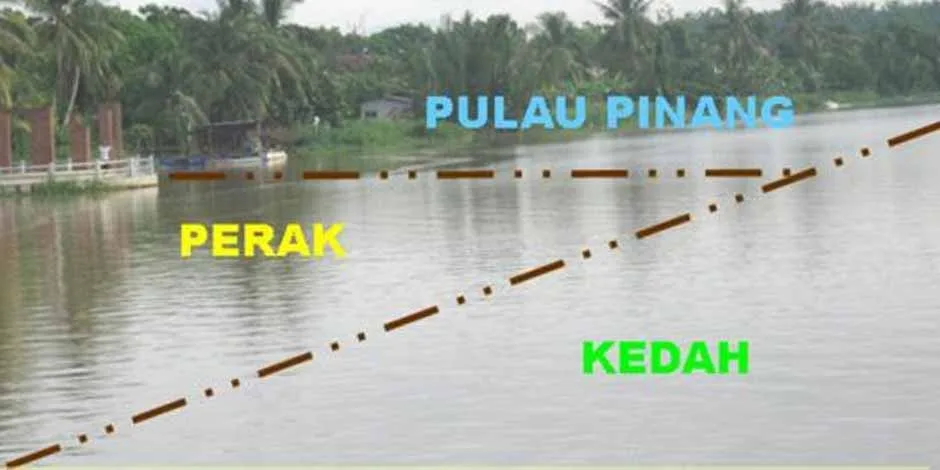
Kerian District is located in the north of Perak, and as everyone knows, this district borders the state of Penang (Seberang Perai Selatan district) and the state of Kedah in the Bandar Baharu district.
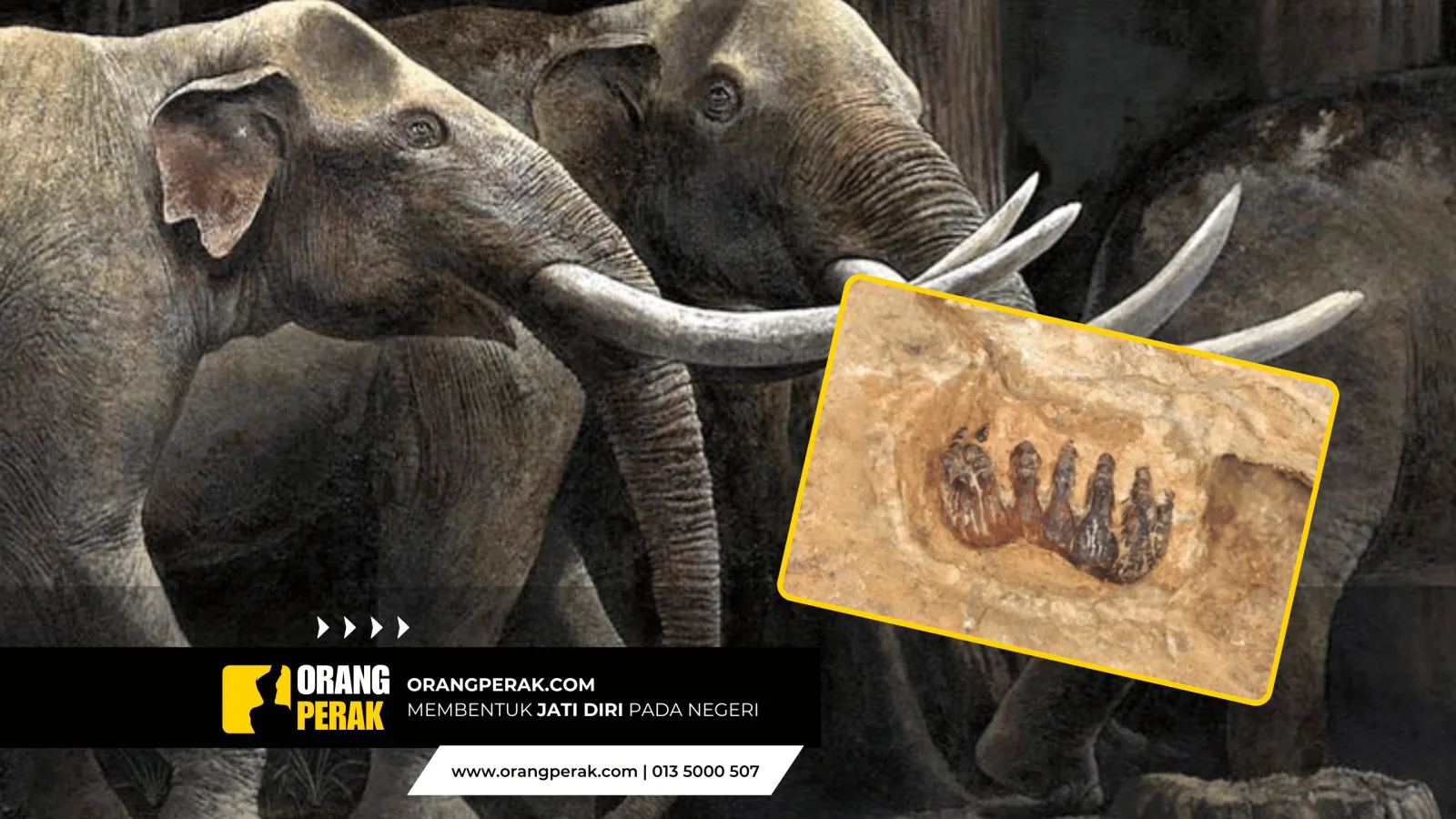
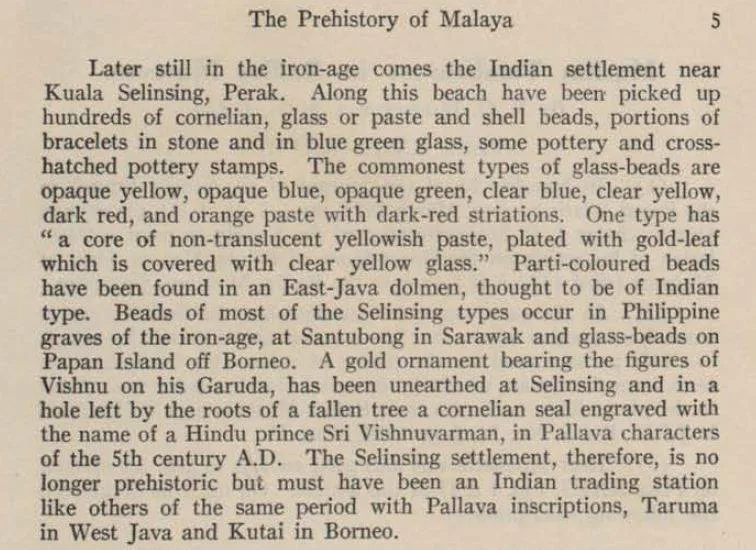
To the east and south, Kerian District borders the districts of Larut, Matang, and Selama. The Strait of Malacca lies to the west of Kerian, bordering the sea. According to archaeological studies in 1970, there is evidence that Kerian District has been inhabited by humans for over 2,000 years. The discovery of human skeletons in Lembah Selinsing, along with pottery and beads found by British researchers—later continued by researchers from local universities—has confirmed the existence of a human civilization that developed in parallel with the Sungai Batu civilization in Merbok, Sungai Petani, Kedah.
Around the year 1800, the British Resident Officer serving in Parit Buntar at the time attended a criminal trial in Parit Buntar. On his way back, he and his entourage boarded a boat known as a 'wakang', traveling along the river and sea towards Pulau Pangkor. During the journey, he mentioned "KIRIAN" (the word for 'left'), referring to the land on the left side under the rule of the Sultan of Perak. The word pronounced by the British Resident Officer, which sounded like "KIRIAN", became increasingly popular and a subject of mockery among the local residents in the area. Eventually, when the government wanted to establish a district and name it, the popular term "KIRIAN" was chosen and slightly modified to become "KERIAN". This is the origin of the name Kerian District. Kerian District is divided into eight mukims: Parit Buntar, Bagan Tiang, Tanjung Piandang, Kuala Kurau, Bagan Serai, Beriah, Gunong Semanggol, and Selinsing. However, it is managed under seven Mukim Penghulu administrations and 90 Village Development and Security Committees (JKKK), which are entrusted and responsible for administering 246 village units. The district's administrative center is located in Parit Buntar. Other major towns include Bagan Serai, Gunung Semanggol, and Kuala Kurau. This district is known as the Rice Bowl of Perak due to its vast paddy cultivation areas. Irrigation schemes have been built in this area for land reclamation. Canals or waterways were constructed to facilitate water control in and out of the rice fields. Some parts experience flooding during certain seasons. Additionally, many residents work as fishermen, especially in Sungai Acheh, Bagan Tiang, Tanjung Piandang, and Kuala Kurau.