The Grave of Mat Indera, Leader of the 10th Regiment of the MCP in Taiping
The Grave of Mat Indera, Leader of the 10th Regiment of the MCP in Taiping
Every time the month of independence arrives, we are often presented with screenings of patriotic films on television to instill a spirit of independence in the hearts of viewers.
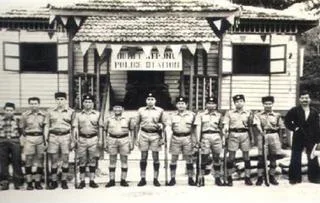
The film Bukit Kepong is certainly included in the list of independence-themed screenings every year. In that event, 17 police personnel were killed in an effort to defend the Bukit Kepong Police Station from being captured by the communists.
Before we delve further into the topic above, it is best that we understand a little more about the Bukit Kepong incident, which continues to be remembered to this day.
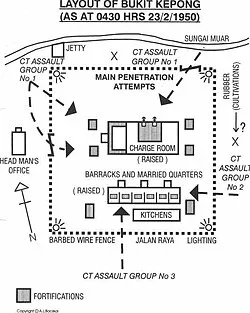
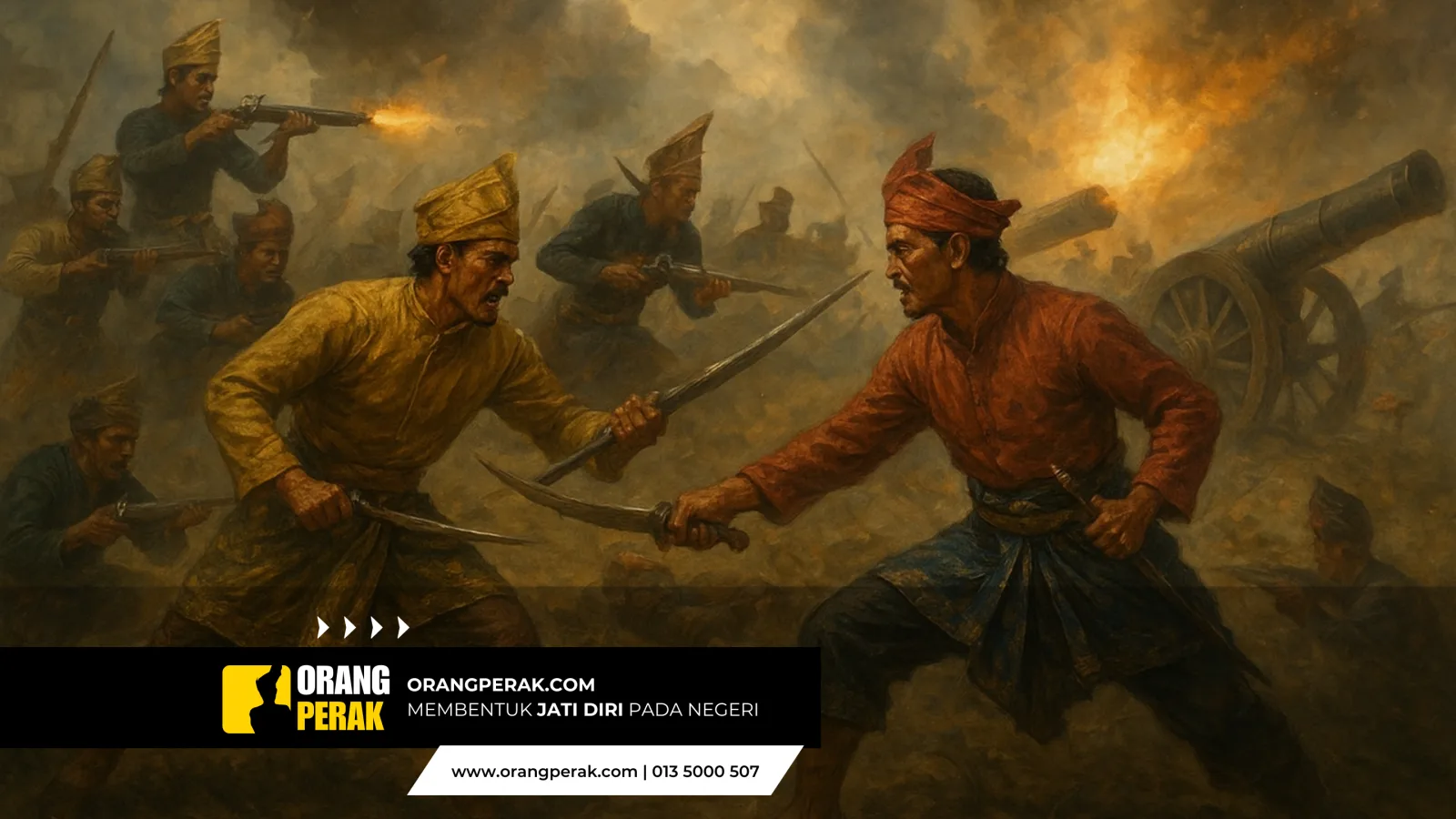
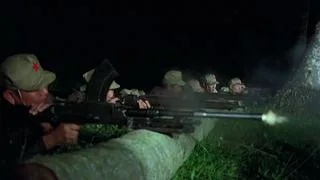
At 5:00 AM on February 23, 1950, nearly 180 communist soldiers from the 10th Regiment of the Malayan Communist Party (MCP) began a siege and subsequently attacked the Bukit Kepong Police Station in Johor using automatic weapons.
A fierce gunfight ensued, and the communist terrorists ordered the police officers to surrender, but the order was ignored.
The relentless attacks continued until daybreak, and several officers at the police station were killed. Meanwhile, in the family barracks, off-duty police officers continued to fight until they fell one by one.
Two wives of the police marine personnel also took up arms when they found their husbands had been killed, and they continued to fight alongside the other members until they ran out of ammunition. Seeing the strength of the police station's defense, the communists began using dirty tactics.
The communists captured one of the police officers' wives, pointed a pistol at her, and forced her to order the officers defending the police station to surrender.
The police officers, however, responded to the call by stating that they would not surrender and would continue to fight until the last drop of blood.
Another police officer's wife and her daughter were forced out and told to surrender, but they refused, choosing to die instead, and were eventually killed.
The communist terrorists then burned the family barracks, causing two women and children to be burned to death in the final stages of the 3-hour battle.
Only three police officers, including a village guard, survived, and they were forced to run out because they could not withstand the heat from the burning police station building.
They charged through the terrorists' positions, causing three communists to be killed. However, only one managed to cross the river with his rifle still in his hand.
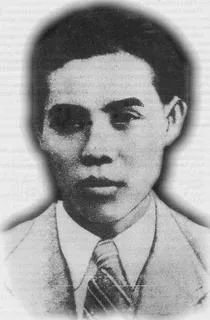
Such is the story of the Bukit Kepong tragedy, which became a historical record of communist cruelty during the first Emergency. An interesting aspect of this event is that the communist attack was led by a Malay man named Mat Indera.
He was also the communist officer who blew the 'bugle' to signal the start or cessation of attacks during the battle. Mat Indera, whose real name was Ahmad bin Indera, was a native of Johor who was involved in the anti-colonial movement while the country was under British rule before Malaya gained independence.
Like other individuals who fought on their respective platforms, they all had the same goal: to free the country from being shackled by colonialists.
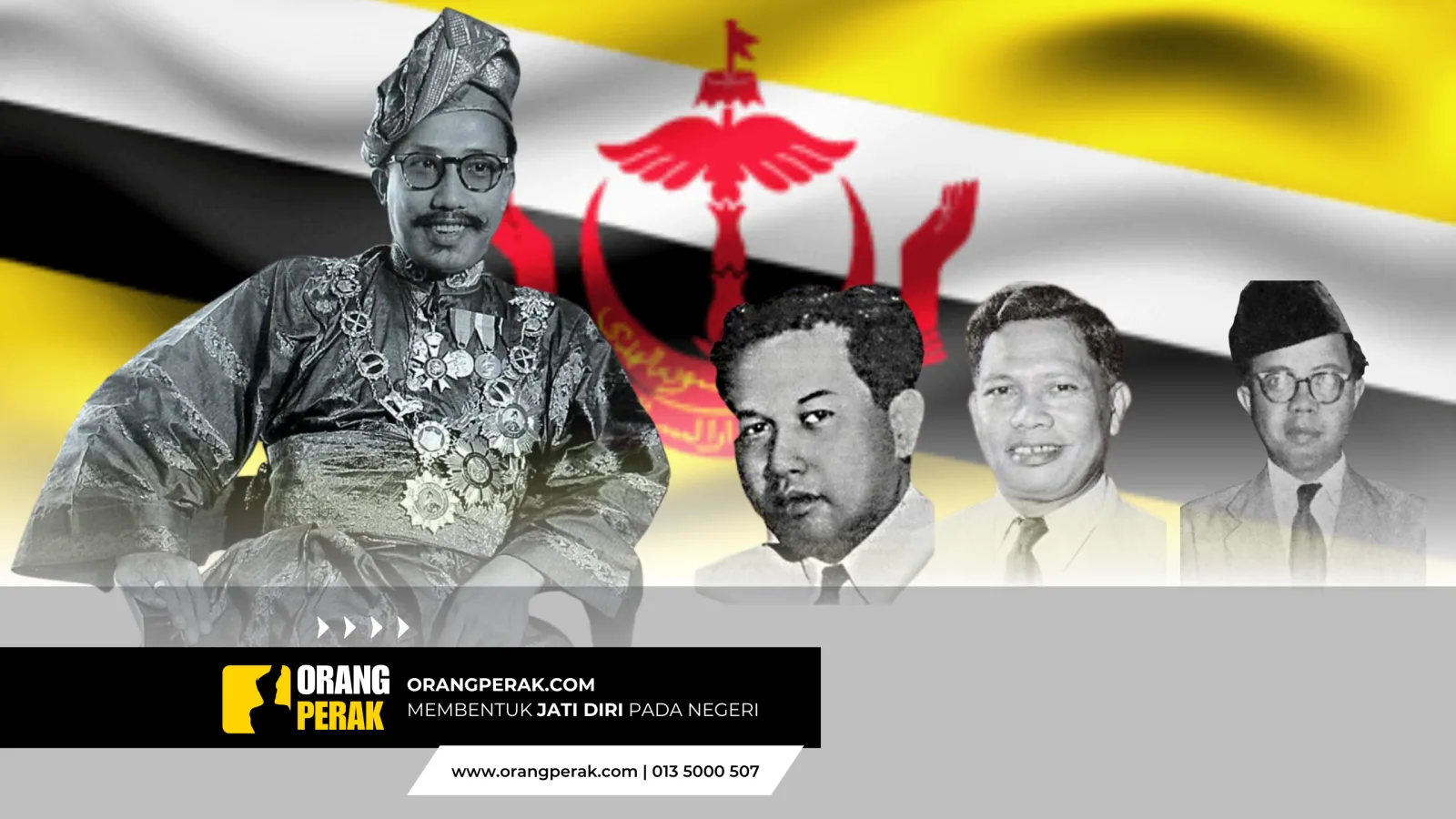
However, in reality, Mat Indera was involved in the left-wing movement by becoming a member of the youth wing of the Malay Nationalist Party (PKMM), led by Dr. Burhanuddin Al-Helmy and Ishak Haji Muhammad. The PKMM youth wing was also known as the Angkatan Pemuda Insaf (API), led by Ahmad Boestamam.
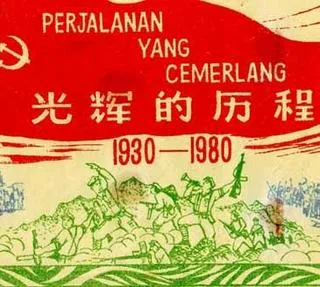
The Malayan Communist Party (MCP), which influenced various labor movements and the general public, was also a left-wing movement. When the British authorities began enforcing the Emergency Regulations on June 19, 1948, in Malaya (following the MCP's militant and violent act of killing British planters), all left-wing political parties were affected.
Because of that, many members of these left-wing movements chose to either remain silent, flee to Singapore, join the MCP's militant movement, or continue their struggle through UMNO.
Mat Indera's choice to join the MCP and the militant movement differed from other left-wing leaders such as Dr. Burhanuddin, Ahmad Boestamam, Ishak Haji Muhammad, or Ibrahim Yaakub, who did not choose to act militantly.
Selected as one of the leaders of the 10th Regiment of the Malayan Communist Party (MCP), Mat Indera was fully responsible for the attack on the Bukit Kepong Police Station.
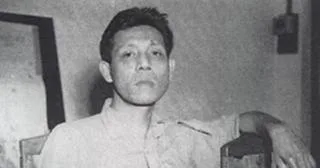
The Bukit Kepong tragedy, which saw the murder of children and women, was used by the British as evidence to support claims of violence and cruelty.
The British set a reward of $75,000 for his capture. It was said that Mat Indera possessed supernatural powers and had escaped capture several times.
The cruelty committed by the communists caused the local population to hate the movement and consider the Malays who joined the Malayan Communist Party as traitors.
That is what happened, leading to the arrest of Mat Indera when the community leadership in Kampung Parit Baru, Seri Medan, Johor, planned with the police to trap and apprehend him when he came to the village.
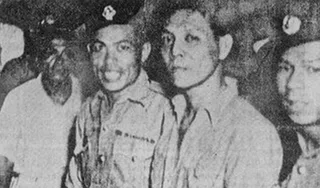
One of his followers, known as Mat Tukyo, was captured by the British and forced to help capture Mat Indera. Mat Tukyo negotiated with two other friends known as Beladang and Misban.
On the night of October 14, 1952, Mat Indera was invited to a meeting in Kampung Seri Medan and served fried tempeh and coffee mixed with purple datura (kecubung), which could cause drowsiness and a hypnotic state if consumed.
After drinking the coffee mixed with datura, Mat Indera lost consciousness, and it was at that moment that Mat Tukyo removed all the amulets Mat Indera was wearing.
It is said that Mat Indera's hands were tied with tall grass and he was then taken to the Seri Medan Police Station. Several Malay leaders, including Kadi Haji Ahmad Shah Haji Abdul Jabar, tried to persuade Mat Indera to compromise with the British during the court trial to avoid the death penalty, but all this was rejected by Mat Indera, who did not want to be tried by the British for his actions.
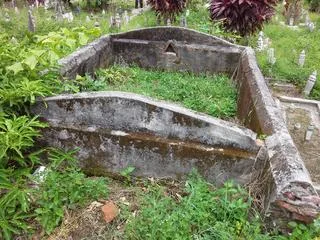
In the trial regarding the communist attack on the Bukit Kepong Police Station, the court sentenced Mat Indera to death by hanging.
Muhammad Indera was executed by hanging at 11:00 PM on January 30, 1953, at Taiping Prison, Perak. The next day, his body was buried at the Kampung Jambu Cemetery, Taiping.
The location of Mat Indera's grave became a political issue in 2013 when a political party leader tried to elevate Mat Indera as a freedom fighter.
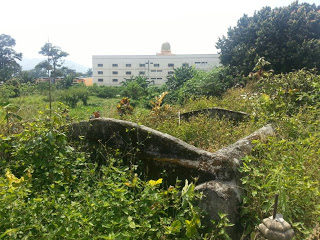
This issue then became more chaotic when the leader pointed to a grave that local residents claimed did not belong to Mat Indera.
Residents around the Kampung Jambu cemetery area and several local leaders then took the initiative to hold a press conference to show the actual grave of Mat Indera and expressed hope that the Mat Indera issue would no longer be politicized.