The First Islamic Religious Advisor to the Sultan of Perak
In the early 16th century, between 1500 and 1600, a sovereign state was born, and its greatness remains to this day: the state of Perak.
To be more precise, it was when the state of Perak gained
its first Sultan in 1528
. Behind a sovereign state, there stands a great Sultan!
This story tells of a pious individual who was appointed as the Islamic religious advisor to
the first Sultan of Perak, Sultan Muzzafar Shah I
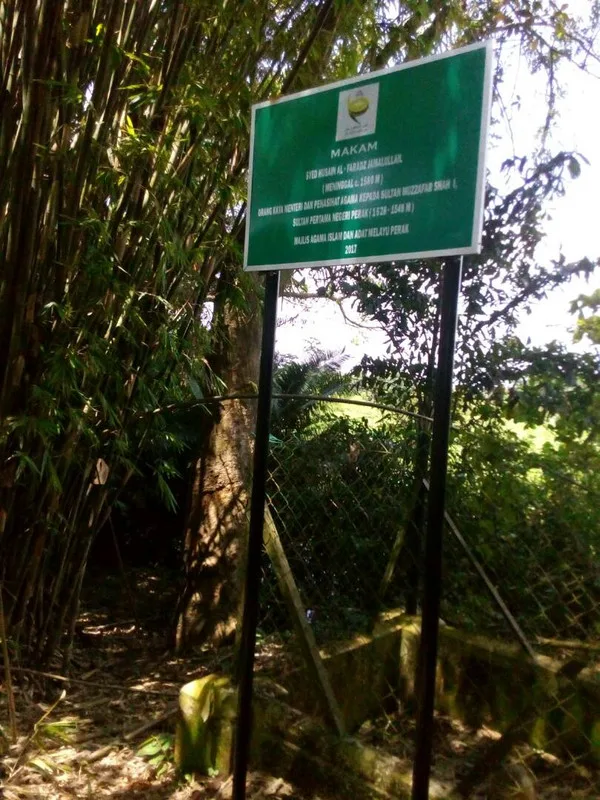
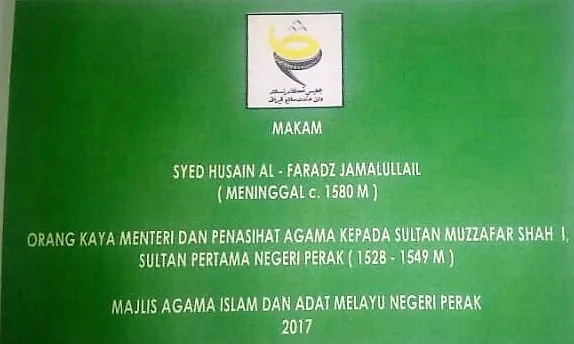
. The first Islamic religious advisor to the Sultan of Perak was none other than a scholar named Syed Husain Al Faradz Jamalullail. Syed Husain Al Faradz Jamalullail was a scholar and intellectual who held the title of al-Alawiyyin. Do you know what the title al-Alawiyyin means? Al-Alawiyyin is a title for those who possess lineage and blood ties to the 25th and final Prophet of Allah SWT, Prophet Muhammad SAW.
The scholar, Syed Husain Al Faradz Jamalullail, came from a valley in Yemen, which is the most fertile compared to other parts of Yemen that consist mostly of deserts. The valley that was the origin of the first religious advisor to the Sultan of Perak is known as Hadramaut, which is also the homeland and residence of Prophet Hud and Prophet Saleh. He, who came from this great region and lineage, arrived in the Malay Archipelago in the early 16th century with the aim of spreading the teachings of Islam. At that time, Perak was already a sovereign state under the rule of
Sultan Muzzafar Shah I as the first Sultan of Perak
. Syed Husain Al Faradz Jamalullail was honored with the appointment as Orang Kaya Menteri and Religious Advisor to Sultan Muzzafar Shah I, the first Sultan of Perak.
With the position, office, and honor bestowed upon him by
the first Sultan of Perak
, he was able to carry out da'wah efforts to spread Islam in the archipelago, especially in Perak, more effectively. He also played an important role in the administration of the state of Perak based on Islamic law. Among the reforms brought by this great scholar to Perak at that time was the introduction of several principles of justice, which were later developed into the
99 Laws of Perak
. These laws contained knowledge brought from abroad but were adapted to the local conditions of the time. For your reference, these laws were not a comprehensive legal code, but at that time, they were an early effort to improve the level of good governance in the Perak administration.
The 99 Laws of Perak
were used from that era until they were replaced by laws brought by the British in the early 20th century. Throughout the period of the use of the
99 Laws of Perak
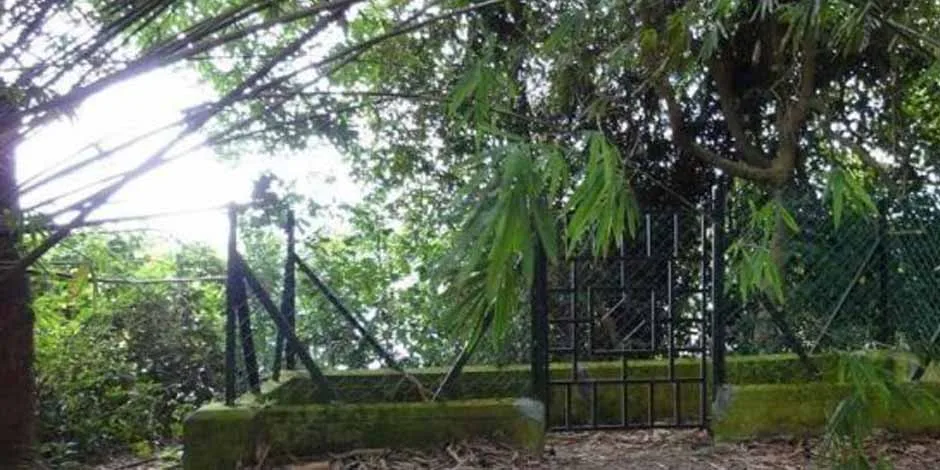
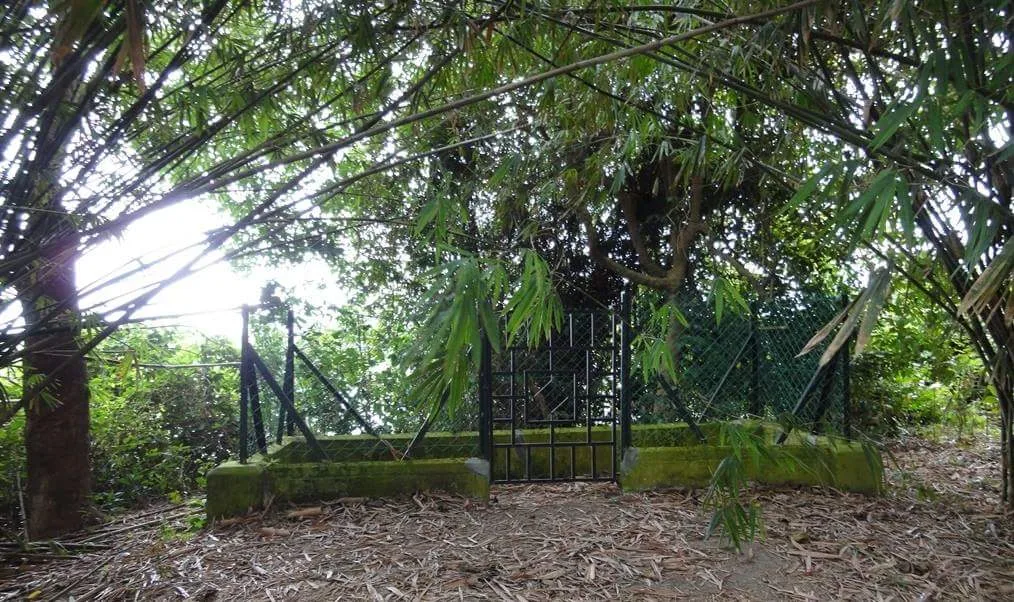
, they were constantly amended according to the needs of the time and societal acceptance. This is because the Malay society at that time still held strongly to tradition. Every living thing must eventually die. The state of Perak mourned when Syed Husain Al Faradz Jamalullail breathed his last around the year 1580. At that time, it was during the reign of Sultan Ahmad Tajuddin Shah (the 3rd Sultan of Perak). If you wish to visit the grave of Syed Husain Al Faradz Jamalullail, you can go to the small town of Kota Bharu located in Gopeng, Perak.

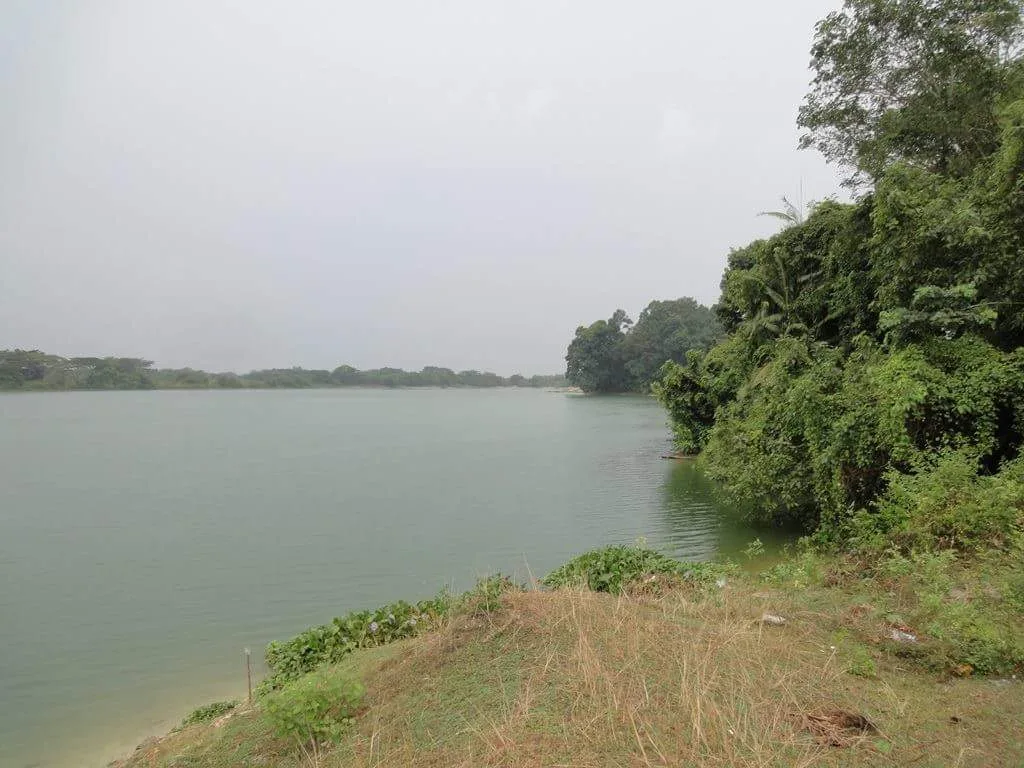
His tomb is located within a tin mining area in Tebing Tinggi, Kuala Teja. It is quite difficult to find and visit the tomb of Syed Husain Al Faradz Jamalullail, and you are advised to consult and ask the local residents (Kampung Lalang, Kota Bharu in Gopeng) for directions. The descendants of Syed Husain Al Faradz Jamalullail have been established in Perak for over 500 years and now span more than 17 generations. The extended family of Syed Husain Al Faradz Jamalullail in Perak today, which includes the Syed, Meor, Wan, and other lineages, is among the oldest and largest families in the state of Perak.