Tanjung Malim Residents Were Once Punished and Labeled Cowards by Sir Gerald Templer
In 1948, a dark chapter began in Malaya when a state of emergency was declared by the British administration following communist attacks on government interests and assets, plantations, and mines across the country.
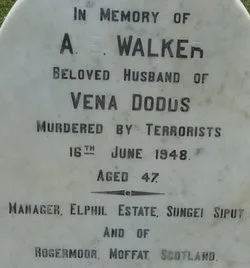
It all started on June 16, 1948, when communists attacked and killed three European plantation managers in Sungai Siput. The manager of Elphil Estate, A.E. Walker, was shot at his own office desk at 8:30 a.m. Thirty minutes later, Phin Soon Estate manager John Allison and his assistant Ian Christian were tied up and murdered by the communists. These attacks led to the declaration of a state of emergency a few weeks later.
On July 13, 1950, Inspector Ralph Lewis Inder of the Malay Police force was attacked by rebels and later died at Ipoh Hospital. Boris Hembry, a planter, wrote a book titled "Malaysian Spymaster: Memoirs Of A Rubber Planter, Bandit Fighter And Spy," in which he wrote, "They appeared early that morning; communist terrorists had slashed (damaged) many young rubber trees at Dovenby Estate. Ralph then went out to investigate, and the terrorists were waiting for him."
Ralph and his escort of two constables had to fight 6 against 1, yet they defended themselves resolutely. One of the constables was killed while the other was severely injured. The terrorists then retreated, taking their weapons with them."
Communist attacks continued to escalate, and on February 4, 1950, 80 communist terrorists attacked and burned down a village, leaving 1,000 residents homeless and without property. Then, on February 21, 1950, a terrorist was successfully shot by police officers in Simpang Tiga, Perak. On January 21, 1952, 20 communist terrorists entered Kampung Behrang Ulu and seized 6 firearms.
Tanjung Malim remained a 'black area' when, on the same day, three communists were taken down by security forces at the Leonardo Estate, located two miles from Tanjung Malim town. A day later, 20 terrorists attacked a group of Public Works Department workers and seized 7 of their identity cards.
The terrorists also burned a Public Works Department truck, causing $1,600 in losses. On February 1, 1952, 20 communist terrorists attacked and damaged the Police Guard Station in Tanjung Malim. Various damages, destruction of property, and loss of life were caused by them.
The climax of this catastrophe occurred with the death of the Assistant District Officer of Tanjung Malim, Micheal Codner, along with 11 civilians and police officers on March 25, 1952. The death of Micheal Codner indirectly had a major impact on the development of Tanjung Malim and the morale of its residents.
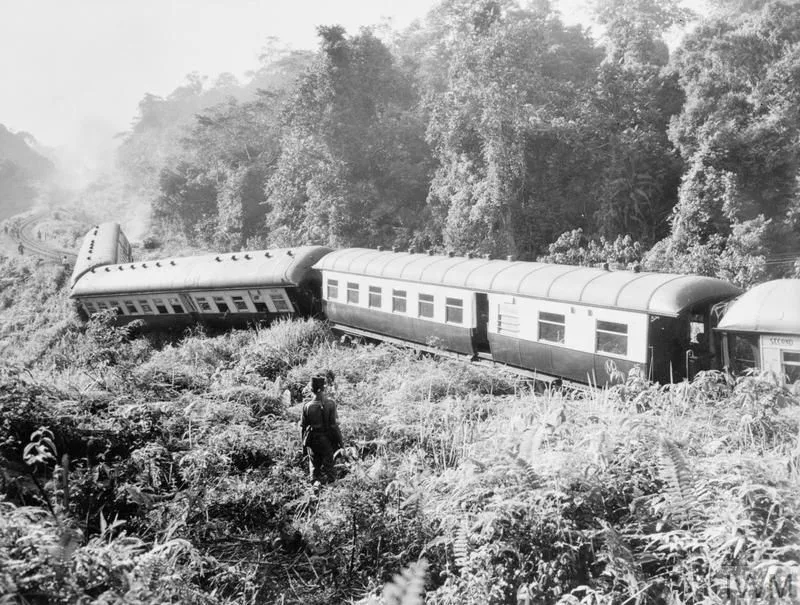
In the first 3 months of 1952, there were too many communist attacks launched against Tanjung Malim town, including five ambushes with five other failed ambush attempts, 10 attacks on military and police patrols, 7 demonstrations due to pressure on labor, 6,000 rubber trees damaged, continuous attacks on water pipelines, 8 buses and trucks burned, a train derailed, 15 murders, 1 attack on a village, and many other incidents that occurred in this small town.
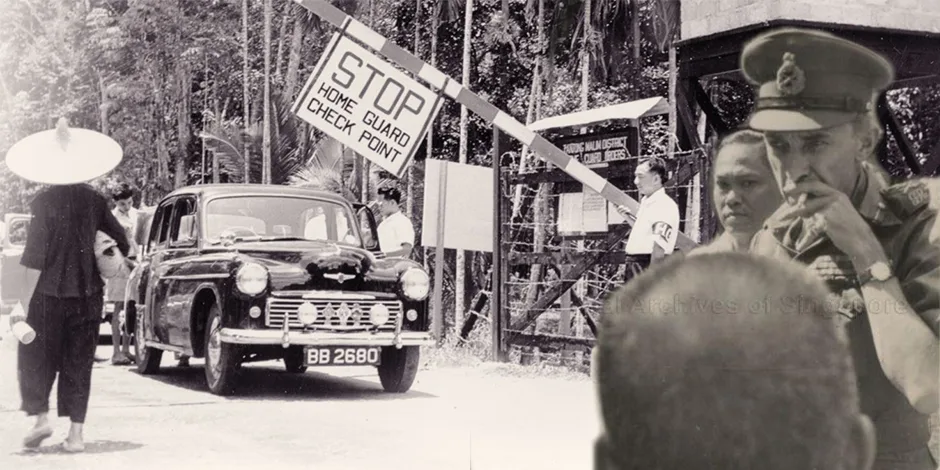
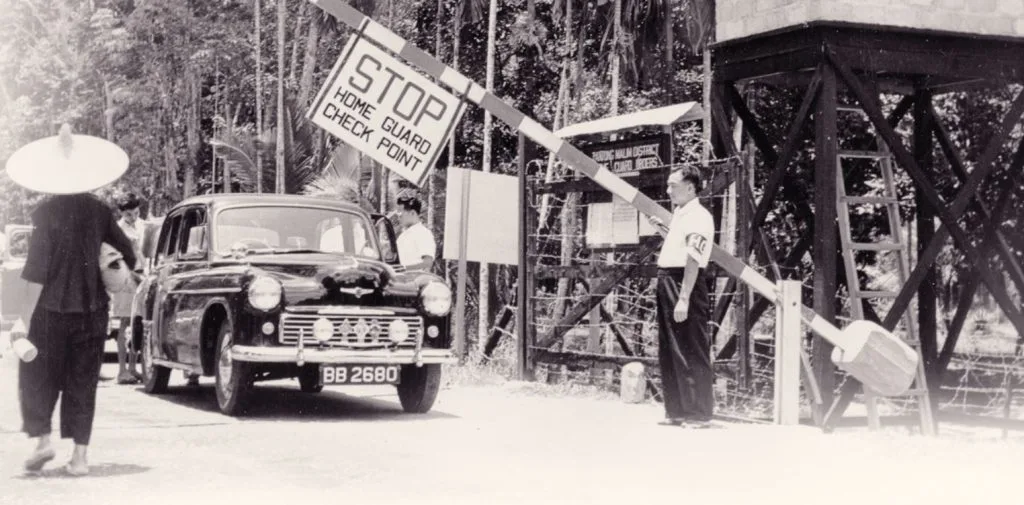
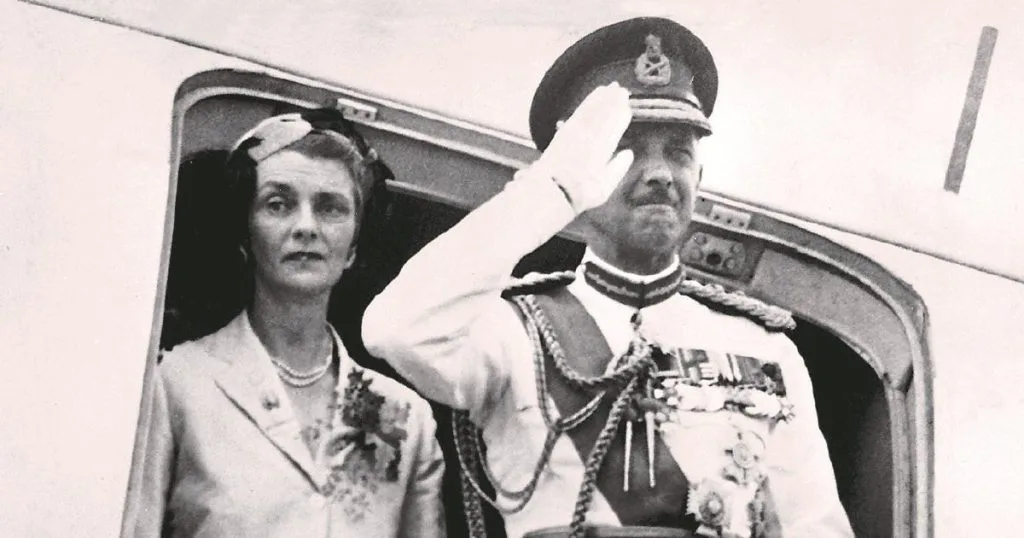
General Sir Gerald Templer, the British High Commissioner to Malaya, visited the town to monitor defense preparations there on March 28, 1952. He then decided to impose punishment on the town on the grounds that it failed to cooperate with the government to reduce communist attacks. It was also intended as a lesson for the residents there and elsewhere not to assist or make it easy for communists to carry out violence in their areas. Because of this, General Templer himself ordered the town to be placed under a 22-hour non-stop curfew. The remaining 2 hours allowed shops to open, but no one was allowed to leave the town.
All schools were closed, rice could only be purchased at set rates, and bus services were suspended. The district administration was also restructured to ensure strict control was maintained. More military and police personnel were deployed to the area.
General Templer labeled the residents of Tanjung Malim as silent cowards and held them fully responsible for the attacks and other acts of violence that occurred. Tanjung Malim subsequently became the first area in Malaya to be declared a 'Black Area'. This collective punishment was intended to make the residents of Tanjung Malim more helpful to the authorities in fighting the communists.
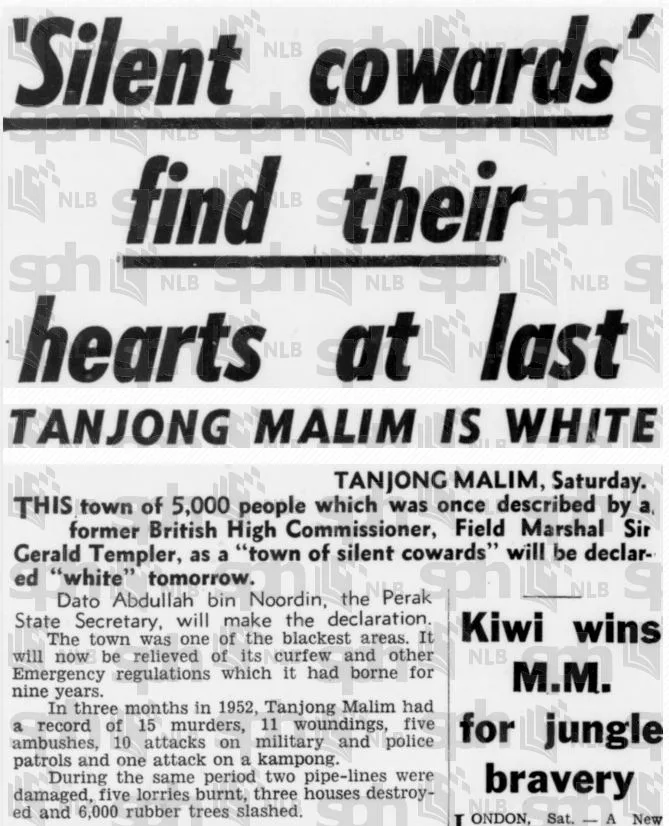
However, in 1958, after several years of being labeled a Black Area, the Tanjung Malim area was finally declared a 'White Area'. This declaration was made by Dato Abdullah Bin Noordin, the State Secretary of Perak. This followed the fact that no more communist movements or activities were detected there.
This liberation meant that there were no longer overly strict controls imposed on the Tanjung Malim area. However, the Emergency in the Federation of Malaya only truly ended in 1960.
References:
- Tanjong Malim, The Sunday Times Singapore, 30 March 1952
- 'Silent cowards' find their hearts at last, The Straits Times 23 November 1958
- The Emergency in Malaya: Events and Lessons for the Present Generation in the Context of National Resilience, Zulhilmi bin Paidi & Rohani Hj Ab Ghani.
- Action and Reaction: Communist Cruelty in Tanjung Malim and the British Response, March – April 1952, Noor Ain binti Mat Noor and Azharudin Mohamed Dali.